Polarized sunglasses: What they are and who they can help
What are polarized sunglasses?
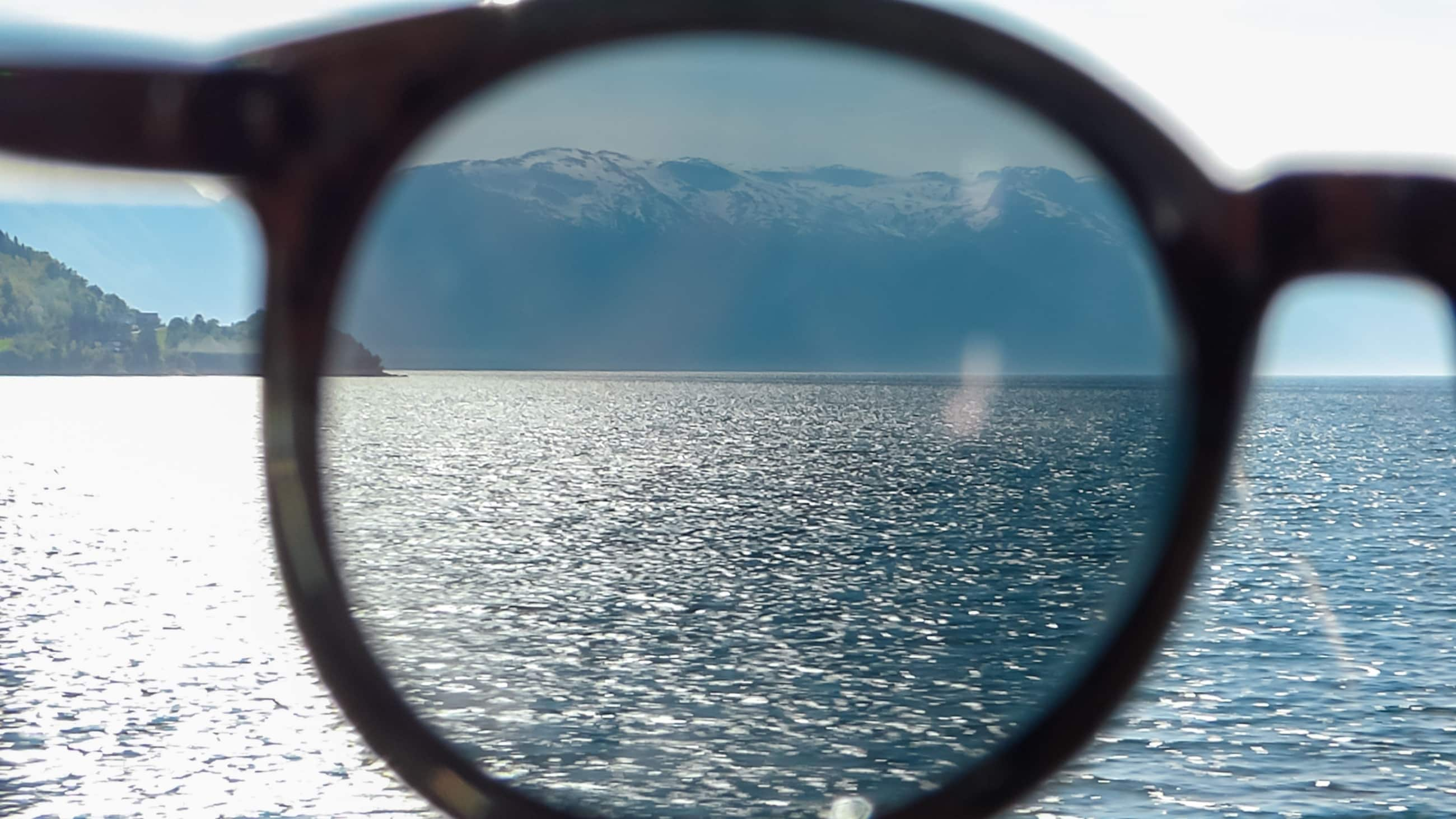
Have you ever squinted into the glare coming off a shiny surface on a sunny day? You might want to try polarized sunglasses, which make it easier to see in bright light.
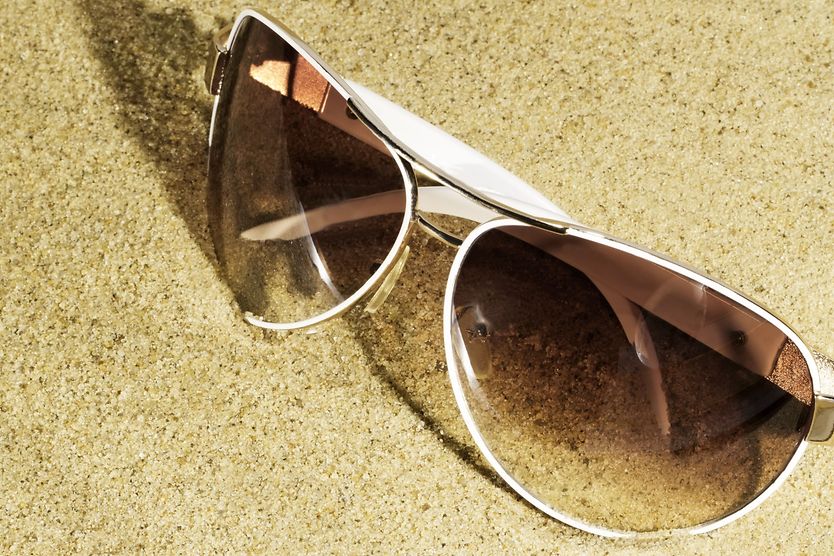
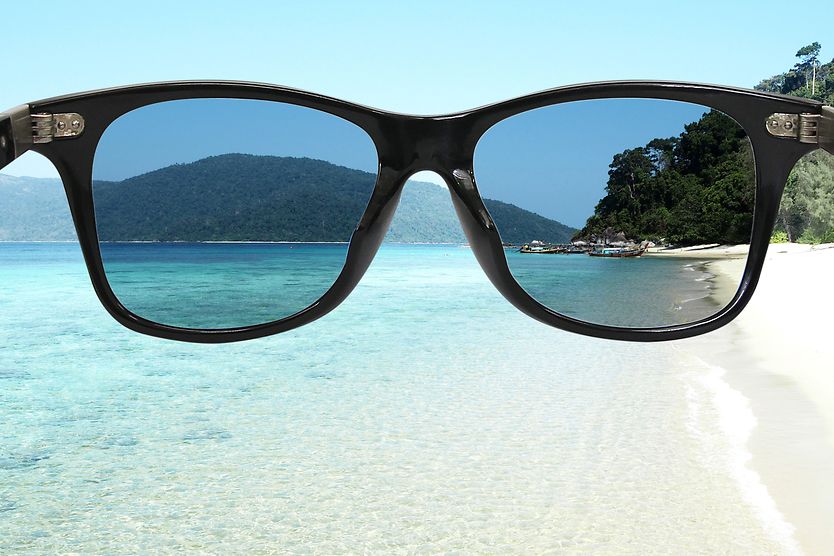
Polarized sunglasses block glare reflecting off surfaces, like water, ice, snow, sand, glass and metal. These lenses aim to provide clarity, crispness and improved perceived contrast and visual comfort on sunny days. They also may reduce eye strain caused by glare.
Polarized lenses can be especially helpful for outdoor activities, such as boating, fishing and lounging on the beach. They can make daytime driving more comfortable by reducing reflected glare from roads and other vehicles. However, polarized sunglasses might make some dashboard displays harder to see and can reduce visibility of icy patches in certain conditions.
How polarized lenses work
Polarized lenses are made using a manufacturing process that creates a polarization filter that blocks polarized light.
To understand how polarized lenses work, it helps to understand polarized light. Polarized light is created when sunlight bounces off an object. It creates intense light known as glare.
This redirected light tends to travel in a horizontal direction. So, the filter on polarized lenses blocks horizontal light but not vertical light.
In other words, “polarized” on your sunglasses means the lenses filter light waves so they vibrate in one direction instead of multiple directions. It is the reason why you can see better when wearing polarized sunglasses.
Polarization and UV protection serve different purposes. Polarized lenses reduce reflected glare, while UV-blocking lenses protect your eyes from ultraviolet radiation. When choosing sunglasses, look for both polarization and 100% UVA and UVB protection, or a UV400 label.
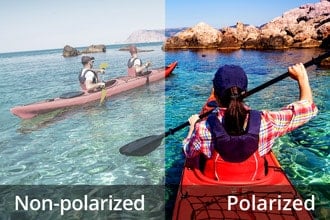
Polarized sunglasses provide superior glare protection — especially on the water.
What are the benefits of polarized sunglasses?
Polarized sunglasses offer many advantages when you wear them on sunny days. For example:
They reduce glare and reflections
Quality polarized lenses do a good job of reducing reflections bouncing off shiny surfaces. Glare can happen anytime sunlight hits shiny objects. These may be either natural (e.g., lakes, oceans, snow and ice) or manufactured (e.g., car windshields, metal and mirrors). This benefit is important because glare can make it hard to see and may pose safety risks.
They can make colors and contrast appear clearer
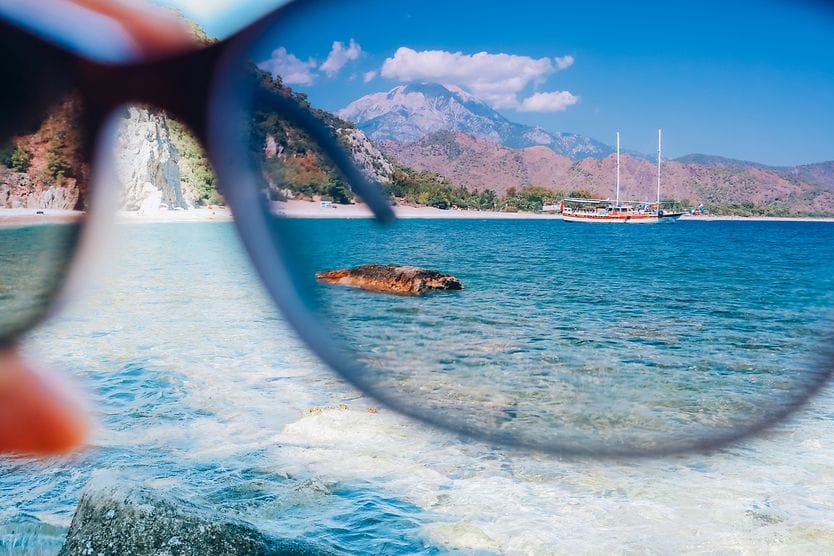
Polarized sunglasses also make colors appear vibrant and crisp. Hikers may get better views of lakes or mountains, while drivers are better able to see traffic signs or objects in the road. Just about anything you look at will appear sharper and more distinct than it would with non-polarized lenses.
They can improve visual comfort and reduce eye strain
Dealing with glare on a sunny day can be annoying and uncomfortable. Most people squint and may even experience watery eyes. But polarized lenses filter out most of the offending light, allowing you to view objects without straining. This leads to less squinting, easier long-term viewing and less fatigue after spending a long time outdoors.
When are polarized lenses not a good fit?
Polarized lenses may improve comfort and visibility, but there are a few situations when polarized lenses aren’t the optimal solution. For example:
Low-light or indoor conditions
One downside to polarized lenses is that they make everything appear a little darker. This is fine when you’re outside on a sunny day, but not when you’re indoors or in a low-light situation. In these environments, polarized lenses can make it harder to see and may even pose risks.
Keep in mind that it’s dangerous to use polarized lenses to mask glare from oncoming headlights when driving at night or in low light. They could impair vision and increase the risk of traffic accidents in these lighting conditions. Night vision is often diminished compared to daytime vision, and polarized lenses could make it worse.
Viewing digital displays
Polarized lenses can cause certain liquid crystal displays (LCD screens) to appear dim, unevenly illuminated or completely dark at particular viewing angles. (This doesn't happen with every screen.) For example, pilots should not wear polarized lenses, according to the Federal Aviation Administration (FAA). Polarization may interfere with cockpit displays and windshields and can mask visual cues from other aircraft.
Polarized lenses can also interfere with screens on cell phones, tablets, laptops, ATMs or gas station pumps. This is minor compared to flying a plane but can still interfere with daily tasks.
Situations where it’s helpful to see glare
There are scenarios where seeing glare coming off a shiny surface can actually keep you safer. That applies to some winter sports. For example, during downhill skiing or snowboarding, you might want to be able to see the light reflecting off icy patches so you can steer clear. In these specific situations, reducing glare can create hazards and cause injuries.
This is another reason pilots shouldn’t wear polarized sunglasses, according to the FAA. They can mask the glare coming off the windshield or wing of another aircraft in the sky. The ability to spot that shimmer and react quickly is key to avoiding mid-air collisions.
Polarized sunglasses don’t have many downsides, but it’s still important to weigh the pros and cons. And switch to non-polarized lenses in situations where polarized sunglasses aren’t recommended.
SEE RELATED: Polarized vs. non-polarized sunglasses
Who can polarized sunglasses help most?
Daytime drivers typically experience enhanced comfort and visibility with polarized glasses. That can help them drive more confidently and safely.
Outdoor sports enthusiasts also reap the benefits of polarized sunglasses (with the exception of that downhill skiing example, of course). These lenses can help to create a more vivid outdoor experience. They also help those who engage in activities like boating or fishing. The lenses help them stay comfortable and avoid squinting during hours on the water, where glare can be intense.
Finally, people who are light-sensitive may find relief by using polarized lenses. There are various eye conditions that can cause light sensitivity (photophobia). This may include individuals with dry eyes, albinism, or those who have recently had cataract surgery or laser eye surgery.
But polarized sunglasses aren’t just for drivers, outdoor enthusiasts and those with light sensitivity. Anyone who is bothered by outdoor glare can benefit from this type of sunglass lens in everyday bright conditions.
How can you tell if sunglasses are polarized?
Do you have a pair of sunglasses and want to know if they’re polarized? There are a few simple at-home tests you can do to find out:
- Rotate the lenses. Take your sunglasses and hold them in front of a screen. Then, rotate them 90 degrees. If the lens suddenly appears dark as they turn, they’re polarized.
- Look at reflective surfaces. Find a surface with glare, such as a mirror near a sunny window. Putting on polarized sunglasses should make it look much less shiny.
- Stare at a screen. Look at your cell phone or computer screen. If it’s very dark and difficult to see, your sunglasses are likely polarized.
These tricks aren’t foolproof, but they may give you a good idea of whether or not you have polarized sunglasses.
Do polarized sunglass lenses have UV protection?
Keep in mind that polarization and UV protection are two different things. And not all polarized sunglasses offer complete protection from UV rays. Always double-check that your sunglasses — whether polarized or not — block 100% of UV rays, including both UVA and UVB.
Protection from the sun’s ultraviolet radiation is an important part of keeping your eyes and the skin around them healthy. Exposure to UV rays can lead to conditions such as photokeratitis (which is like a sunburn of the eye), age-related macular degeneration (AMD) and cataracts. The sun can also damage the delicate skin around your eyes and even lead to skin or eye cancer. Make sure any sunglasses you choose are marked UV400 for the best protection.
How to choose the best pair of polarized sunglasses
High-quality polarized sunglasses may cost a bit more than non-polarized sunglasses. It’s a good idea to consider a variety of factors to choose the appropriate polarized sunglasses for you. Here are some tips for picking the right pair:
- 100% UV protection – This is the most important feature to look for in any sunglasses, regardless of price.
- Lens size – Larger lenses better protect your face and eyes from the sun’s harmful rays.
- Frame fit – You want a pair of sunglasses that fits snugly so they won’t slip or fall off your face.
- Lens quality – Check lens quality by holding the sunglasses away from your face while looking at a tile floor, the American Academy of Ophthalmology (AAO) recommends. Move the glasses around. If the lines look straight (not wavy), the lenses are likely good quality.
- Impact resistance – Polycarbonate lenses are more impact-resistant than some other lens materials but also more prone to scratches, the AAO notes. Anti-scratch coating can help.
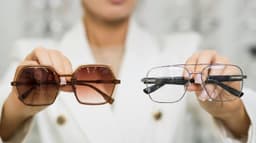
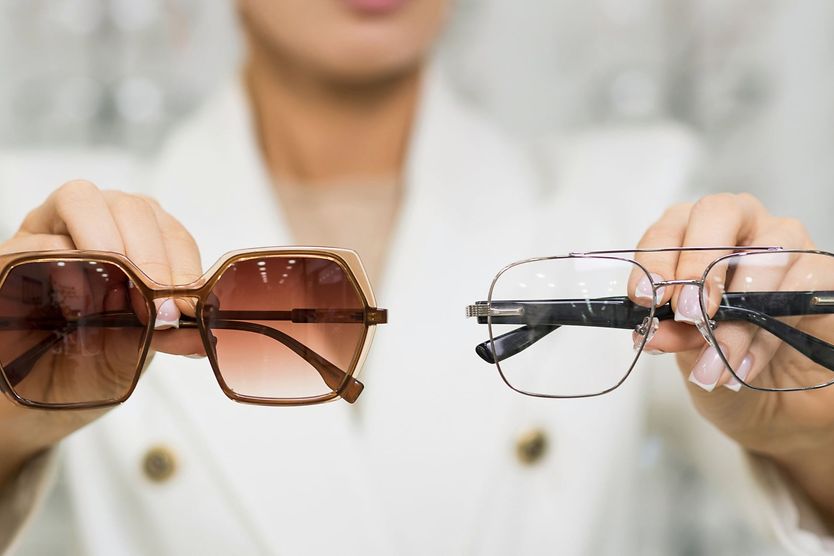
An optician can help you select the ideal pair of polarized lenses for you. They will talk with you about your goals and look at how each pair fits.
When to talk to an eye care professional
You may want to schedule an eye exam before buying polarized sunglasses. If you have persistent light sensitivity, it’s important to see an eye care professional.
And if you have even a small amount of refractive error, consider prescription polarized sunglasses to help you see clearly and comfortably during the day. Progressive lenses for presbyopia can include polarization, too. These can come in handy for people over 40 who spend a lot of time outdoors.