Botulinum toxin injections and side effects

You may have read about cosmetic botulinum toxin in advertisements, blogs and celebrity gossip magazines, or heard about it from your friends. But there are a lot of misconceptions about botulinum toxin treatment and how it is used.
Cosmetic botulinum toxin has been available by prescription in the United States since the FDA approved it in 2002. It is the exact same botulinum toxin injected for medical purposes (such as uncontrolled muscle spasms) was first approved by the FDA in 1989.
Cosmetic botulinum toxin is FDA-approved to smooth the frown lines between your eyebrows, though it is used off-label for other facial wrinkles as well. Around 3 million botulinum toxin injections are performed globally each year.
What is cosmetic botulinum toxin?
Botulinum toxin is used for three main purposes: muscle spasm control, severe underarm sweating and cosmetic improvement. In this article we concentrate on the third use, achieved with a product that contains botulinum toxin type A (the active ingredient), human albumin (a protein found in human blood plasma) and sodium chloride.
Cosmetic botulinum toxin is used for the temporary smoothing of "frown lines," which are the lines between your eyebrows that can make you look tired, unhappy or angry.
The medication is FDA-approved for frown lines between the brows, crow's feet and vertical neck bands. It is also widely used — though not separately FDA-approved — for horizontal forehead lines, marionette lines at the corners of the mouth and smoker's lines around the lips.
Don't confuse cosmetic botulinum toxin with injectable fillers. Dermal fillers work differently, plumping up tissues so that lines and wrinkles diminish or disappear.
Your eye doctor can help you decide which product(s) will solve your particular appearance issues, though as a general rule, botulinum toxin is used mostly in the upper portion of the face, and fillers are used mostly in other areas.
Are you a good candidate for botulinum toxin?
In the United States, the FDA has approved cosmetic botulinum toxin Botox Cosmetic for people aged 18 to 65. But you typically shouldn't use it if you:
- Are allergic to any ingredients in botulinum toxin
- Are allergic to any botulinum toxin brand or had any side effect from these products in the past
- Have a skin infection or other condition in the injection area
- Have ALS (Lou Gehrig's disease), myasthenia gravis, Lambert-Eaton syndrome or another disease that affects your muscles or nerves
- Have breathing problems, such as asthma
- Have difficulty swallowing
- Have bleeding issues
- Plan to undergo surgery
- Have had facial surgery
- Have weakness in your forehead muscles
- Have drooping eyelids
- Are taking or have recently taken certain medications, vitamins or supplements (see below)
Cosmetic botulinum toxin is not expected to travel far enough through the body to affect a fetus or breastfeeding infant. However, for ethical reasons, clinical studies have not been done on expectant or new mothers, so nobody knows for sure.
Therefore, some manufacturers advise that you should not have botulinum toxin injections if you are planning or trying to conceive a child, are pregnant, are planning to breastfeed or are currently breastfeeding. It's better to be safe, and you can always get botulinum toxin later on.
How botulinum toxin injections work
A wrinkle in the skin is typically formed perpendicular to a contracting muscle located directly beneath it. For example, the muscle in the forehead is a vertical muscle, and when it contracts (such as when you raise your eyebrows), the lines that form (wrinkles) will be horizontal.
Likewise, the two muscles that are responsible for the frown lines are positioned slightly horizontally between the eyebrows, so when they contract, the frown lines appear vertical.
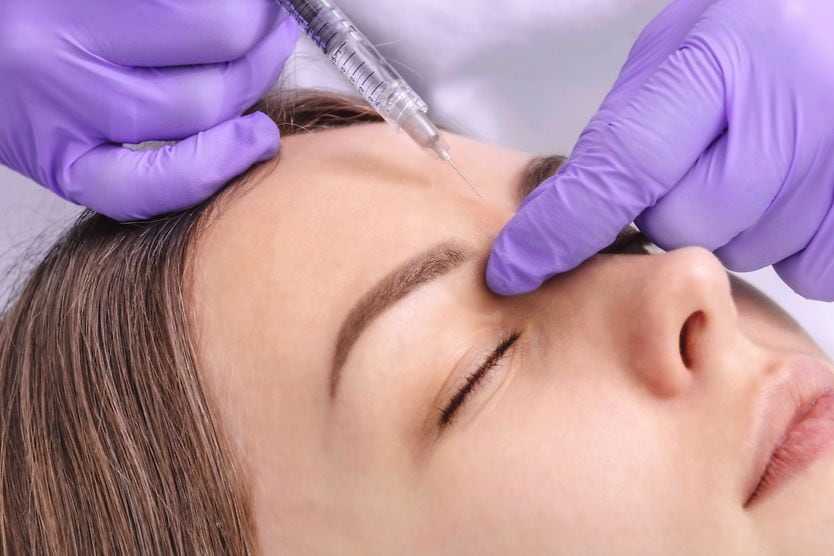
Cosmetic botulinum toxin is injected into muscles, where it blocks nerve impulses to those tissues. The muscle activity that causes the frown lines is reduced, and a smoother look results. Without a contracting muscle beneath it, the skin has a difficult time wrinkling.
Facial lines that exist when your face is totally relaxed are not very good candidates for botulinum toxin. These lines are better handled by dermal fillers. Botulinum toxin can frequently "soften" these lines but not always get rid of them.
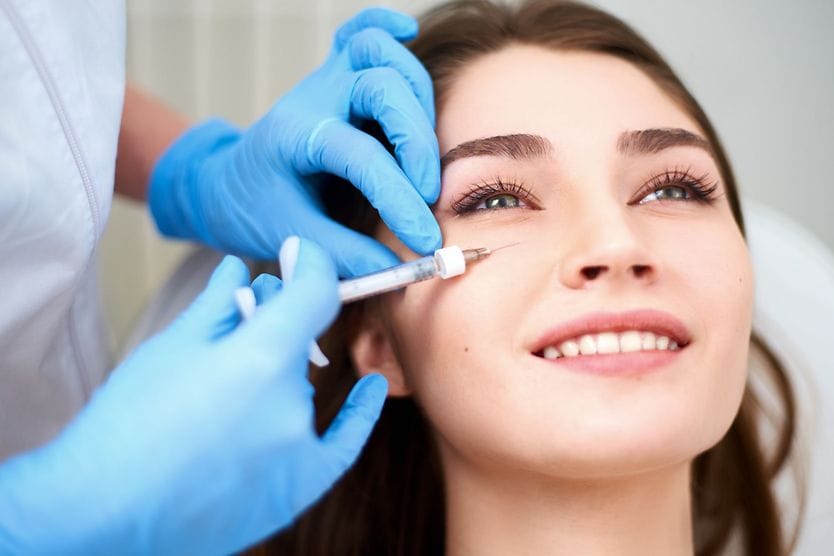
The injections typically take about 10 minutes, and you should need no downtime afterward.
Normally you would see improvement within a few days. Botulinum toxin typically requires two to four days for it to attach to the nerve ending that would normally stimulate the muscle to contract. The maximum effect usually occurs at about 10-14 days. Therefore, whatever effect is obtained two weeks after the injections should be considered the maximum effect that is going to occur.
Is botulinum toxin painful?
Any injection can hurt, but the needles used for botulinum toxin injections are very small, so pain is usually minimal. The area can be numbed with a topical anesthetic cream or cold pack 10-20 minutes before the injections are given, so you may not feel much pain, if any.
You may feel a little discomfort later, once the anesthetic cream has worn off. Other side effects are listed below.
How often should you get botulinum toxin injections?
You're probably wondering how long botulinum toxin lasts. The majority of the people see effects for three to four months, but several factors may shorten or lengthen that period:
- Your age. Older people with less muscle tone may see results diminish sooner than those with younger, firmer facial muscles.
- Your facial structure and expressions.
- Whether you smoke.
- Your diet.
- Whether you take good care of your skin; use facials, microdermabrasion or other resurfacing methods.
- How much sun you get and how much sun damage your skin already has.
- Whether you use botulinum toxin repeatedly or not. However, this seems to differ from one person to another. Some obtain a longer-lasting effect with repeated use, while others seem to develop a resistance to the drug and need more frequent treatments.
Doctors disagree on which of the above factors are the most important so it's a good question to ask your eye doctor. In any case, it is not recommended to have injections in the same injection site (such as for crow's feet) more frequently than every three months.
As with the injection of any medication, your body's immune system can develop antibodies to the medication, which may render the drug less effective or possibly cause development of an allergy to the drug. The more frequently the drug is injected or the more quantity that is injected, the higher the risk for these antibodies to be formed against the drug.
Botulinum toxin side effects
Potential botulinum toxin side effects may include pain at the injection site, infection, inflammation, swelling, redness, bleeding and bruising. Some of these symptoms may indicate an allergic reaction; other allergy symptoms may include itching, wheezing, asthma, a rash, red welts, dizziness and faintness. Tell your doctor immediately if you have any breathing issues or a faint or dizzy feeling.
Also, dry mouth, fatigue, headache and neck pain have been reported.
You may have heard of other side effects as well, such as numbness, droopy eyelids, muscle spasms or twitching, and migration of the substance.
Numbness as an absence of physical sensation is typically not a complication of botulinum toxin, because botulinum toxin is not an anesthetic. Numbness as the result of the inability to move a muscle may be an issue for some people.
Muscle spasms in the area of the botulinum toxin injections do not occur while the botulinum toxin is effective. After all, botulinum toxin is used to treat spasms related to benign essential blepharospasm, hemifacial spasm, cerebral palsy, fibromyalgia and temporomandibular joint (TMJ) disorder.
It may be possible for the botulinum toxin to spread a little beyond the intended injection site and affect surrounding tissues. For example, if you receive injections into the forehead close to your eyebrows or your upper eyelids, they could be affected and may droop temporarily.
SEE ALSO: Botulinum toxin FAQs
The experienced eye doctor know the correct sites of injection to avoid side effects such as droopy eyelids. A small, highly concentrated dose of botulinum toxin is less likely to spread from the injection site than a large diluted dose.
This underscores the importance of finding an eye doctor who has long experience with giving botulinum toxin injections. Also, if you have any questions about your botulinum toxin treatments, your doctor is the one who knows the specifics of your regimen to best assess any reactions or concerns you may have.
How to avoid botulinum toxin side effects
The list of possible side effects mentioned in this article is a long one, but it would be extremely rare for anyone to experience all of them. And following these six tips will minimize or prevent most botulinum toxin side effects:
- Make sure your eye doctor is very experienced at botulinum toxin injections and is a respected medical professional. A salon stylist, for example, is not an appropriate person to administer botulinum toxin, because they would not have emergency equipment or sufficient medical knowledge if something went wrong. Some disreputable people have reportedly administered injections that were over- or under-diluted with saline, as well as counterfeit solutions that didn't contain botulinum toxin at all.
- Before having injections, tell your eye doctor about any health problems you have.
- Tell your eye doctor about medications, vitamins, herbal preparations or other supplements you take, since some combinations of these supplements with botulinum toxin could cause serious side effects. It's especially important to mention having taken injected antibiotics, muscle relaxants, allergy or cold medicines, and sleep medicines.
- Follow your eye doctor’s pre- and post-injection instructions very carefully.
- Report all side effects — especially those that are bothering you or won't go away.
- Beware of botulinum toxin injections at a "party" at someone's house. You need to be in a medical setting, where any side effects can be treated immediately. You may not see the final effects of the injections during the party anyway, as they usually take several days.
Is botulinum toxin safe for your eyes?
Botulinum toxin also is used to treat eye muscle problems (strabismus) and uncontrolled eyelid twitching (blepharospasm), and it was developed and FDA-approved for these uses with eye safety in mind.
Of course, precautions are necessary to prevent possible cosmetic botulinum toxin side effects such as droopy eyelids, double vision, blurred vision, impaired vision, eyelid swelling and dry eyes. If you have any of these issues after an injection, report them to your eye doctor and your physician.
Botulinum toxin cost
The cost of cosmetic botulinum toxin injections varies from one place to another and from one eye doctor to another, so you'll need to ask your eye doctor what he or she charges.
Some eye doctors charge by the number of units injected.
Some practices charge by the "zone." For example, the frown lines would be one zone, the crow's feet another zone and the forehead yet another zone.
Prices per zone may vary, depending on the practitioner and/or the region of the country.