Ptosis (droopy eyelid)

What is ptosis?
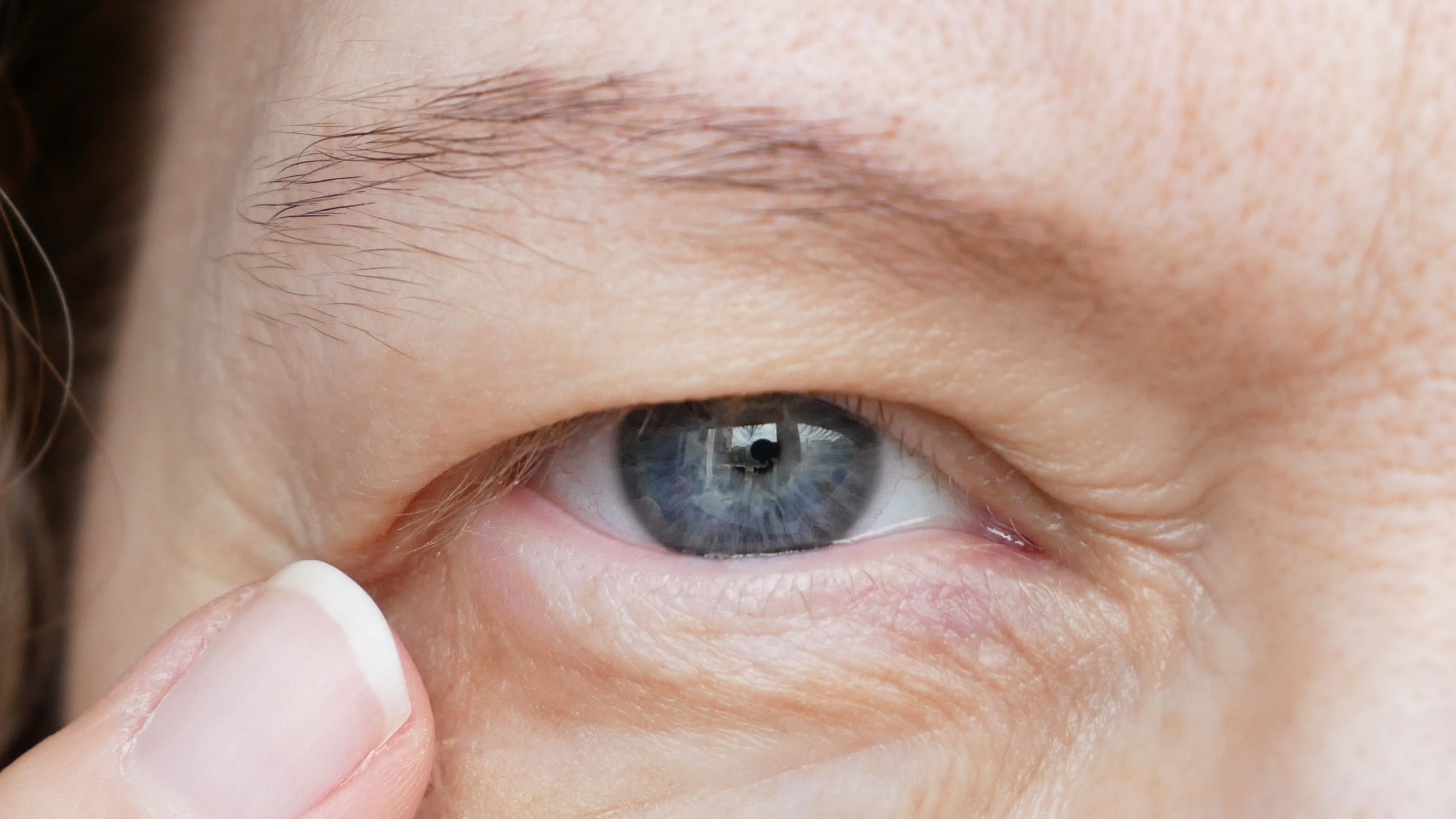
Eyelid ptosis (pronounced “TOE-sis”) is the drooping of the upper eyelid of one or both eyes. The drooping eyelid may be barely noticeable, or it may cover part or all of the pupil (the dark circle at the center of the eye) and interfere with a person’s vision.
Eyelid ptosis — also called blepharoptosis or droopy eyelid — can affect people of all ages. However, it is more common in older adults.
There are two main types of eyelid ptosis:
- Congenital – Present at birth or developing within the first year of a child’s life
- Acquired – Develops sometime after the first year of life
Acquired ptosis is further classified into the following subtypes based on their underlying cause:
- Aponeurotic (involutional) – Stretching or detachment of the tendon that anchors the muscle that lifts the eyelid, often due to aging
- Neurogenic – Nerve-related issues affecting the eyelid muscles
- Myogenic – Weakening of the eyelid muscles from certain conditions
- Mechanical – Excess weight or pressure on the eyelid
- Traumatic – Injuries or trauma affecting the eyelid muscles
Note: While this article refers to eyelid ptosis, the term ptosis can also refer to drooping of other parts of the body.
What causes ptosis?
Ptosis often results from a problem with the muscles that lift the upper eyelid, primarily the levator palpebrae superioris and the Müller muscle.
The most common cause of acquired ptosis is aging, when the eyelid skin, tendons and muscles naturally loosen and weaken over time. However, a number of medical conditions can also lead to ptosis, including:
- Styes or other eyelid growths
- Horner syndrome
- Myasthenia gravis
- Third cranial nerve palsy
- External ophthalmoplegia (a condition affecting the muscles that control eye movement)
- Tumors
- Stroke
- Trauma or injury
- Eyelid swelling due to allergies or infections
Ptosis in children
Children may experience congenital ptosis, which occurs when the levator muscle responsible for lifting the eyelid does not develop completely or properly. This is the most common cause of a drooping eyelid in children.
Children can also develop acquired ptosis if the muscle weakens due to other factors, such as those listed above, or if other problems with the brain or nerves develop.
Without treatment, ptosis in children could lead to other eye-related concerns, including:
- Irregular astigmatism – A refractive error that causes blurry vision. When related to ptosis, the drooping eyelid places pressure on the eye’s surface, changing its shape and affecting vision.
- Amblyopia (lazy eye) – A condition in which vision does not develop normally and can lead to permanent vision loss without treatment. When related to ptosis, the eyelid covers the pupil, preventing light from entering the eye. This means proper vision development is unable to happen as the eye and brain do not receive the necessary visual input.
Children with ptosis often tilt their heads back and chin up to see past their eyelids. Over time, this compensation can lead to developmental delays or issues with the head and neck.
Ptosis in adults
In adults, the aging process can lead to stretched or detached tendons or weakened eye muscles, resulting in ptosis. It may also occur after eye-related trauma, such as eye injuries, some eye surgeries or long-term contact lens use.
Ptosis in adults may be associated with underlying neurological conditions or disorders affecting eyelid movement. It can also be a sign of stroke, tumor or other conditions affecting eyelid function.
Signs and symptoms of ptosis
The most noticeable sign of ptosis is often a low-lying, drooping upper eyelid. Other signs and symptoms of ptosis may include:
- Difficulty seeing out of the affected eye (if the eyelid covers any of the pupil)
- Tilting the head back to see more clearly
- Raising the eyebrows to lift the upper eyelids
- Frequent eye rubbing
- Dry eyes
- Watery eyes
- Fatigue or soreness around the eyes
- A heavy feeling in the affected eye
Ptosis related to aging usually occurs gradually. If you think you may be developing droopy eyelids, compare a recent close-up photo of yourself with one taken 10 or 20 years ago. This comparison can show you how much the position of your eyelids has changed over time.
Ptosis can resemble other conditions, such as dermatochalasis, which causes the skin on the upper eyelids to loosen, sag or droop. An eye doctor can determine whether the condition is true ptosis or something else and recommend the appropriate treatment.
How is ptosis diagnosed?
Diagnosing ptosis usually begins with a medical history review and a comprehensive eye exam. During the exam, the eye doctor evaluates the eyelids and surrounding tissues, along with vision and eye movement.
Eye doctors may work closely with other specialists, such as neurologists, to determine the cause of a drooping eyelid. In some cases, lab tests and imaging procedures, such as computed tomography (CT) or magnetic resonance imaging (MRI), may be performed to confirm a diagnosis.
How is ptosis treated?
Treatment for ptosis depends on the person’s age, the underlying cause, the severity of the condition, and its impact on their vision and quality of life. Mild cases may only require monitoring. However, treatment may be necessary if a drooping eyelid affects vision or becomes a cosmetic concern.
Treating ptosis in children
Surgery may be recommended for children with significant congenital ptosis to enable normal vision development and prevent amblyopia or other complications.
Different types of ptosis surgery are performed depending on the extent of repair needed, including:
- Levator resection – Shortens and tightens the levator muscle to lift the eyelid. This approach may be used when the eyelid muscle is weak but still functions.
- Frontalis sling – Connects the eyelid to the frontalis (forehead) muscle to lift the upper eyelid without needing to use the levator. This may be recommended when the eyelid muscle is completely nonfunctional.
Treatments such as prescription eyeglasses or eye patching may be used to address refractive errors, amblyopia or other conditions related to ptosis.
Treating ptosis in adults
Adults are treated with the same surgical options as children, depending on the cause and severity of the condition. An additional technique, known as the Müller muscle-conjunctival resection, may be used for mild to moderate aponeurotic ptosis to tighten the Müller muscle and help lift the eyelid.
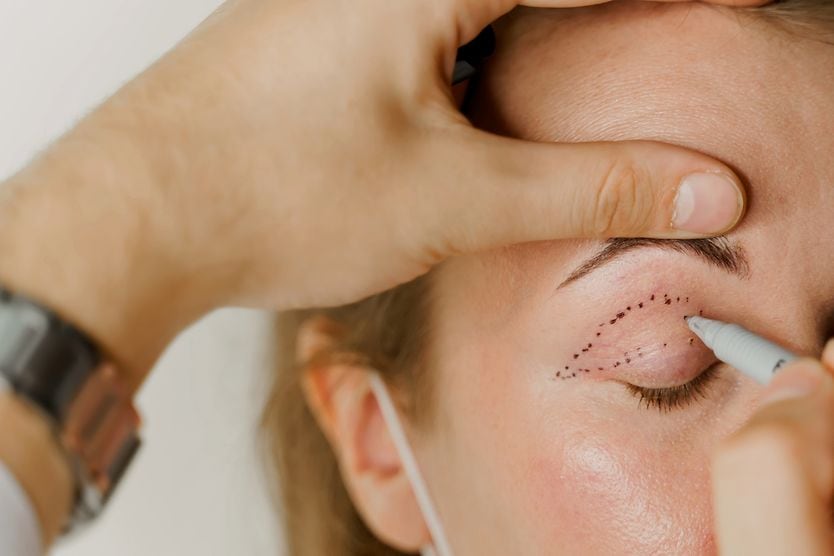
In some cases, ptosis repair is combined with a surgical procedure called blepharoplasty if excess skin on the eyelid is also contributing to a droopy appearance.
Another treatment option for adults with certain types of acquired ptosis is a prescription eye drop called oxymetazoline hydrochloride ophthalmic solution, 0.1%. This medication temporarily helps the eyelid muscles (specifically Müller’s muscle) lift the lid, but it must be used daily to maintain its effect.
Despite claims of certain home remedies for ptosis online, the ideal way to treat it is with professional help. Consult your eye doctor before attempting any type of treatment or remedy on your own.
When to see a doctor
While droopy eyelids are often harmless, there are certain instances in which immediate medical care is needed, including:
- A drooping eyelid accompanied by stroke signs or symptoms, such as blurred vision; weakness in the face, arms or legs; a severe headache or trouble speaking
- An eyelid that droops suddenly or worsens rapidly over a short period of time
- Eyelid drooping accompanied by other signs or symptoms, such as eye pain, double vision, unequal pupils, misaligned eyes or difficulty moving the eye
Parents should watch for signs of ptosis in children, including uneven eyelids, head tilting to see or vision difficulties. Any eyelid drooping or concerns related to a child’s eyes or vision should be evaluated promptly by an eye care professional, as treatment may be necessary to support normal vision development. Even if treatment isn’t required, routine eye exams are still important to monitor the child’s eye health.
Adults who experience eyelid drooping should also schedule an eye exam. An eye care professional can determine whether treatment is needed and discuss the appropriate options.
SEE RELATED: Ptosis FAQs