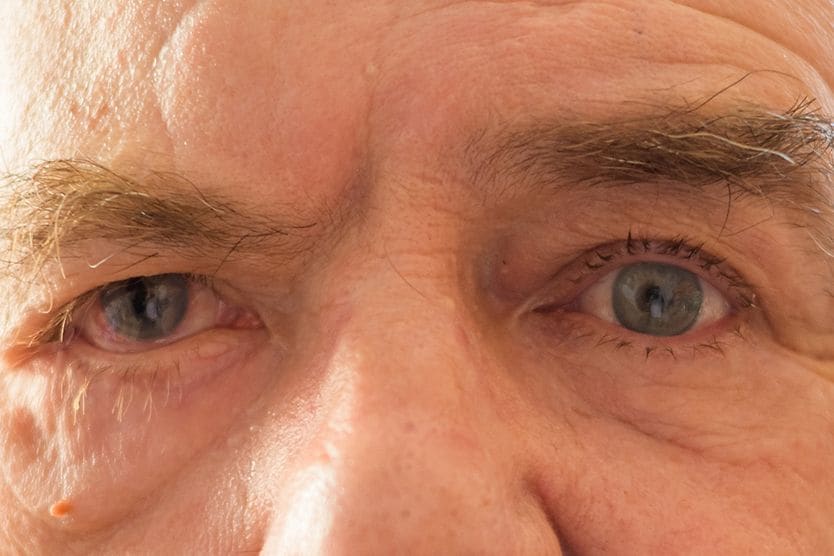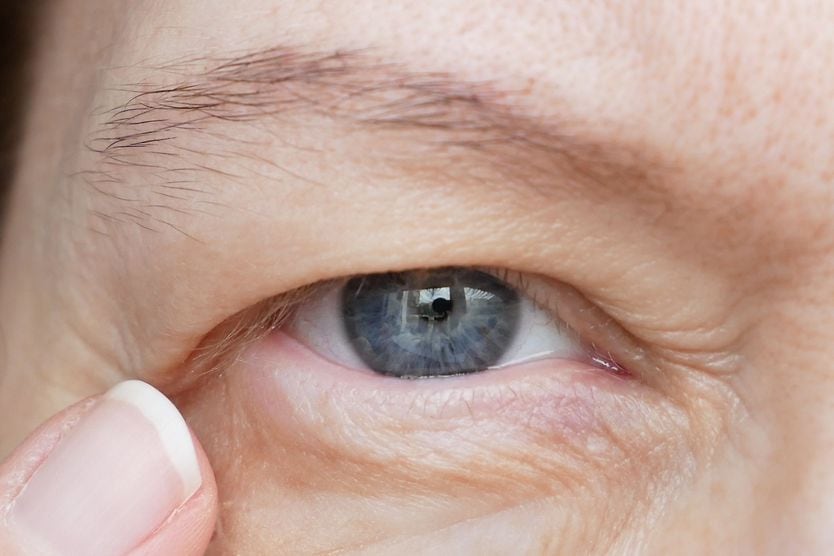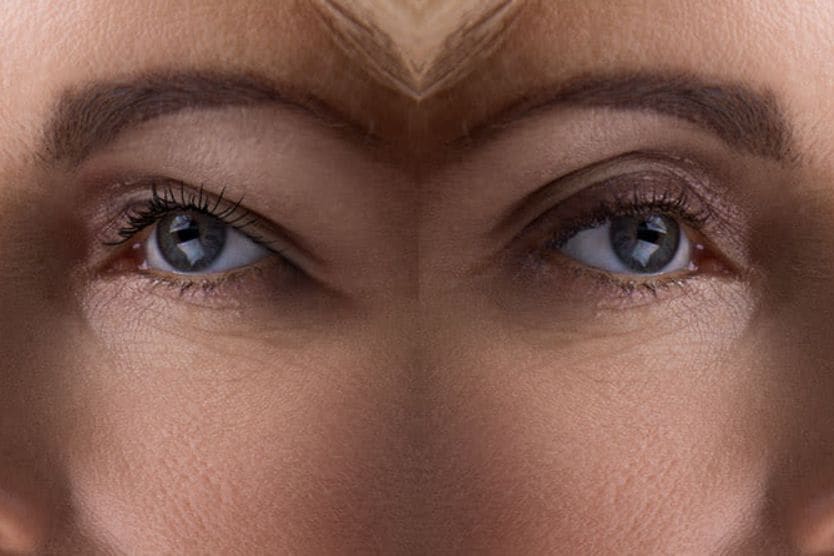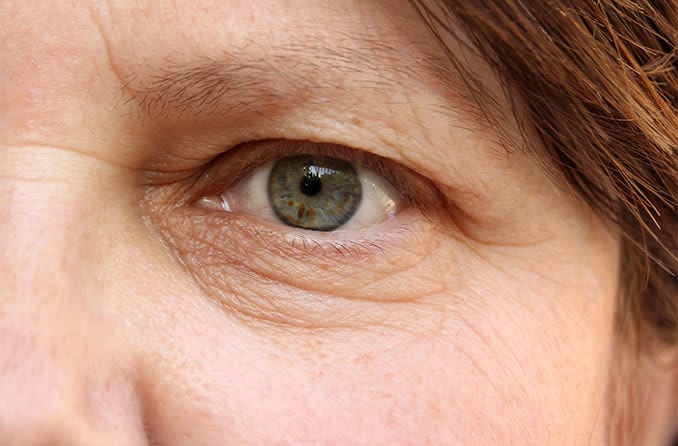
Ptosis — also called drooping eye, droopy eyelid and blepharoptosis — is an eye condition that causes the upper eyelid to droop. Cases can range in severity from simply cosmetic to more serious, where the drooping eyelid can affect a person’s field of vision.
Ptosis (pronounced “TOE-sis”) can affect people of any age, whether it’s present from birth (congenital ptosis) or occurs later in life (acquired ptosis). While the condition tends to present itself most frequently in people who are 50 and over, those who experience the initial stages of ptosis earlier in life can typically expect their eyelids to droop even further as they grow older and their skin’s elasticity decreases.
So, what are the different types of ptosis?
Congenital ptosis
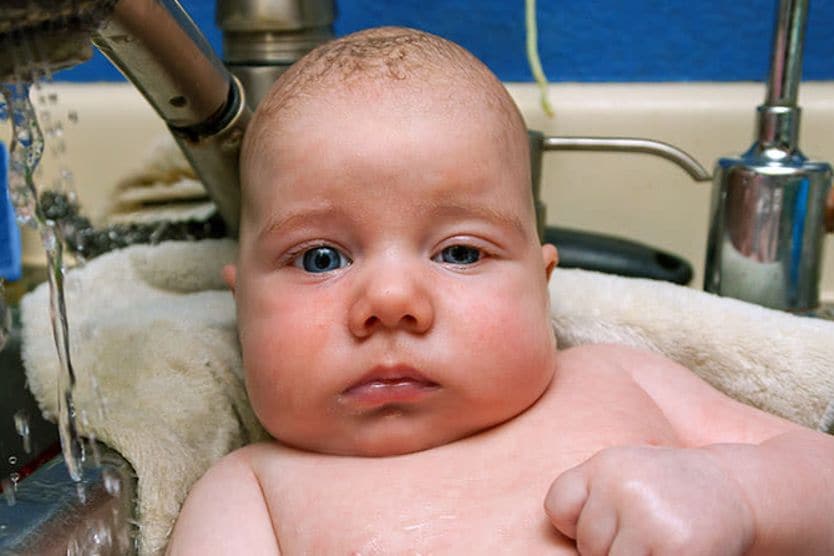
Ptosis that is present at birth or within a child’s first year is called congenital ptosis. It is caused when the levator muscle in the affected upper eyelid doesn’t develop fully or properly in the womb (only one eye is affected in around 70% of congenital ptosis cases).
In many cases, the underlying cause of congenital ptosis is unknown, but it can be inherited.
If left untreated, congenital ptosis can cause a child’s vision to develop improperly and result in amblyopia (lazy eye). Head and neck pain can also become a problem for kids who tilt their head back to see out from under their droopy eyelid.
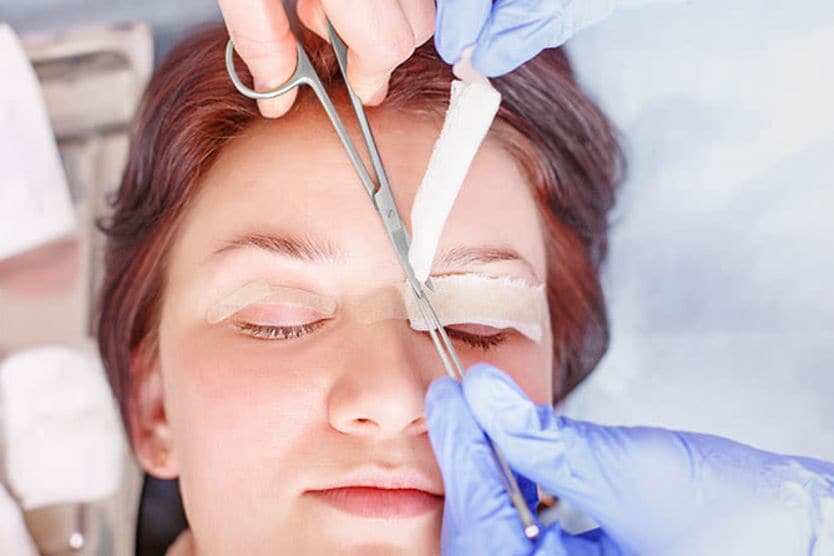
Congenital ptosis is usually treated with surgery early in a child’s life for cosmetic reasons and to prevent vision problems.
SEE RELATED: Why does my child have a droopy eye?
Acquired ptosis
When the condition develops later in life, it’s called acquired ptosis. There are five main subtypes:
Aponeurotic ptosis
The most common type of acquired ptosis is aponeurotic ptosis, in which the eyelid’s levator muscle stretches too far due to aging. Eye rubbing over the course of many years — due to allergies, contact lens discomfort and other irritation — can accelerate its development.
Traumatic ptosis
Traumatic ptosis is caused when an accident or injury affects the muscles in the eyelid. Depending on the severity of the injury, surgical intervention may be required.
Mechanical ptosis
Mechanical ptosis occurs when a growth or mass on the eyelid makes it heavier and stretches the levator muscle. Surgical intervention is often used in more severe cases where the quality of vision is negatively affected.
Myogenic ptosis
Myogenic ptosis is linked to several muscle disorders, including muscular dystrophy, that also affect other parts of the body. Treatment for this type of ptosis can vary as it is usually included in the broader treatment plan for the underlying disorder.
Neurogenic ptosis
Neurogenic ptosis occurs when the nerves that control eyelid movement are damaged, disrupted or functioning improperly, often as a result of a neurological condition such as Horner syndrome, myasthenia gravis or third nerve palsy. When associated with another condition, treatment for neurogenic ptosis is typically included as part of a larger treatment plan.
SEE RELATED: What causes drooping eyelids?
When to see a doctor
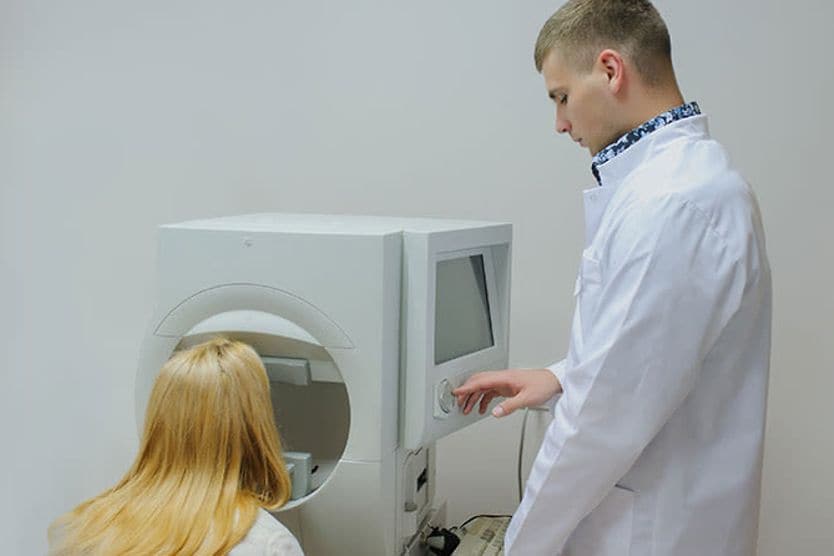
If you notice one of your eyelids has started to droop or you experience any other signs of ptosis, it is recommended to make an appointment for an eye exam. Your eye doctor will assess your symptoms and decide how to move forward, with treatment, monitoring or preventing further progression.