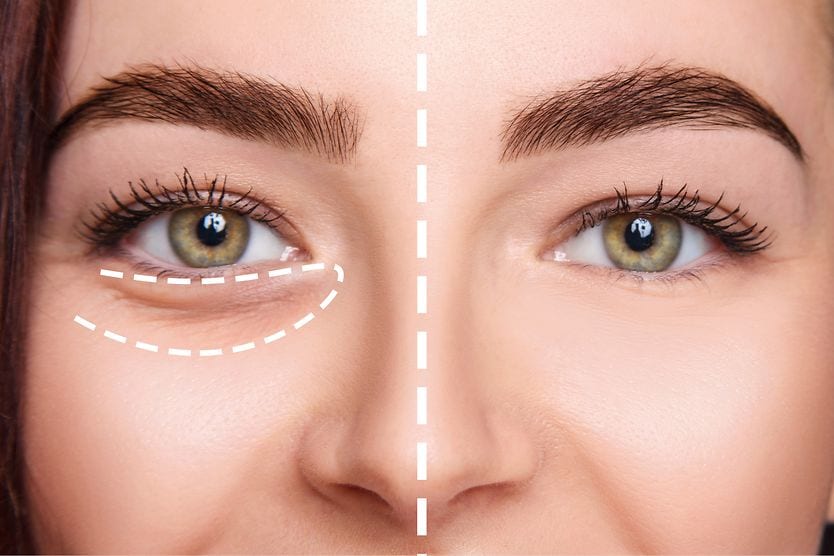
Drooping eyelids after botulinum toxin
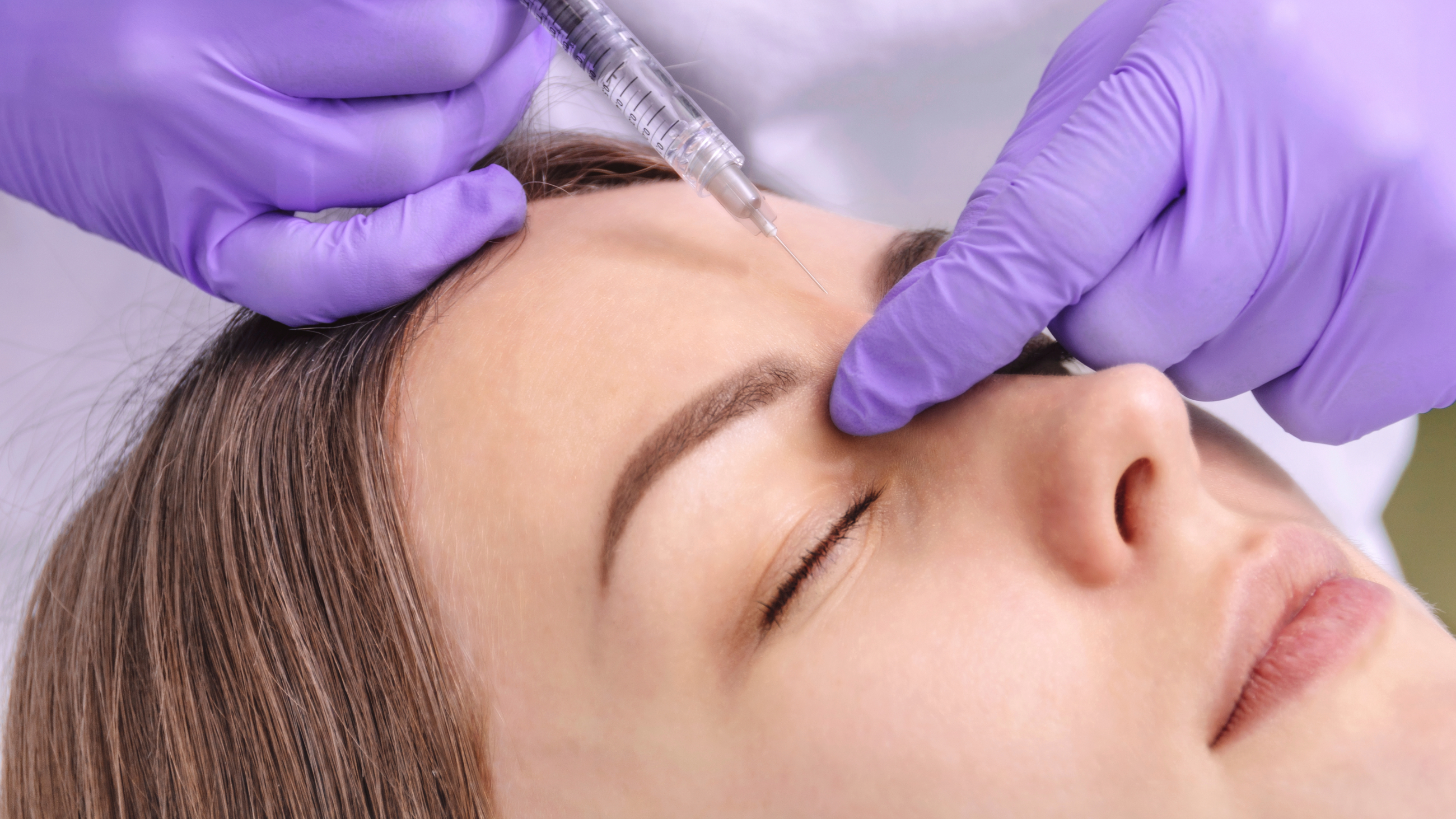

In many cases, droopy eyelids (ptosis) are a natural part of the aging process, a symptom of an underlying condition or a temporary feature caused by fatigue or stress. However, the growing popularity of botulinum toxin injections as a means of anti-aging has introduced a new cause for eyelid drooping.
Botulinum toxin temporarily paralyzes the muscles closely surrounding the injection site. When administered incorrectly, there can be negative, though usually temporary, side effects, including drooping eyelids.
What is botulinum toxin?
Botulinum toxin is a protein derived from the same toxin that causes botulism. While botulinum toxin is technically toxic, it can offer certain benefits when used in micro doses by a certified medical professional.
Botulinum toxin is a neurotoxin, which means it interferes with the signals sent by the nervous system to initiate muscle contractions that create facial expressions. The interference is due to the neurotoxin’s ability to stop the release of acetylcholine, a chemical that works as the messenger between the nerves and the muscles.
When acetylcholine is blocked, the muscles near the injection site are unable to contract and, in turn, become less stiff. The lack of movement in the facial muscles reduces the appearance of fine lines and wrinkles in the skin.
Receiving botulinum toxin injections is a very common procedure. In fact, botulinum toxin was listed as the top minimally-invasive procedure, with between nine to ten million injections performed.
The most requested facial injection sites are typically between the eyebrows, in the forehead and around the eyes. While it varies between individuals, results of botulinum toxin can usually be seen anywhere from three to 14 days after injections and typically last three to 12 months.
How botulinum toxin can cause eyelid drooping
Because botulinum toxin works by deadening the muscles near the injection site and inhibiting the nervous system’s ability to spark movement, it is always possible to have an adverse reaction.
Studies say that ptosis is almost exclusively related to botulinum toxin injections when administered by an inexperienced injector.
So, how is it possible for botulinum toxin to cause droopy eyelids?
When injected, the botulinum toxin diffuses through the area surrounding the injection site. If an injection in the forehead area disperses and affects the brow muscles, a lowered, droopy eyebrow will result. The droopy brow can then crowd the eyelids and result in a saggy appearance.
Similarly, if the injection is being done in between the eyebrows, near the upper eyelid, the levator muscles responsible for holding up the eyelid may become paralyzed — thus, a droopy eyelid.
Besides the poor cosmetic outcome, severe eyelid drooping can obstruct vision. Over time, compensating for the obstruction can cause eye and neck strain from tilting your head back to see.
Treatment for drooping eyelids from botulinum toxin
While paralysis of the eye muscles is a serious chance to take for a youthful appearance, the eye drooping — like the effects of botulinum toxin — is often temporary. Any eyebrow or eyelid drooping caused by botulinum toxin should typically resolve within four to six weeks, but could take as long as three to seven months.
Stimulate the droopy muscles. Stimulating the affected muscles can help reduce the amount of time it takes for the botulinum toxin to dissolve. You can do this by exercising the drooping muscle or with electrical stimulation.
Practitioners often recommend using the back of an electric toothbrush over the affected area for a few minutes each day. The vibrations of the toothbrush will help wake up the muscles made dormant by the botulinum toxin injection.
Apraclonidine eye drops. If running an electric toothbrush over your eyelids sounds a little too intense for you, apraclonidine eye drops are an alternative option. The drops work to signal receptors and cause contractions in certain eye muscles to allow the lid to raise 1 to 2 mm.
While it’s typical for one or two eye drops to be administered three times a day, your eye doctor will be able to assess your condition and prescribe the appropriate treatment.
The ideal treatment for botulinum toxin-induced eyelid drooping is prevention. Injecting botulinum toxin successfully is a difficult skill and requires a medical professional with experience and expertise.
Before you undergo any medical procedure — invasive or otherwise — it’s important to do your research on the individual performing the procedure and the facility where it’s to be performed.
SEE RELATED: Tear Trough Filler