The link between cholesterol and eye health


Understanding cholesterol and its role in the body
Cholesterol is a fat-like substance that the body uses to perform various biological functions. While it’s essential for certain aspects of health, too much cholesterol can have a negative impact. It can even affect your eyes and potentially your vision.
Your body relies on cholesterol for multiple processes. For instance, it uses it to make vitamin D and different hormones, such as cortisol and estrogen. Cholesterol also helps aid in the digestion of foods and the absorption of certain vitamins.
Your liver produces around 80% of the cholesterol in your body. The rest is obtained through the foods you eat. Dietary cholesterol comes from animal products, such as dairy, eggs, meat, poultry and seafood.
Types of cholesterol
Cholesterol is carried through your bloodstream via small particles called lipoproteins. It is classified according to the type of lipoprotein that transports it. As a result, the different types of cholesterol are named after their carrier lipoproteins.
The three primary types of cholesterol are:
- Low-density lipoprotein (LDL) cholesterol – This type travels from the liver and through the bloodstream to the rest of the body. It is commonly referred to as “bad” cholesterol since having high levels of it has been linked to a greater risk of conditions, such as heart disease and stroke.
- High-density lipoprotein (HDL) cholesterol – This type travels from tissues throughout the body through the bloodstream and back to the liver, where it’s processed and flushed from the body. It is sometimes referred to as “good” cholesterol since it helps the body remove excess cholesterol. It was once thought that HDL cholesterol helped reduce the risk of heart disease. However, recent studies have not confirmed whether it provides this benefit.
- Very-low-density lipoprotein (VLDL) cholesterol – This type is made by the liver and mainly carries triglycerides through the bloodstream. As VLDL particles deliver triglycerides to the body’s tissues, they are converted into LDL. Because of this, higher VLDL levels tend to accompany high triglycerides and can add to the buildup of fatty plaque in blood vessels.
Triglycerides are a different type of lipid that can impact cholesterol levels in the blood. High amounts of this lipid can elevate the risk of events, such as a heart attack or stroke, especially when combined with high LDL or low HDL cholesterol levels.
Your total cholesterol equates to the combined amount of LDL, HDL and triglycerides in the blood.
How high cholesterol affects the eyes
You may be familiar with cholesterol’s role in the risk of health conditions, such as heart disease and stroke. However, it might surprise you to learn that high cholesterol can have both visible and non-visible effects in the eyes — some of which can potentially impact vision.
The effects of high cholesterol in the eyes can include:
Xanthelasma: A visible sign of high cholesterol
Xanthelasma palpebrarum (XP) occurs when yellow, raised fatty deposits develop beneath the skin. They commonly appear on or near the inner eyelids, close to the nose. Xanthelasma is typically benign, but it can be a sign of high cholesterol. It can also be associated with health conditions, such as diabetes and thyroid dysfunction, among others.
This condition isn’t always a sign of high cholesterol. Studies suggest that roughly half of people who have it show normal cholesterol and other lipid levels. Even so, it can point to an underlying lipid disorder, including inherited conditions, such as familial hypercholesterolemia, particularly in younger people. Its presence is an ideal reason to have your cholesterol checked as part of your routine care.
While XP may not cause any serious medical issues or affect vision, it’s a cosmetic concern for many people. As a result, some seek aesthetic treatments to remove or improve the appearance of these growths.
Reducing cholesterol levels through lifestyle changes, proper diet and cholesterol-lowering medications may help reduce the risk of additional xanthelasma growths. However, these measures aren’t likely to resolve existing deposits or improve their appearance. Even after removal, XP can recur.
Arcus senilis: What it means for your health
Corneal arcus is the term for gray, white or bluish ring-like arcs that develop around the cornea (the clear, dome-shaped structure at the front of the eye). It is referred to as arcus senilis in people over 50 and arcus juvenilis in those under 40.
In older adults, arcus senilis is often a normal age-related change in the eye and commonly occurs in both eyes. It forms when lipids (mostly cholesterol) collect around the outer portion of the cornea.
Arcus senilis usually doesn’t affect vision. While it’s common in people with high cholesterol, it can be solely age-related and not due to elevated lipid levels. The presence of arcus senilis in only one eye, however, has been linked to other serious conditions, such as carotid artery disease.
In younger people (arcus juvenilis), the presence of corneal arcus may be associated with abnormal amounts of cholesterol or other lipids in the blood. It may also occur with other health conditions.
In older adults, isolated arcus senilis affecting both eyes is often a normal age-related change and doesn’t necessarily call for blood work on its own — though your provider may still check your cholesterol as part of routine care. In younger people, or when arcus appears in only one eye, an eye exam and blood work can be especially important since it’s more likely to reflect an underlying lipid disorder, such as familial hypercholesterolemia or, in the case of a single-eye finding, another serious condition like carotid artery disease (CAD).
Retinal vein and artery occlusions: Possible causes of vision loss
Retinal vascular occlusion is a blockage in one of the blood vessels that serve the retina (the light-sensitive membrane at the back of the eye). When a blockage occurs, the disruption in blood flow can lead to vision problems and even vision loss.
High cholesterol is one of the many factors that can contribute to this type of blockage. It can lead to the buildup of fatty deposits (plaques) on blood vessel walls, causing blood flow to slow or become blocked. Retinal vascular occlusions are also associated with additional risk factors, such as cardiovascular disease, high blood pressure and diabetes, among others.
The retinal vessels consist of arteries (which carry blood to the retina) and veins (which carry blood away from it). Depending on the type of vessel affected, this condition can occur as a:
- Central retinal artery occlusion (CRAO)
- Branch retinal artery occlusion (BRAO)
- Central retinal vein occlusion (CRVO)
- Branch retinal vein occlusion (BRVO)
- Hemi-retinal vein occlusion (HRVO)
These events are commonly referred to as eye strokes. Some of the symptoms can include:
- Sudden painless vision loss
- Blurry vision
- Blind spots in your field of view
- Floaters
- Flashes of light
- Changes in visual contrast
- Light sensitivity
- Vision changes that worsen over time
Retinal vascular occlusions are medical emergencies that require immediate care. If you experience any symptoms of this condition, go to your eye doctor or nearest emergency room right away.
Hollenhorst plaques: A warning sign
Hollenhorst plaques are tiny yellow cholesterol deposits that develop in small retinal blood vessels. They break off from plaques in other areas of the vascular system, typically in large vessels, such as the aorta or carotid arteries. These pieces travel through the bloodstream until becoming trapped in the retinal vessels. A Hollenhorst plaque is a sign that embolic material is traveling through the eye’s circulation, but it isn’t the same thing as a retinal artery occlusion. A person can have a visible plaque without a blockage, and a retinal artery occlusion can happen without a visible plaque.
Hollenhorst plaques are often caused by a cardiovascular condition called atherosclerosis. This condition is characterized by a hardening of the arteries due to plaque accumulation. High cholesterol can contribute to this type of plaque buildup.
In many cases, people with Hollenhorst plaques do not experience any symptoms. If symptoms do occur, they typically involve sudden vision changes or vision loss.
Comprehensive eye exams are important for detecting this type of blockage, especially in the absence of symptoms. However, you should contact your eye doctor right away if you notice changes in your vision. Seek immediate medical care if you experience any sudden changes in your vision.
Other potential eye-related effects
Researchers are also investigating possible links between high cholesterol and other eye diseases, including:
- Glaucoma – A group of eye conditions that damage the optic nerve (the structure connecting the eye to the brain).
- Age-related macular degeneration (AMD) – A condition causing the deterioration of the macula (the area of the retina responsible for sharp, detailed vision).
- Diabetic retinopathy (DR) – A condition that occurs when high blood sugar levels damage retinal vessels.
Further research is needed to understand how cholesterol levels impact the development or progression of these conditions.
Diagnosing cholesterol-related eye problems
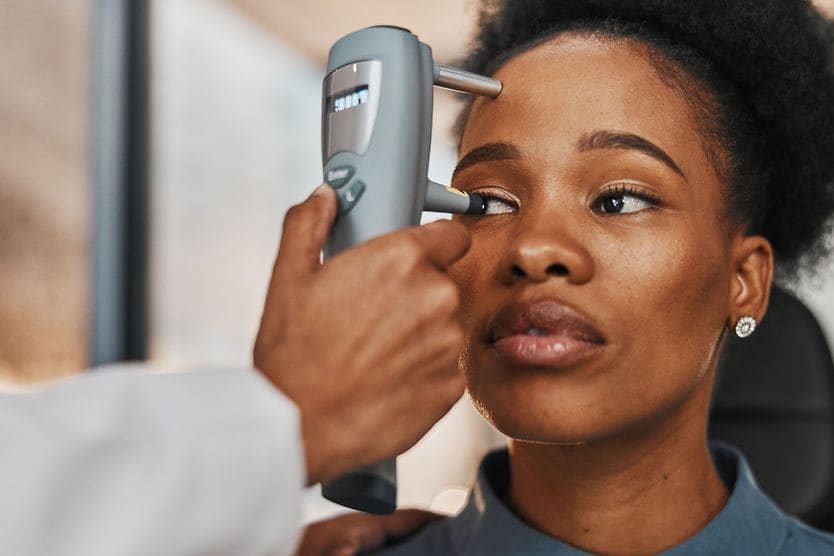
Eye doctors use an array of tests and instruments to evaluate the eyes. Some of these tests can reveal eye-related signs that may suggest high cholesterol levels, such as:
Comprehensive eye exams
Comprehensive eye exams include various tests that allow eye doctors to examine the different parts of the eye and assess vision. The portions of an eye exam that can help them spot signs of high cholesterol include:
- External eye exam – High cholesterol doesn’t usually cause eye-related symptoms on its own, but it can lead to visible signs, such as xanthelasma and arcus senilis. Your eye doctor may be able to tell if you if you are at risk of having high cholesterol by recognizing these findings when examining your eyelids, the whites of your eyes and other external eye structures. Blood work will be needed to confirm cholesterol status.
- Pupil dilation – Special drops are placed into the eyes to widen the pupils. This gives eye doctors a wider and clearer view of the eye structures, including the retina and optic nerve.
- Fundus photography – A special camera is used to take pictures of the fundus (the back of the eye). Eye doctors use these images to further evaluate the retina, macula and other tissues.
- Ophthalmoscopy – This technique allows eye doctors to see blood vessels and other structures in the back of the eye in greater detail.
Other eye tests
In addition to tests commonly performed during a comprehensive exam, eye doctors may use advanced imaging techniques to identify signs of high cholesterol and other conditions. These may include:
- Optical coherence tomography (OCT) – This technique produces cross-sectional images of the retina, allowing eye doctors to examine the layers of the retina in greater detail.
- Optical coherence tomography angiography (OCTA) – This technique captures images of the retinal blood vessels and how blood flows through the retina and surrounding areas.
- Fluorescein angiography (FA) – A special dye is administered into the bloodstream, usually through a vein in the arm. Pictures of the eyes are taken as the dye moves through the blood vessels in the eye, allowing eye doctors to check for blockages.
If your eye doctor notices signs of high cholesterol or other systemic conditions during an eye exam, they will likely refer you to your medical provider for further evaluation.
Prevention and management of cholesterol-related eye conditions
A wide range of factors can impact cholesterol levels, from diet and lifestyle habits to age and family history. Managing these levels is an important part of protecting your overall health, including your eyes. You may be able to help prevent or reduce high cholesterol — and potentially lower the risk of related eye conditions — by putting a few key steps into action.
Foods and supplements for cholesterol management
Knowing what foods can help and harm your cholesterol levels is often helpful in managing this aspect of health. Foods high in saturated and trans fats may play a role in increasing cholesterol levels. These include foods like full-fat dairy products, fatty meats and many processed foods, among others. Limiting the consumption of these types of foods may help prevent or lower your cholesterol.
Eating foods that are typically low in saturated and trans fats, added sugars and salt may also help with cholesterol management. This often includes foods, such as:
- Fruits and vegetables
- Fat-free or low-fat milk, yogurt and cheese
- Whole grains
- Lean meats
Other foods that may help prevent and lower high “bad” cholesterol levels include:
- Fish
- Beans
- Lentils
- Oatmeal
- Avocados
- Olive oil
- Canola oil
- Nuts
Your health care provider can provide you with additional dietary information and help you create a nutrition plan ideal for your health and needs.
A number of dietary supplements are marketed as having cholesterol-lowering effects. While some products may lower cholesterol, many have not been proven to provide this benefit or are not appropriate for everyone. Some supplements can potentially interact with certain medications and even other supplements, or have other negative side effects.
It is very important to talk to your health care provider before taking any supplements.
The importance of healthy lifestyle changes
Adopting healthy lifestyle habits can also help manage cholesterol levels in the body. This includes:
- Exercising regularly
- Maintaining a healthy weight
- Quitting or avoiding smoking
- Limiting alcohol consumption
Medical treatments for managing cholesterol
Medications are often prescribed to help reduce and maintain cholesterol levels. Some of the medications commonly used include:
- Statins – Can decrease the amount of cholesterol the liver produces. These drugs also help the liver remove LDL cholesterol from the bloodstream.
- Cholesterol absorption inhibitors – Can help lower LDL cholesterol.
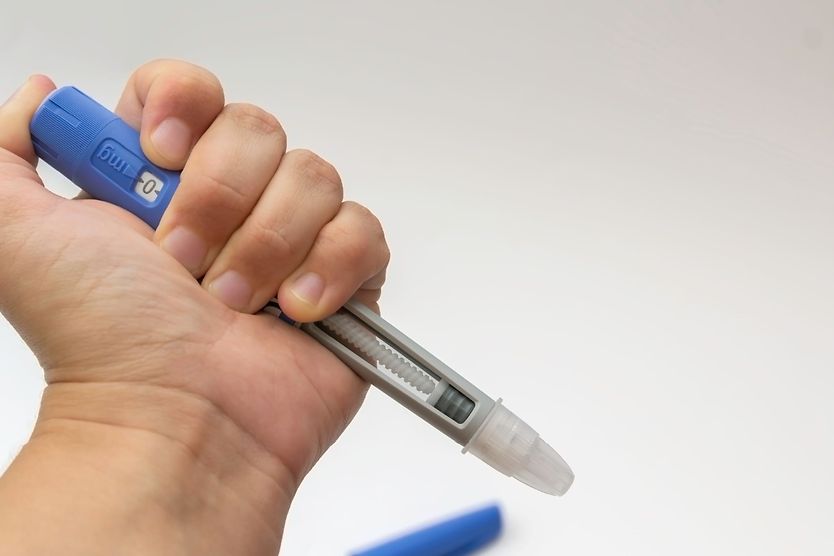
- Proprotein convertase subtilisin/kexin type 9 (PCSK9) inhibitors – Can help the liver remove LDL cholesterol from the body by blocking the PCSK9 protein. These drugs are injected beneath the skin.
- Bile acid sequestrants (resins) – Can help prevent the absorption of bile acids, which help digest fats. The liver then makes more bile acids, which help to reduce LDL cholesterol levels.
- Niacin – A type of B vitamin sometimes used as a cholesterol-lowering medication. It can decrease the amount of LDL cholesterol and triglycerides produced by the liver.
- Fibrates – Can help reduce triglycerides in the blood. These substances may also increase “good” (HDL) cholesterol and reduce “bad” (LDL) cholesterol levels.
There are newer options for people who can’t reach their cholesterol goals with the medications in this list or can’t tolerate statins. These include an oral ATP-citrate lyase inhibitor, which lowers the amount of cholesterol the liver makes and a twice-yearly injectable therapy that uses small interfering RNA (siRNA) to reduce the liver’s production of the PCSK9 protein.
In some cases, doctors may prescribe a combination of medications.
The role of regular eye exams
Attending yearly comprehensive eye exams — or as frequently as your eye doctor recommends — is important for your eye health, vision and general health. Eye exams can reveal signs of over 270 systemic health problems, including high cholesterol.
Your eye doctor may provide more information about the health of your eyes and high cholesterol during your eye exam.
When to seek professional help
It is important to seek professional care if you have concerns about your cholesterol levels or your risk of developing high cholesterol. Routine cholesterol screenings are essential, as they allow your doctor to track your cholesterol levels over time. This information can help determine if you might be at risk for other cholesterol-related health conditions. It may also help detect issues before they lead to more serious complications.
Talk with your primary care provider if you:
- Suspect you may have high cholesterol
- Have already been diagnosed with high cholesterol
- Have risk factors for high cholesterol (such as a family history or diabetes)
See your eye doctor if you notice signs of cholesterol-related eye conditions, such as xanthelasma or arcus senilis. If signs of high cholesterol are detected, your eye doctor will likely advise you to follow up with your primary care provider for further testing and management. Your eye doctor may also provide additional details on how high cholesterol can affect your eyes and vision.
Protect your vision through cholesterol management
High cholesterol can affect the body in many ways, including the eyes. Staying proactive with routine eye exams and medical checkups can help protect your vision and overall health. Managing cholesterol levels under the guidance of your medical provider can also benefit your eye health and potentially reduce your risk of eye-related conditions.
If you notice any changes in your eyes or vision, or have been diagnosed with high cholesterol, contact your eye doctor right away to schedule a comprehensive eye exam.
READ NEXT: What your eyes can tell doctors about your heart health