Hormones may affect your vision. Here's what women should know

Hormones in flux? Your eyes may be too
If you’re pregnant, in perimenopause or menopause, you might have noticed your eyes feel different. It may surprise you to learn that hormones do more than regulate reproduction. They can affect how clearly you see the world. Levels of estrogen, progesterone and testosterone fluctuate throughout a woman’s life, influencing the eyes’ tear production, internal eye pressure and more.
Research on hormones and overall health is starting to increase. However, the link between eye health and hormone changes is often misunderstood or overlooked.
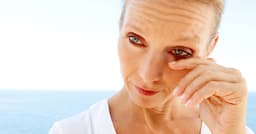
That disconnect concerns Janelle Davison, OD, a dry eye and ocular aesthetics specialist and founder and clinical director of the Visionary Dry Eye Institute in Georgia. She sees it often in her practice: women who have quietly adjusted to worsening symptoms such as reduced contact lens tolerance and gritty or red eyes.
“The eyes do not live on an island,” Dr. Davison said. “They’re aging just like the rest of your body.”
“Think of your body like a car,” she said. Each decade, something new needs attention: the brakes, the timing belt, the fluids. The eyes are no different, and they can start changing earlier than most women realize.
Shifting hormones in your 20s, 30s and 40s
Hormonal changes begin with puberty and continue through the reproductive years. Many women don’t realize those changes can impact the thin moisture layers in the eyes called the tear film. This affects how well your contact lenses fit, even if you don’t experience any obvious hormone problems. It’s during these reproductive years in particular that women may begin to notice symptoms they never had before.
- Contraceptives and IVF – For women on hormonal contraceptives or in fertility treatments, eye changes can be more noticeable. Some research suggests hormonal contraceptives may increase the risk of dry eye disease (DED), though the evidence is mixed and the relationship isn't fully understood.
- Pregnancy brings its own hormonal surge – Corneal thickness and curvature can change temporarily, causing blurred vision or shifts in prescription. For this reason, corneal refractive surgeries to correct vision problems such as LASIK (laser-assisted in-situ keratomileusis) are not recommended during pregnancy or while breastfeeding.
- Dry eye and meibomian gland dysfunction (MGD) are common during pregnancy – Rising hormone levels can interfere with the meibomian glands that produce the oily layer of your tears. For women who breastfeed, studies suggest symptoms may persist or worsen until hormone levels stabilize, which can take three months or more after weaning.
Most pregnancy-related vision changes resolve when hormones are balanced again. However, if you notice sudden or severe changes, like significant floaters, flashing lights or major blurring, it is recommended to call your doctor right away. These could indicate serious issues, such as preeclampsia, a serious blood pressure condition that can occur during pregnancy.
Menopause and hormones: It’s complicated
Menopause — the permanent end of menstruation and fertility — is universal, and so is the hormonal shift that comes with it.
A 2024 study found that about 75% of women face hot flashes during the menopausal transition. Other symptoms may include brain fog, weight gain, dry eyes and night sweats. The transition from perimenopause through menopause could last four to 10 years. Yet, fewer than 1 in 4 women had these symptoms noted in their health records, which suggests a care gap.
Hormone replacement therapy (HRT), also known as hormone therapy, popularized in the 1960s to manage symptoms as well as prevent bone loss and fractures. It remains the most effective treatment for hot flashes and night sweats, the hallmark symptoms of menopause. But for a long time, it was an underutilized solution.
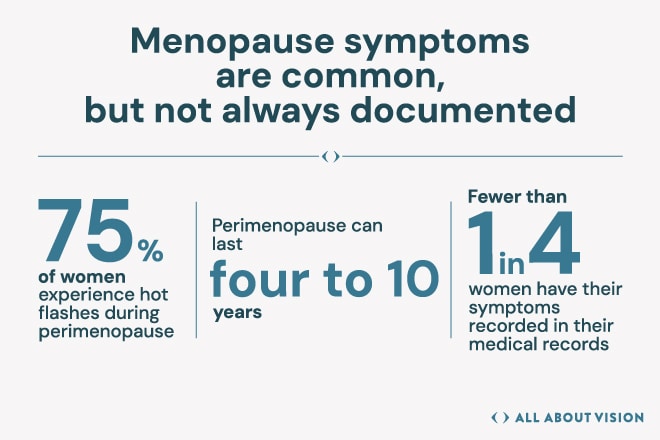
Sources: Management of the perimenopause. Clinical Obstetrics and Gynecology. 2018.
Addressing menopause symptoms in the primary care setting: opportunity to bridge care delivery gaps. Menopause. December 2024.
In 2003, the Food and Drug Administration (FDA) added a black box warning for hormone therapy prompted by the results of the Women’s Health Initiative (WHI), citing concerns over links to chronic diseases.
Research conducted since the WHI has shed light on how timing, formulation and delivery route may affect hormone therapy's risks and benefits. The FDA's 2026 labeling update removed risk statements related to cardiovascular disease, breast cancer and probable dementia (the boxed warning for endometrial cancer on systemic estrogen-only products remains ).
Stephanie Faubion, MD, director of the Mayo Clinic Center for Women’s Health and medical director of the Menopause Society, noted that this change has not sparked broader discussions about the label instructions for hormone therapy in a clinical setting. What's needed are new, large-scale randomized trials to establish whether hormone therapy protects against dementia or heart disease. “That goes beyond what current evidence supports,” she said.
Perimenopause, menopause and dry eye
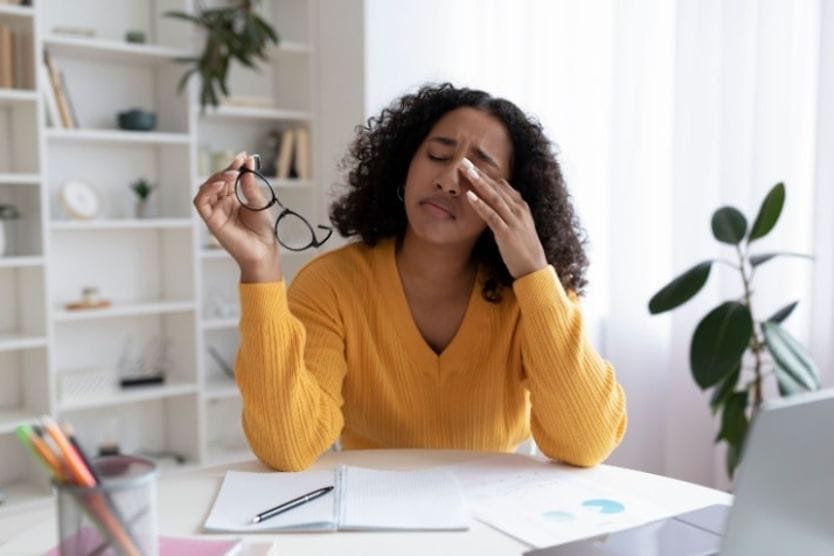
Dry eye symptoms can start in perimenopause, usually in a woman's 40s and not just after periods end, Dr. Davison said. In her practice, she sees women whose contact lens wear time drops from 10 or more hours a day to just a few hours by the middle of afternoon, due to discomfort. Artificial tears that once provided relief may no longer be enough.
At the 2025 Menopause Society conference, data was presented that found symptoms of DED in 57% of postmenopausal versus 53% of premenopausal women. It’s a meaningful gap that researchers say eye doctors should be screening for more routinely.
Two types of dry eye — and why it matters
The clearest hormonal connection to dry eye involves androgens (steroid hormones, including testosterone) rather than estrogen.
- Evaporative dry eye is the most common form of the condition. Testosterone helps regulate the meibomian glands, the tiny oil-producing glands that line the eyelid margins. Their job is to coat the surface of the tear film and slow evaporation. When androgen levels drop, these glands may produce less oil or lower-quality oil, causing the tear film to break down more quickly.
- Aqueous-deficient dry eye happens when the lacrimal glands, tucked beneath the outer corner of the upper eyelid, don't produce enough of the watery component of tears.
Both types can overlap and cause similar symptoms — grittiness, redness, burning — but they respond to different treatments. That’s why a DED evaluation matters before reaching for over-the-counter eye drops.
Estrogen’s role is more complicated. Research suggests that estrogen and androgens may oppose each other in the meibomian glands. However, the data on how estrogen affects tear production is still early and mixed, Dr. Davison notes.
Dry eye treatment options
Treatment varies depending on type and severity. For more complex cases, a dry eye specialist can tailor a treatment plan.
For evaporative dry eye related to meibomian gland dysfunction, warm compresses, lid hygiene and in-office procedures that can help unblock and express the glands may help.
For aqueous-deficient dry eye, options include preservative-free lubricating drops, punctal plugs (tiny devices inserted into the tear ducts to help retain natural tears) and prescription anti-inflammatory drops that stimulate tear production.
For women on hormone therapy, the formulation may matter; meaning, the route of delivery appears to make a difference. Oral estrogen may carry a higher dry eye risk than transdermal forms, such as patches or gels, though more study is needed, noted Dr. Faubion. Women who develop dry eye symptoms while on HRT might discuss formulation options with their prescribing eye doctor.
READ MORE: Dry eyes and menopause
More to learn and understand
As researchers continue to study the relationship between a woman’s hormones and her eyes, new information may help fill in some of the blanks.
- Emerging research hints at a possible association between lower estrogen levels and eye pressure changes, a risk factor for glaucoma — but it’s critical to note that this link is preliminary and not yet well established. Glaucoma is also shaped by age, ethnicity and family history.
- Studies suggest a link between age-related eyelid laxity and more severe dry eye symptoms. As lid tone decreases, blinking becomes less complete, the meibomian glands can't fully do their job and dryness worsens.
What you can do at every stage
It’s easier to manage the potential effects of hormones on your eye health when your health care providers understand the complete picture.
- It is recommended to inform your eye doctor whenever your hormones are in flux. Taking contraceptives, undergoing fertility treatment, being pregnant or postpartum and entering perimenopause or menopause may all affect your eyes.
- Don’t write off symptoms. Gritty, scratchy or red eyes that aren’t improving with drops, or contacts that have become harder to wear, are worth mentioning to your eye doctor.
- Be direct with your eye doctor: “I’ve just been told I’m in perimenopause. What should I watch for with my eyes?”
- See a specialist if symptoms persist. Not all eye doctors focus on ocular surface disease or meibomian gland dysfunction. Ask for a referral if general care isn’t providing symptom relief.
“The more you tell, the more we can help you navigate how those things can affect your overall eye health,” Dr. Davison said.