Know before you go: The potential effects of cosmetic treatments on your eyes

If you’ve turned to botulinum toxin injections, dermal fillers, eyelash lifts, tints or extensions to help you look your best, you may have booked an appointment without thinking twice about how subtle changes to the skin around your eyes, particularly your delicate eyelids, could impact your vision health.
It’s time to think again. Here’s what you need to know before your next appointment.
Your eyelids protect your eyes and help keep them lubricated. Anything that interferes with blinking or affects the tear ducts and glands may disrupt the tear film and potentially contribute to a condition called dry eye disease.
Dry eye that’s triggered by a procedure, medication or device is known as iatrogenic dry eye. If it is acquired rather than inherited, it can impact people who have never had eye problems before.
“Your tear film is actually the first optical surface of the eye,” says Kambiz Silani, OD, an optometrist with Beverly Hills Optometry in Beverly Hills, California. “Think of it almost like the first lens that light passes through. When the tear film is smooth and stable, vision is clear. When it begins evaporating too quickly, the optical surface becomes irregular.”
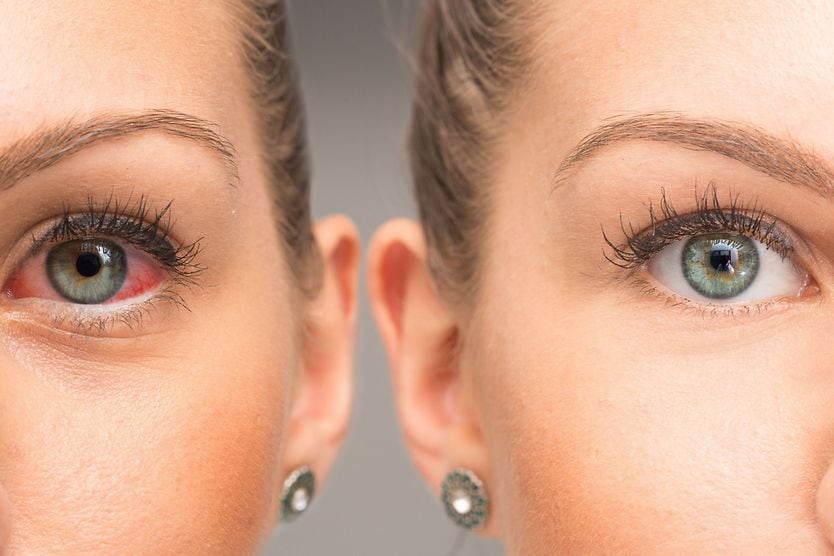
Dry eye disease may lead to pain, discomfort and vision difficulties, explains Yuna Rapoport, MD, an ophthalmologist at Manhattan Eye in New York City. “If you have dry eye symptoms, you may experience fluctuating vision problems, such as blurriness or a veil over your vision that improves after blinking. You may also have burning, itching, irritation, excessive tearing and eyelid redness.”
If left untreated, dry eye disease could eventually cause permanent damage to the cornea and even vision impairment.
All About Vision (AAV) spoke with Dr. Rapoport and Dr. Silani about how some cosmetic treatments can contribute to dry eye symptoms and what to ask your provider before an appointment.
AAV: How can botulinum toxin and fillers contribute to symptoms of dry eye?
Dr. Rapoport: Any cosmetic procedure that elevates your eyelid can prevent your eye from fully closing. That leads to literal drying out of the cornea. Those procedures can include eyelid lifts or botulinum toxin injections, if they are not done properly.
Dr. Silani: Botulinum toxin injections can affect the muscles responsible for blinking, particularly when it is injected around the crow’s feet or close to the eyelids. If the muscles of the eyelids become too relaxed, the patient may not blink completely or may not fully close the eye. Even a subtle incomplete blink can prevent the tears and oils from being properly spread across the surface of the eye and can increase tear film evaporation.
Filler in the lower eyelid can also cause swelling, edema or changes in the contour of the eyelid. If that interferes with proper blinking, it can indirectly contribute to exposure and tear-film instability.
While most of these effects are temporary, it is important to see an eye doctor if any of them occur for proper management.
AAV: How can cosmetic eyelash treatments like lifts, tints and extensions affect the tear film?
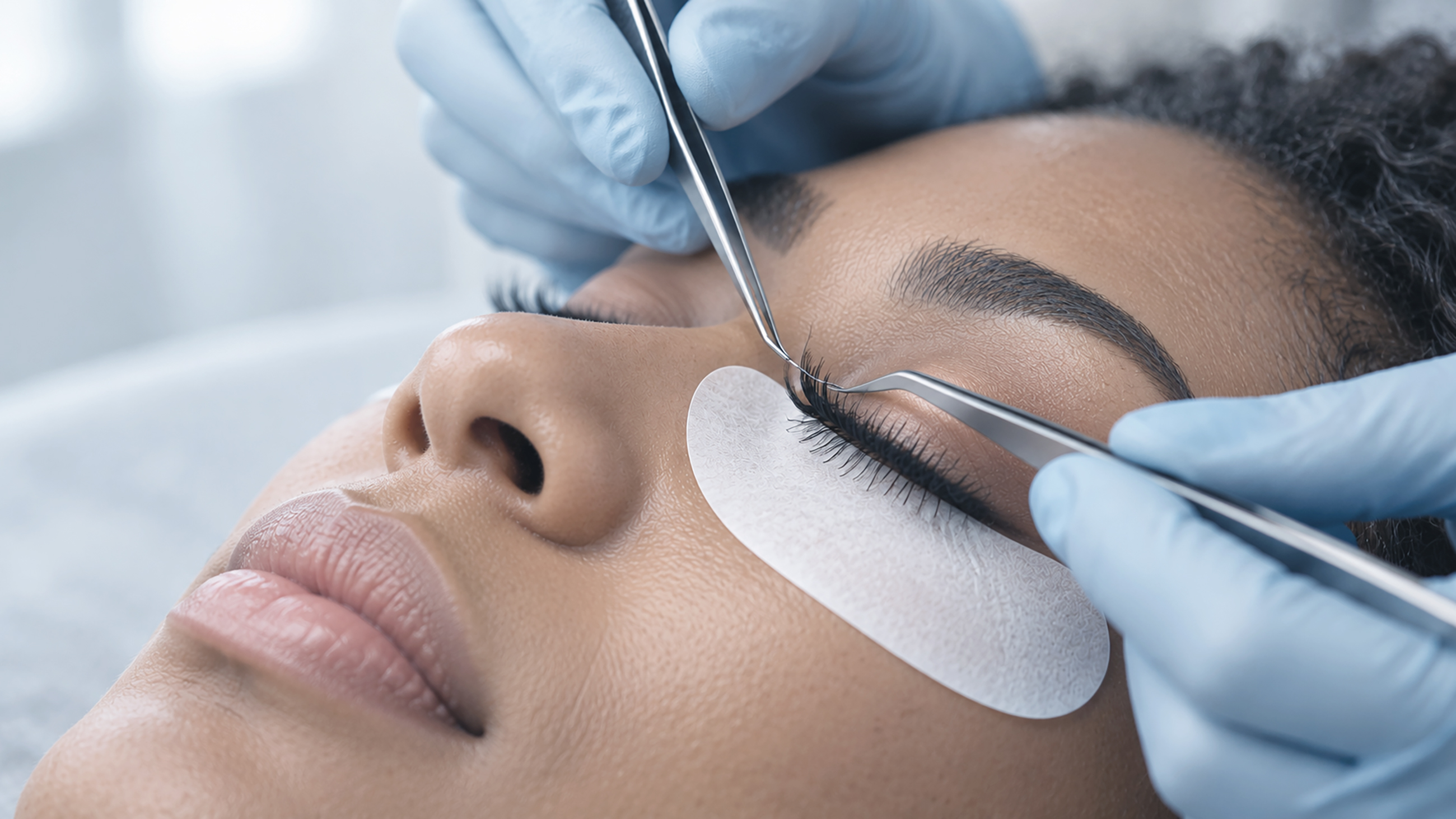
Dr. Silani: Our eyelashes and eyelids play an important role in protecting the ocular surface, so changing that environment can have negative consequences. With eyelash extensions, there are two main concerns. One is mechanical: Heavier or longer lashes can affect the way someone blinks and make eyelid hygiene more difficult. The second is chemical: Adhesives or glues are applied extremely close to the eyelid margin and can cause irritation or allergic inflammation.
Dr. Rapoport: Applying chemicals or adhesives along the edge of your eyelids, where your eyelashes grow, can clog your meibomian glands, which produce oils that stop tears from drying up too quickly. If these glands are not functioning properly, it can contribute to dry eye.
AAV: Are there other cosmetic treatments that can contribute to symptoms of dry eye?
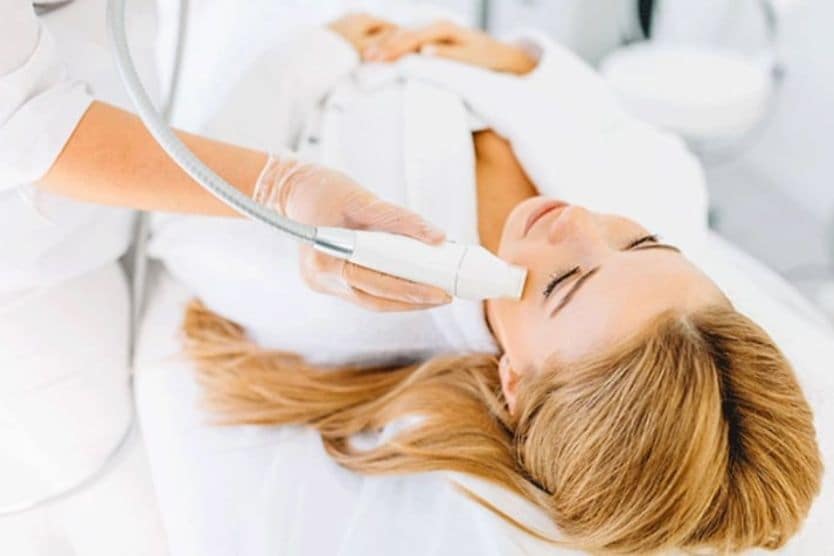
Dr. Rapoport: I'm seeing a lot of dry eye side effects from laser treatments that are performed without proper eye protection. These lasers are sometimes going over the eyelid skin, which is much thinner than the skin on the rest of the face.
If the laser penetrates the cornea, the clear dome that covers the eye, patients can develop inflammation of the cornea, called keratitis. This doesn't necessarily cause permanent damage, but it’s concerning. Some patients experience light sensitivity, tearing and other dry eye symptoms for up to a week. So if you are getting a skin resurfacing treatment using lasers, including CO2 lasers or fractional lasers, you need to make sure you wear intensive eye protection.
AAV: What are some of the other ocular complications that can result from these treatments?
Dr. Rapoport: The most serious risk of fillers is something called a central retinal artery occlusion (CRAO). This is basically a stroke in the artery that goes to your eye and can cause permanent vision loss. It's very, very rare, but it’s devastating if it happens. This complication is more often associated with under-eye filler. So if you're considering under-eye filler, look for a provider who is an expert in anatomy, such as an oculoplastic surgeon, rather than going to a med spa.
Editor’s Note: In a 2025 American Academy of Ophthalmology (AAO) review of 198 reported cases of filler-related vision loss, most followed injections in the nose, forehead or the area between the eyebrows, and cases were reported after injections across the face.
Dr. Silani: Filler can travel through the facial circulation and obstruct the ophthalmic or retinal circulation, potentially causing sudden and irreversible vision loss. The more common complications of filler around the eyes are swelling, bruising, persistent edema, lumps, contour irregularities and migration.
With botulinum toxin injections, we can see eyelid drooping, incomplete eyelid closure, altered eyelid position, exposure of the cornea and occasionally double vision.
With lash extensions or lifts, complications can include allergic blepharitis, conjunctivitis, keratoconjunctivitis, chemical injury, corneal epithelial defects, inflammation and sometimes infection.
AAV: What questions should people ask their medical provider or aesthetician before an appointment?
Dr. Silani: Patients should share any pre-existing eye condition before a treatment.
- For botulinum toxin injections or filler, consider asking: Who is performing the procedure? What is their training and experience treating the area around the eyes? What product are they using, where will it be injected and what ocular complications should I be aware of?
- For eyelash treatments, consider asking: What adhesive or chemicals are being used? How are the instruments sanitized? How close are the products being placed to the lid margin? What will they do if a product accidentally gets into the eye?
If someone already has significant dry eye, it may be worthwhile to have the ocular surface evaluated before undergoing these cosmetic treatments around the eyelids and eyelashes.
Dr. Rapoport: If you are getting a laser treatment, make sure you ask about eye protection. If you are booking an eyelash treatment, make sure you go to somebody who is very careful about where they are placing the chemicals and adhesives. If the treatment is done improperly, those chemicals can get onto the cornea and cause temporary inflammation and redness.
Even if the treatment is done carefully, you may still have some meibomian gland dysfunction and clogging. So, don't do it frequently. Give your eyelids and your eyelashes a break between treatments. And go to a place that is obviously clean, sterile and using quality products.
AAV: What are the signs that you should see an eye health professional after a cosmetic treatment?
Dr. Rapoport: Your cornea is densely packed with nerve endings, so the symptoms of irritation usually aren’t subtle. If your eye is tearing or you can't keep your eye open, it's better to have an eye professional check it out. You may need a prescription for a steroid, anti-inflammatory or antibiotic.
The symptoms of chronic meibomian gland dysfunction, which can be caused by lash serums, may be less obvious. The point of these glands is to support a regular tear film. If they’re not functioning properly, you may feel like you’re looking through a dirty windshield or have visual fluctuation. Developing styes or seeing prominent blood vessels on your eyelid are also signs that you may have a problem.
Dr. Silani: If there’s a little temporary irritation that resolves quickly, that may simply be related to the procedure. But I wouldn’t ignore persistent or worsening symptoms, such as:
- Eye redness
- Burning sensation
- Foreign-body sensation
- Excessive tearing
- Light sensitivity
- Eye pain
- Sudden vision change
- Eye discharge
- Eyelid swelling
- Difficulty completely closing the eye
- Fluctuating or blurry vision
When something goes wrong
Call 911 or go to an emergency room right away rather than waiting for an eye appointment, if during or soon after a filler injection you notice the following:
- acute vision loss
- severe pain,
- skin near the injection site turning white, gray or blue
- signs of stroke, such as face drooping, arm weakness or trouble speaking
If lash glue, tint or lifting solution gets into your eye, it’s recommended you immediately rinse it right away with plenty of clean water, then get urgent eye care. Injuries are more severe when rinsing is delayed.
The bottom line: Make sure you choose reputable, sanitary facilities and trained professionals for cosmetic procedures, particularly around your eyes. And contact your eye doctor immediately for any concerns or symptoms that won’t go away.
Disclaimer: The U.S. Food and Drug Administration (FDA) considers dermal filler injection a medical procedure, not a cosmetic treatment. They have approved each type of filler only for specific areas of the face. Botulinum toxin products are prescription drugs approved for specific cosmetic uses, such as frown lines and crow’s feet. Permanent lash and brow dyes have caused serious eye injuries in the past, including blindness, and the FDA permits only one color additive for professional lash and brow tinting.