What you need to know about the rising rates of dry eye disease


Why do so many people seem to have symptoms of dry eye?
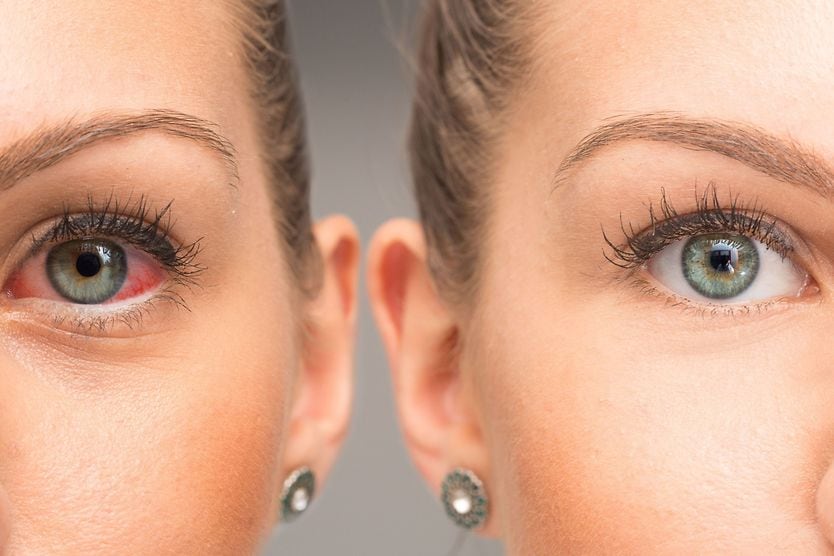
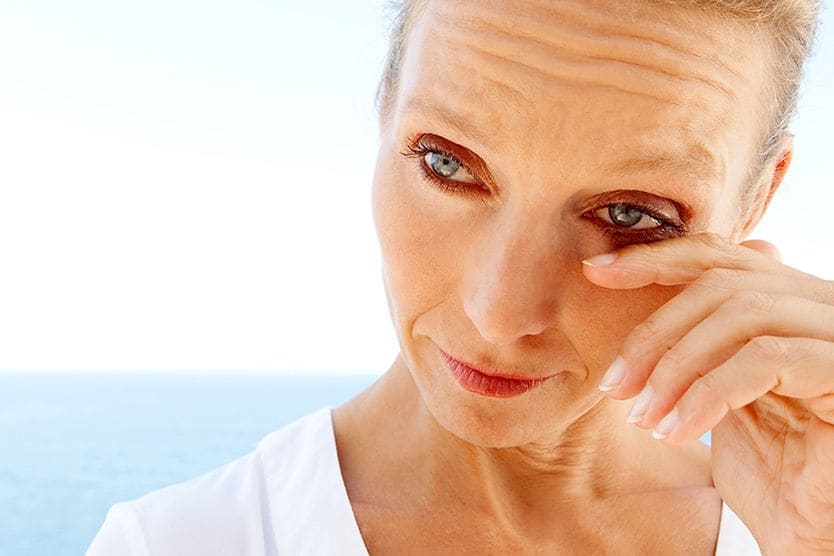
You’ve been hard at work on the computer and by 4 p.m. your eyes feel like you’ve been walking through the desert into the wind. You blink hard twice and the screen briefly comes back into focus, only to blur again a few minutes later. It’s like grit under your eyelid, the kind you can't blink away.
The likely culprit: staring at the screen all day. More precisely, you were so locked in that you forgot to blink at the rate your eyes need. And you've got company. Your officemate is going through rewetting drops like they're water. Your supervisor sits at her desk with her eyes shut tightly, waiting out the dry, stinging feeling that's so common with dry eye disease (DED).
It's not just heavy screen users. Eye doctors are hearing complaints of dry eye symptoms from people in their 20s who've never had an eye problem before. They hear it from people who have never touched a bottle of lubricating eye drops in their lives. They also hear it from contact lens wearers, postmenopausal women, people on allergy medications and those with certain underlying eye or health conditions.
So what's behind this phenomenon? There's no single answer. Screens are part of the problem, as is getting older. Contact lens wear, medications, and some conditions can cause DED too. And some of the apparent rise is increased awareness. More people now recognize the symptoms and bring them up with a doctor.
In fact, recent estimates suggest that roughly 10% to 20% of people over 40 have dry eye symptoms. It’s more than a nuisance. DED can blur vision and make everyday tasks like reading, driving and long stretches at a computer more difficult. The condition has also been linked to lost focus and reduced productivity at work.
The thousandths of a millimeter shield
Your eyes stay comfortable and your vision clear largely because of a thin layer of fluid, only a few thousandths of a millimeter thick, called the tear film. It sits between your nerve-rich cornea, the clear, thin tissue at the front of the eye, and everything a windy afternoon, air-conditioned office or eight hours in front of a screen can throw at it.
It helps to think of the tear film as layered, although it is not so much like layers of cake as cream poured into coffee, swirling and blending rather than sitting in neat, separate bands. The outer part is an oily layer that prevents your tears from evaporating quickly. A watery middle layer, the thickest of the three, helps hydrate the surface. And a thin inner layer of mucus helps the tear film spread evenly across the cornea.
One reason the tear film can become destabilized is when the oil layer produced by the meibomian glands lining the eyelids is disrupted. When those glands stop working properly, a condition called meibomian gland dysfunction (MGD) can result. When someone has MGD, the oily layer thins, resulting in rapid tear evaporation. This type of dry eye is called evaporative dry eye. Dryness follows, even though the eye is still producing plenty of the middle watery layer.
When the eyes aren't producing enough of the middle watery layer, it is called aqueous-deficient dry eye. The glands that produce this hydrating layer don't make enough of it. The oil and mucus layers can be working exactly as they should, but without enough of the watery middle layer, the whole tear film becomes thin and unstable.
How dry eye became an official disease
For a long time, DED was referred to as dry eye syndrome. Then, in 2007, a leading group of eye researchers got together and formally defined dry eye as a disease in its own right, caused by, among other factors, an unstable tear film.
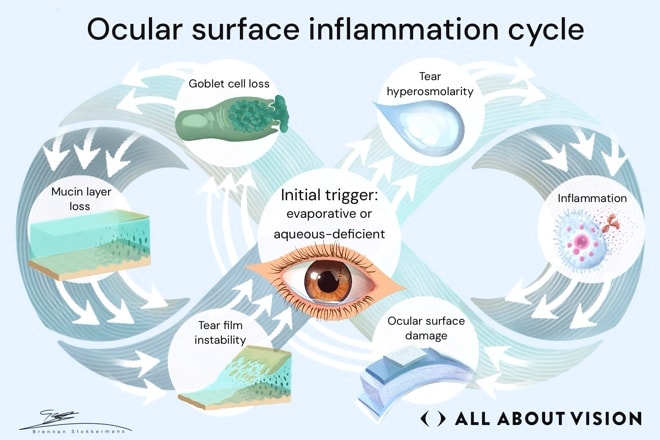
That definition held for a decade, but the research keeps evolving. A larger effort followed in 2017 and then in 2025, drawing on 18 years of new findings. This update said dry eye results from a breakdown in the balance of the eye’s tear film, which doctors call homeostasis. This triggers tear instability, increased salt concentration, irritation and inflammation.
That cascade of issues can start from more than one place. That's why eye doctors don't treat DED as a single problem with a single fix. Most patients don't fit neatly into one category. The 2017 update kept the dry eye categories but acknowledged this nuance.
What is behind dry eye disease?
DED is a spectrum, more like dimmer settings than an on-off switch, and several underlying factors are thought to cause or worsen it.
Age
As we age, tear production normally decreases. As a result, DED is common in people over age 55. A large U.S. study that drew on medical claims data from nearly 10 million people for more than a decade found that dry eye became steadily more common in an aging population. The number rose from a small fraction of children to nearly 12% of adults over 50. The same data showed new diagnoses climbing too, with the steepest rise among people in that older age group.
Screens
Most people don't realize they've stopped blinking properly until their eyes start to sting. A blink isn't simply a reflex. It's how your eye stays comfortable and moist, spreading a fresh layer of tears across its surface each time. Digital screen use diminishes that reflex, often without you noticing.
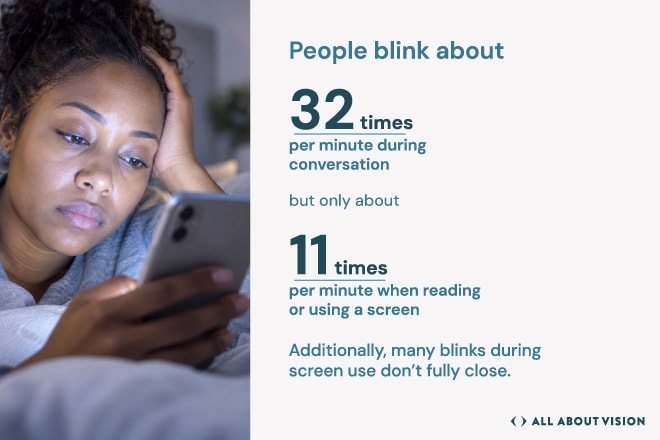
In a 2023 study that measured blinking in real time, people blinked about 32 times per minute during conversation but only around 11 times per minute while reading or using a screen. The drop in blinking set in within a minute of starting these tasks.
It's not just how often you blink. It's also how well. Many blinks during screen use don't fully close, so they don't fully refresh the eye's surface. One study found that people blink incompletely more often when playing video games or reading on digital screens than when reading printed material. Each unfinished blink leaves the tear film a little less refreshed, and over hours of screen time, that adds up to the dry, gritty feeling so many people experience.
Increased awareness
Part of the rise in DED cases may simply be due to greater awareness. As more people learn that it’s something a doctor can treat, more people are going to the eye doctor for evaluation, rather than just living with it.
Additional factors
Being female
Women are generally more likely to have DED than men. This is thought to be caused by hormonal changes. Cosmetics may also be a factor, as eyeliners and other makeup debris can disrupt the tear film's balance.
Contact lens wear
In a large, long-running study, current contact lens wearers under 50 had more than double the odds of dry eye symptoms compared with people who'd never worn lenses. Because contact lenses sit directly on the tear film, they can disrupt its balance in some people, particularly if the lenses do not fit correctly.
Blepharitis
The eyelids can become red, swollen and crusted at the lash line, a condition called blepharitis. It may occur due to an underlying skin condition that causes irritation, an infection or clogged oil glands. It is one of the more common eyelid problems that eye doctors see and is often associated with DED symptoms.
Demodex blepharitis
Sometimes dry eye symptoms trace back to tiny mites called Demodex. In many people, these mites are present at the base of the eyelashes and will increase as a person ages. Demodex mites can overgrow and clog the meibomian glands that produce the tear film's oily layer, causing blepharitis, meibomian gland dysfunction and dry eye disease.
Some medications
Dry eye can also be a side effect of certain medications, including antihistamines, some heart medications, diuretics, birth control pills, tranquilizers and ulcer medications.
Some eye drops, such as glaucoma medications, have also been linked to worsening of dry eye symptoms, often due to preservatives, such as benzalkonium chloride (BAK), which can irritate and inflame the eye’s surface. Sometimes the medication itself reduces tear production.
Underlying health conditions
DED can sometimes be a sign of an underlying eye health or systemic condition. Sjögren’s disease, an autoimmune condition that attacks the glands responsible for producing tears and saliva, often shows up first as DED. It belongs to a broader group of autoimmune conditions associated with dry eye, including rheumatoid arthritis, systemic lupus erythematosus and thyroid eye disease.
Thyroid disease and diabetes are each independently linked to dry eye. Less commonly, so are Parkinson's disease and a few other neurological conditions. Skin conditions such as rosacea and eyelid eczema can also contribute to dry eye symptoms.
Environment
Environmental triggers can cause sudden dry eye symptoms. Low humidity, wind, air conditioning, air travel and cigarette smoke all make tears evaporate faster. These are risk factors on their own, separate from age and screen use.
Eye surgery
Refractive surgery has become more common, and cataract surgery more accessible. Eye surgery often involves small incisions on the eye's surface, which can irritate nerves and trigger inflammation that interferes with how the tear film and eyelid work together. The eye drops used before, during and after surgery can also cause irritation and dry eye symptoms.
What you can do
Many people can ease dry eye symptoms with a few simple steps. Blink deliberately while you're focused on a screen. Use over-the-counter artificial tears and apply a warm compress to help open clogged glands. Avoid known triggers when you can, such as wind, dust and leaf mold, cigarette smoke, or air vents blowing directly on your face.
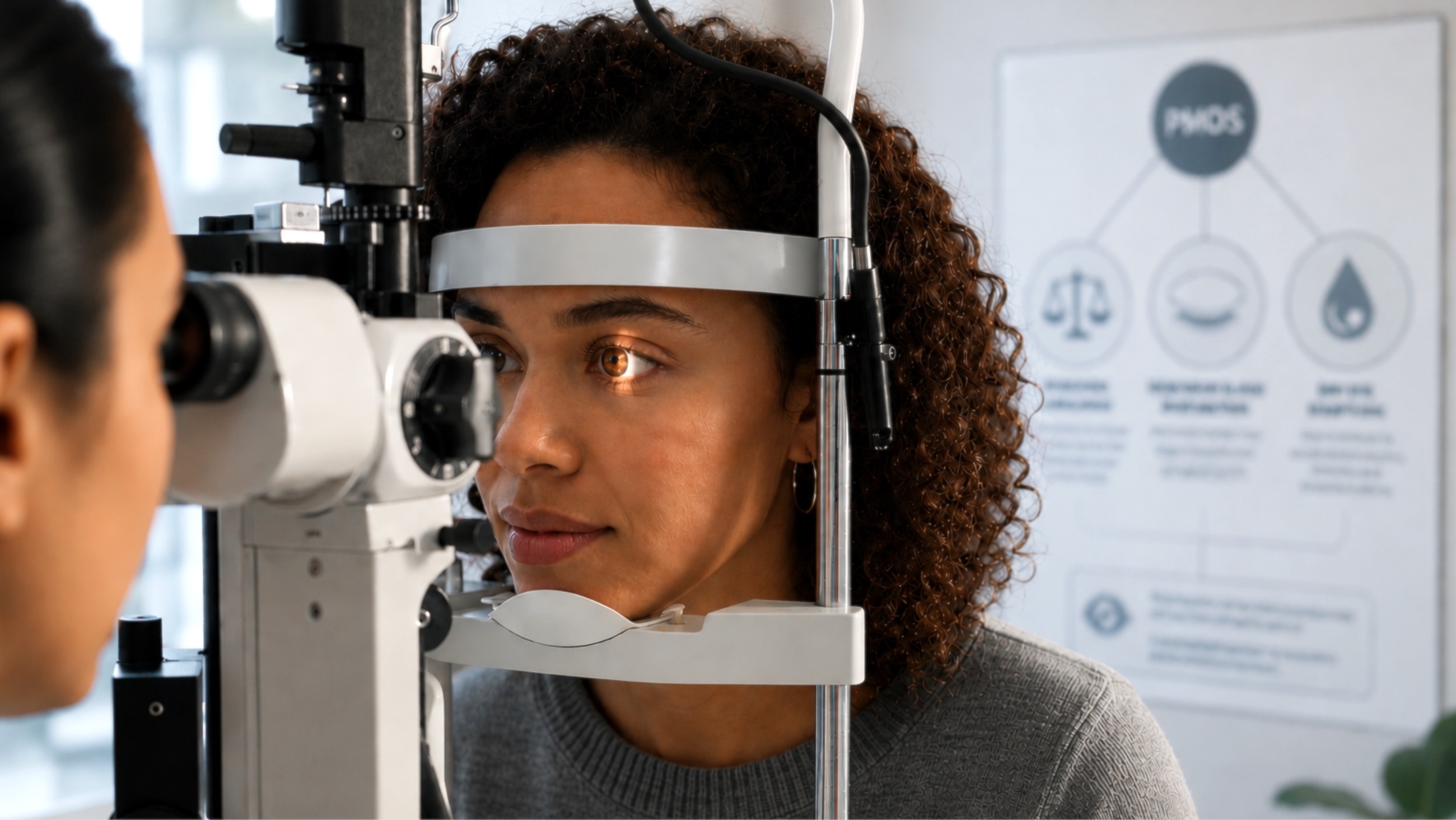
If your symptoms don't improve or they get worse, it's time to schedule an appointment with an optometrist or ophthalmologist. An eye doctor can determine the underlying cause(s) and prescribe appropriate treatment options. Some symptoms call for prompt attention rather than waiting it out. See an eye doctor right away if you have eye pain, strong sensitivity to light, sudden or worsening changes in your vision, discharge, or redness that won’t settle. These issues could signal a problem beyond dry eye.
And if your officemates look like they're suffering from gritty and stinging eyes too, tell them to make an appointment of their own.