Anisocoria: When the pupils are different sizes

What is anisocoria?
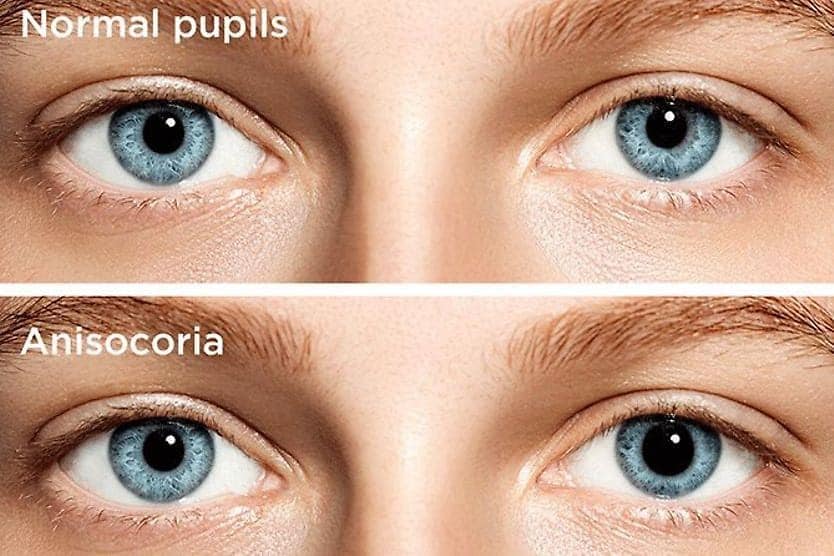
Anisocoria is the medical term for having pupils of different sizes. One may be bigger or smaller than normal, causing the pupil sizes to appear unequal. While this can be harmless and no cause for concern, it could also indicate a serious medical condition that requires prompt care.
If you have a sudden change in pupil size, seek emergency care immediately, as this could be a sign of a potentially life-threatening health problem.
What does the pupil do?
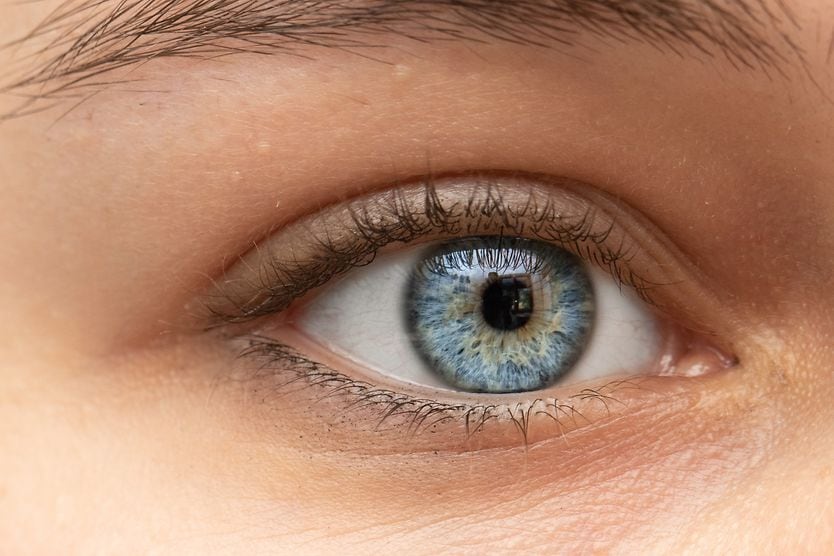
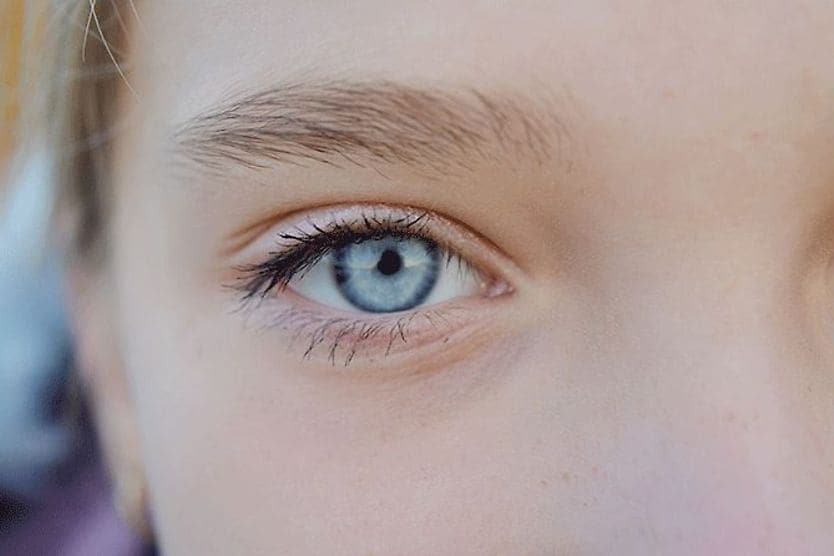
The pupil is the dark circle in the middle of your iris (the colored portion of the eye). It controls the amount of light that enters your eye, helping you to see. The pupil becomes larger in dim environments to allow more light to enter the eye. It becomes smaller in bright conditions to reduce the amount of light that enters.
Is it common for one pupil to be bigger?
Anisocoria, pronounced “an-eye-so-CORE-ee-ah,” is relatively common and can affect people of all ages. In some cases, it can be normal to have pupils that are slightly different in size.
Some people may be born with pupils of different sizes (congenital anisocoria), while others may develop it later in life due to various factors.
Does anisocoria cause any symptoms?
On its own, having one pupil bigger than the other typically doesn’t cause any symptoms. However, pupil enlargement can lead to light and glare sensitivity. It can also make it more difficult for your eyes to focus on nearby objects.
A difference in pupil size can be a sign of a more serious concern, especially when it appears alongside other signs and symptoms.
What causes pupils to be different sizes?
The causes of anisocoria generally fall into four main categories:
Natural variations
Simple anisocoria — also called essential or physiologic anisocoria — is the most common variation and typically occurs in otherwise healthy pupils. It’s usually benign (harmless) and affects approximately 20% of the population.
In simple anisocoria, the difference in pupil size is usually 1 millimeter (mm) or less, and both pupils react normally to light. Its presence does not appear to be influenced by factors such as age or sex.
Experts aren’t exactly sure what causes simple anisocoria. In some cases, it’s present at birth (congenital). When it develops during childhood, congenital defects involving the iris may play a role. This type of anisocoria may appear and disappear, persist long-term or go away on its own.
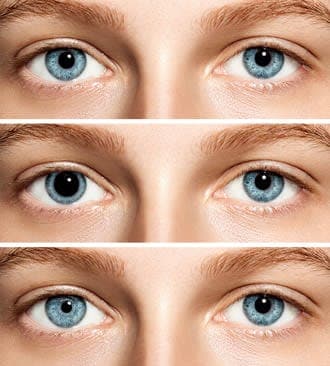
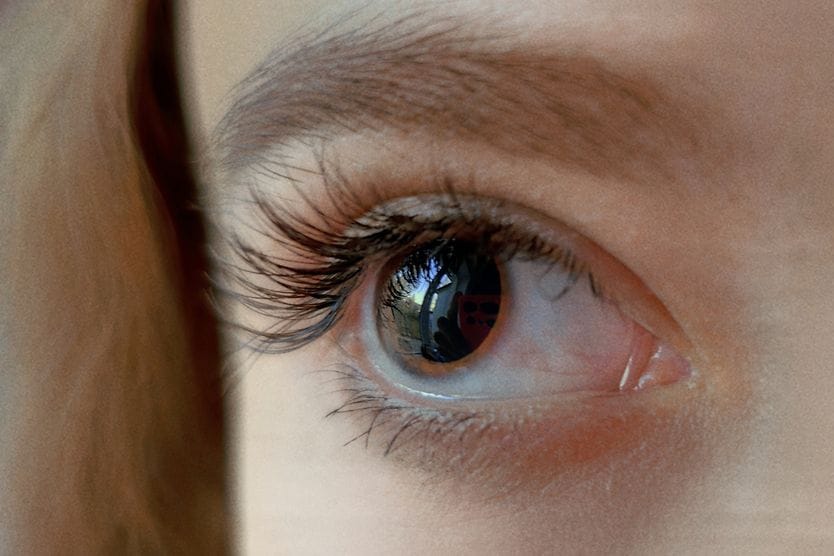
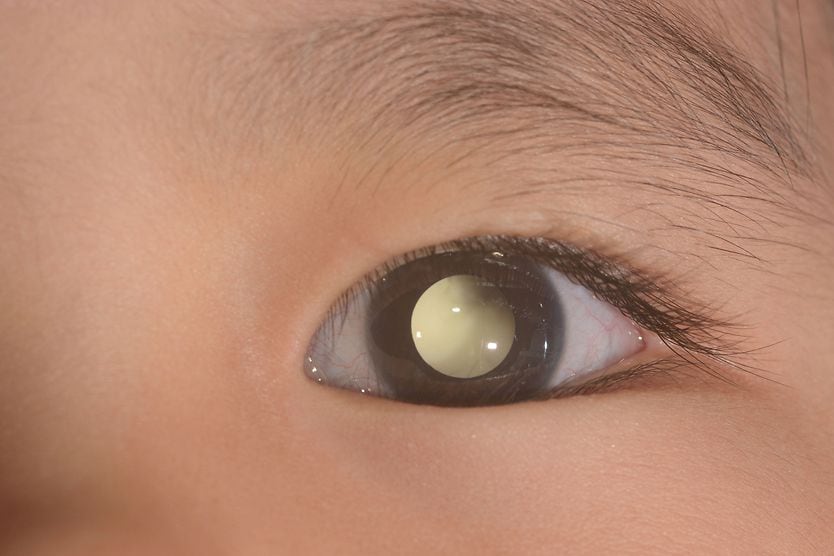
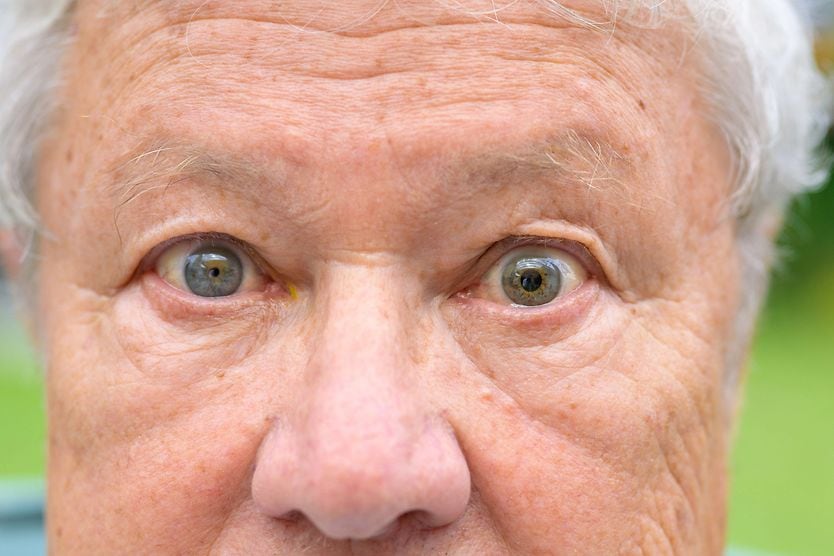
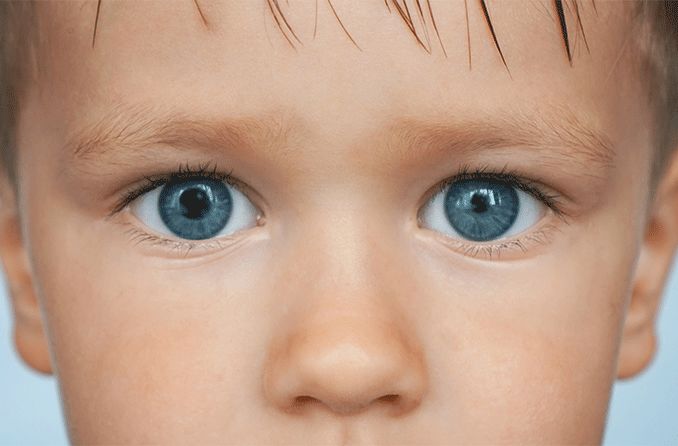
Top: Normal pupils.
Middle: Anisocoria with one pupil bigger than normal.
Bottom: Anisocoria with one pupil smaller than normal.
SEE RELATED: Small pupils: What do they mean?
Eye or health conditions
Anisocoria typically doesn’t affect vision or eye health. But it can be caused by other eye or health conditions. Having different pupil sizes due to an underlying condition or disease is referred to as pathologic or pathological anisocoria. Conditions that can cause this variation include:
Iritis
Iritis is a form of uveitis (an inflammatory eye disease) characterized by:
- Eye redness
- Eye pain
- Photophobia (light sensitivity)
- Inflammation of the iris
- A smaller pupil in the affected eye
Iritis has many causes, including eye infections, underlying inflammatory diseases and trauma. Your eye doctor can treat the symptoms of iritis while the underlying cause is determined and controlled. In rare cases, anisocoria from iritis can remain after the condition has been successfully treated.
Glaucoma
Glaucoma is a group of conditions that damage the optic nerve — the structure that sends visual information from your eye to your brain. It’s often associated with high eye (intraocular) pressure that occurs when fluid builds up and is unable to drain properly.
In a certain type known as angle-closure glaucoma, eye pressure rises suddenly when the iris is pushed forward and blocks the eye’s drainage system (the trabecular meshwork). This can damage the iris, affecting its ability to control pupil size.
Horner’s syndrome
Horner’s syndrome is a neurological disorder caused by damage to the nerves around the eye and the upper face. These nerves affect the muscles that control the pupil and eyelids. Most people with Horner’s syndrome have the following signs:
- Ptosis (droopy upper eyelid)
- Miosis (constriction of one pupil), causing anisocoria
- Facial anhidrosis (reduced sweating around the affected eye)
Horner’s syndrome also affects how quickly the smaller pupil dilates in dim lighting.
Normal pupils (including those slightly unequal in size) usually dilate within four to five seconds of the room lights being dimmed. A pupil affected by Horner’s syndrome generally takes five to 25 seconds to dilate in dim lighting or a darkened room.
Horner’s syndrome is typically caused by an underlying medical problem, such as a stroke, tumor, spinal cord injury or carotid artery dissection. But in some cases, no cause can be identified.
Adie’s tonic pupil
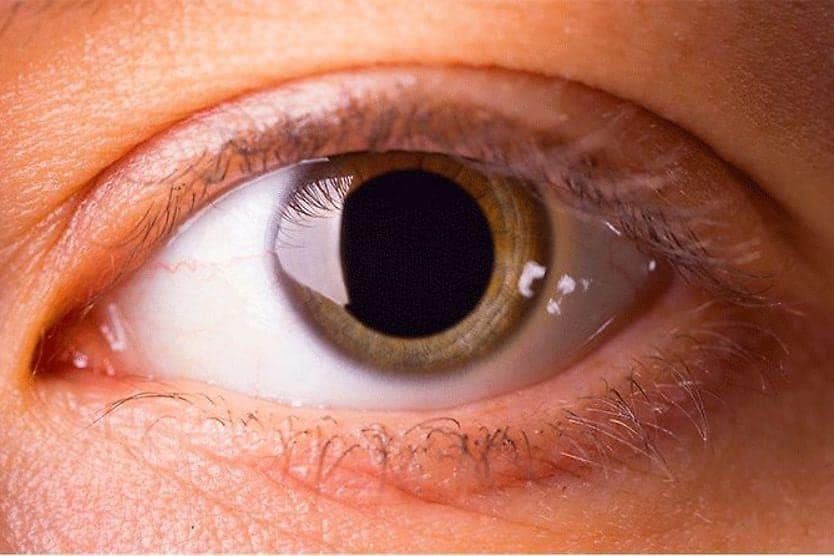
Adie’s tonic pupil is a dilated pupil caused by damage to nerve fibers that control the muscles responsible for pupil constriction. The affected pupil also reacts poorly to light. Adie’s tonic pupil occurs primarily in women between the ages of 20 and 40. In 80% of cases, only one eye is affected, resulting in anisocoria. The cause of Adie’s tonic pupil is usually unknown.
Third nerve palsy
The third cranial nerve — also called the oculomotor nerve — controls several muscles that move the eyes and eyelids. It also influences a muscle that controls pupil size. Paralysis (palsy) of the oculomotor nerve causes the affected eye to have a dilated pupil, resulting in anisocoria.
In addition to different-sized pupils, third nerve palsy can cause:
- A droopy eyelid
- A “down and out” misalignment of the affected eye (a type of strabismus)
- Loss of accommodation (the ability to focus on near objects)
Causes of third nerve palsy include:
- Pressure on the oculomotor nerve from an aneurysm, tumor or brain hemorrhage
- Migraine headaches
- Severe infections, such as meningitis
If you or a family member develops signs or symptoms of third nerve palsy, seek medical attention immediately.
Other conditions
Additional health conditions may also cause one pupil to be larger than the other, including:
- Migraines
- Damage to blood vessels that supply the eyes or the head
- Stroke
- Brain aneurysm
- Brain tumors
- Seizures
- Viral infections
- Certain cancers
Eye injuries or surgery
Unequal pupil size can also result from trauma to the eye and complications of eye surgery (such as cataract surgery). This is called mechanical anisocoria, and it occurs when damage to the iris or surrounding structures affects pupil function. Tumors inside the eye can also lead to this type of anisocoria.
Congenital eye conditions
Congenital anomalies of the iris can be another cause of mechanical anisocoria. Examples of these conditions include:
- Aniridia – A complete or partial absence of the iris in one eye.
- Iris coloboma – A gap in the iris present at birth, giving the pupil a distinct “keyhole” or “cat-eye” appearance.
- Ectopic pupil – An inherited condition that causes displacement of the pupil and dislocation of the eye’s natural crystalline lens.
Medications
Unequal pupil size that occurs as a medication side effect is referred to as pharmacologic anisocoria. Some drugs enlarge the pupil (mydriasis) while others make it smaller (miosis).
Certain eye drops temporarily cause anisocoria, especially if used in just one eye. Examples include:
Glaucoma medications, such as:
- Apraclonidine
- Pilocarpine
- Brimonidine
Pupil-dilating drops (used during eye exams or to treat certain conditions), such as:
- Tropicamide
- Cyclopentolate
- Atropine
Some systemic medications can cause the pupils to become larger or smaller. But they typically do not lead to different-sized pupils since both pupils are likely to react in the same way.
However, certain medications and herbal substances can cause pharmacologic anisocoria if they come into contact with the eye, either accidentally or during normal use. These include:
- Nasal vasoconstrictors (such as phenylephrine)
- Inhalers for asthma
- Motion sickness patches (such as scopolamine)
- Opiates
- Clonidine (antihypertensive medication)
- Herbals (like Jimson weed, angel’s trumpet and blue nightshade)
Other chemicals that can cause anisocoria if they happen to get into your eye are:
- Ingredients in antiperspirant wipes
- Ingredients on pet flea collars or in sprays
- Pesticides
Different-sized pupils caused by medications or other substances typically resolve once the chemical is no longer in your system.
How is anisocoria diagnosed?
Anisocoria is diagnosed through a review of your medical history, along with a comprehensive eye exam and additional testing (if needed).
Eye exam
During the exam, your eye doctor may perform pupillometry to evaluate your pupillary response in both bright and dim lighting. They may also use a slit-lamp microscope to examine your pupils and other structures in your eyes.
Glaucoma tests (such as tonometry or eye pressure measurement) may also be performed if this condition is suspected.
Additional tests
Additional tests may be needed, depending on your symptoms, your medical history and the potential cause of unequal pupil size. These may include imaging techniques, pharmacological testing, or a neurological exam and testing to determine if certain conditions could be the cause.
Other tests that may be performed include:
- Blood tests
- Cerebrospinal fluid testing
- Magnetic resonance imaging (MRI) of the head
- Computed tomography (CT) scans of the head
- Electroencephalogram (EEG)
- X-rays of the neck
How do doctors treat anisocoria?
Physiological anisocoria and cases that are otherwise asymptomatic may not require treatment. In most instances, these only need to be monitored. When treatment is needed, it’s generally determined by the underlying cause.
Addressing underlying causes
Medication-induced anisocoria usually goes away over time, especially once the medication is no longer taken. However, cases that persist may require a visit to a specialist, such as an ophthalmologist, neurologist, neuro-ophthalmologist or other provider.
Anisocoria caused by eye-related conditions, such as iritis or glaucoma, is treated by addressing the underlying disease. This may include medications, surgery or other procedures, depending on the severity and nature of the condition. While anisocoria caused by trauma may never fully resolve, it can improve over time.
The sudden onset of different-sized pupils could indicate serious conditions, such as Horner’s syndrome or third nerve palsy. Prompt emergency care is needed to determine whether anisocoria is due to life-threatening causes, such as a stroke, brain hemorrhage or aneurysm.
Managing symptoms
When anisocoria is not caused by an underlying condition, it often doesn’t produce symptoms. However, if it leads to discomfort, such as light sensitivity and glare or makes it difficult to see clearly close up, your doctor may recommend the following strategies to manage these symptoms:
- Medications – Eye drops may be prescribed to help control pupil size. Constricting a large pupil can control the amount of light entering the eye, reducing light sensitivity and enhancing your ability to see clearly up close.
- Tinted lenses – Sunglasses and photochromic lenses (which darken automatically when exposed to bright sunlight) can help improve discomfort from light sensitivity and glare.
- Special glasses – Pinhole glasses (which help control the amount of light that passes into the eye) can also reduce light sensitivity and improve visual acuity.
Symptoms associated with anisocoria caused by underlying conditions are managed according to the specific cause.
When to get medical help
Timely evaluation of anisocoria is important to identify potentially serious health issues. Seek medical care immediately if you suddenly develop unequal pupil sizes. You should also receive urgent medical attention if you or someone else notices that one of your pupils is bigger than the other, especially if it occurs along with any of the following:
- A recent head or eye injury
- Eye pain
- Droopy upper eyelid
- Light sensitivity (photophobia)
- Double vision (diplopia)
- Vision loss
- Fever
- Headache
- Nausea or vomiting
- Stiff neck
- Numbness or weakness
- Loss of muscle control
If anisocoria is minor and is not related to an underlying condition, there may be nothing to worry about. In any case of unequal pupils, they should be evaluated by a medical professional to determine if there is cause for concern and to identify any potential problems.