Bevacizumab for macular degeneration vision loss
On this page
What is age-related macular degeneration?
Symptoms of macular degeneration
Who is at risk for macular degeneration?
Treatment for wet AMD
What happens when you get a bevacizumab injection?
Are there risks and side effects to bevacizumab treatment?
What new treatments are on the horizon?
Always get regular eye appointments
On this page
What is age-related macular degeneration?
Symptoms of macular degeneration
Who is at risk for macular degeneration?
Treatment for wet AMD
What happens when you get a bevacizumab injection?
Are there risks and side effects to bevacizumab treatment?
What new treatments are on the horizon?
Always get regular eye appointments
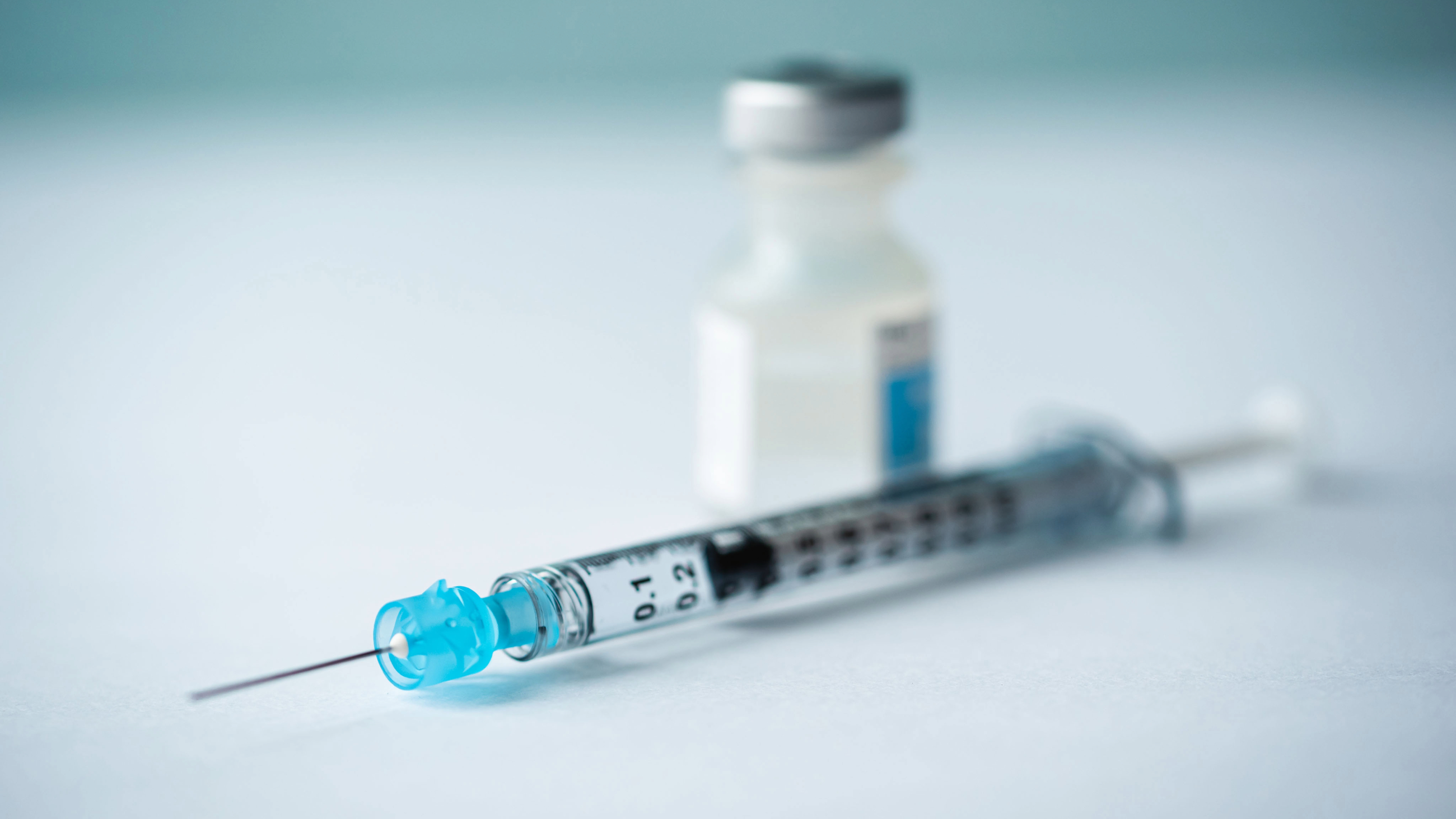
Bevacizumab is a prescription injection used to treat wet age-related macular degeneration (AMD). It is widely considered to be both highly effective and affordable. However, its use for eye disease is considered “off-label” because it is currently only FDA-approved as a treatment for colon and other cancers.
Bevacizumab belongs to a class of drugs called anti-VEGF that are used to treat wet AMD. These medicines work by blocking substances in the eye that promote the growth of abnormal blood vessels, helping to prevent or slow vision loss from AMD.
READ MORE: Anti-VEGF injections
What is age-related macular degeneration?
Age-related macular degeneration (also known as AMD) is one of the leading causes of irreversible vision loss in people 50 years and older. As the condition progresses, individuals notice that central vision becomes blurry and distorted, dark areas appear and colors appear faded.
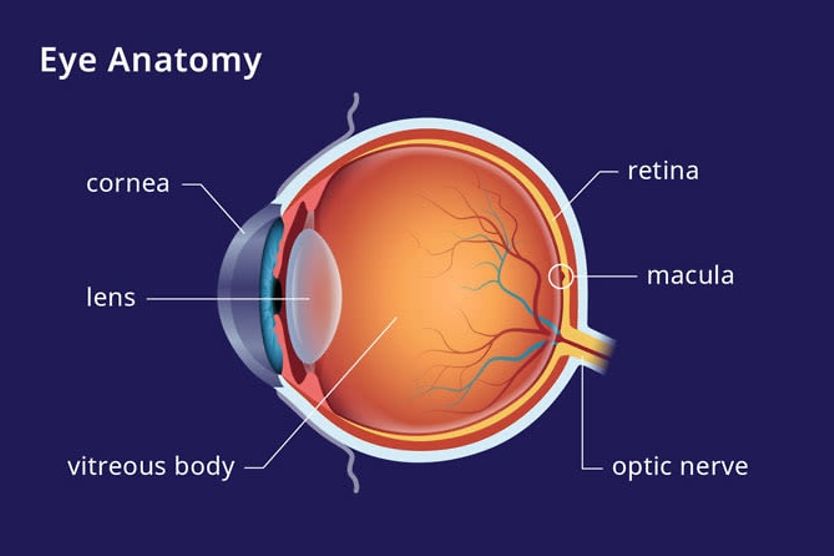
AMD gets its name from the macula, the central portion of the retina in the back of the eye. The macula is responsible for visual sharpness, most of our color vision and central vision. When the macula is damaged by AMD, an individual can lose central vision, and objects may look blurry. Peripheral (side) vision remains clear. Total blindness is rare in AMD. An estimated 19.8 million Americans aged 40 and older have some form of AMD, and about 1.5 million are living with the late-stage, vision-threatening form of the disease.
There are two forms of age-related macular degeneration, dry and wet. The “dry” form is the most common, progresses more slowly and causes gradual vision loss. The “wet” form is less common but more serious. It occurs when fluid and blood leak from newly formed blood vessels growing under the macula. This leads to scarring that blurs central vision. Vision loss can be rapid.
Only about 10% to 20% of macular degeneration cases are the wet type, but it is responsible for 90% of cases of legal blindness from AMD. Legal blindness is defined as vision that is 20/200 (6/60) or worse.
AMD can occur in one or both eyes and may affect each eye differently. The wet form is often treated with anti-VEGF injections.
Symptoms of macular degeneration
In its early and intermediate stages, some signs of AMD may include:
- Increased haziness of vision
- Shape of objects appears distorted
- Straight lines look wavy or crooked
- Clear color vision fades
- Blank spots in central vision
AMD is diagnosed by an optometrist or ophthalmologist during an eye exam. They can look for signs of AMD, such as drusen, which are yellow deposits beneath the retina.
Who is at risk for macular degeneration?
Though scientists are still trying to understand the precise causes of AMD, they do know that you are more at risk if you:
- Have a family history of AMD.
- Are Caucasian.
- Eat a diet high in saturated fat.
- Smoke cigarettes.
- Are overweight.
- Suffer from hypertension (high blood pressure).
- Are over 50 years old.
- Suffer from heart disease.
Treatment for wet AMD
Bevacizumab is a medication that is FDA-approved to treat colon and other cancers. It blocks a protein called vascular endothelial growth factor (VEGF), which the body uses to help blood vessels grow. By blocking VEGF, bevacizumab is able to slow the abnormal growth of blood vessels.
Several research studies have found that bevacizumab was well-tolerated and improved vision.
Since that time, the medication has been used “off-label” to treat wet AMD, as well as diabetic eye disease and other diseases of the retina where there is abnormal blood vessel growth. The FDA allows off-label drug use if doctors know the risks and benefits and if studies prove the drug is helpful. Many studies have found that bevacizumab can be effective for certain eye diseases.
Bevacizumab is injected into the vitreous membrane in the back part of the eye. It can block the growth of abnormal blood vessels in the retina that cause the disease.
What happens when you get a bevacizumab injection?
Having an injection in your eye sounds unpleasant, but when you get a bevacizumab injection, your ophthalmologist will numb your eye so you don’t feel pain.
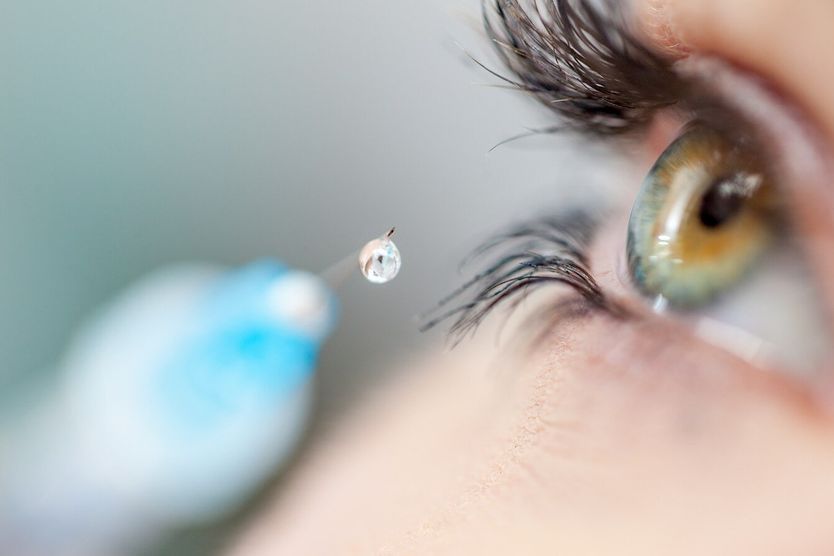
Before the procedure, your ophthalmologist will clean your eye with a solution that prevents infection. They will then position an eyelid holder on your eye so that you don’t have to worry about blinking. Your eye will then be numbed with drops, gel or an injection.
Your eye doctor will ask you to look up as they inject the medication with a small, thin needle. At most, you may feel some pressure or discomfort for a few seconds. You may also see a web of lines as the medicine spreads through the fluids in your eye.
Injections are typically needed every four to six weeks for several months or longer. Your ophthalmologist will determine the specifics of your treatment schedule.
Are there risks and side effects to bevacizumab treatment?
Every treatment can have side effects. Common side effects experienced with bevacizumab and other anti-VEGF injections include:
- Eye redness and discomfort
- A feeling that something is in your eye
- Temporary blurry vision
- Eye floaters
More serious side effects are rare but could include:
- Light sensitivity (photophobia)
- Pain in the eye
- Swelling inside the eye
- Infection
What new treatments are on the horizon?
From eye drops to gene therapy, exciting new treatments are on the horizon for wet AMD. Some of these new treatments are designed to last longer, reducing how often patients have to visit their eye doctor. Others use completely new methods, such as gene therapy.
One group of treatments being tested is called tyrosine kinase inhibitors (TKIs). These medicines target the signals that cause abnormal blood vessels to grow in the eye. They are being studied in ongoing trials and can be delivered as small implants, injections or even eye drops. Early studies show that these treatments may help keep vision stable while lowering the number of injections patients need.
Another major development is gene therapy. Instead of giving repeated doses of medicine, gene therapy works by teaching the eye’s own cells to make protective proteins over time. This could mean months or even years without needing more injections. Researchers are also exploring combination therapies that target several disease pathways at once, as well as new ways to control inflammation and scarring. While these options are still in clinical trials, they offer real hope for longer-lasting and more effective treatment for wet AMD in the near future.
Always get regular eye appointments
Research shows that individuals suffering from macular degeneration who miss appointments with their eye doctor have worse visual outcomes. It is important to have regular visits with an optometrist or ophthalmologist. They can recommend a plan of treatment and watch for progressive signs of AMD before you experience significant vision problems.
READ NEXT: Keeping AMD appointments leads to better visual outcome
On this page:
What is age-related macular degeneration?
Symptoms of macular degeneration
Who is at risk for macular degeneration?
Treatment for wet AMD
What happens when you get a bevacizumab injection?
Are there risks and side effects to bevacizumab treatment?
What new treatments are on the horizon?
Always get regular eye appointments
On this page:
What is age-related macular degeneration?
Symptoms of macular degeneration
Who is at risk for macular degeneration?
Treatment for wet AMD
What happens when you get a bevacizumab injection?
Are there risks and side effects to bevacizumab treatment?
What new treatments are on the horizon?
Always get regular eye appointments