Ranibizumab vs. bevacizumab: A macular degeneration treatment controversy

Ranibizumab vs. bevacizumab: Understanding the differences in anti-VEGF treatments
When ranibizumab received FDA approval in late June 2006, the new age-related macular degeneration (AMD) drug was celebrated as a major medical breakthrough.
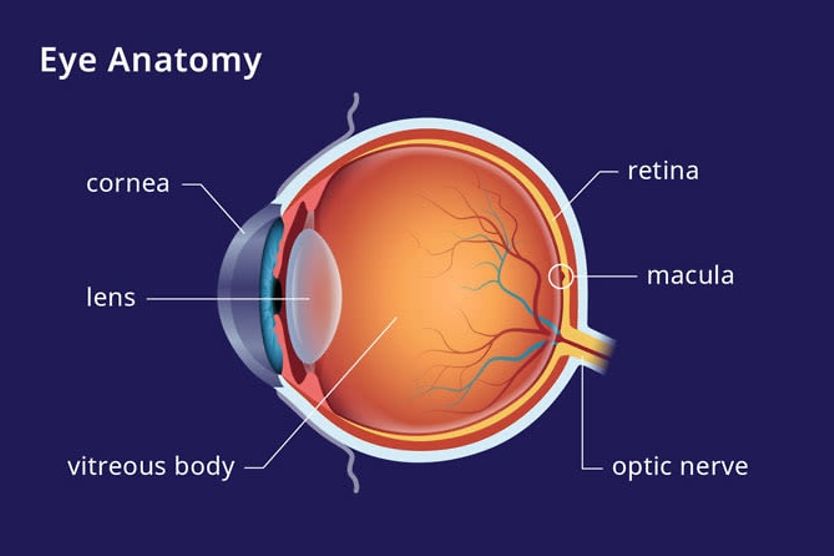
With about 200,000 new cases of wet or neovascular AMD identified each year in the United States, many older Americans with this form of AMD may endure inevitable, gradual loss of central vision.
Now, there is hope for many who once faced certain blindness. Several anti-VEGF drugs have become available for AMD, including four specifically developed for eye conditions:
- Aflibercept 2mg and 8mg
- Brolucizumab
- Faricimab
- Ranibizumab
Ranibizumab was the first anti-VEGF drug approved for intravitreal use. Clinical trials have shown it can stop and, in many cases, reverse at least some vision loss in most people with wet AMD. These positive findings clearly made ranibizumab one of the more effective, FDA-approved treatments at the time.
But some eye doctors argued that a drug closely related to ranibizumab, known as evacizumab, had also been shown to be a highly effective and less expensive alternative for individuals with wet AMD. The problem was and still is that bevacizumab is FDA-approved only for the treatment of colon and other cancers, but not for macular degeneration. As an alternative, many eye doctors have been using bevacizumab as an off-label treatment.
READ MORE: Anti-VEGF injections: Benefits, risks and what to expect
Restricted sales of bevacizumab for ophthalmic uses
In October 2007, the company that held the rights to both ranibizumab and bevacizumab announced a strategy that was supposed to limit the availability of the latter for ocular uses.
The company cited safety issues as the reason for halting sales of bevacizumab to compounding pharmacies that had been dividing it into the smaller quantities needed for treating the eye.
The company later responded to widespread criticism from eye doctors and organizations, including the American Academy of Ophthalmology (AAO), by announcing that bevacizumab could still be sold directly to physicians and delivered to destinations of their choice, including compounding pharmacies.
At an emotionally charged AAO conference session in November 2007, eye doctors protested the original decision that they said could have severely reduced supplies of bevacizumab and deprived lower-income individuals of a sight-saving drug.
The company officials stated they would not interfere with a physician’s choice to prescribe bevacizumab for ophthalmic uses. But while the drug still could be sold to physicians, eye doctors said only compounding pharmacies could deal with sterility issues involved with repackaging bevacizumab for injection into the eye.
Eye doctors at the AAO conference said they have seen no evidence that the FDA has expressed specific concern about off-label use of bevacizumab.
The International Academy of Compounding Pharmacists (IACP) disputed the company's position that its decision to stop selling bevacizumab to compounding pharmacies was motivated by safety concerns, suggesting it was prioritizing profit over patient access.
The company defended the decision, stating that an FDA inspector had raised questions about its direct sales of bevacizumab to compounding pharmacies and its off-label use as an ophthalmic drug. The company maintained that the decision was not financially driven and that it would not increase sales of ranibizumab. It also noted that it worked closely with individuals who faced economic hardship related to the cost of ranibizumab, including providing referrals to charitable organizations and other agencies offering assistance.
Does bevacizumab work as well as ranibizumab in treating macular degeneration?
Besides cost issues, another area of concern involves which drug works more effectively for treating age-related macular degeneration (AMD).
Prior to the approval of ranibizumab, tens of thousands of doses of bevacizumab were administered off-label nationwide to treat wet AMD, often with favorable outcomes. At the time, it remained unclear whether one drug offered a significant clinical advantage over the other. Since then, multiple studies have demonstrated that ranibizumab and bevacizumab have comparable benefits for vision.
Currently, ranibizumab costs about $1,950 to $2,000 per injection, while bevacizumab costs about $50. Although the price of bevacizumab increases after repackaging for ocular use, it still remains lower than that of ranibizumab. This price discrepancy could be highly significant for people who have limited or no health insurance coverage.
Medicare covers injectable treatments for wet AMD, including both bevacizumab and ranibizumab, under Medicare Part B. After you meet the Part B deductible, you pay 20% of the Medicare-approved amount for the drug and your doctor’s visit.
An investigation published in 2023 points out that the 20% co-payment required for each monthly injection still represents a significant expense. Supplemental insurance might be available to defray at least some costs involved with co-payments.
However, bevacizumab may still be the less expensive alternative, even for people covered by Medicare or health insurance.
Additionally, more affordable versions of ranibizumab, known as biosimilars, have become accessible in numerous countries, including the United States. These medications are considered to be equally effective and biologically similar to the original ranibizumab but can come at a lower cost, typically ranging from 30% to 80% of the original price. Bevacizumab is often still more cost-effective than biosimilars. However, as the availability of biosimilars increases, they have the potential to expand access to treatment for eye conditions.
More about ranibizumab and bevacizumab
Both ranibizumab and bevacizumab are produced by the same company. But there are differences between the two drugs.
Ranibizumab is administered in the form of smaller molecules, which is thought to give it an advantage over bevacizumab in its ability to penetrate the eye’s retina and halt abnormal blood vessel growth contributing to wet AMD and scarring that causes blindness.
The company officials have repeatedly told news reporters that considerable expense was involved in developing ranibizumab as a macular degeneration treatment and in funding clinical trials proving the drug’s safety and effectiveness. They indicated that the company had no intention of also funding clinical trials for bevacizumab as a treatment for macular degeneration, now that ranibizumab has FDA approval, and the need for an effective macular degeneration treatment has been met. Instead, U.S. government funds were used to compare the effectiveness and safety of the two different treatments.
In early 2008, plans were announced for enrollment of participants in the two-year Comparison of Age-Related Macular Degeneration Treatments Trials (CATT), sponsored by the National Eye Institute at 44 study sites. The study found that both drugs had similar outcomes. Since then, many studies have demonstrated that bevacizumab is effective and safe for treating eye disease.
Where the anti-VEGF treatment landscape stands today
In the past, safety concerns were raised about the off-label use of bevacizumab as a macular degeneration treatment. This was partly because, in January 2005, the FDA warned that bevacizumab, when used to treat colon and other cancers at systemic doses, may significantly increase the risk of stroke, heart attack and other adverse health events.
However, current evidence shows that when used intravitreally for eye treatments, bevacizumab and ranibizumab demonstrate no significant differences in safety profiles — likely because the dose injected into the eye is far smaller than what is used for systemic cancer treatment.
The debate between ranibizumab and bevacizumab was largely settled by the landmark CATT clinical trials, which showed similar visual outcomes for both drugs after two years of treatment for wet AMD. Subsequent studies have continued to confirm comparable efficacy and safety profiles between the two, with bevacizumab maintaining a significant cost advantage per injection.
Since then, however, the treatment landscape has evolved considerably. Second-generation anti-VEGF therapies — including aflibercept and faricimab — have become the preferred treatment options for many retina specialists.
Aflibercept offers a broader mechanism of action, binding not only VEGF-A but also VEGF-B and placental growth factor. A high-dose formulation (aflibercept 8 mg) now allows dosing intervals of up to 16 weeks after an initial loading phase, reducing the treatment burden on patients.
Faricimab, the first bispecific antibody approved for intravitreal use, targets both VEGF-A and angiopoietin-2, and has demonstrated the ability to maintain visual gains with dosing intervals of 12 to 16 weeks in many patients.
While ranibizumab and bevacizumab remain in clinical use, the availability of these newer therapies — with their extended durability and, in some cases, broader mechanisms of action — has shifted the standard of care for wet AMD. Ultimately, all of these anti-VEGF treatments have helped millions of people preserve their vision and maintain their independence.
An eye doctor will determine the most appropriate therapy based on their individual clinical needs, treatment response and other factors.