How do aflibercept and other anti-VEGF injections impact retinal diseases?
What are aflibercept and anti-VEGF injections?
Aflibercept and similar biologic injections can help slow or stop vision loss related to certain eye conditions by “drying the retina” and reducing the fluid leaking into the macula. These conditions include diabetic retinopathy, macular edema and wet age-related macular degeneration (AMD).
What is a biologic? Aflibercept is a biologic medication, which means it's made using living cells.
AMD is a leading cause of vision loss in people 60 and older. There is no cure for wet AMD, but aflibercept and other biologic options such as faricimab may help slow vision loss.
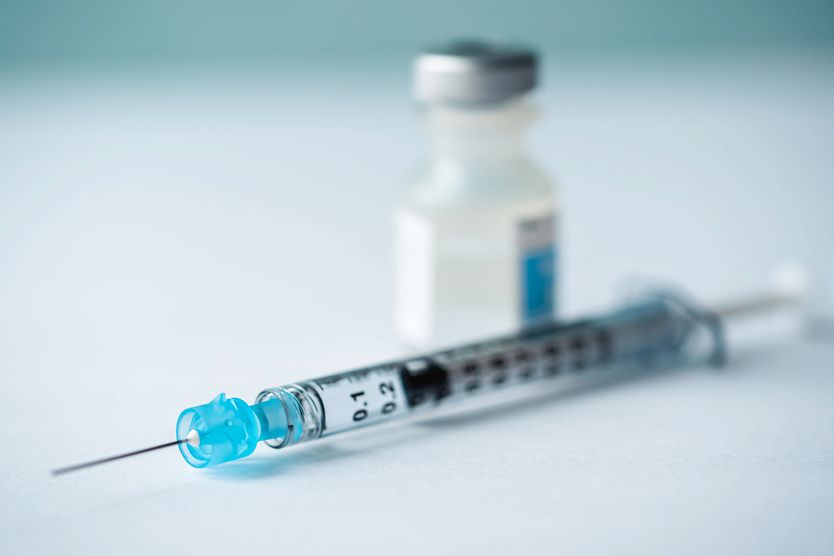
Aflibercept is the generic drug name, but you may see it called by a brand name instead. It is an FDA-approved prescription medicine administered by an ophthalmologist by injection into the eye.
Patients treated with aflibercept may note improvements in their vision within the first few months. The medication has been shown in clinical studies to help some patients with wet AMD for several years when treatment is continued.
How does aflibercept and other biologics work?
Aflibercept and similar drugs like ranibizumab work by blocking a chemical called vascular endothelial growth factor (VEGF) that stimulates the growth of blood vessels.
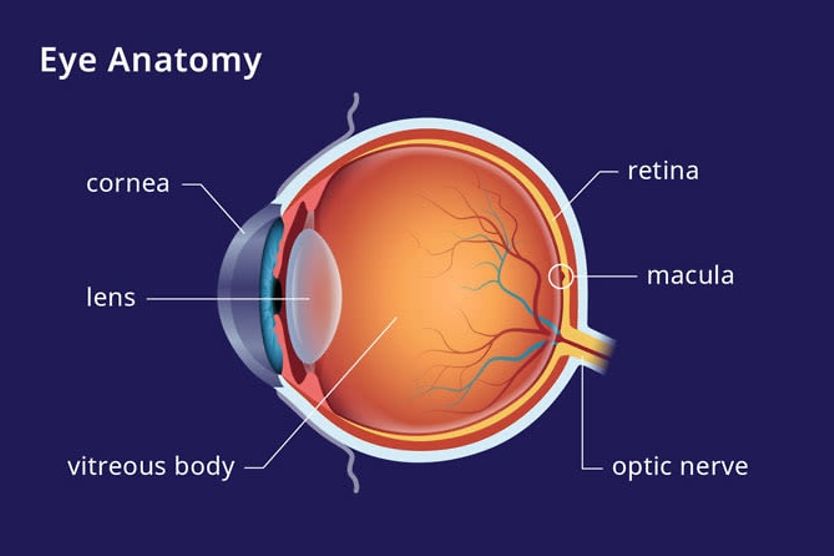
High levels of VEGF in the eye can cause the growth of leaky, abnormal blood vessels which can swell and leak fluid into the macula, the small central part of the retina responsible for sharp, central vision. This can lead to scarring of the macula resulting in decreased and distorted central vision.
By blocking VEGF, aflibercept can help to reduce the fluid leaking into the macula and the formation of new blood vessels. It can slow the progression of wet AMD and can help preserve or improve vision.
Other eye injections that use biologics
Other biologic eye injections can also be used to manage these retinal conditions, so an eye doctor may prescribe them instead of aflibercept.
Some of these medications are:
- Bevacizumab – Used for wet AMD, diabetic macular edema, macular edema from retinal vein occlusion
- Brolucizumab – Used for wet AMD, diabetic macular edema
- Faricimab – Used for wet AMD, diabetic macular edema, macular edema from retinal vein occlusion
- Ranibizumab – Used for wet AMD, diabetic retinopathy, diabetic macular edema, macular edema from retinal vein occlusion
Highly similar injections
There is one original aflibercept medicine and several aflibercept biosimilars. They're called biosimilars because they're very similar to the original aflibercept biologic.
You may see biosimilar medicines such as:
- Aflibercept-mrbb
- Aflibercept-abzv
- Aflibercept-boav
- Aflibercept-yszy
- Aflibercept-ayyh
- Aflibercept-jbvf
Like the original aflibercept, these retinal biosimilars are also used to treat wet AMD, diabetic retinopathy and macular edema. These treatments can be available globally and/or in the United States.
Procedure
Aflibercept, biologics such as bevacizumab, and retinal biosimilar injections are typically performed as an outpatient procedure in an ophthalmologist’s office. The procedure usually follows these steps:
- The doctor first cleans carefully around the eye to prevent infection.
- They then use topical anesthetic drops on the eye to block pain.
- A small device is placed around the eyelids to keep them open.
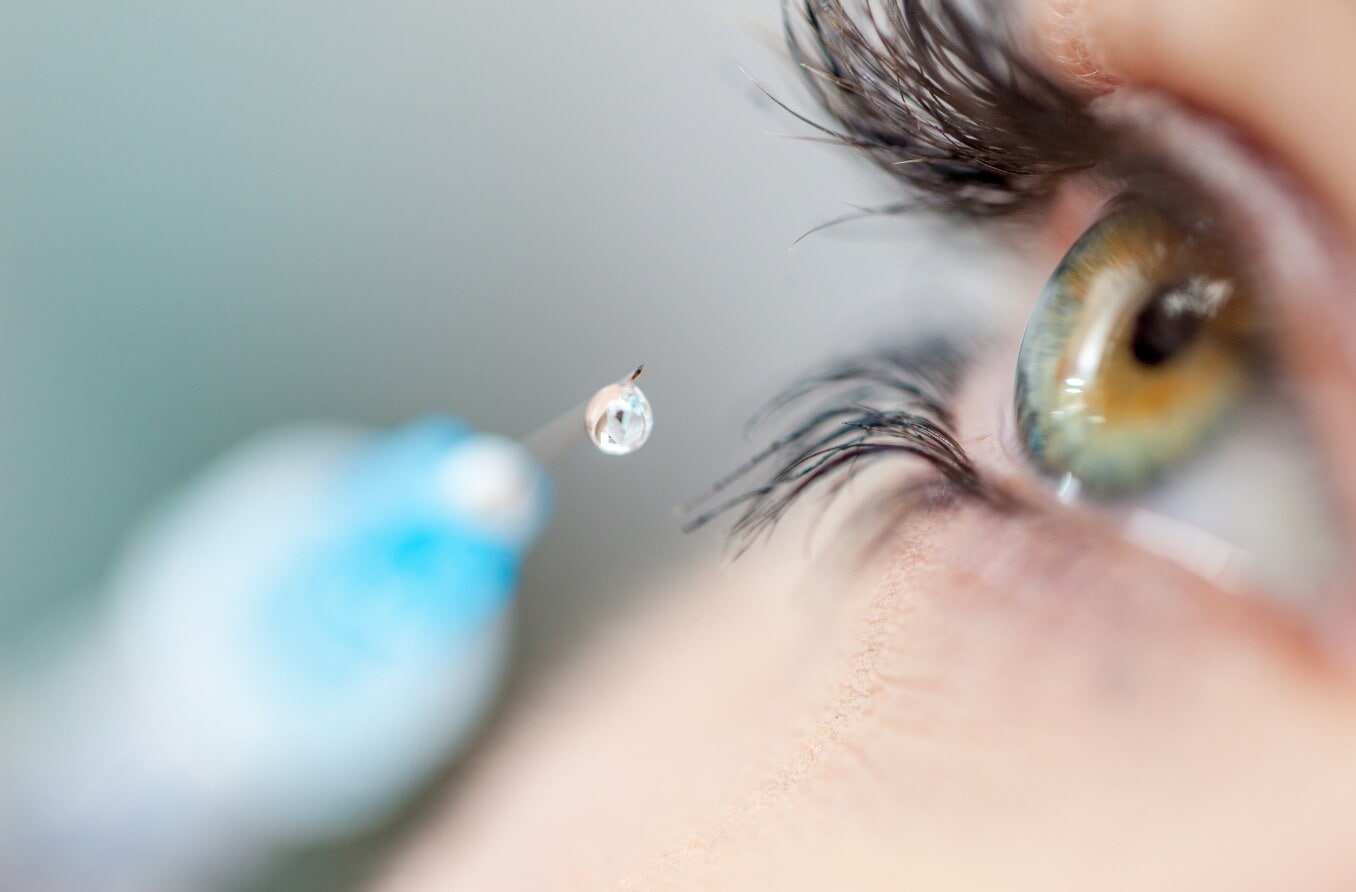
- Once the eye is numb, the doctor uses a very thin needle to inject aflibercept directly into the white part of the eye.
- The medicine enters the vitreous humor, the gel-like substance that fills the back of the eye.
- The patient may feel some pressure but no pain.
- The entire procedure should take no more than 30 minutes.
In the first three months, a dosing schedule for wet AMD could be once a week for four weeks, then one injection every eight weeks is often recommended. Some patients may need monthly dosing after the first three months.
If you are treated with aflibercept, your doctor decides the dosage (low or high) and treatment schedule that’s best for you based on your medical condition and how you respond to treatment. They may combine other treatments with aflibercept injection to help protect your vision.
Expect your doctor to schedule periodic eye exams to check for side effects from the treatment and monitor your progress. It is important to keep all your follow-up and treatment appointments. If you miss one, contact your doctor as soon as possible to reschedule.
Conditions treated by aflibercept
Aflibercept is approved by the FDA to treat four serious eye conditions that can cause vision loss. Aflibercept dries the retina by reducing swelling and leaking blood and other fluids.
Wet AMD
Abnormal blood vessels that grow under the retina cause wet AMD. Leaking blood and fluid kills or injures the cells in the macula that are light sensitive, creating a central blind spot or distortion in the person’s field of vision. This is the area that provides the fine detail needed for reading, driving and recognizing faces.
Wet AMD is not a painful condition, but it progresses quickly. It can permanently damage the macula and cause loss of vision.
Symptoms to watch for include:
- Blurry or distorted areas in the center field of vision
- Gray or black areas in the central field of vision
- Floaters, or spots floating in the field of vision
- Straight lines that appear curved or wavy
- Washed-out or dull colors
- Objects that appear smaller than they are or different sizes in each eye
- Difficulty distinguishing facial features
- Need for more light when working within arm's length
Macular edema following retinal vein occlusion (MEfRVO)
Macular edema is a thickening of the macula due to swelling. Retinal vein occlusion is the blockage of a blood vessel in the retina, often by a blood clot. Fluid may leak into the macula, causing blurring or vision loss.
Possible symptoms of MEfRVO are:
- Blurred central vision
- Straight lines that look wavy
- Blind spot
- Decreased color vision
- Vision loss
Diabetic retinopathy (DR)
Diabetic retinopathy is a complication of both Type 1 and Type 2 diabetes. It is the leading cause of new cases of blindness in people aged 20 to 74 in the United States.
DR is the most common reason for loss of vision in diabetics. When blood sugar levels are too high, it can lead to the retina not getting enough oxygen and nutrients. This is because small blood vessels in the eye swell and become blocked, depriving the retina of nourishment. In addition, new abnormal blood vessels can grow and leak into the retina.
Early symptoms of DR are subtle and may go unnoticed. As it progresses, it can cause blurred vision and floaters.
Diabetic macular edema (DME)
Diabetic macular edema is a complication of diabetic retinopathy. DME can happen at any time during the progression of DR.
DME is swelling of the macula from leaked fluid from damaged blood vessels. The swelling affects central vision, making it difficult to read and drive. Other symptoms are center vision blurriness, colors that appear washed out and straight lines that look wavy.
Risks of treatment
Every medical treatment has associated risks, including anti-VEGF eye injections. You and your ophthalmologist should discuss what you can expect from the treatment and whether the risks outweigh the potential benefits.
Some risks of anti-VEGF eye injections including the use of aflibercept are:
- Eye infection
- Retinal detachment
- Inflammation of the eye
- Temporary increase in eye pressure
- Blood clots, increasing risk of heart attack or stroke
Side effects of aflibercept and other anti-VEGF injections
Whether mild or more serious, side effects are usually temporary.
Mild side effects could be:
- Eye redness
- Eye pain
- Swollen eyelids
- Floaters
- Moving spots in the field of vision
- Blurry vision
More serious side effects include:
- Cataracts
- Vitreous detachment
- Allergic reaction to anti-VEGF treatment
- Double vision in the treated eye
- Seeing colors as faded
- Light sensitivity
Temporary changes in vision may occur after aflibercept and other anti-VEGF or retinal biosimilar treatment and eye exams. Do not drive or use machinery until your vision recovers.
Let your doctor know if you experience any of these side effects or other issues after your treatment with anti-VEGFs like aflibercept.