Retinopathy
What is retinopathy?
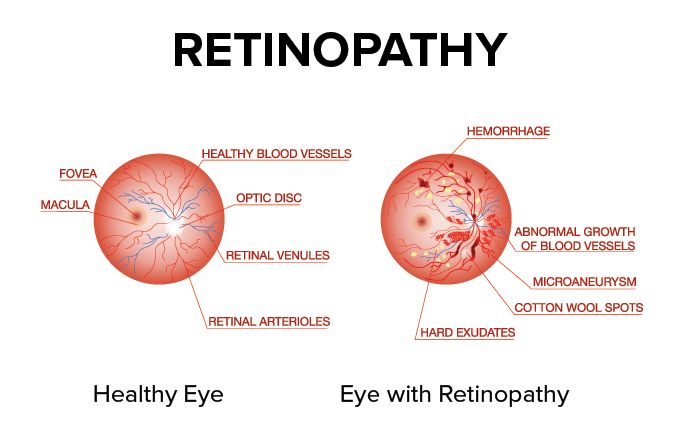
Retinopathy (reh-tuh-NAH-puh-thee) often means something is wrong with the blood vessels that help keep your retina healthy and nourished. This can harm your eyesight, and certain conditions can lead to vision loss.
There are many types of retinopathy, and each one happens for a different reason. People often develop retinopathy because of a health condition, like diabetes, high blood pressure or a genetic disorder.
The retina is a thin layer of cells that lines the inner back wall of each eye. These cells react to light and send signals to the brain so you can see.
Some retinopathies can be slowed or prevented. Eye doctors may recommend lifestyle changes, medicine or surgery to help their patients keep the vision they have.
Causes of retinopathy
Retinopathy causes may include:
- Conditions that affect another part of your body (or your entire body)
- Conditions that only affect your eyes
- Genetic disorders
- Exposure to some drugs or substances
- Exposure to certain radiation
- Infections
- Injuries
Symptoms of retinopathy
Retinopathy symptoms can vary depending on which condition you have.
At first, you might not notice any changes in your vision. Many retinopathies don't cause noticeable symptoms until you start to lose some of your vision.
An eye doctor can see early signs of retinopathy during an eye exam and take action before it harms your eyesight. If you already have some vision loss, they may be able to stop it from getting worse.
When retinopathy causes symptoms, they might include:
- Blurry vision
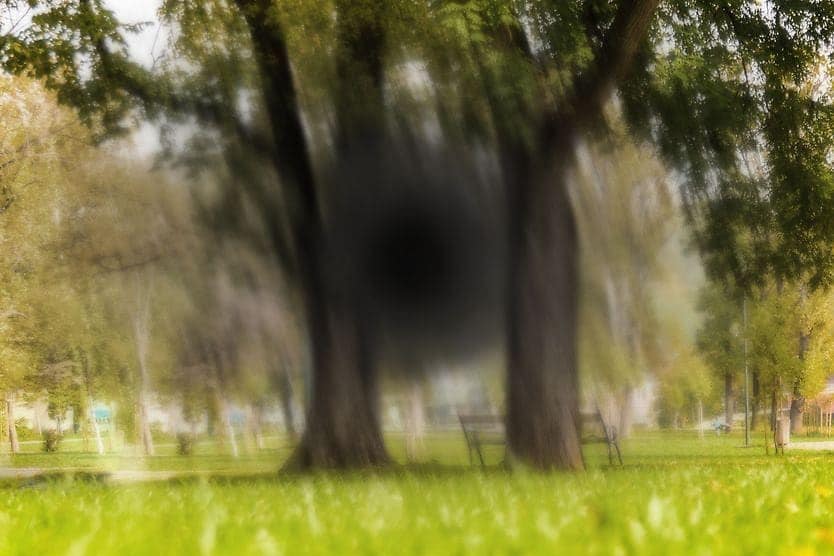
- Blind spots
- Flashes of light or eye floaters
- Shapes and lines looking wavy or distorted
- Vision loss in one or both eyes
It's important to remember that retinopathy symptoms can be different from one type to the next.
Some symptoms happen suddenly, while some come on slowly. Others may come and go.
Talk to an eye doctor if you notice changes in your eyesight. They can tell you if retinopathy may be causing your symptoms.
Get medical help right away if you have sudden symptoms. These could be signs of an eye- or health-related emergency.
Types of retinopathy
Retinopathy can happen for many different reasons. Some conditions improve on their own, but others may need treatment. Types of retinopathy include:
Diabetic retinopathy
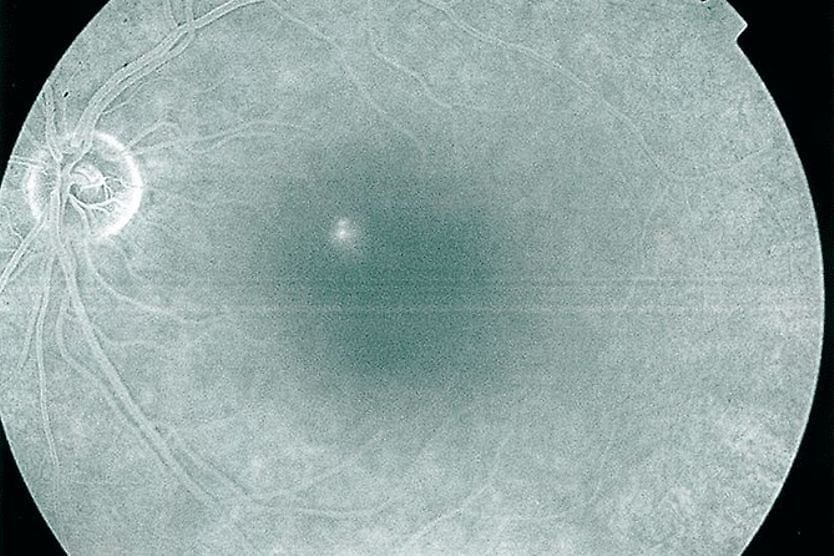
Diabetic retinopathy can affect someone with diabetes. About 1 in 3 people with diabetes has some amount of diabetic retinopathy.
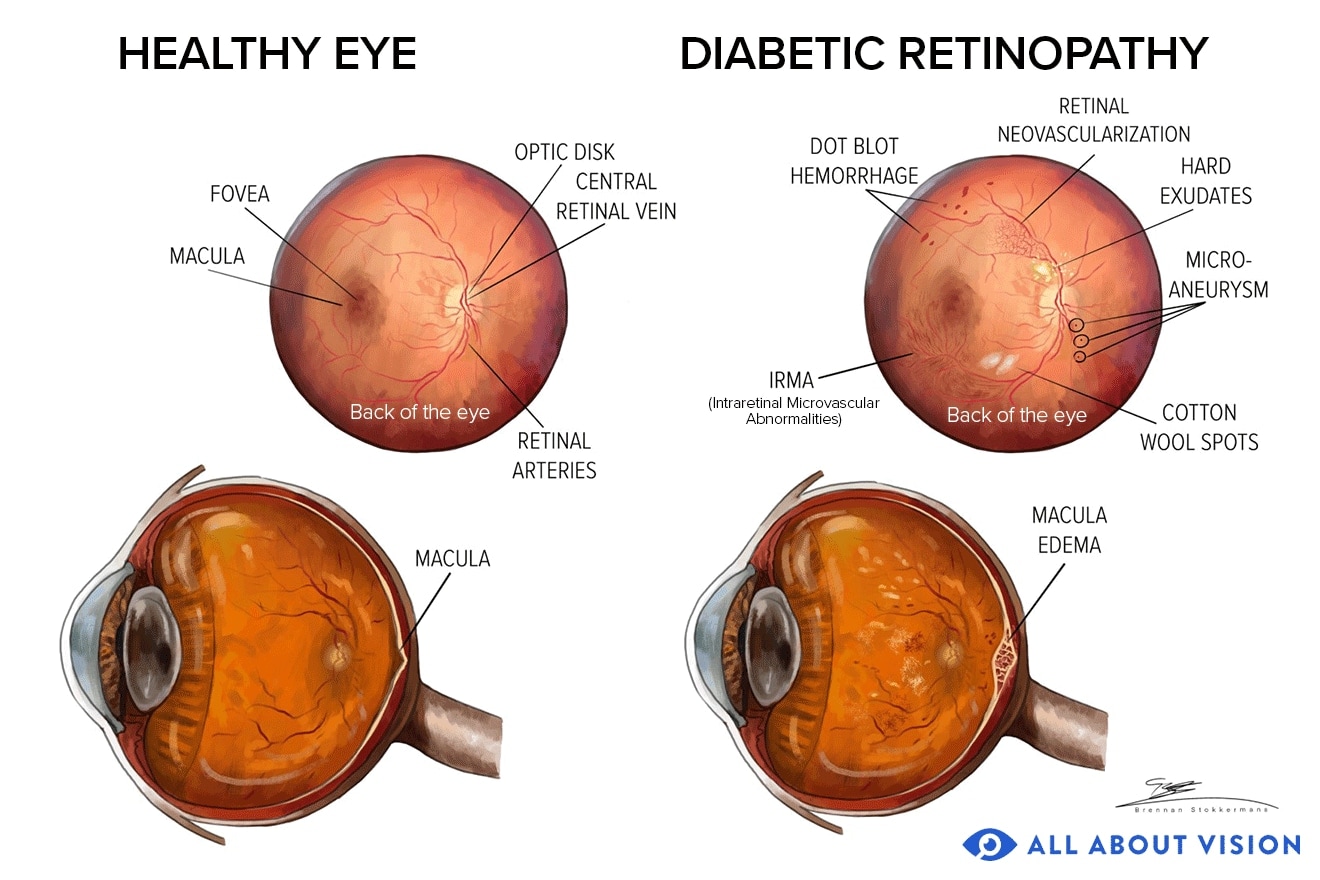
Click image to enlarge.
There usually aren't any symptoms early on. As the condition progresses, people may experience:
- Blurry vision
- New floaters
- Blind spots
- Problems seeing at night or in low light
- Faded color vision
- Vision loss
These usually happen in both eyes.
Someone with diabetes may prevent eye damage by keeping their blood sugar and blood pressure under control. Their eye doctor may also recommend eye injections or laser surgery.
Macular degeneration
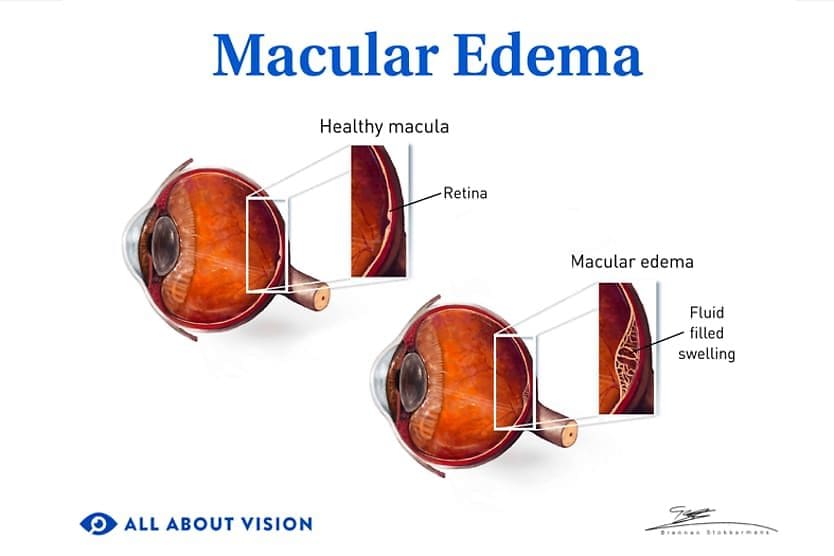
Age-related macular degeneration (AMD) affects a small spot in the center of the retina called the macula.
There are two types of AMD.
Dry AMD (the more common type) is when the macula gets thinner as you get older. Wet AMD is caused by unusual blood vessel growth.
Dry AMD doesn't usually cause symptoms early on — symptoms generally start in the middle or late stage. Wet AMD is often late-stage.
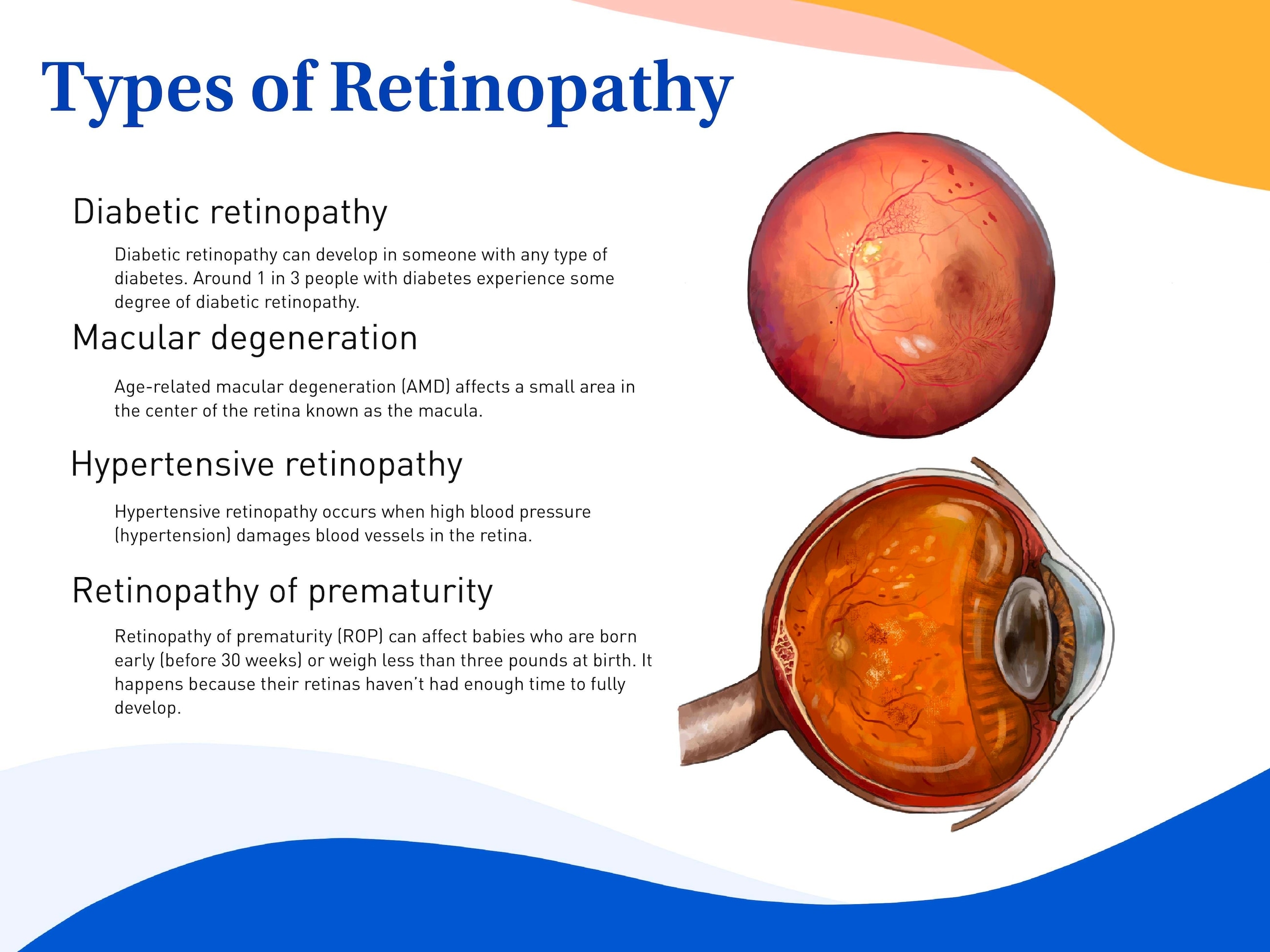
Click image to enlarge.
Eventually, both types can:
- Make straight lines look wavy or distorted
- Cause problems seeing at night or in low light
- Make colors look dim or faded
- Make the center of your field of view look blurry
- Cause blind spots in the center of your view
Lifestyle changes, supplements, eye injections and laser surgery can help some people slow or stop AMD.
Retinal vein or artery occlusion
Blood vessels in your eyes can get partially or totally blocked, just like they can in other parts of your body. The medical word for a blockage is occlusion.
Branch retinal vein occlusion (BRVO) is one of the common kinds of retinopathy. It happens when a small vein is blocked and can't carry blood away from the retina.
A retinal artery occlusion (RAO) can make it harder for blood to reach the retina. Some people call this an "eye stroke."
Retinal artery and vein occlusions can cause sudden vision loss, blurry vision and other symptoms. They almost always happen in one eye.
Permanent vision loss can happen quickly, so retinal occlusions should be treated right away. There are many emergency treatments eye doctors can use to help save your vision.
Central serous chorioretinopathy
Central serous chorioretinopathy (cor-ee-oh-reh-tuh-NAH-puh-thee) happens when fluid leaks from the choroid, a thin layer below the retina. Males in their 30s, 40s and 50s are often at risk, especially during periods of high stress.
It can affect one eye (more common) or both.
This retinopathy can cause symptoms, such as:
- Blurry or darkened vision in the center of your eyesight
- Wavy or distorted lines
- Objects looking smaller than they should
- White colors looking dull
Central serous chorioretinopathy (CSCR) often goes away within a month or two. Eye doctors can use medication, laser treatment or a form of light therapy to help with the majority of cases.
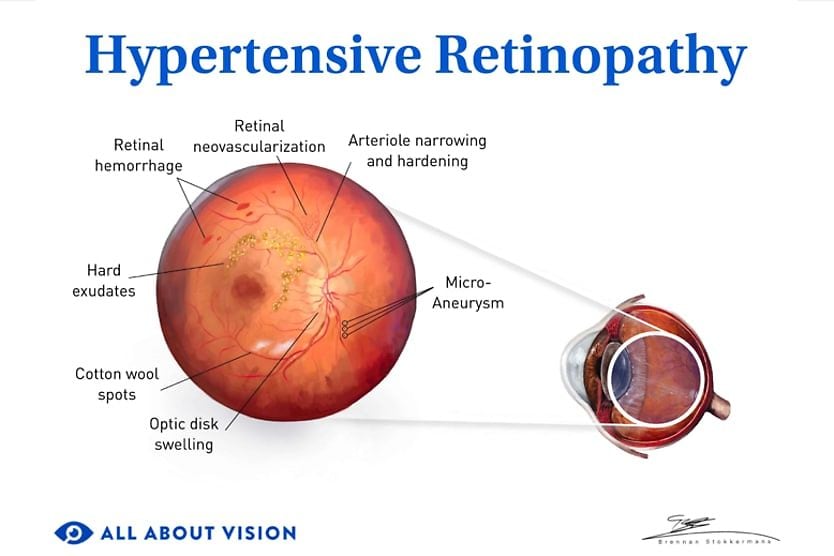
Hypertensive retinopathy
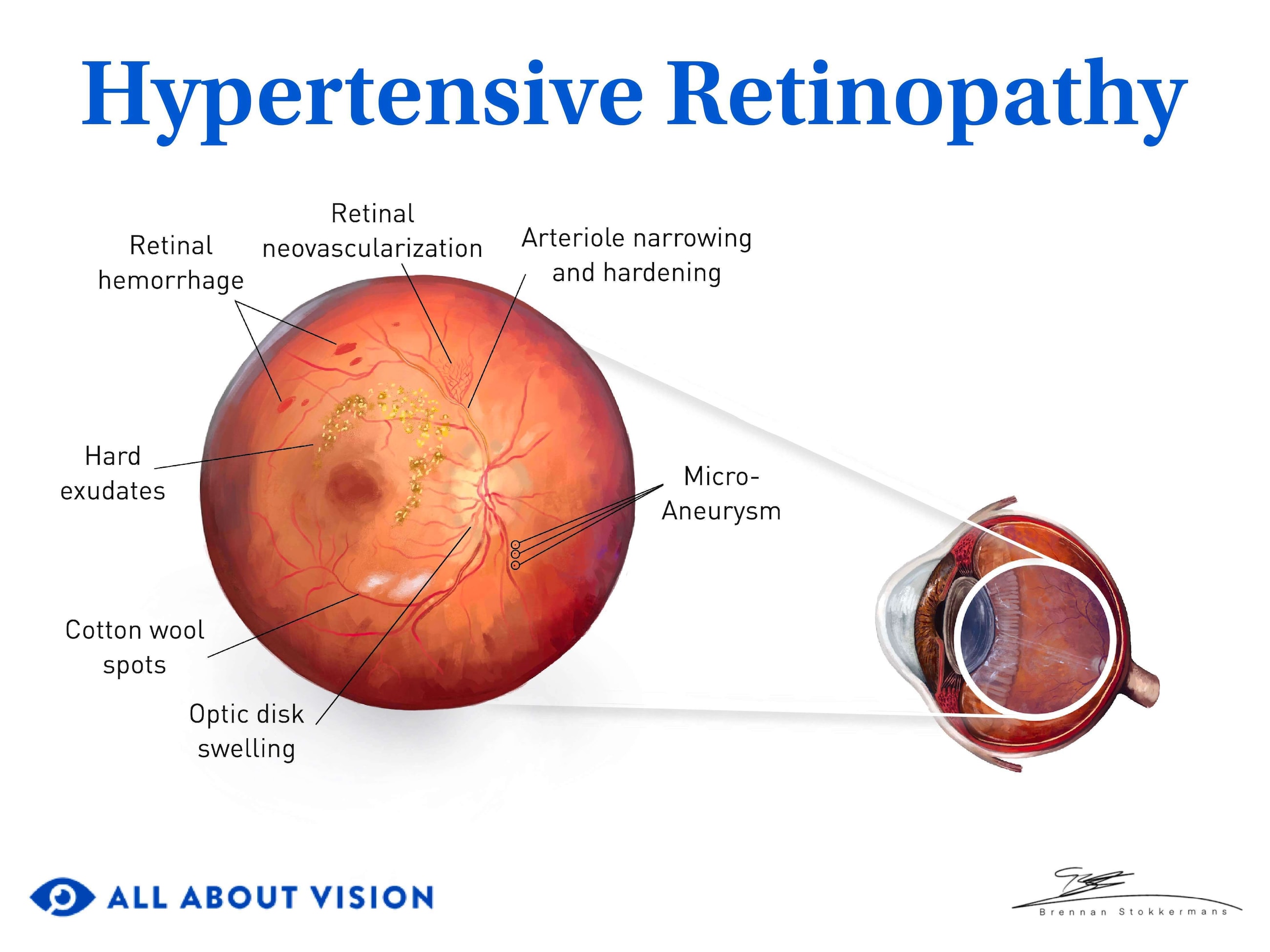
Hypertensive retinopathy is another common form of retinopathy. It usually happens when high blood pressure (hypertension) damages the retina's blood vessels.
People have a higher risk for retina damage the higher their blood pressure is and the longer it stays high.
Click image to enlarge.
Hypertensive retinopathy usually won't cause symptoms until it progresses. Then it can cause:
- Double vision
- Dim or faded eyesight
- Headaches
- Vision loss
Sometimes, the symptoms will go away once your blood pressure is normal.
Controlling high blood pressure is a helpful way to prevent and treat hypertensive retinopathy.
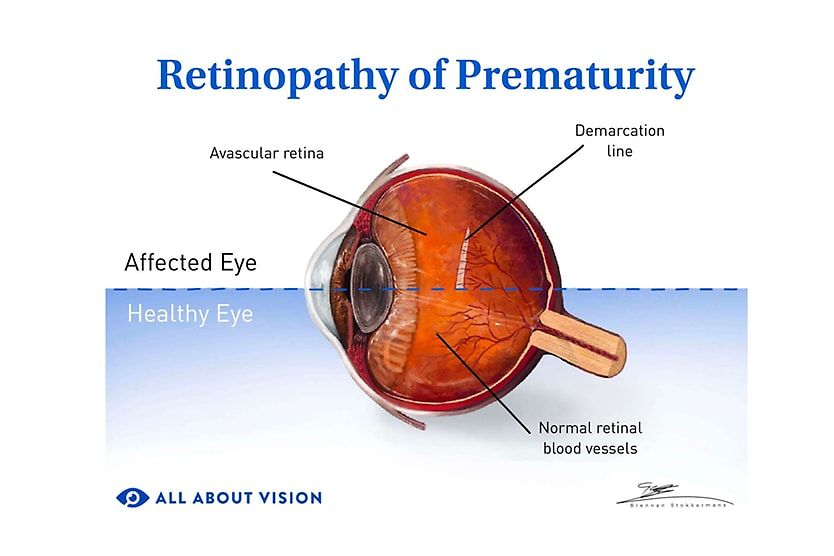
Retinopathy of prematurity
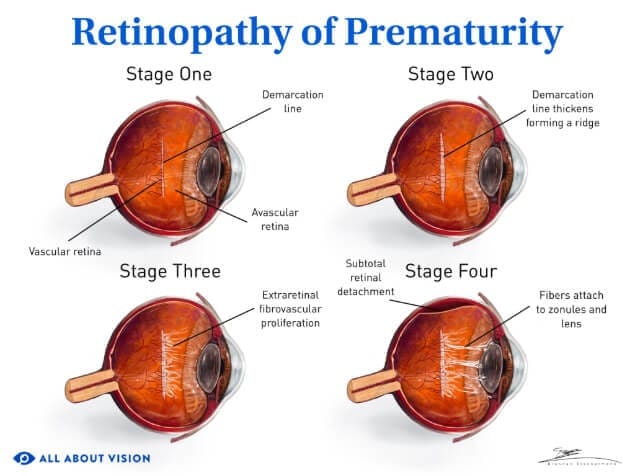
Retinopathy of prematurity (ROP) can affect newborn babies who are born early (before 30 weeks) or weigh less than three pounds when they're born. It happens because a baby's retinas haven't had enough time to develop all the way.
Click image to enlarge.
ROP doesn't usually cause obvious symptoms at first, but a baby may eventually show signs of retinopathy. These may include:
- Unusual eye movements
- Difficulty following things with their eyes
- Difficulty recognizing people
- White pupils
Mild ROP can get better on its own. Some cases may need to be treated with eye injections or surgery.
Hydroxychloroquine retinopathy
Hydroxychloroquine retinopathy is retina damage caused by the medication hydroxychloroquine. The drug was initially used to treat malaria, but it can also be used to treat certain autoimmune diseases.
Many people with this kind of retinopathy may have taken hydroxychloroquine for many years or at high doses.
As the condition progresses, it can cause:
- Problems with color vision
- Blurred or low vision
- Flashes of light
- Straight lines that look wavy
- Vision loss in the center of your eyesight
One way to stop eye damage is to stop taking hydroxychloroquine. If needed, doctors can help patients find different ways to treat their underlying health conditions.
Sickle cell retinopathy
Sickle cell retinopathy can happen when someone has sickle cell disease. The genetic disorder can cause misshapen red blood cells that die off earlier than they should, which can lead to health and eye problems.
The C-shaped cells can bunch together and block blood vessels in the retina. That can make new blood vessels grow in unusual and potentially dangerous ways.
Many people with sickle cell retinopathy don't have symptoms. But some people experience:
- Blind spots
- Eye floaters or flashes of light
- Peripheral (side) vision loss
An eye doctor may suggest laser treatment to prevent future damage. Some people may have eye injections to prevent new blood vessels from growing.
Solar retinopathy
Solar retinopathy is when ultraviolet (UV) radiation can damage your retina. In some cases, this happens when someone looks at the sun without the right protection.
It may cause:
- A blind spot in one or both eyes (usually both)
- Changes in how certain colors look
- Distortions in how shapes and sizes look
- Headache in the forehead or temple area
Researchers haven't found an effective way to treat solar retinopathy. The vision problems often improve on their own within six months, but some damage may be permanent.
Solar retinopathy is different from an "eye sunburn." This condition (called photokeratitis) can be painful, but it generally affects the outer layer of your eye and usually gets better within a few days.
Radiation retinopathy
Radiation exposure can damage your retina. Eye doctors call this radiation retinopathy.
Higher doses of radiation may increase the risk of retina problems.
Radiation cancer treatments are a common cause of radiation retinopathy. The damage is common when radiation is aimed at an area around the eyes or nose, especially when it's hard to protect the eye.
People won't always notice early or mild symptoms. If there's damage, someone may see eye floaters or feel like their vision is deteriorating.
Eye doctors can use certain oral medications, eye injections and laser procedures to help treat this problem.
Lesser known types of retinopathy
Some retinopathies aren't as known as others, but they are just as important for people affected by them. Some of these conditions are:
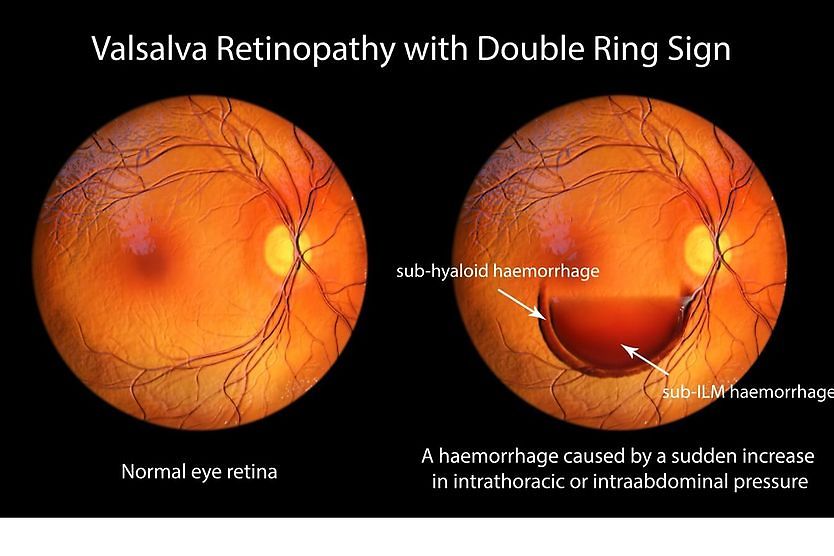
- Valsalva retinopathy – Small blood vessel ruptures in the retina that happen when pressure builds up in your chest. It can be caused by activities like weight lifting, throwing up or even sneezing.
- HIV retinopathy – A common eye complication in people who have HIV infections. Most cases are caused by problems with tiny retinal blood vessels.
- CMV retinitis – Retinal damage from a cytomegalovirus infection. It mostly affects people whose immune systems are weakened by another disease, such as AIDS.
- Leukemic retinopathy – Broken retinal blood vessels and other eye problems caused by leukemia (blood cancer). It's a common eye-related complication with this type of cancer.
- Retinitis pigmentosa – Rare genetic problems that disable retinal cells over time. They lead to different levels of vision loss as they progress.
- Commotio retinae – Retina damage caused by an injury to the eye or area around it.
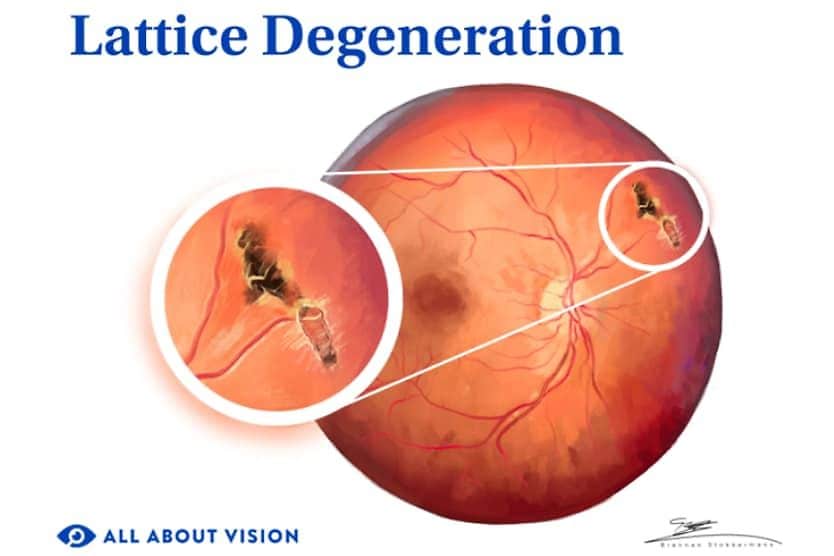
There are more types of retinopathy than the ones listed above. An eye doctor may use a comprehensive eye exam to diagnose their patient or refer them to a specialist.
Diagnosis and treatment of retinopathy
Eye doctors often perform a dilated eye exam to diagnose retinopathy.
During this exam, the eye doctor will use eye drops to help your pupils open wider. It typically doesn't hurt, but it can make your vision blurry and your eyes sensitive to light for a few hours.
Your eye doctor may give you temporary sunglasses to wear, but you can use your own pair, too.
Treatment
Retinopathy treatment usually depends on which type of eye problem you have and other eye or health factors.
Sometimes, retinopathy might need to be managed or treated to prevent more vision loss. Some people need treatment, but other people can wait a while. This depends on your condition and what your doctor thinks it is.
For some retinopathies, eye doctors often recommend eye treatments like laser surgery, eye injections or other procedures. But the treatment doesn't always involve your eyes. In these cases, your eye doctor could suggest taking medicine by mouth or making adjustments in your everyday life.
Some kinds of retinopathy don't have any treatment. They may or may not get better on their own.
If retinopathy is caused by a whole-body disease, like diabetes or high blood pressure, controlling the disease may prevent future damage to your retina. Your eye doctor can help develop a plan to manage your eye health and overall well-being.
If your eye doctor sees any signs of retinopathy, they may refer you to a retina specialist — an ophthalmologist who's specifically trained to help diagnose, treat and manage retinopathy.
When to call an eye doctor
Schedule an eye exam with a nearby eye doctor if you notice any changes in your eyes or eyesight.
Some eye problems aren't always symptoms of retinopathy. They could be signs of a refractive error, like nearsightedness, an eye infection or another eye condition altogether.
If your eye doctor sees signs of retinopathy, they may be able to recommend treatment to help protect your vision for the future.