Most Americans see the importance of eye exams, but fewer than half get one every year
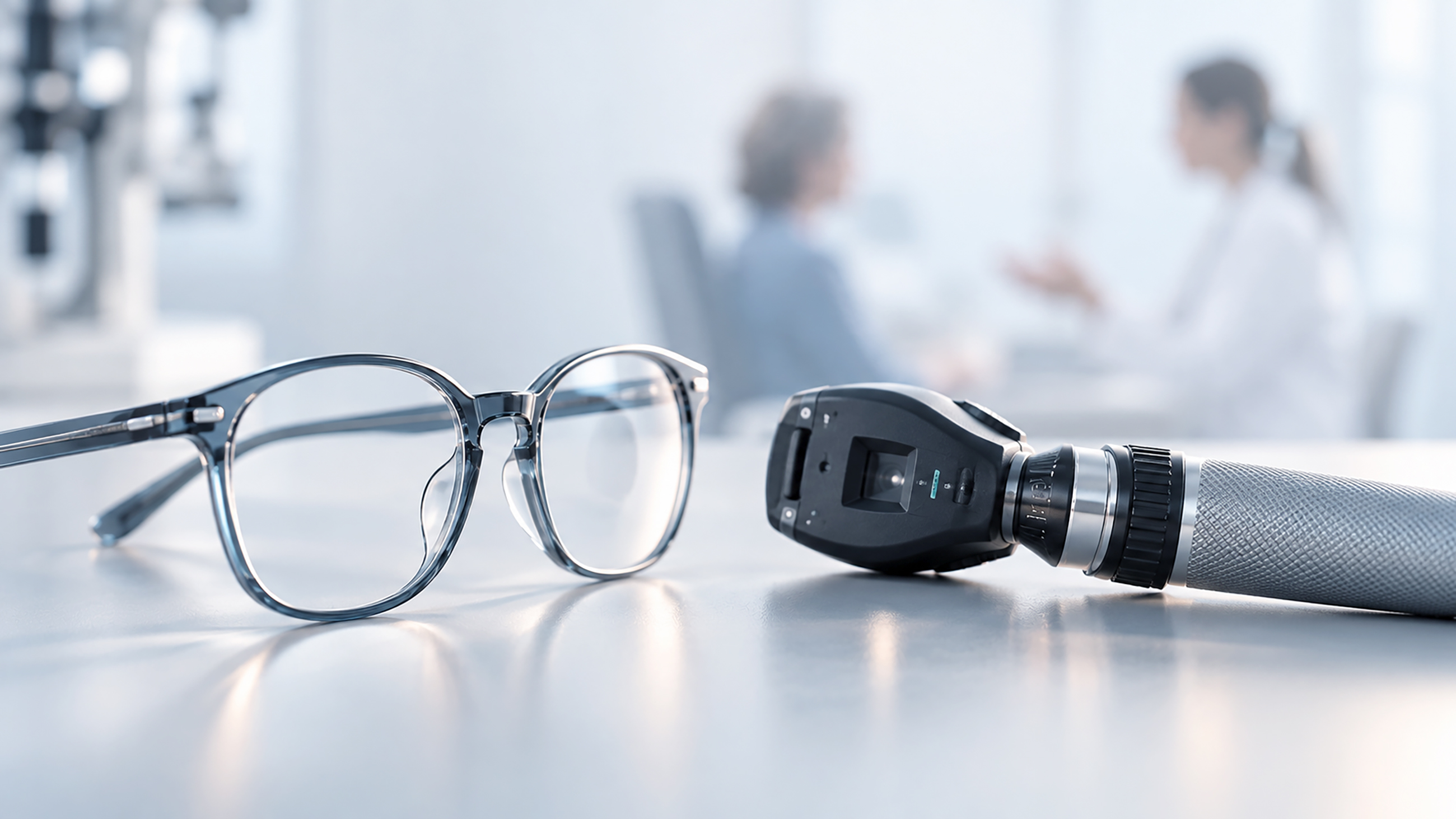

A comprehensive eye exam does more than check your vision. It’s an important form of early detection that can uncover signs of hypertension, diabetes, neurological conditions and other more serious health matters beyond the eyes.
The Harris Poll recently conducted a survey of 2,013 American adults Sept. 10-11, 2026, for All About Vision (AAV). The results revealed several disconnects between what adults believe about the importance of a comprehensive eye exam and what they actually do. Among the key findings:
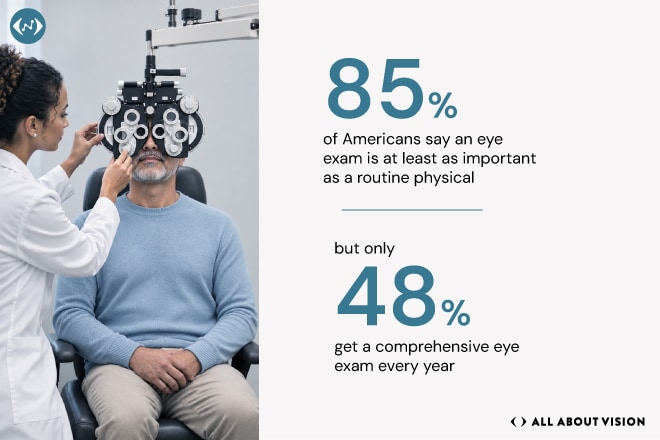
- 85% of Americans consider comprehensive eye exams at least as important as a routine physical. However, only 48% get one every year.
- 89% of Americans say understanding what a comprehensive eye exam includes would make them more likely to get one.
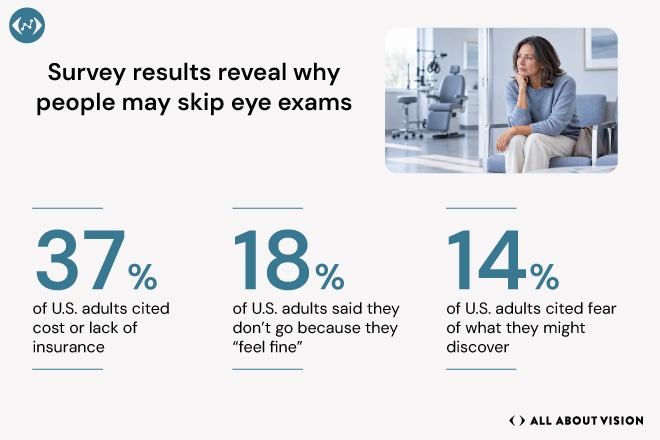
- 72% of Americans report a barrier to getting a routine eye exam, with cost or insufficient insurance coverage (37%) the most cited challenge.
A comprehensive eye exam can reveal signs of over 270 systemic and eye-related health conditions. That’s why it’s important for people to discuss with their eye doctor what health conditions their comprehensive eye exam may uncover.
Unpacking a comprehensive eye exam
Osama Said, OD, who practices in Raleigh, North Carolina, said he explains the comprehensive eye exam as having two major components:
- Visual health, which examines the way someone sees
- Ocular health, which checks for cataracts, glaucoma and other eye conditions
A comprehensive eye exam is a full medical evaluation of one’s eye health and visual system. In addition to measuring intraocular pressure (IOP) to screen for glaucoma, eye doctors assess how clearly each eye sees. They test for refractive errors like nearsightedness, farsightedness and astigmatism. The exam also evaluates how the eyes move and work together, and checks the retina, optic nerve and cornea for signs of eye disease and other health conditions.
AAV’s survey highlighted some confusion about what an eye exam involves. Sixty-three percent of adults associate getting their eyes checked with updating a glasses prescription or contact lens prescription, while 62% connect it to a comprehensive evaluation of eye health, not just their vision.
“One of the things that really is important for patients, consumers and the general public to understand is that when you go see an optometrist or ophthalmologist for a regular routine eye exam, there are really two different components to that eye exam. One of them is what we call a refraction or visual health, meaning: Can you see clearly? Do you need glasses? And that is really only 50% of the eye exam,” said Dr. Said.
The more people are cognizant of identifying signs of glaucoma, retinal issues and other conditions like dry eyes and allergies, for example, the better they can actively participate in their overall health.
“Part of the challenge or the problem is that most patients don't understand how complex a comprehensive eye exam really is. They think that the doctor is just going to check and see if I need glasses. And I know that I don't need glasses; I see fine. So, what's the point of this eye exam? But the medical portion of the eye exam is critical to everyone, even if you're not having any problems at all with your vision,” added Dr. Said.
Getting past the trap of “I feel fine”
When someone doesn’t feel pain or notice vision changes, they may feel comfortable skipping a trip to the eye doctor. Nearly 1 in 5, or 18%, of adults say they might not get a comprehensive eye exam because they believe it’s not necessary if they don’t have any symptoms.
Dr. Said said he commonly meets people who think they don’t need an exam because they don’t have any noticeable vision concerns. But as he shares with patients, there is far more going on with your vision system than just how you see.
“Perhaps you have 20/20 vision, you feel like you're not having any issues seeing far away or up close, yet there are some really important things that could be happening inside the eye and could impact ocular health, although it's not manifesting now,” he said.
A prime example is glaucoma, which Dr. Said noted is often called the “silent thief of sight” because it can develop without obvious symptoms. Glaucoma damages the optic nerve and can cause permanent vision loss. Elevated intraocular pressure is a major risk factor, but the condition can also develop in people with normal eye pressure. During a comprehensive eye exam, eye doctors measure intraocular pressure (IOP) and examine the optic nerve for signs of damage.
How eye care can support primary care
AAV’s poll results found that 68% of adults say a comprehensive eye exam is just as important as a routine physical exam, and 17% say it’s more important. While 74% say they get a physical on a routine basis regardless of whether they have symptoms, just 48% say they get a comprehensive eye exam every year. For some reason, knowing it’s important may not be a good enough reason for people to make the appointment.
April Jasper, OD, FAAO, who practices in West Palm Beach, Florida, said eye care can function much like primary care. Not only do the eyes have a direct connection to the brain via the optic nerve, but problems that are happening elsewhere in the body may manifest themselves within the eyes.
“What's interesting about optometry is we tend to be that primary care provider,” Dr. Jasper said. “And even though we're about eyes, eyes are also about everything. It is all about vision, but it's also about how our eyes are related to everything else going on in our body. And many times patients start with us.”
A majority of adults, 89%, believe a person’s eyes could reveal health issues elsewhere in the body. But awareness is lower when it comes to specific conditions.
Only 29% know a comprehensive eye exam could reveal signs of cardiovascular conditions such as high blood pressure or high cholesterol. Only 24% know it could uncover signs of neurological conditions such as multiple sclerosis.
If an eye exam shows signs of another health problem, additional evaluation from a medical expert is needed to establish a firm diagnosis.
Intervening just in time
Dr. Jasper had a patient who came in because they were seeing spots. During the exam, she discovered changes in the patient's retina caused by extremely high blood pressure. The patient hadn’t seen a doctor, thinking their health was otherwise fine.
Dr. Jasper said the blood pressure was life-threatening and the patient went to the hospital that day.
She said that while this case is an outlier, she references it in conversations with patients and continuing education talks with other optometrists as an example of how eye exams are a first line of defense for other health conditions.
The capabilities of doctors to address health challenges identified in an eye exam have accelerated, according to Dr. Said, making them prime for much earlier intervention than in the past.
“We have so many more tools and medications available to us where things that are caught early can be treated,” Dr. Said said. “When I first started practicing 20 or 25 years ago, we didn't have those options. The importance of a routine eye exam and early detection is really even more important now than it was in the past because now we have the ability to do something about it if it's caught earlier.”
The possibility of discovering a health problem can also discourage people from getting an eye exam. The survey found that 14% of adults cite fear of what they might discover as a reason they might not get a comprehensive eye exam.
Managing cost and insurance
Over one-third of adults, or 37%, cite cost or lack of insurance as a reason they might not get a comprehensive eye exam. A separate study using federal survey data from 2019 to 2022 found that about 1 in 4 privately insured adults ages 18 to 65 lack coverage for vision care services.
Dr. Jasper recommends that patients contact their insurance provider to ask specifically about medical or vision benefits for eye exams. She said eye care practices can also help patients determine what their insurance covers and identify options for obtaining care.
When to schedule an exam
How often an adult needs a comprehensive eye exam may depend on their age and risk for eye disease.
Dr. Jasper encourages yearly visits and open dialogue, even giving out her mobile number so patients can reach out if there’s an issue.
“I look at a patient and I say, ‘I'm going to see you next year,’” she said. “And then I tell them, but remember, if something comes up between now and then … please don't wait for a year. Give me a call."
Survey Methodology
This survey was conducted online within the United States by The Harris Poll on behalf of All About Vision, supported by EssilorLuxottica, from Sept. 10–11, 2026, among 2,013 U.S. adults ages 18 and older. The sampling precision of Harris online polls is measured by using a Bayesian credible interval. For this study, the sample data is accurate to within +/- 2.7 percentage points using a 95% confidence level. For complete survey methodology, including weighting variables and subgroup sample sizes, please contact All About Vision.