FDA requires GLP-1 drug warnings for rare optic nerve condition
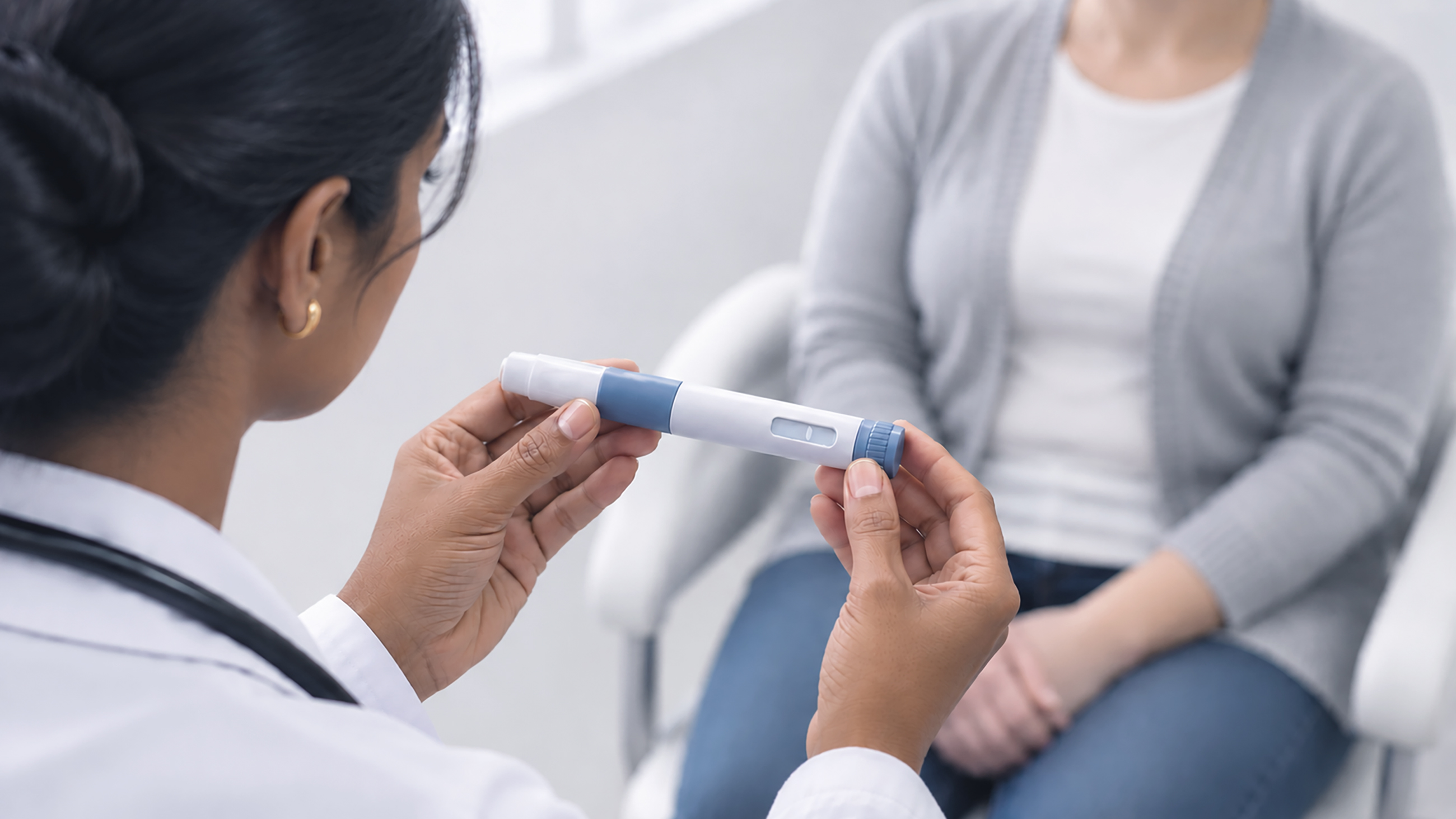

FDA updates safety labeling for GLP-1 medications
On November 9, 2026, the U.S. Food and Drug Administration (FDA) announced new safety labeling requirements for GLP-1 medications. This includes semaglutide and tirzepatide, among others. The change follows a review of evidence suggesting a potential increased risk of a rare eye condition.
The condition is called non-arteritic anterior ischemic optic neuropathy (NAION). It occurs when blood flow to the front of the optic nerve is reduced. NAION can cause sudden, painless vision loss in one eye, which may be permanent. Drugmakers must add information about the condition to the warnings and precautions section of their prescribing labels.
Why it matters
GLP-1 medications are widely used for Type 2 diabetes and weight management. Although NAION is rare, the FDA has identified a potential increased risk across available studies.
In its analysis of 126 clinical trials, the FDA found an estimated annual rate of approximately six NAION cases per 100,000 people taking GLP-1 medications, compared with about four among those receiving a placebo or another glucose-lowering medication.
The findings do not establish that these drugs cause NAION. Conditions such as diabetes, high blood pressure and sleep apnea may also increase NAION risk.
What you should know
If you notice sudden vision loss, blurred or missing areas of vision, or changes in color vision, contact a health care professional right away.
The FDA also advises anyone who has had NAION to discuss with their health care professional whether to continue taking a GLP-1 medication.