How to recognize age-related vision changes for safer night driving

Night driving requires extra precautions, especially as we age
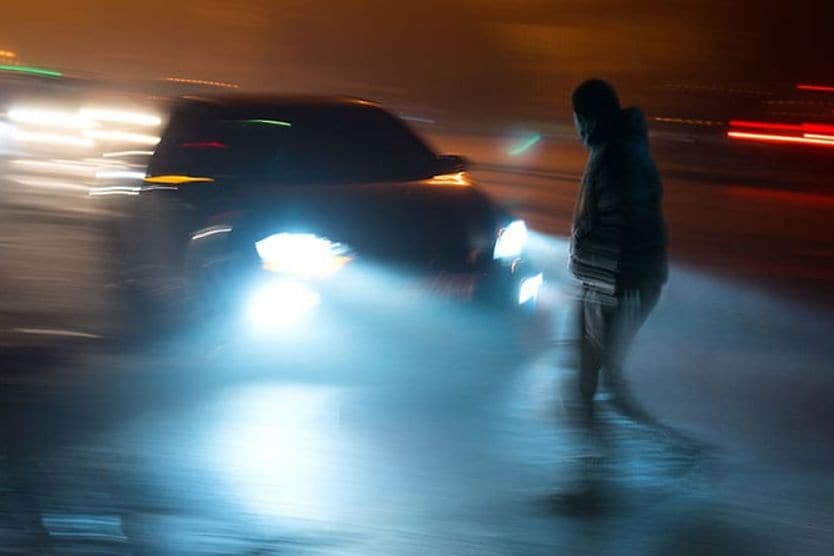
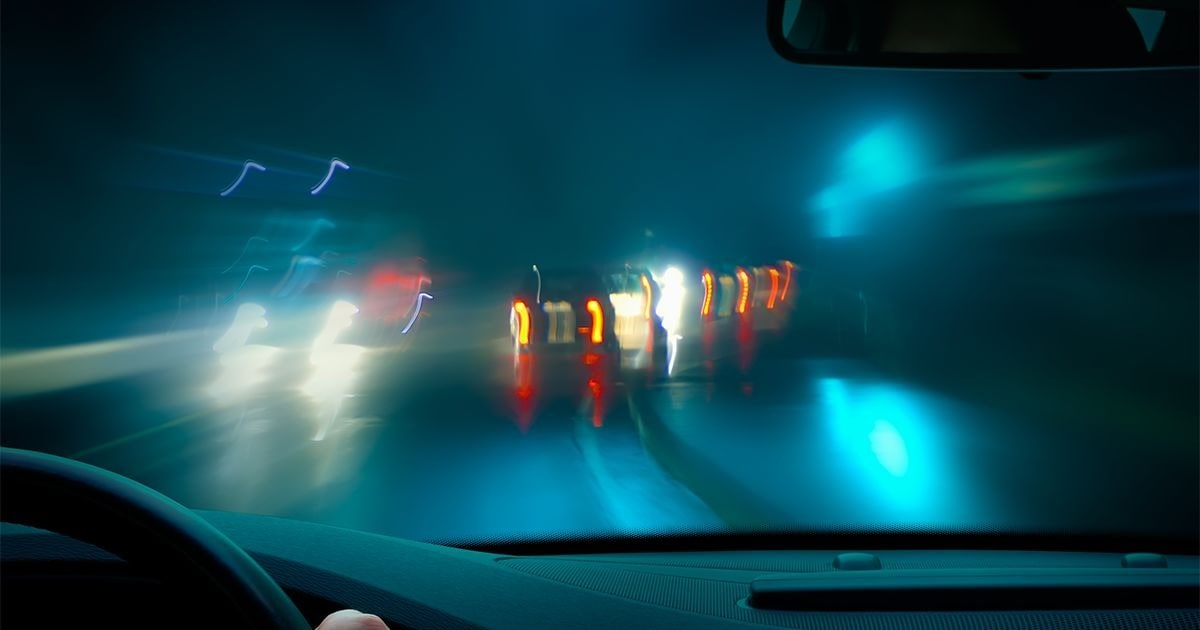
Driving at night can pose a safety hazard because visibility is worse in the dark, and night vision decreases with age. Drivers of any age must deal with glare, as well as reduced color recognition, depth perception and peripheral vision when driving at night.
A 50-year-old may need twice as much light as a 30-year-old to see clearly, according to research on night driving. At age 60 and up, night vision can become even more compromised. Age-related eye problems, such as cataracts, can also develop so slowly that drivers may not notice their vision changes.
If you factor in the effects of aging on cognition and motor function, older drivers may be more vulnerable to accidents in scenarios that require good visual perception, attention and reaction time. Getting regular eye exams and taking extra safety measures when driving in low light may help.
Natural eye changes that can affect driving at night
Over time, a number of changes occur in the eyes that can affect night driving vision, including:
- Pupils shrink and may not dilate as much in the dark as we age, reducing the amount of light entering the retina. This means that by age 60, your pupils are about one-third the size they were when you were 20. This can create an effect similar to wearing sunglasses at night.
- The cornea and lens in the eye tend to become less clear over time, causing light to scatter inside the eye, which can increase glare. These changes may also reduce contrast sensitivity — the ability to discern subtle differences in brightness — making it harder to see objects on the roadway at night.
- You may exhibit normal visual acuity in an eye exam but still struggle to focus on the road at night, where lighting is poor and more complex visual tasks are required.
- Aging eyes tend to develop presbyopia, causing difficulty focusing on objects up close. This can affect your overall visual acuity.
- Many people’s eyes have optical imperfections called higher-order aberrations that can’t be corrected with eyeglasses or contact lenses. These aberrations can increase with age and cause glare, especially when the pupils dilate at night.
- The risk of age-related macular degeneration (AMD), glaucoma, diabetic retinopathy and cataracts increases with age. These conditions can affect night vision, even in the early stages.
Common age-related eye conditions that may impact night driving
While vision changes with age, there are also specific eye conditions that can affect your night vision and your driving. Many of these eye conditions are more common in older adults. Here are common eye conditions your doctor will likely check for in your routine eye exams:
Cataract
A cataract is a cloudiness in the lens of the eye that commonly develops with age. Between the ages of 73 and 80, about half of people have cataracts or have had cataract surgery, according to statistics.
Symptoms of cataracts may include:
- Cloudy or blurry vision
- Faded colors
- Glare
- Headlights, lamps or sunlight that appear too bright
- Halos around lights
- Poor night vision
- Double vision or multiple images in one eye
- Frequent changes in your eyeglasses or contact lens prescription
An eye doctor will check for cataracts as part of a comprehensive vision exam. If you have cataracts, your doctor may recommend surgery. This involves putting an artificial lens in the eye with the goal to give you clearer vision.
Diabetic retinopathy
Diabetic retinopathy is an eye disease that may develop in people with diabetes. High blood sugar damages the blood vessels in the retina. This can cause the blood vessels to swell or close off. In some cases, abnormal new blood vessels form. They may bleed, cause scarring or other problems in the eye.
Symptoms of diabetic retinopathy may include:
- Floaters
- Blurred vision
- Colors appearing faded
- Problems with night vision
- Specks of retinal blood, or spots, affecting your vision; spots may clear without treatment, only to be followed by significantly blurred vision, vision loss and blindness
If you’re at risk for diabetic retinopathy, it’s important to get regular eye exams and keep your blood sugar under control to reduce the chances of vision loss. Treatments for diabetic retinopathy include medications to reduce swelling in the macula and surgery.
Dry eye
Dry eye happens when the eyes do not produce enough tears, and it's more common in older adults, especially women. In addition to aging, dry eye may be caused by eye conditions such as blepharitis or by taking certain medications, such as allergy, blood pressure, heartburn and sleep medications. People who have other conditions, such as rheumatoid arthritis (RA), systemic lupus erythematosus (SLE) or thyroid issues, may be more likely to get dry eye.
Symptoms of dry eye may include:
- A burning or stinging in the eyes
- Blurry vision
- Eye irritation that may feel like grit or sand
- Eye redness
- Difficulty wearing contact lenses
- Watery eyes that may feel like you're crying
Dry eye is a common, treatable eye condition that an eye doctor can diagnose during a comprehensive eye exam. Treatments may include artificial tears, eye drops, ointment or punctal plugs — tiny devices inserted into your tear ducts to help keep tears in your eyes. There are also in-office procedures to address dry eye symptoms.
Glaucoma
Glaucoma is a group of eye diseases that can cause damage to the optic nerve in the eye. Glaucoma often has no symptoms at first and can lead to vision loss. Regular eye exams are important for early diagnosis and treatment. If you are over 60 or if you are African American and over 40, you may be at higher risk for glaucoma.
Symptoms of glaucoma may include:
- No symptoms initially
- Gradual decrease of peripheral vision
- Eventual loss of peripheral vision and blindness
Glaucoma can be diagnosed with a comprehensive eye exam with eye dilation. Treatment for glaucoma includes medications, such as eye drops, and lasers to lower eye pressure. If medicines and laser treatments aren’t meeting treatment expectations, surgery may be performed to improve the drainage of fluid from the eye.
Dry macular degeneration
Dry macular degeneration (the most common type of macular degeneration, accounting for 85% to 90% of cases) is a condition in which waste product deposits known as drusen form under the retina. This can cause vision to get worse over time.
Symptoms of dry macular degeneration may include:
- Blurred vision, which is a common early sign
- Inability to see details clearly at a short distance as the disease progresses
- Small, growing blind spot in central vision
- Wavy or bent lines
Dry macular degeneration can be diagnosed during a routine eye exam. If your eye doctor believes you may have dry macular degeneration, they may perform additional eye imaging, including retinal photographs, optical coherence tomography (OCT), OCT angiography (OCTA) and using a dye that can offer an enhanced view of the back of the eye. Treatment for dry macular degeneration may include supplements and monitoring. Your doctor may recommend using vision aids for low vision.
The advanced stage of dry macular degeneration is called geographic atrophy (GA), which is a serious eye condition that can lead to central vision loss. Geographic atrophy can affect one or both eyes, but if you have GA in one eye, you are more likely to get it in the other eye. While there is no cure, treatments are available to help slow the progression of GA and protect the retina from further damage.
Wet macular degeneration
Wet macular degeneration (the less common type of macular degeneration, accounting for 10% to 15% of cases) is an eye condition in which new blood vessels grow under the macula, a part of the retina. These vessels may leak, causing eye damage and vision loss.
Symptoms of wet macular degeneration may include:
- Blurry near vision
- Dark spots
- Floaters
- Worsening color vision
- Distortions, such as straight lines appearing crooked
- Loss of central vision
Wet macular degeneration is diagnosed with a comprehensive eye exam, along with diagnostic imaging to view the inside of your eyes, including the blood vessels. Wet macular degeneration can be treated with medication that stops new blood vessels from forming.
Surgery may also affect night vision
Ironically, high beams, auxiliary lights and fog lights designed to help you see better at night can put you at risk for an accident due to the glare you may experience when oncoming vehicles have these features.
Some motorists who have undergone laser vision correction, such as laser-assisted in-situ keratomileusis (LASIK), may experience increased glare from oncoming headlights due to corneal higher-order aberrations caused by their surgery.
Practical night driving tips for better eye comfort and safety
Concerned about your night vision? Keep in mind that daytime driving is safer, no matter what your age. But if you must drive at dusk and after dark, there are steps you can take to stay safe:
Get regular comprehensive eye exams.
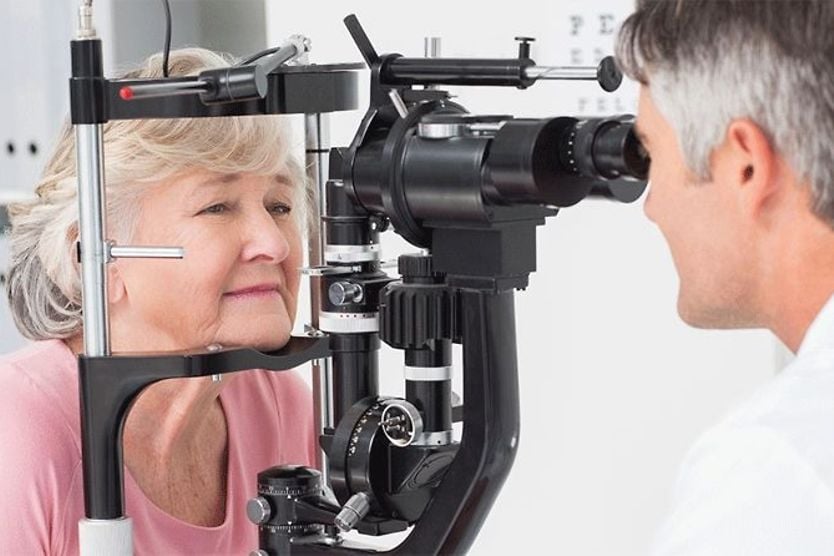
Adults 50 and up should get a comprehensive eye exam yearly or as recommended by their eye doctor. Regular eye exams are essential to detect issues, like cataracts or glaucoma, that can affect your night driving. And if you need glasses or contacts, it’s important to make sure you have the correct prescription for sharper vision.
Drive more slowly at night to allow for reduced visibility.
It’s always important to follow the posted speed limits, but it’s a good idea to lower your speed further in certain driving conditions, such as darkness or bad weather. This is known as driving for the conditions.
Use high beams the right way to improve visibility.
High beams can help drivers see twice as far at night but are underused, according to experts. Keep in mind that headlights should be aimed slightly away from oncoming cars. And high beams should not be used in certain situations, such as oncoming traffic, poor weather (fog, rain or snow) and when going over hills or making turns.
Focus on the road.
Visibility issues decrease reaction time when driving after dark. This means it’s crucial to avoid distractions and keep your eyes and attention on the road. Pull over and take a break if you want to eat or drink, plug a destination into your GPS or have a phone conversation.
Take a course to refresh your driving skills.
No matter how many years you’ve been behind the wheel, a driving class can help make you a safer driver. Some organizations offer driving courses for older drivers.
Don’t rely on night driving glasses.
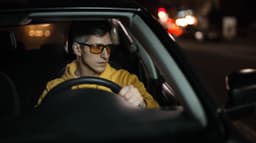
Glasses with yellow lenses marketed as night driving glasses have not been found to help with night vision and thus are not recommended. In contrast, wearing the vision correction prescribed by your eye doctor is essential.
When to schedule an eye exam
Regular comprehensive eye exams can help you to make sure that your vision is in good shape for night driving. Visiting your eye doctor on the recommended schedule can help to keep you and others on the road safe. It’s also the best way to maintain your eye health and vision, ensuring you get prompt treatment for any eye issues.