How hot and cold weather affect contact lenses


Extreme weather can wreak havoc on your health — sunburn in the summer and flu in the winter, for instance. Hot and cold weather also can affect the wearability of contact lenses, leading to discomfort or even an increased risk of infections.
You may even have wondered how extreme heat or cold affects that box of contact lenses left at your front door first thing in the morning that you discovered when you got home from work.
Follow this advice to ensure the weather doesn’t rain on your parade as a contact lens wearer.
Hot weather or heat
Block the sun
Since we tend to spend more time outdoors in warmer months, it’s important to limit your eyes' exposure to harmful UV rays. Therefore, you might consider wearing contact lenses with UV protection, particularly during the summer. But keep in mind that these won't protect the uncovered portion of each eye. That's why it's still recommended to wear sunglasses with 100% UV protection.
Polarized sunglasses can also help reduce glare when you’re outside, regardless of whether the thermometer shows 90 degrees or 9 degrees.

DO YOU NEED SUNGLASSES? Find an optical store near you to start shopping.
Stop the flow of sweat
In hot weather, especially when the heat is coupled with humidity, it takes no time at all to work up a sweat — even when you’re not exercising.
To avoid the sting of sweat in your eyes, consider wearing an absorbent headband or frequently wiping your brow with a towel. Your eyes and your contact lenses will thank you for it.
Don’t fear intense heat
It’s a myth that contact lenses will melt in your eyes if the summertime heat is bearing down on you or if you’re standing over a barbecue grill.
Plenty of contact lens wearers spend hours in hot conditions, and none of them experience melted lenses. But make sure to wear sunglasses or protective eyewear to prevent hurting your eyes.
Don’t make waves
If you dive into the pool at a gym, hotel or in your backyard, remove your contacts before making contact with the water.
Wearing your contacts while swimming can cause eye irritation and infection. This advice also applies to splashing around in the ocean, taking a shower or soaking in a hot tub.
Instead of wearing your contacts, take them out beforehand and slip on a pair of swim goggles before hitting the water.

Cold weather
Heed the low humidity
In the fall and winter, when humidity normally decreases, your eyes can become drier because your tears are more likely to evaporate.
Therefore, it’s important to stock up on contact lens-compatible eye drops or artificial tears. Plus, you should still wear sunglasses or consider goggles when you’re outdoors to block eye-drying winds.
READ NEXT: How climate may affect eyes and vision
Stay away from direct heat
Particularly in the winter, we crank up the heat in our homes, offices and vehicles to combat the chilly temperatures.
Whether the heat originates from furnace vents, car vents, a radiator, a fireplace or a stove, it can dry out your eyes and lead to irritation.
To help ensure your eyes stay moist, steer clear of close contact with these heat sources and consider using a humidifier.

Don’t fear the freeze
Just as contact lenses can’t melt in your eyes, they also can’t freeze in your eyes.
Why? Because they’re kept warm by the temperature of your corneas and your tears.
Consider wearing eyeglasses, sunglasses or goggles in cold weather to help protect your eyes from harsh winds and UV rays.
Switch to glasses
If frigid weather is contributing to ongoing eye problems, substitute your contact lenses for glasses until you can see your eye doctor.
SEE RELATED: Traveling with your contact lenses? These tips can help
Hot and cold weather
Care for your contacts
To promote eye health whether it’s sunny, cloudy, rainy or snowy, properly clean and store your contact lenses.
How do you do this? Follow the manufacturer’s recommended schedule for changing your contacts (daily, monthly and so forth).
Look into daily disposables
One way to guard against eye issues regardless of the weather is to inquire about a prescription for daily disposable contact lenses (if you’re not already using them).
A fresh, clean pair of daily contacts may reduce the likelihood of eye irritation or infection compared to reusable lenses.
Give your eyes a rest
To minimize weather-related problems, take a break from contacts — a few hours before bedtime, for example — and wear your glasses instead.
Also, be sure to get enough sleep; this may help ease eye dryness and fatigue.
Perhaps most importantly, don’t wear your contacts while you’re sleeping, since this increases the risk of developing an eye infection.
Don’t worry about contacts left at your door
You’ve ordered contact lenses online. Two days later, they’re delivered to your house.
The box of contacts has been sitting at your front door for much of the day while you’ve been away at work, so it’s been exposed to the elements.
Should you be concerned about the condition of the contacts?
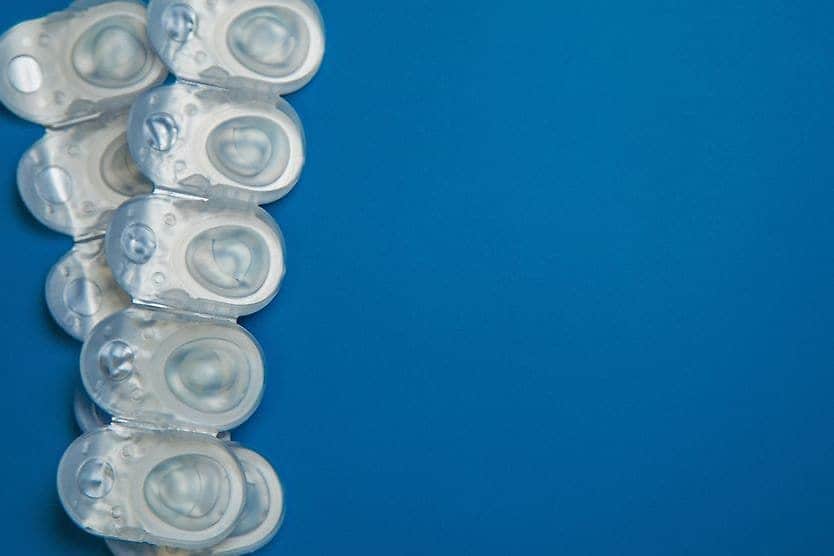
Probably not. Research suggests that unopened and properly sealed contact lenses can withstand both very hot and very cold temperatures.
SEE RELATED: Contact lenses: A guide for first-time users