Don’t flush contact lenses. Recycle them

We’ve become accustomed to recycling cardboard boxes, aluminum soda cans, plastic water bottles, magazines and other items that we once threw in the trash.
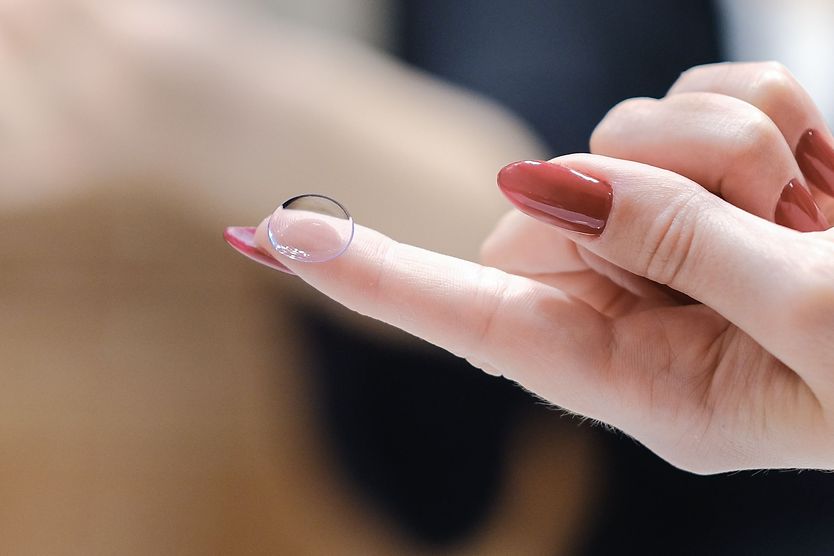
You might not, however, have considered recycling your old contact lenses. Yes, contact lenses can be recycled. But disposing of your contacts in an eco-friendly manner isn’t, unfortunately, as simple as tossing them into a recycling bin.
Follow along to learn the eye-opening dos and don’ts of properly disposing of your used contact lenses:
Don’t put contact lenses down the drain
An estimated 45 million Americans wear contact lenses. Based on one study, millions of those wearers could be clogging our waterways with their used contacts.
The study found that 15-20% of contact lens wearers were flushing their old contacts down the toilet or washing them down the sink's drain.
On a national basis, the researchers reported, that would amount to 1.8 billion to 3.36 billion lenses being flushed every year.
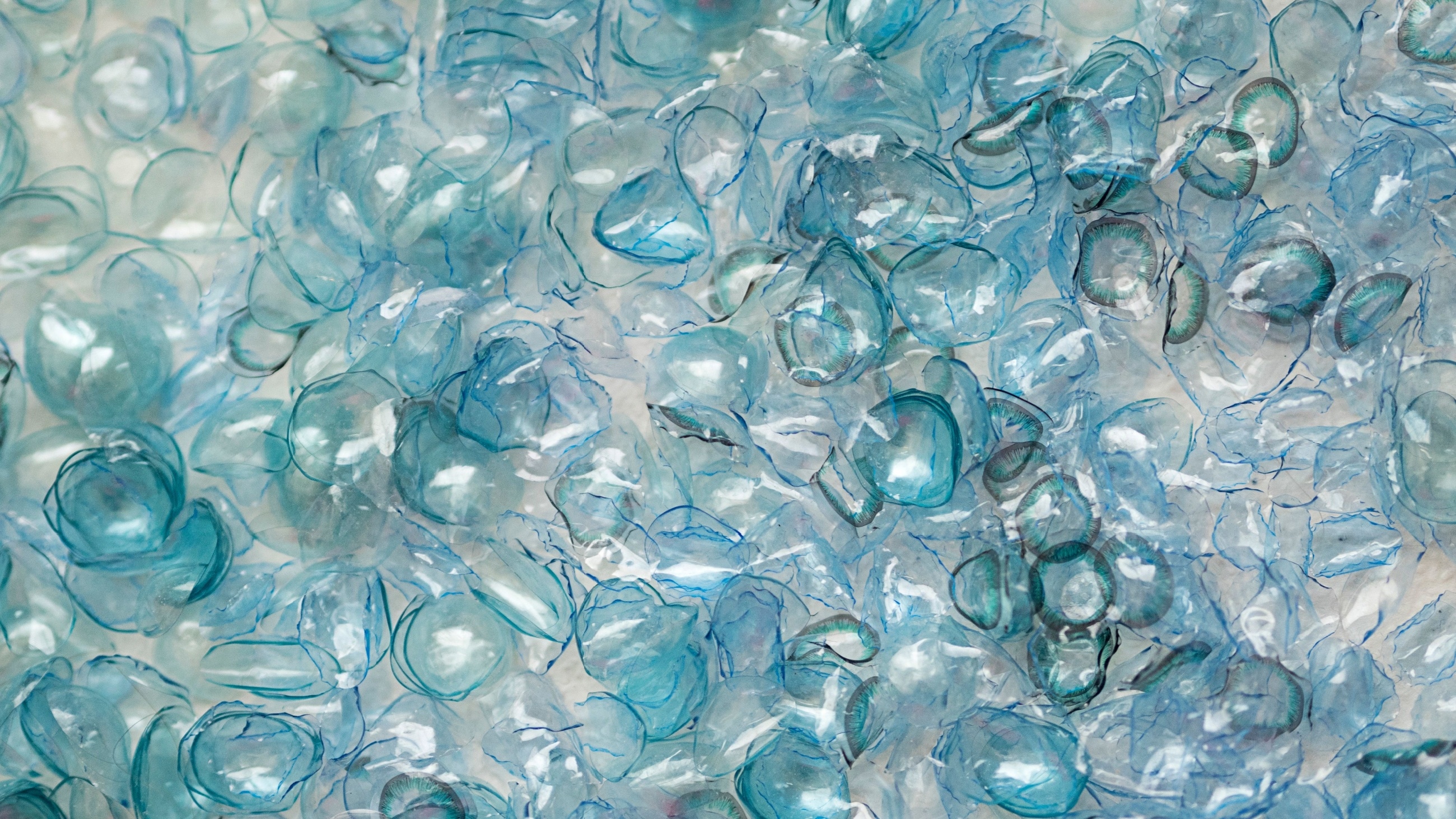
Put another way, that would translate into 20 to 23 metric tons of plastic trash winding up in our wastewater each year.
Contact lenses don’t biodegrade easily because they’re medical devices that are designed to withstand punishment. And contact lenses in wastewater is extra concerning due to their size and malleability. They are able to easily pass through the filters that are supposed to keep nonbiological waste out of water treatment plants.
Don’t mix contact lenses with the rest of your garbage
Old contact lenses don’t belong in the same trash bag as your expired yogurt and other discarded food, grass clippings and other yard waste, worn-out appliances and tired-looking furniture.
While adding contact lenses to your everyday trash means that plastic won’t flow into our water systems, it’s still being dumped at a landfill.
That’s no better than flushing your contact lenses.
SEE RELATED: Daily disposable contact lenses: pros and cons
Don’t put contact lenses in the recycling bin
Contact lenses themselves shouldn’t join bottles, cans and other recyclables at your house.
Many recycling facilities can’t process contact lenses due to their size and packaging materials, so they just get diverted to landfills.
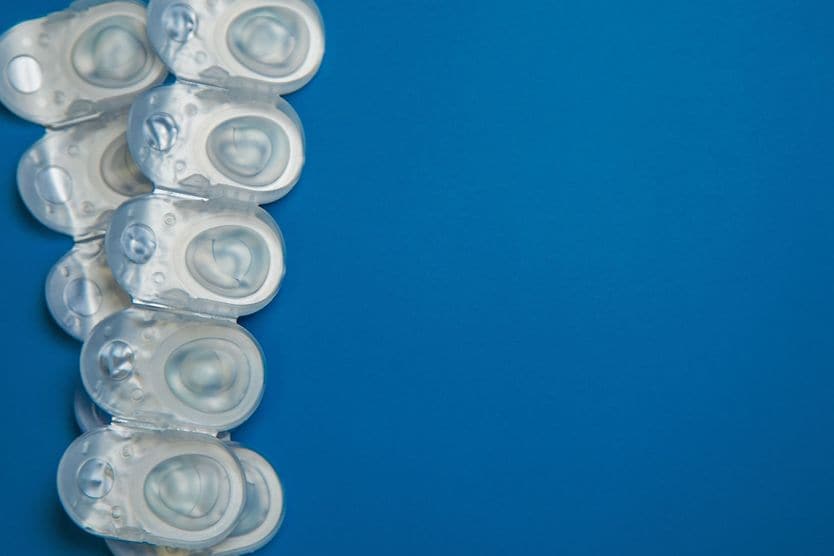
In some cases, though, there may be a way to recycle the plastic blister packs that contain your contacts. But contact your recycling center to ask about it first!
Some recycling centers may allow you to put empty blister packs inside plastic bottles and then drop them into your recycling bin once you’ve filled up the bottles.
Remember to remove the foil that covers the blister packs before you shove them into those plastic bottles, though.
Contact lens recycling — it’s a thing
We’ve gone through a few don’ts regarding disposal of contacts. Now, we’ve got one great “do” for you. Ask your optometrist for information about recycling programs or check out their website to find out how to participate on your own.
There is one program that is designed to recycle contact lenses, blister packs and blister-pack foil.
As of April 2025, the recycling program had diverted more than 103 million used contacts, blister packs and foil from waterways, landfills and traditional recycling facilities.
Altogether, those materials weighed nearly 626 tons (roughly equivalent to 90 large African elephants).
How does the program work?
Once you’ve collected your old contacts, blister packs and foil, you can pick one of two recycling paths:
- Take the waste to a local eye doctor’s office. Find a vision practice near you participating in the contact lens recycling program. At this time, drop-off locations aren’t available in Alaska and Hawaii.
- Ship it. If you go the shipping route, you’ll place the waste in a sealed cardboard box. Then you'll drop off the box at a UPS location or schedule a pickup from your home.
You don’t need to wash the contact-lens waste before you recycle it, but you should be sure the blister packs are free of liquid.
Once they are received, the contacts and blister packs are then typically separated and cleaned. The metal layers of the blister packs are recycled separately. The lenses and other components can then be broken down and remade into other recycled products.
Fortunately, the program accepts used contact lenses and other contact-lens recyclables from any manufacturer, not just Bausch + Lomb.
For every qualifying shipment weighing at least 10 pounds, they will donate $1 per pound to Optometry Giving Sight, a global fundraising initiative that seeks to prevent blindness and impaired vision.
Think of recycling your contact lenses as a “win-win” with little effort on your part. Your contact lenses and their packaging are recycled, and you’re helping programs to prevent blindness.
SEE RELATED: How to donate (recycle) your eyeglasses
Where does it all go?
Your contacts and packaging are turned into a variety of post-consumer products, ranging from candlestick holders to bird feeders to picnic tables.
That could make it a “win-win-win,” for just a little bit of extra work on your part.
IS YOUR CONTACT SUPPLY RUNNING LOW? Find an eye doctor near you to schedule a contact lens exam and fitting.