Taking care of your eyes is an important part of protecting vision and overall eye health. Some everyday habits may cause temporary discomfort, increase the risk of irritation or infection, or contribute to eye problems over time.
From using digital devices for long stretches to rubbing your eyes or wearing contact lenses improperly, small routines can affect how your eyes feel and function.
Here are seven common habits to be aware of, and simple ways to help protect your eyes.
1. Too much screen time
Avoid spending too much time looking at your smartphones, tablets or e-readers before bedtime — this may increase digital eye strain and make it easier to fall asleep.

If you use screens for long stretches, regular breaks may also help your eyes feel more comfortable.
The average American spends seven hours a day on their digital devices, the American Optometric Association (AOA) found. The same survey also revealed 58% of adults have experienced computer vision syndrome, or digital eye strain, as a result.
Children and teens may also spend long stretches of time using screens for entertainment, schoolwork and communication.
According to Barbara L. Horn, O.D., former president of the AOA, digital eye strain can be caused by using your devices in poor lighting (like in the dark before bed), screen glare, and improper viewing distances.
Symptoms of digital eye strain include headaches, blurred vision, dry eyes, neck and shoulder pain, eye irritation and difficulty falling asleep.
“While there is not a standardized number of hours adults should limit their screen time to, people who spend two or more continuous hours at a computer or using a digital screen device every day are at a greater risk of experiencing eye strain,” Horn says.
SEE RELATED: Is too much screen time bad for kids?
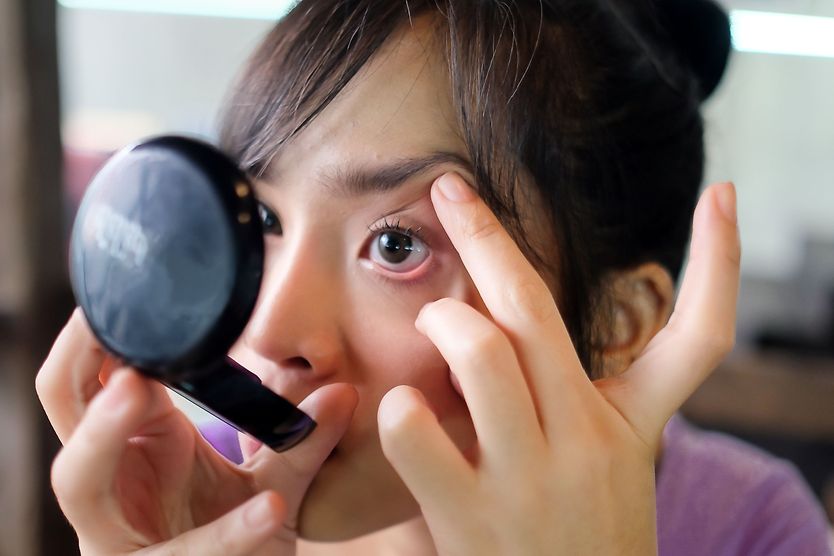
2. Rubbing your eyes
Many people rub their eyes without thinking about it, especially when their eyes feel tired, dry or irritated. But frequent or forceful rubbing can cause problems.

Forceful or frequent eye rubbing may also be associated with keratoconus, a condition that changes the shape of the cornea and can impact vision over time.
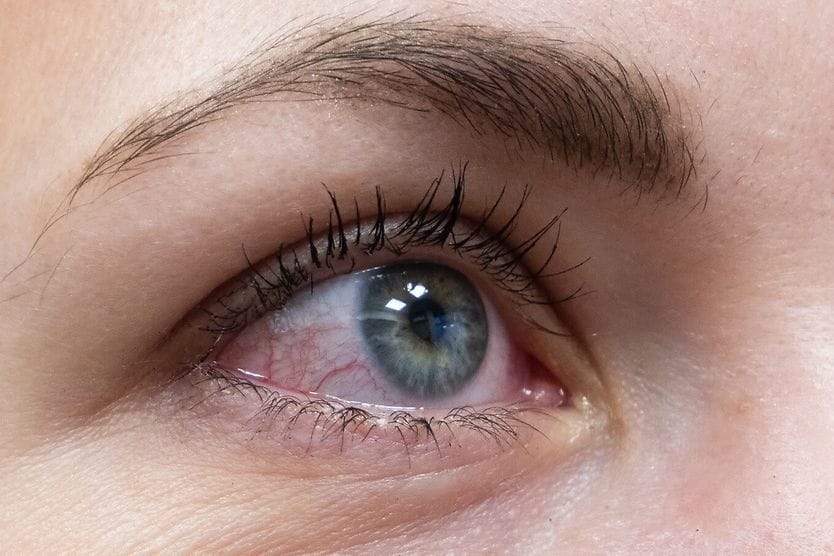
Rubbing your eyes can also increase the risk of eye infections.
“No matter how often you wash or sanitize your hands, they can still pick up thousands of germs every day,” Dr. Horn says. “Touching your eyes with your hands can transfer bacteria that can cause conjunctivitis or pink eye.”
Instead of rubbing your eyes when you feel something in them, like an eyelash or dust, Horn suggests rinsing your eyes with water or saline.
3. Wearing contact lenses improperly
A common thread among contacts wearers is that they know the rules of contact lens care — they simply don’t follow them.

The AOA found up to 90% of contact lens wearers don’t follow proper hygiene instructions, which can pose serious risks to the health of their eyes and vision.
The Centers for Disease Control and Prevention (CDC) found that most of the 45 million contact lens wearers in the U.S. practice at least some behaviors that put them at risk for serious eye infections.
“Many common care mistakes include failing to clean and store lenses as directed by a doctor of optometry and sleeping while wearing contacts,” Dr. Horn says.
“In fact, sleeping in contacts is one of the most frequently reported lens-related habits and is known to increase the risk for a serious eye infection,” she adds.
Surveys have found that about 1 in 3 people who wear contact lenses sleep or nap in them, which can lead to inflammation, dry eye, pain, blurry vision and light sensitivity.
The Centers for Disease Control and Prevention (CDC) has reported that many contact lens wearers practice behaviors that can increase their risk of eye infections.
Even with contact lenses approved for overnight use, Horn recommends taking them out regularly to give eyes a rest.
In addition to not wearing your contacts when sleeping, wear your contacts in the shower or pool. It can increase the chances of bacteria getting into your eyes.
“Contact lens wearers who don't follow their eye doctor’s recommendations for use and wear can experience symptoms such as blurred or fuzzy vision, red or irritated eyes, pain in and around the eyes,” Dr. Horn says “or a more serious condition in which the cornea becomes inflamed, also known as keratitis.”
4. Not wearing sunglasses
Before stepping out into the sun, grab a pair of shades. It’s to protect your eyes from ultraviolet (UV) radiation.

Dr. Horn says just one day at the beach without eye protection can lead to photokeratitis, also known as “sunburn of the eye,” which is temporary but painful.
Over time, UV exposure may contribute to eye conditions such as cataracts and pterygium, a growth on the white part of the eye. UV exposure may also increase the risk of certain cancers, including cancers of the eyelid, the skin around the eye and, less commonly, the eye itself.
“Having the appropriate eye protection is especially important for children and teenagers, since they typically spend more time in the sun than adults,” Dr. Horn says. “Unlike the lens found in an adult eye, which is more mature, a child's lens cannot filter out UV rays as easily, possibly causing damage to the retina.”
The average child is exposed to about three times the annual UV exposure as an adult, according to the AOA, and up to 80% of lifetime UV exposure occurs before age 20.
Just as important as wearing sunglasses is wearing a pair with protection from UV rays. Horn says you should look for sunglasses with 99% to 100% UV protection that screen out 75% to 90% of visible light.
Check the label on prescription sunglasses to ensure the pair offers 99% to 100% protection.
5. Going heavy on the eye drops
Eye drops are a popular way to get relief from red, itchy, watery or dry eyes, but improper or prolonged use may be problematic.

For example, those lubricating eye drops used to relieve dryness and irritation caused by insufficient tear production can wash away your natural tears.
“Prolonged use and/or overuse can cause a dependency on the drops to soothe and moisturize the eyes, as well as protect delicate eye layers,” Dr. Horn says. “Glands get clogged because they don’t secrete the proper oils to hold the tears in place and make the eyes feel comfortable.”
Horn also warns that whitening eye drops may decrease blood flow, preventing essential oxygen and nutrients from getting to the eye. They may temporarily narrow blood vessels in theeye, and redness can return or worsen after the drops wear off.
As for allergy eye drops, they can provide temporary relief, but it’s important to address the underlying cause of the allergic response so you aren’t them too much.
If your eye problems get worse while using drops, Dr. Horn says it’s important to see your eye doctor, who could recommend light massage routines for the eyelids and product.
6. Smoking
Smoking is associated with health risks throughout the body, including the eyes. It may increase the risk of certain eye conditions that can affect vision over time.

According to the CDC, smoking is linked to a higher degree of age-related macular degeneration and cataracts.
Age-related macular degeneration (AMD) can affect central vision, which you use to see objects clearly and perform tasks such as reading and driving. It can also make it harder to recognize faces.
Cataracts can cause blurry vision and may worsen over time. If not treated, they can lead to significant vision loss.
Quitting smoking can help reduce your risk of smoking-related eye disease. Talk with your doctor if you need help creating a plan to stop smoking.
SEE RELATED: Vaping, like smoking, may harm your eyes
7. Skipping regular eye exams
A comprehensive eye exam is an important component of good eye health.

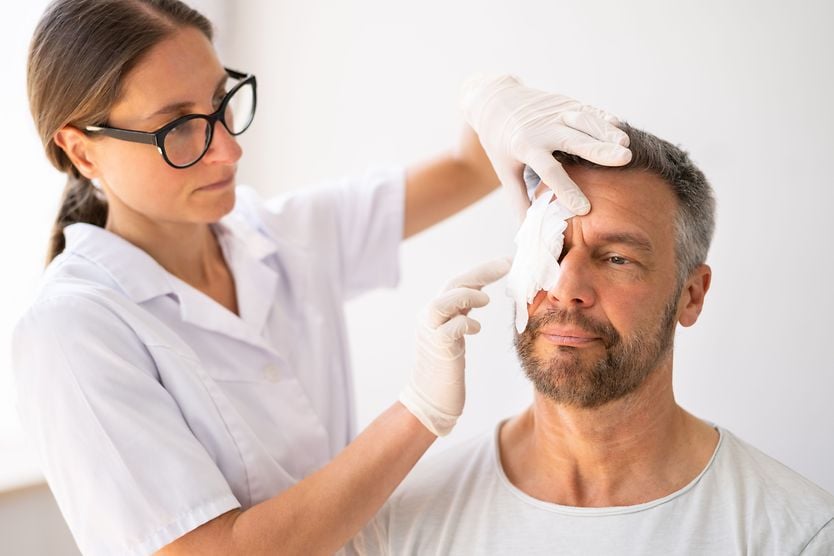
“A comprehensive eye exam can reveal more than just vision issues,” Dr. Horn says. “Through an eye exam, an eye doctor can directly view inside of the eye including the retina, blood vessels and the optic nerves, which are a direct extension of the brain.”
Many health problems in other parts of your body can affect your eyes. For example, people with diabetes and hypertension, and those who take medicine with eye-related side effects have a greater risk of developing vision issues.
Vision can change as you get older. Adults age 60 and older may also have a higher risk of certain age-related eye conditions, which is one reason regular eye exams are important.
“Many eye diseases have no early symptoms,” Dr. Horn says. “They may develop painlessly, and you may not notice the changes to your vision until the condition is quite advanced.”
The AOA and AAO recommend regular comprehensive eye exams.
WHEN WAS YOUR LAST EYE EXAM? Find an eye doctor near you and schedule a comprehensive exam.