What is optometry?
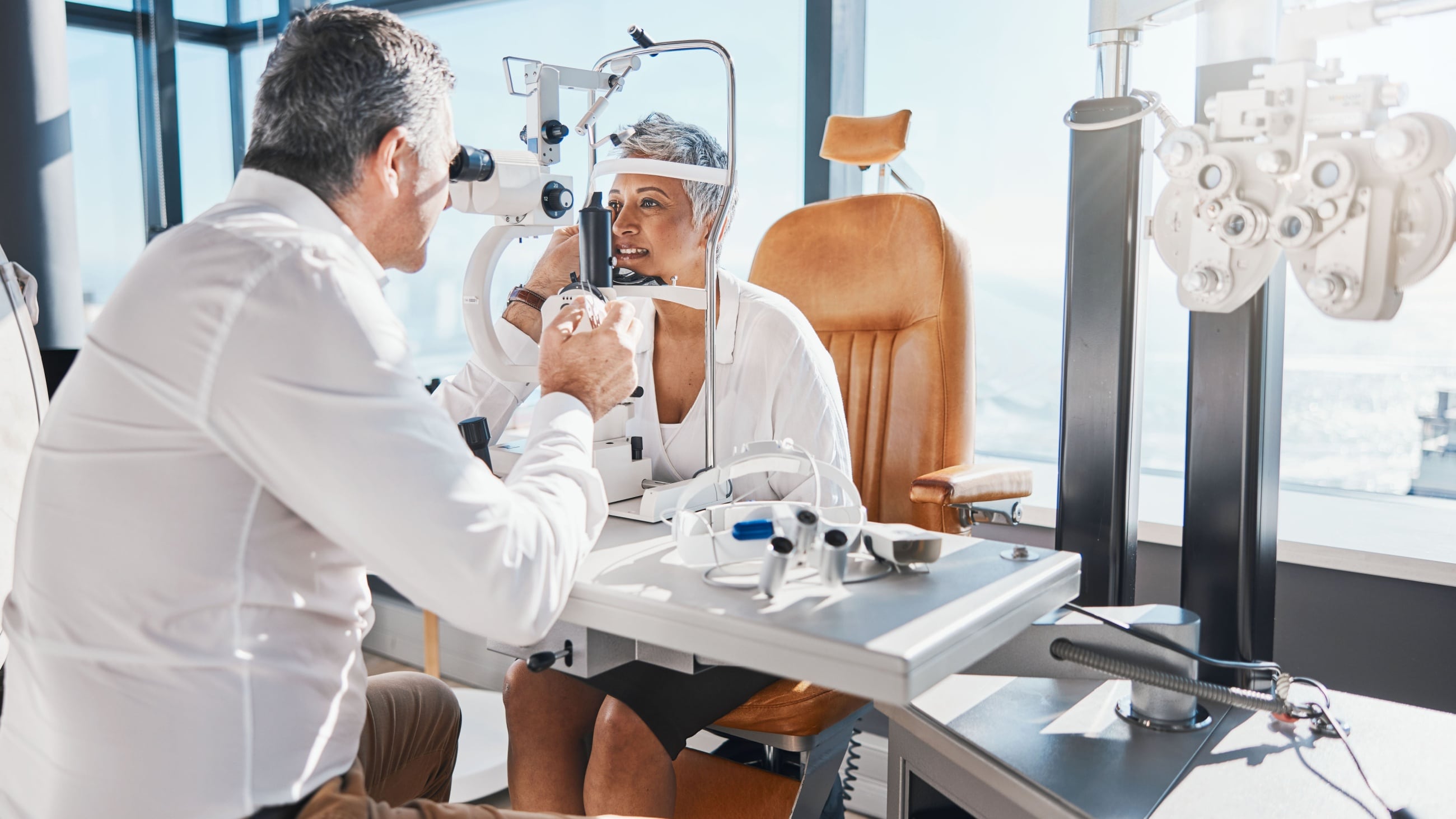

What does optometry mean?
Optometry is a health care profession focused on the eyes and visual system. Optometrists examine the eyes, diagnose and manage a wide range of eye diseases and vision conditions, prescribe corrective lenses and medications, and in many states, perform certain surgical procedures. A comprehensive eye exam is one of the primary ways optometrists evaluate eye health and vision.
During a comprehensive eye exam, an optometrist evaluates not only vision but also the overall health of the eyes. Because certain systemic conditions — such as diabetes, high blood pressure and autoimmune diseases — can produce visible changes in the eye, a routine eye exam can sometimes reveal early signs of health problems beyond vision.
One of the more common reasons people visit an optometrist is to address refractive errors, which affect how light focuses on the retina.
The four main types are:
- Nearsightedness
- Farsightedness
- Astigmatism
- Presbyopia.
Optometrists measure how light enters the eye and prescribe glasses or contact lenses to correct these errors and provide the clearest possible vision.
Which doctors practice optometry?
Optometrists are the health care providers licensed to practice optometry. They hold the degree of Doctor of Optometry, abbreviated as "OD." Optometrists are often the first eye care professionals people see for vision concerns and routine eye health care, and many choose to specialize in areas such as pediatrics, contact lenses, low vision or ocular disease management.
While optometrists diagnose and manage a wide range of eye diseases, surgical treatment is typically performed by ophthalmologists — physicians who hold an MD or DO degree and specialize in the medical and surgical care of the eye. In many states, optometrists and ophthalmologists work collaboratively to co-manage patients before and after surgical procedures. As mentioned earlier, there are some U.S. states where optometrists have the ability to perform certain types of surgical procedures.
LEARN MORE about the differences between optometrists and ophthalmologists
What does optometry cover?
Here are some of the common issues a doctor of optometry might diagnose, manage or treat:
Refractive errors
Refractive errors happen due to imperfections in the shape of the eye or certain parts of the eye. Age can also be a factor.
These common issues can affect eyesight in different ways:
- Nearsightedness (myopia) – Distant objects look blurry, while closer objects look clearer.
- Farsightedness (hyperopia) – Close-up objects look blurry, while distant objects may look clearer.
- Astigmatism – Objects can look blurry or distorted at all distances.
- Presbyopia – It can get harder to focus on things up close. This type is caused by age and usually starts around age 40.
Prescription glasses or contact lenses can correct these conditions and their effects on vision.
Other eye conditions
Optometrists can diagnose and treat many eye diseases and conditions such as:
- Common eye infections, like conjunctivitis (pink eye)
- Common eyelid conditions, like stye or blepharitis
- Minor eye injuries, like a corneal abrasion (an eye scratch) or a piece of metal lodged in the front of the eye
When certain diseases require collaborative care with ophthalmology subspecialists for advanced surgical care, an optometrist might refer for the following conditions:
- Glaucoma
- Cataracts
- Age-related macular degeneration (AMD)
- Diabetic retinopathy
- Retinal detachment or tears
- More serious eye infections, injuries or inflammation
Some Optometrists can diagnose, monitor and prescribe medication for glaucoma, but surgery or laser treatment is usually performed by an ophthalmologist.
Signs of other health problems
Optometry can often involve more than just the eyes. It can also be used to find eye-related signs of health conditions in other parts of the body.
During an eye exam, an optometrist may find signs related to health issues, such as:
- Diabetes
- High blood pressure
- High cholesterol
- Stroke
- Heart disease
- Thyroid disease
- Certain brain or nerve problems
- Certain autoimmune diseases and cancers
Optometrists may refer someone to another kind of doctor if they see signs of a possible health problem.
Which services are part of optometry?
Optometry includes different tests and services that can be important to maintaining eye and eyesight health.
Comprehensive eye exams
The comprehensive eye exam is a complete check of the eyes and vision. These are different and usually more thorough than a vision screening.
Comprehensive eye exams can be regularly scheduled checkups or related to a specific concern. This is similar to how a primary care doctor does both annual physicals and as-needed “sick” appointments.
Eye exams include several tests that can vary, depending on the patient. Together, these tests can give the eye doctor an understanding of:
- How well the patient can see.
- How healthy their eyes are inside and out.
- Any risk for future eye problems.
- How their eyesight, eye health or both can be managed or improved.
In-office testing
Optometrists can perform many different eye and vision tests. They’re often done during an eye exam:
- Visual acuity test – Measures how clearly someone can see using an eye chart.
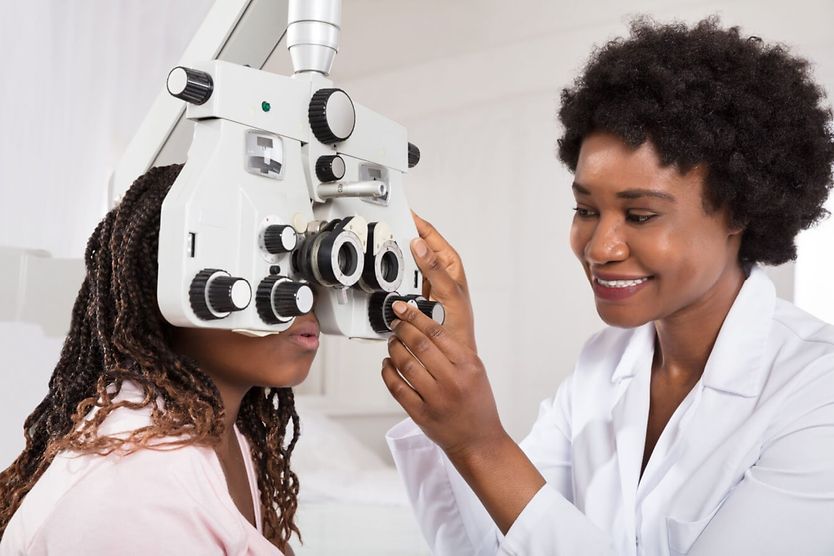
- Refraction test – Checks how the eye focuses light to help find a prescription for glasses or contacts.
- Eye pressure test – Measures the pressure inside the eye, which can help detect glaucoma.
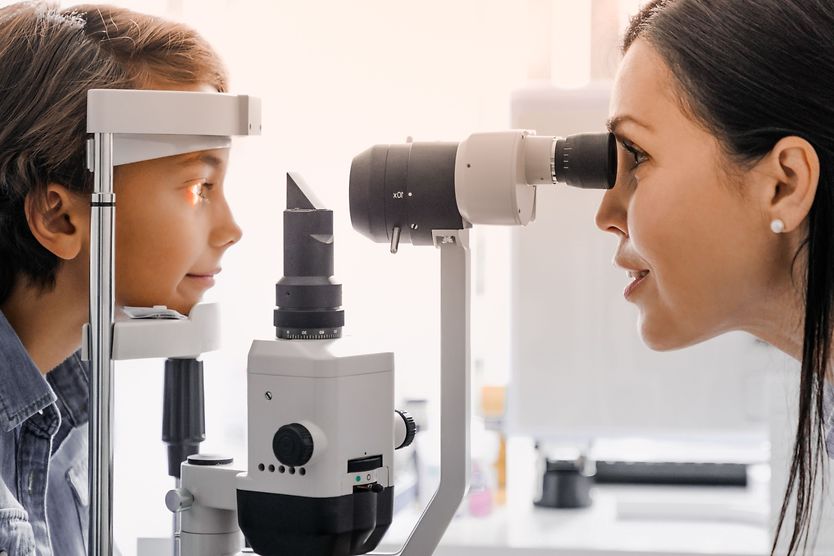
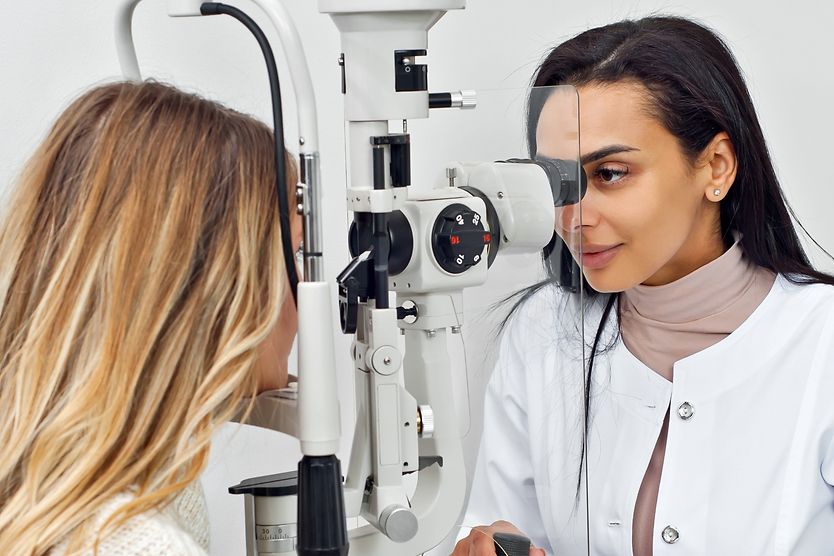
- Slit-lamp test – Uses a lighted microscope to check the front of the eye for signs of disease or injury.
- Retinal exam – Examines the back of the eye (retina) for signs of disease. The pupil may be dilated (widened) with eye drops so the doctor can see the retina better.
- Other tests – May check eye movement, peripheral vision, color vision and other important factors, depending on the patient.
Treatment and management
Doctors of optometry can provide different services to help patients see clearly, protect their eye health and manage ongoing issues. In addition to comprehensive eye exams, these services can include:
- Prescribing and fitting glasses (an optician may help with adjustments)
- Contact lens fittings (including medically necessary contact lenses that can restore vision when glasses cannot provide adequate vision)
- Diagnosing eye problems
- Referrals to ophthalmologists or other doctors if needed
- Prescribing over-the-counter or prescription medications for eye problems
- Managing certain medical eye conditions
- Minor in-office procedures, like draining a stye
- Low-vision aids and vision rehabilitation
- Vision therapy
- Sports vision services
These services can vary, depending on the doctor or practice.
Co-management with other doctors
While optometry doctors usually don’t perform surgery, some of them may offer care before or after certain procedures. This might include pre- or post-operation care for cataract removal or laser eye surgery, among others.
This is called co-management because the optometrist is managing the patient together with the ophthalmologist who performed the procedure.
The school and training behind optometry
Becoming a doctor of optometry takes several years of education and hands-on training.
They aren’t medical doctors (MDs), but they are trained to diagnose many eye conditions and help manage someone’s vision and eye health. If a patient needs specialized medical care or surgery, they know which doctor to refer them to.
Education and license requirements
Optometry education requirements can vary slightly based on the school or state. For example, some optometry schools don’t strictly require a bachelor’s degree but still encourage it.
People who want to become optometry doctors in the U.S. typically complete:
- Four years of college undergraduate study, often focusing on natural sciences, like biology or chemistry.
- A four-year Doctor of Optometry (OD) degree.
- Optional 1-year residency programs.
- National and state licensing exams.
Once someone passes their licensing exams, they can legally practice optometry and treat patients in their state.
Optometry school
A residency isn’t required to practice optometry, but one in four optometrists chooses to do one to specialize in specific optometric specialties, such as low vision care or advanced contact lens fitting, or to gain more experience in the management of medical eye conditions.
After graduation
A doctor of optometry can choose to work in many different settings, such as:
- Private or group practices
- Retail clinics
- Public hospitals
- Military or veterans’ hospitals
- Universities
- Corporate settings
- Industry
- Consulting
Some students may choose to focus on a specific area of optometry. For example, a pediatric optometrist specializes in managing eye and vision problems in children.
All practicing eye doctors need to keep their licenses active. This involves regularly keeping up with new eye care treatments and other advances in the field.
LEARN MORE about how to become an optometrist
Lifelong eye care starts with optometry
Optometry can play an important role in helping people see clearly, manage their eye health and help prevent conditions that could harm their eyesight.
Optometrists provide comprehensive eye exams that evaluate both vision and overall eye health. These exams can detect refractive changes, early signs of eye disease and, in some cases, underlying health conditions — often before noticeable symptoms develop. Based on the findings, an optometrist may prescribe glasses, contact lenses, medications or other treatments to help patients see clearly and protect their long-term eye health.