The unsung vision heroes: What it takes to become an optician


The world of opticianry
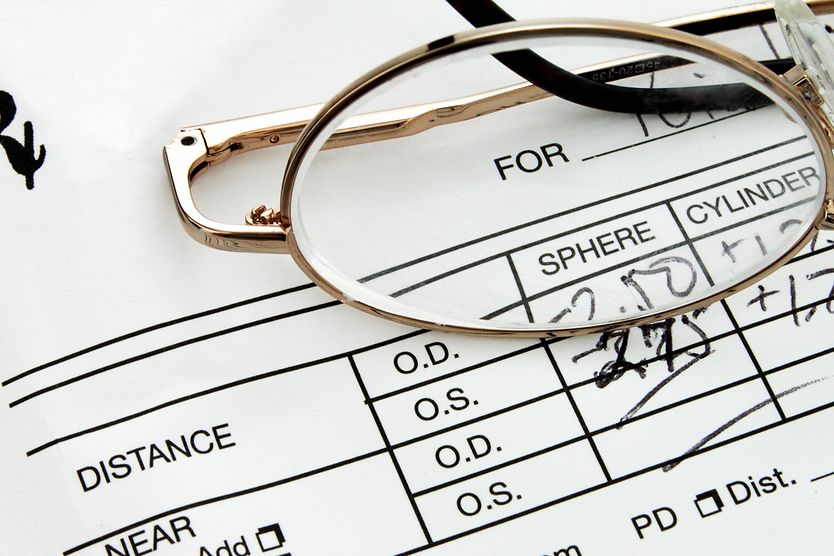
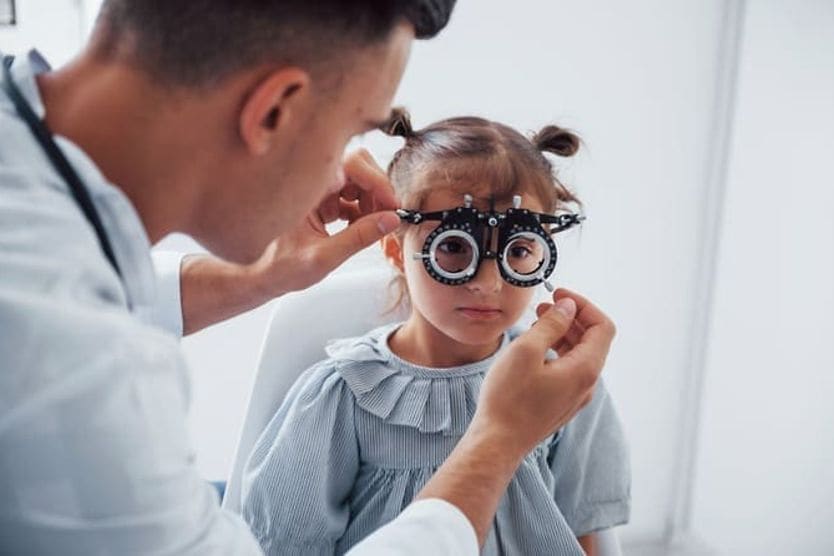
Your comprehensive eye exam doesn’t end when the optometrist or ophthalmologist closes the door. The next step — and an important one — involves working with an eye care professional who reviews your new eyeglass or contact lens prescription, explains your options, answers your questions and helps you choose the ideal frame for you and your prescription. This expert may take your contact lens order and discuss your choices for low vision devices as needed.
This person is an optician — a critical member of your eye care team who not only fills your eyeglass prescription and contact lens prescription, but also acts as your guide in helping you pick the proper frame options for your face.
As with optometrists and ophthalmologists, some experts say there is a shortage and need for more opticians in the field. The good news is: Thanks to the integration of artificial intelligence (AI) and new technologies, it’s an exciting time to consider becoming an optician.
What does an optician do?
According to Kristina Green, director of accreditation for the Commission on Opticianry Accreditation (COA), an organization that accredits two-year opticianry degree programs in the U.S., opticians are healthcare professionals who are trained and often licensed to fill prescriptions for visual aids.
"Eyeglasses and contact lenses are the most common, but they can also explore low vision aids or any other type of visual device that individuals are going to need to help them see clearly," Green explained. "And so we partner with the optometrist and the ophthalmologist to help meet those needs for the community."
Gwen Cooper, MPA CFRE, executive director of the United Opticians Association (UOA), says to think of opticians as the pharmacist after you get your diagnosis or your prescription. "We are the ones that help you pick out your frames and the best lenses to meet the needs of your prescription so that you can see the best that you can see," she adds.
Here are some distinctive differences between an ophthalmologist, optometrist and optician:
Ophthalmologist (MD or DO) | Optometrist (OD) | Optician | |
Schooling | Medical school | Optometry school | 2-year college program or apprenticeship |
Eye Treatment | Treats eye conditions and performs eye surgery | Treats eye conditions | Doesn’t provide direct treatment |
Vision Prescription | Provides vision prescriptions | Provides vision prescriptions | Fills vision prescriptions for eyeglasses and contact lenses |
Optical Sales | Not normally involved in optical sales | Not normally involved in optical sales | Helps patients select the appropriate eyewear for their needs and makes sure it fits them correctly |
LEARN MORE: Optometrist vs. ophthalmologist: How to choose an eye doctor
What it takes to become an optician
The path to become an optician depends on your location, as the educational requirements are not the same across the U.S., said Green.
"It depends on the state that they work in or that they live in as to whether they're going to need a formal college degree or go through an apprenticeship program that is run through the Department of Labor for that state," she explained. "And then if they are living in a state that does not require licensure or educational requirements, then on-the-job training and apprenticeships that are less formal tend to be the route that individuals would take."
In 2026, there are 23 states that require some type of educational component, like a formal apprenticeship program or an associate degree in opticianry, to get licensed, said Green.
One such accredited opticianry program is offered through Hillsborough College in Florida.
Thomas Neff, assistant professor and a program manager for the Associate of Science (AS) opticianry degree program at the college, says they prepare optician students for just about every aspect of their career, including eyewear selection, frame fitting and adjusting, contact lenses, optical manufacturing and even refraction — often an eye doctor’s responsibility.
"Our program is a little bit special," Neff explained. "We do teach refraction, but not so much that the opticians can go out and refract ... it's to help with their troubleshooting skills, understanding the slight nuances of the Rx and how a quarter each direction can change things, how the axis a few degrees off can change things. So it really teaches them those types of skills to help reduce chair time for the optometrist."
Green says it requires a wide range of skills to become an optician, including knowledge of ophthalmic optics, business and inventory management, merchandising, marketing, comfort talking to and working with people and, not surprisingly, some fashion sense.
"We have to be able to keep up with fashion trends with frames, because it's something we wear on our face," Green explained. "It's like a piece of our clothing — it's how we look. A lot of times patients are more concerned about how they look than how they see because it's just human nature. So we have to be very in tune to that and understand what a patient's looking for, not only visually and what their eye care needs are, but also cosmetically and aesthetically."
"Everybody that I have talked to in this field, the passion around helping somebody see the best that they can see, look the best that they can look, and the fun behind the science of helping people pick out lenses and frames, is all rolled into this really unique set of skills that marries fashion and function," Cooper said.
Must opticians be certified?
After going through a college or apprenticeship program, Neff says in licensed states opticians usually need to pass two certification exams — the American Board of Opticianry (ABO) and National Contact Lens Examiners (NCLE) — both of which have basic and practical exams.
"The basic exams focus on the theory aspect of what an optician should know or a contact lens fitter should know," said Neff. "And then the practical exams assess their ability to do the practical skills." In other words, the basic exams focus on the knowledge an optician or contact lens fitter should have and the practical exams assess their ability to apply that knowledge.
Cooper says the UOA has launched a national initiative to encourage all opticians in the U.S. to get certified and remain certified throughout their career.
"Somebody that can prove that they have those minimal competencies through mastering a certification, which is a national certification through ABO and NCLE, tells not only themselves and their employer, but it tells the consumers that the person that's working with them is competent and educated and certified," Cooper said.
"The pathways all should lead to a minimum certification and then continued lifelong learning through continuing education because so many things change," she said.
A growing need
Similar to other healthcare specialties such as family medicine and pediatrics, ophthalmology is currently experiencing a doctor shortage. And optometry is also starting to experience a decline in the amount of practitioners available.
What about opticians?
According to the U.S. Bureau of Labor Statistics (BLS), the projected growth rate for 2024 to 2034 is 4%, which is average for most occupations. The BLS indicates there were 74,300 optician jobs in the U.S. in 2025.
Some opticianry experts contend there’s an optician shortage.
The problem may start with the word “optician” and the lack of standard language defining what it means.
According to Cooper, the Bureau’s statistics regarding opticians may not be correct because there's currently no universal definition of what an optician is and does, and the field of opticianry doesn't have one title. She explained an optician is also sometimes referred to as an ophthalmic tech, frame technician, patient assistance tech or prosthetics tech.
"So if you take all of those titles and put them together, there is a huge deficit," Cooper continued. "And if you were to ask any large employer, they're dying for opticians. I have our industry partners calling me all the time — how are we going to fill these positions? What can we do?"
The future of opticianry is technology and AI
When it comes to the future of opticianry, many experts agree that technology and artificial intelligence (AI) will begin to play a larger role.
"We are every year getting new tools to use, but they just make our jobs easier," Green said. "And that's what technology is there for, to improve how we can do things so we can be more efficient and more effective. We have electronic measuring devices now versus having to do it more manually. And our patients are coming in more savvy, so we have to be able to meet their knowledge with our own understanding of the latest advancements in lens and frame products."
"It's our job (as educators) to make sure that everyone coming into the field has some sense of how AI works," Neff said. "Not necessarily for it to do the job for you, but to help in assisting you in doing the best possible job."
Cooper believes opticians will continue to have an important role to play since, she says, AI can never replace human connection and human conversation. Although technology makes the process easier, every optician should still know how to take measurements manually as part of their essential skill set.
"To me, it'd be really hard for that lack of human interaction to help me find the best fit and fashion for my patients’ eyewear," said Cooper. "So AI is going to help — there's a huge benefit to the opticianry world — but it's a benefit and it should just enhance the real opportunities of human connection, conversation, fashion and function."