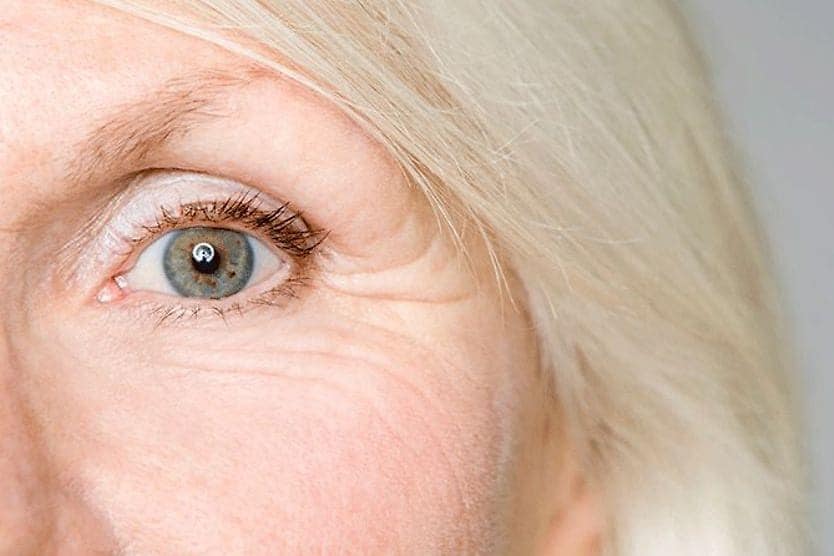
How to get rid of bags under your eyes
On this page
What can you do for eye bags?
What are under-eye bags?
What causes bags under the eyes?
How to get rid of bags under your eyes
Medical treatments for eye bags
FAQs
Next steps in under-eye care
On this page
What can you do for eye bags?
What are under-eye bags?
What causes bags under the eyes?
How to get rid of bags under your eyes
Medical treatments for eye bags
FAQs
Next steps in under-eye care
What can you do for eye bags?
Under-eye bags can appear for many reasons, including aging, genetics, lack of sleep and allergies. Depending on the cause, remedies may include natural home treatments, lifestyle changes or surgical options.
While under-eye bags are common and usually harmless, they can affect how refreshed you look and feel. Understanding the cause can help you choose the best way to reduce puffiness and care for the delicate skin around your eyes.
What are under-eye bags?
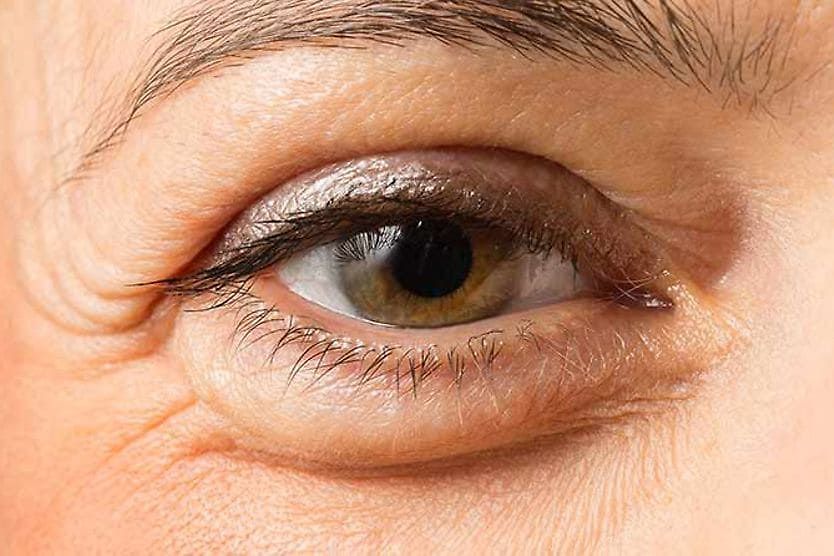
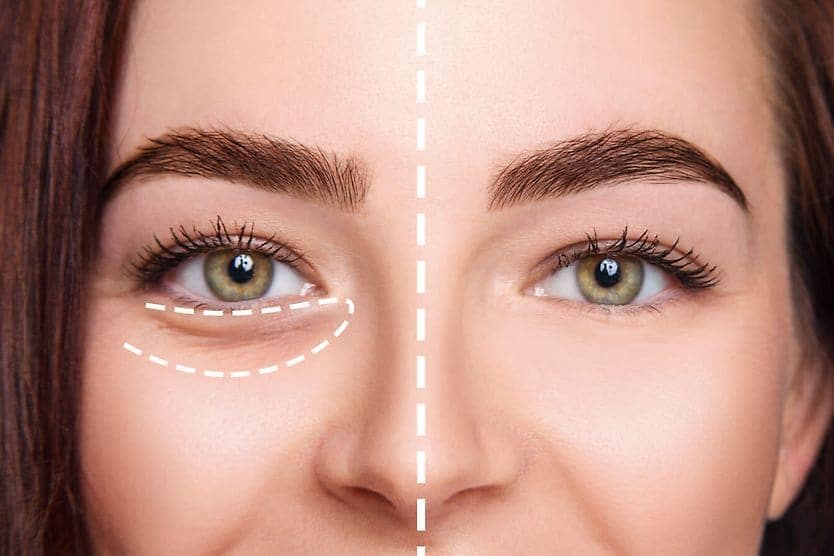
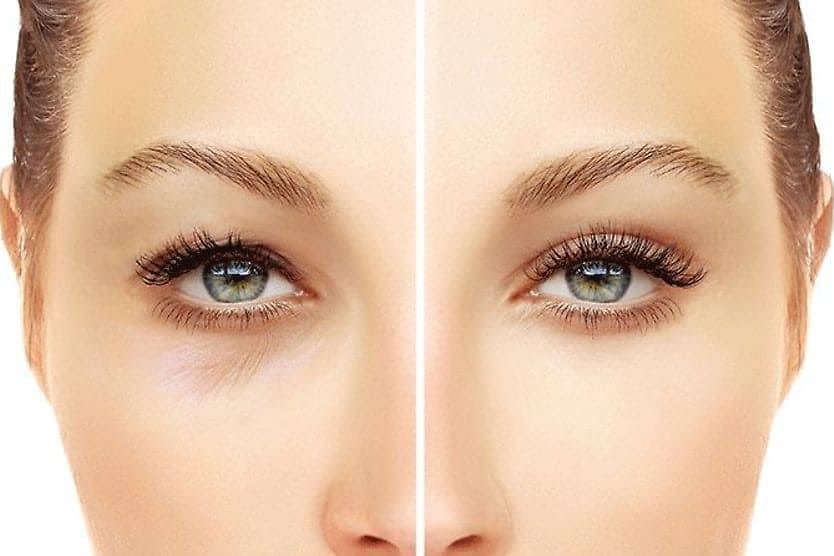
Bags under the eyes, also called eye bags, form when weakened and sagging skin relaxes and creates a pouch. The fat pads under the eyes then slip down to fill the space, giving the appearance of a “bag.” The medical name of this condition is lower steatoblepharon.
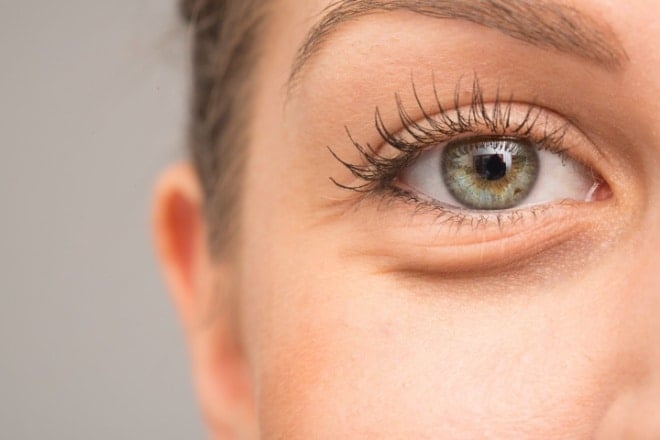
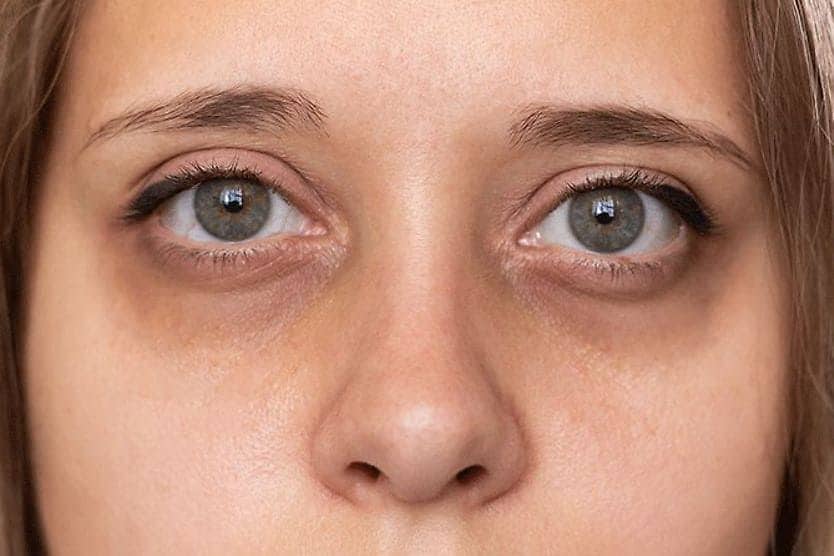
Excess fluid in the body can also build up in this area, making the lower eyelid look even more puffy and swollen. Any shadows or discolored skin under the eyes will make eye bags look more prominent.
Under-eye bags are mostly a cosmetic issue. They’re usually not a cause for concern but can sometimes be a sign of an underlying medical condition.
Most eye bags under the eyes are more noticeable in the morning after the fluid has had all night to settle in.
What causes bags under the eyes?
Aging is the most common cause of bags under the eyes. As we get older, we experience a loss of adipose tissue (body fat) and collagen, the major component of connective tissues in skin, muscles and other body parts.
Lower collagen levels cause the skin and underlying muscles all over the body to lose elasticity and tone. This sagging is especially noticeable around the eyes because the skin there is very thin.
Other factors that can contribute to bags under your eyes include:
- Fluid retention
- Lack of sleep
- Allergies
- Stress
- Inherited facial features
- Infections
- Smoking
- Blepharitis
- Eczema and other types of dermatitis
- Chronic medical conditions (such as thyroid eye disease)
If the swelling becomes severe, painful, itchy, red or persistent, see an eye doctor.
How to get rid of bags under your eyes
To get rid of eye bags, you need to find out what’s causing them in the first place.
When the bags under your eyes are a result of environmental or health issues, simple home remedies and lifestyle changes may help reduce their appearance.
Home remedies to reduce eye bags
One popular home remedy for reducing bags under the eyes is the use of hemorrhoid cream. (Yes, really.)
Hemorrhoid creams contain phenylephrine, which constricts blood vessels and can temporarily tighten the skin under the eyes. This can temporarily reduce some of the swelling. But be very careful not to get the cream in your eyes.
Other remedies to consider include:
- Drinking enough water
- Avoiding excess salt throughout the day
- Using a cool, damp washcloth as an eye compress, preferably while you’re sitting upright
Natural ingredients to try
Certain natural ingredients have been shown to help reduce the appearance of under-eye bags, including:
- Teabags – The natural caffeine and antioxidants in tea can support blood flow and refresh your under eyes.
- Cucumber slices – Their high water content and vitamin C can cool, hydrate and refresh the delicate skin around your eyes.
Lifestyle changes for healthier eyes
Making small changes to your daily habits can help reduce puffiness and minimize the appearance of under-eye bags:
- Get plenty of sleep – The recommendation is at least seven to nine hours of sleep every night for adults, depending on your age. If you struggle with always feeling groggy, consider getting checked for a sleep disorder.
- Sleep with your pillow elevated – A few inches of elevation can help to keep fluid from pooling around your eyes.
- Control your allergy symptoms – Avoid triggers, and take prescription or over-the-counter allergy medications, as directed by your doctor.
- Try makeup – Concealer makeup can be beneficial in covering up dark under-eye shadows.
- Stop smoking – Not only is smoking bad for your health, but it also speeds up collagen loss that thins the skin.
Choosing the right treatment
While home remedies and lifestyle changes can make a difference in the appearance of your under-eye bags, they most likely won’t completely get rid of them. However, they are often low risk, so they are worth a try before moving on to more invasive treatments.
SEE RELATED: Eye cream: Does it really work?
Medical treatments for eye bags
Under-eye bags can be addressed through several cosmetic options, depending on your goals and the severity of puffiness.
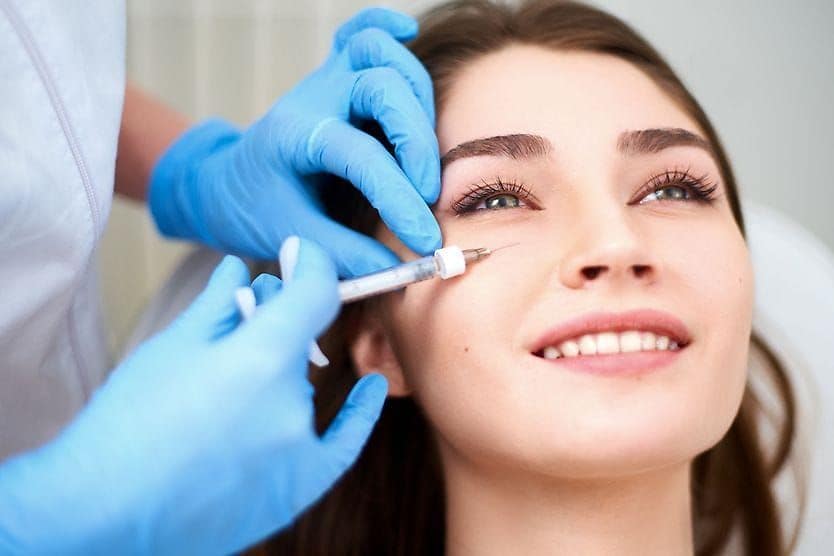
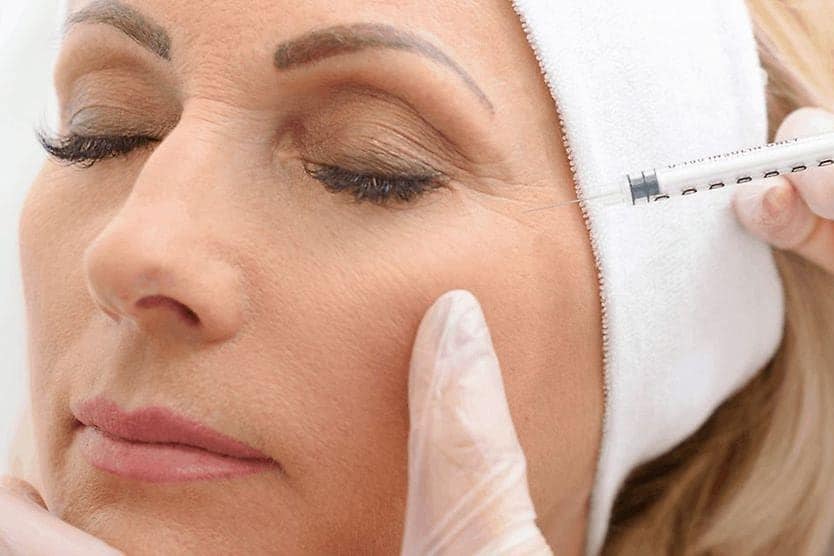
Treatments, like fillers and lasers performed by a licensed aesthetician, oculoplastic surgeon (eye doctor specializing in plastic and reconstructive surgery specifically for the delicate areas around the eyes) or dermatologist, can restore smoothness and firmness with little downtime. For longer-lasting results, eyelid surgery can remove or reposition fat and tighten the delicate skin beneath the eyes
Nonsurgical Options
Nonsurgical treatments for the under eyes can help to tighten the skin and alleviate puffiness. These options include:
- Chemical peel – This in-office treatment uses a specialized chemical agent to remove damaged surface layers, uncovering smoother, firmer skin beneath the eyes.
- Laser skin resurfacing – Laser resurfacing targets damaged surface skin and boosts collagen production to create results that can last for years.
- Injectable dermal fillers – An FDA-approved hyaluronic acid filler adds volume beneath the eyes to reduce hollowness for up to a year.
Surgical options
If you’ve tried some or all of the remedies listed above and aren’t satisfied with the results, surgical procedures are available to help get rid of eye bags.

Cosmetic eyelid surgery, also known by the medical name blepharoplasty, can tighten and smooth out the skin under the lower eyelids. It can also be used to treat puffy or drooping eyelids.
If you’re considering cosmetic eye surgery, keep in mind that procedures will not be covered by medical insurance when they’re done solely to improve appearance.
Lower eyelid blepharoplasty is usually done as an outpatient procedure under local anesthesia with sedation. In some cases, the surgeon will choose general anesthesia instead.
After surgery, you can expect some swelling, bruising and eye dryness in the days following the procedure. Most people find that swelling and bruising decrease significantly in about 10 to 14 days.
Complete recovery from eyelid surgery can take a few months.
The benefits, side effects and risks associated with this option should be discussed with a specialist in ophthalmology, oculoplastic surgery or plastic surgery.
FAQs
The following FAQs address common concerns about the development, prevention and treatment of under-eye bags.
Are eye bags permanent?
“Bags under eyes” are sometimes caused by acute inflammation — such as an insect bite or infection of the soft tissue — though these tend to happen on just one side. These cases usually resolve on their own, but more severe cases may require a doctor to prescribe medication. The more common under-eye bags result from a loss of firmness of the skin (a natural part of the aging process) and movement of fat into the tissue (steatoblepharon).
Several non-invasive techniques can help reduce the appearance of under-eye bags, ranging from cool compresses to topical creams (though results can vary). If you want to remove eye bags more permanently, a cosmetic procedure called blepharoplasty can tighten and smooth out the skin under your eyes.
What foods can cause eye bags?
Foods that are high in sodium, such as deli meats, cheeses and processed foods, can cause puffiness under the eyes. Drinking caffeine and alcohol can also cause dehydration, which may lead to under-eye bags.
Next steps in under-eye care
Taking care of the delicate skin around your eyes can make a noticeable difference in how refreshed you look and feel. From lifestyle changes to surgical options, a range of temporary and longer-lasting treatments are available to reduce under-eye bags.
If you’re considering surgery for the bags under your eyes, your surgeon will be able to lay out the process in detail, explain the risks involved and answer any questions you have.
LEARN MORE about blepharoplasty, eyelid surgery and eye bag surgery
Adam Debrowski also contributed to this article.
On this page:
What can you do for eye bags?
What are under-eye bags?
What causes bags under the eyes?
How to get rid of bags under your eyes
Medical treatments for eye bags
FAQs
Next steps in under-eye care
On this page:
What can you do for eye bags?
What are under-eye bags?
What causes bags under the eyes?
How to get rid of bags under your eyes
Medical treatments for eye bags
FAQs
Next steps in under-eye care