Ortho-K and Corneal Reshaping Therapy: Overnight Contacts to Correct Myopia


Wouldn't it be great if you could correct your eyesight and reduce your dependence on glasses or contact lenses — without having to undergo eye surgery?
It might sound far-fetched, but it's a reality for many people. It's called orthokeratology, or ortho-k for short.
Here are the top 10 things you should know about orthokeratology:
1. What is ortho-k?
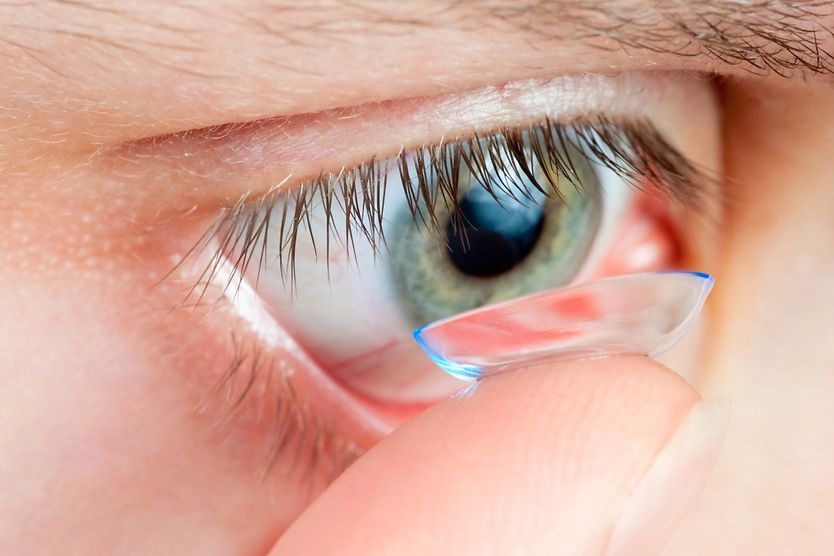
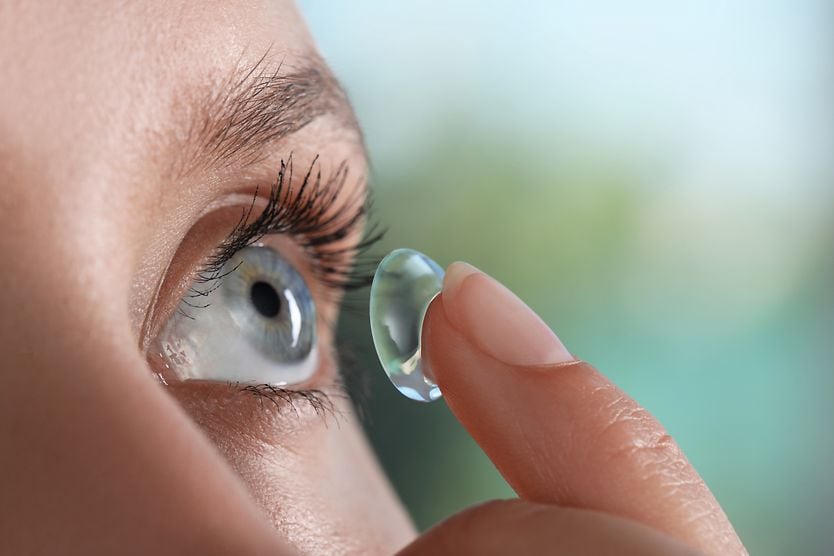
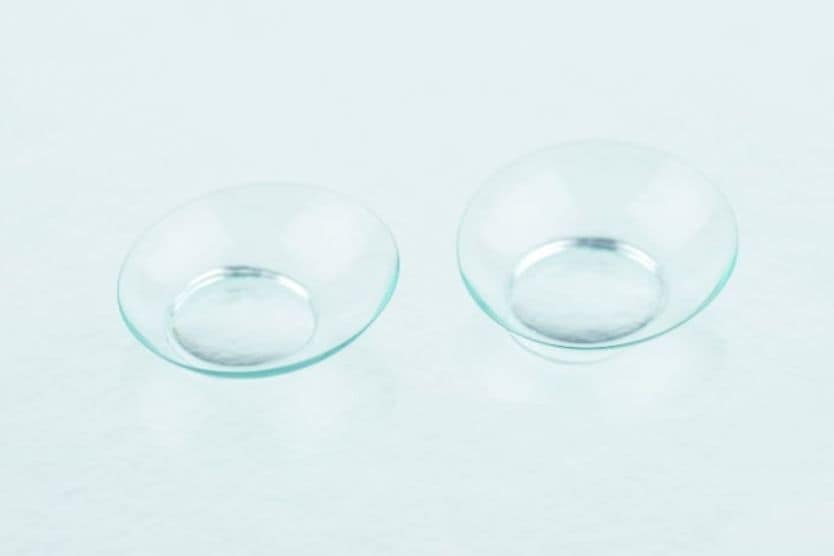
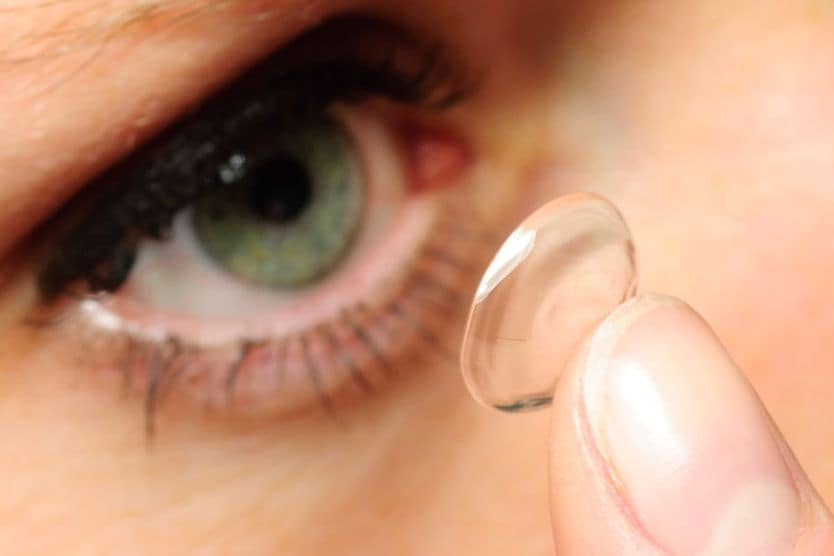
Orthokeratology (ortho-k) is the fitting of specially designed gas permeable lenses that you wear overnight. While you are asleep, the lenses gently reshape the front surface of your eye (cornea) so you can see clearly the following day after you remove the lenses when you wake up.
Eye doctors prescribe ortho-k lenses for two purposes:
- To correct refractive errors (primarily nearsightedness, but also astigmatism and farsightedness). In some cases, ortho-k is also used to correct presbyopia.
- Some research suggests that wearing these lenses overnight could help to slow the progression of childhood myopia.
Ortho-k lenses can also be called "corneal reshaping contact lenses," or some rendition of "overnight contact lenses to correct or control myopia."
Ortho-k can be prescribed using a variety of specially designed gas permeable (GP) lenses and corneal reshaping fitting techniques. Your eye doctor will advise which type is appropriate for your eyes.
Highly "breathable" GP lenses that are FDA approved for overnight wear are the only lenses that should be used for orthokeratology.
2. What is corneal refractive (or reshaping) therapy (CRT)?
Some corneal reshaping lenses use proprietary lens designs and fitting approaches that go by different names, such as corneal refractive therapy. They are typically used for similar purposes and produce results comparable to those of orthokeratology.
For simplicity, "orthokeratology" and "ortho-k" are used to describe all types of corneal reshaping lenses in this article. Your eye doctor will determine which type of corneal reshaping lenses are appropriate for you after examining your eyes.
3. How long does the ortho-k effect last?
You should be able to see acceptably well without glasses or contact lenses for a day or two, sometimes longer. For optimal results, you should wear the ortho-k lenses every night.
4. Which vision problems can ortho-k correct?
Orthokeratology is usually used to temporarily correct nearsightedness (myopia). Generally, ortho-k can correct upwards of -6.00 diopters (D) of nearsightedness.
Ortho-k can also correct lesser degrees of astigmatism, farsightedness and presbyopia.
The type and amount of refractive error that can be managed with orthokeratology differ on a case-by-case basis. Your eye doctor will be able to give you more specific guidance after examining your eyes.
5. Who is a good candidate for orthokeratology?
Most people with mild to moderate nearsightedness (with or without mild astigmatism) are good candidates for ortho-k.
Because the corneal reshaping effect is temporary, little risk is involved, and you can discontinue wearing the lenses at any time — provided you are willing to start wearing glasses or contacts again when your myopia returns.
Children and young adults who want to be glasses-free but are too young for LASIK or are not good candidates for refractive surgery for other reasons (dry eyes, for example) often are good candidates for ortho-k.
People who participate in contact sports or work in dusty environments that can pose problems for contact lens wear can also be good candidates.
6. Who fits ortho-k lenses?
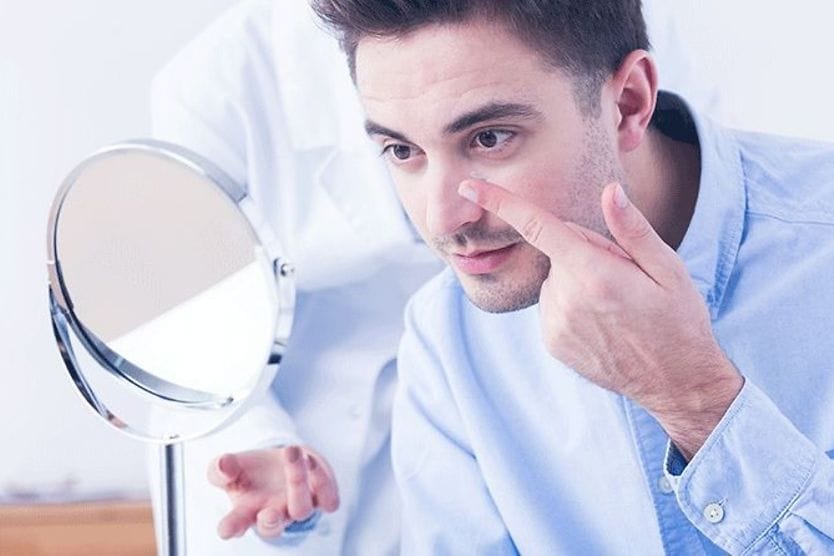
In the United States, optometrists perform the majority of orthokeratology lens fittings. But ophthalmologists also perform ortho-k fittings.
It's important to know that orthokeratology is a specialized type of contact lens fitting, and not all eye doctors who fit contact lenses also fit ortho-k lenses.
If orthokeratology interests you, seek the services of an eye doctor who specializes in fitting these lenses.
7. What results can you expect from ortho-k?
Eye care practitioners usually aim for 20/20 vision after ortho-k, but 20/40 vision (the legal minimum for driving in most of the United States) is usually considered an acceptable outcome.
In studies of Food and Drug Administration-approved orthokeratology lenses, the majority of patients saw 20/40 or better.
8. What to expect when you begin ortho-k
Your eye doctor will begin by measuring the shape of your corneas using an instrument called a corneal topographer. This is a painless procedure that takes about a minute and produces a detailed map of your eye's surface.
Your doctor might use an in-office inventory of lenses for fitting your eyes with ortho-k lenses the same day corneal topography measurements are taken, or they may order custom ortho-k lenses for fitting at a later date.
You may need a series of temporary lenses to see clearly until you reach the desired prescription. In most cases, up to three pairs of lenses are required to achieve the maximum vision correction effect.
When you begin to wear ortho-k lenses, you will probably have some awareness of the lenses on your eyes until you fall asleep. Eventually, the lenses typically become more comfortable right after you put them in.
9. How long does it take for maximum ortho-k effect?
This depends on many factors, especially the amount of nearsightedness (and possibly astigmatism) you have when you begin the ortho-k process.
Some people can have excellent vision after a day or two of overnight ortho-k. But higher prescriptions can take two or more weeks for maximum correction.
Until your eyes are fully corrected, you might notice blurred vision and glare and halos around lights. In some cases, you may need to wear glasses (with a lesser prescription than you originally had) during the ortho-k process.
Also, in some cases, mild glare and halos might persist even after maximum ortho-k correction.
10. How much does ortho-k cost?
Fitting ortho-k lenses is a more time-consuming process and requires more expertise than fitting regular contact lenses. It requires a series of office visits and possibly multiple sets of lenses.
Each eye care practitioner determines his or her own fees for orthokeratology, based in part on the doctor's level of expertise, the time required, and lens costs.
The cost of ortho-k, including follow-up care associated with fitting the lenses, can vary significantly depending on your current eyesight and whether you are choosing ortho-k lenses for long-term myopia control, in addition to the temporary correction of existing myopia.
Costs also can vary based on the region of the country, urban versus rural settings, and the type of practice where you have the procedure performed.
Normally, orthokeratology is not covered completely by vision care insurance plans, but a portion of the fees may be covered by some plans.
Bonus: Can I have LASIK after ortho-k?
Yes, it's possible to have LASIK (Laser-assisted in-situ keratomileusis) after ortho-k if you eventually want vision surgery to permanently correct your eyesight.
Unlike LASIK, ortho-k is reversible. If you try reshaping lenses and later decide you want laser eye surgery instead, you can do that.
But you will have to discontinue wearing the lenses and wait a period of time before surgery (possibly several months) to allow your corneas to fully revert to their pre-orthokeratology shape.
Finally, keep in mind that, as with all contact lenses, there are some possible side effects and complications of wearing ortho-k lenses. Ask your eye doctor for details.
Ortho-K and myopia control
Some studies have shown the potential for ortho-k to slow down myopia progression in children. Overnight corneal reshaping can change how light reaches the back of the eye, potentially slowing the progression of nearsightedness. Talk to your child’s eye doctor if you would like to learn about ortho-k as a myopia control strategy.