Contacts vs. glasses: What you should know and how to choose

Are contacts better than glasses, or the other way around?
Your choice to wear eyeglasses or contact lenses depends mostly on personal preference. Lifestyle, comfort, convenience, budget and aesthetics should all factor into your decision-making process.
Before deciding between contact lenses vs. glasses, keep in mind that one option is not necessarily better than the other. Each has its pros and cons in terms of vision correction, convenience, cost, ease of use and eye health.
So which option is better for your particular needs and lifestyle: glasses or contacts? Here's a breakdown of the advantages and disadvantages of each type of eyewear to help you choose.
Pros and cons of contact lenses
Depending on your wants and needs, contact lenses may have several benefits over glasses. But they do have some disadvantages, too. Here are some things to consider:
Contacts: Advantages
Some benefits of contact lenses include:
- Contacts conform to the curvature of your eyes. This provides a wider field of view and tends to cause fewer visual distortions and obstructions than eyeglasses.
- Contacts provide more options for presbyopia correction than glasses, including progressive and monovision contact lenses.
- Contact lenses don't get in the way (or slide down your nose) when playing sports and exercising.
- Contacts typically aren't affected by weather conditions and won't fog up in cold weather like glasses.
- Contact lenses won't clash with what you're wearing.
- Contact lenses can make your eyes and eye makeup stand out.
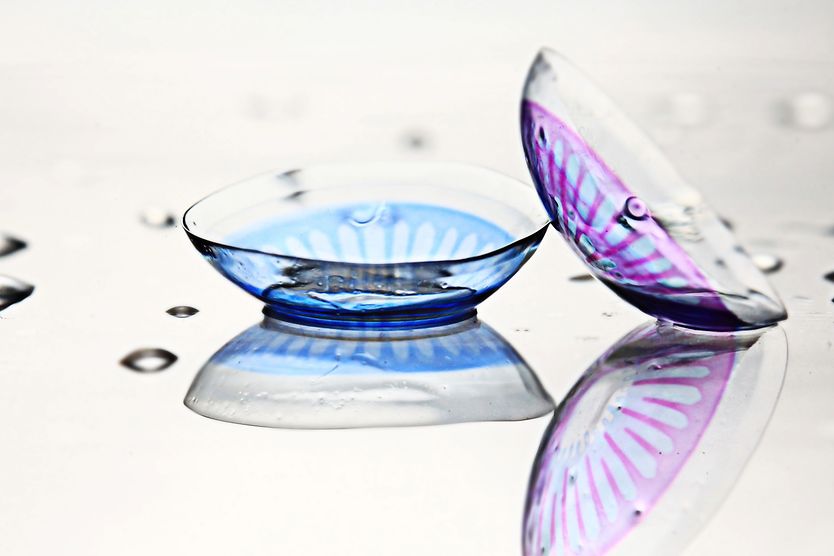
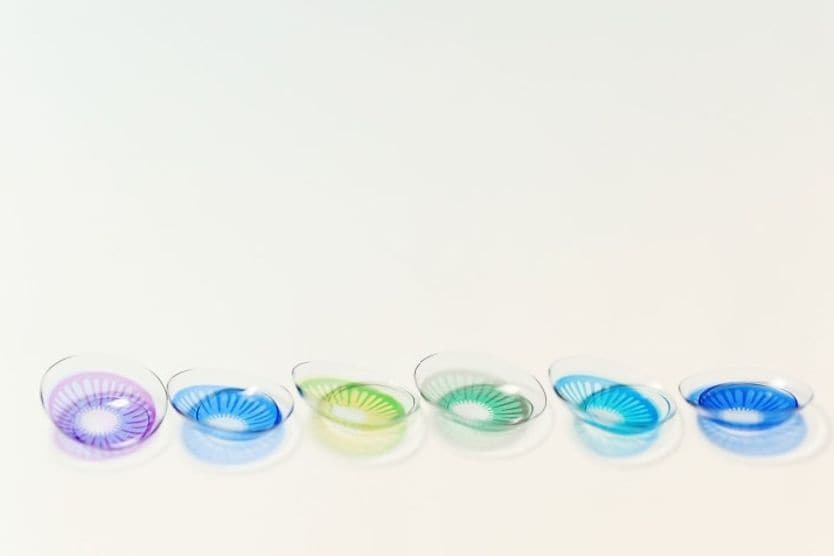
- If you want to see how you would look with a different eye color, you can experiment with color contact lenses. You can even get a prescription for special-effect contacts to match your Halloween costume!
- Some lenses can reshape the cornea while you sleep. Overnight orthokeratology (Ortho-k) lenses temporarily manage myopia (nearsightedness) in children. They’re able to see clearly the next day without the need for glasses or contacts.
Contacts: Disadvantages
Some downsides of contact lenses include:
- Some people have trouble applying a contact lens to their eye. (Proper technique and practice should rectify this in most cases.)
- Contacts reduce the amount of oxygen reaching the eyes. This can cause or worsen the severity of dry eye syndrome.
- If you work at a computer often or spend long periods focusing, wearing contacts can contribute to symptoms of eye strain.
- Monthly contacts need proper lens care and lens case cleaning each day to avoid potentially serious eye infections. If you can't commit to the care and recommended replacement cycle of your contacts, consider daily disposable lenses.
- If you accidentally fall asleep while wearing contacts, your eyes may become dry, gritty, red and irritated when you wake up. If you find yourself falling asleep with your contacts in often, consider extended-wear contact lenses. Some extended-wear contacts are approved between 6 to 30 days of continuous wear.
SEE RELATED: Choosing between contacts and glasses for teens
Pros and cons of glasses
Eyeglasses also come with advantages and disadvantages. Here are some more things to consider when choosing between eyeglasses and contacts:
Glasses: Advantages
Some advantages of eyeglasses include:
- Eyeglasses reduce the need to touch your eyes. This reduces the likelihood of irritating your eyes or possibly developing an eye infection.
- Glasses require very little cleaning and maintenance.
- Glasses don’t exacerbate the problem of dry or sensitive eyes (contact lenses can do this).
- Eyeglasses are generally cheaper than contact lenses over the long term. You don't need to replace glasses as often (unless you break them). Even if your prescription changes, you may be able to keep your current frames and replace the lenses. Tip: Both polycarbonate and specialized polyurethane-based lenses are very impact-resistant.
- Frames are fashionable and can speak volumes about your personality and style.
- Glasses offer some protection from environmental factors such as wind, dust and debris. Patients with amblyopia or a disease affecting their vision in one eye especially benefit from the protection glasses may provide.
Glasses: Disadvantages
Disadvantages of eyeglasses include:
- Eyeglasses sit about 12mm (about half an inch) from your eyes, which means lenses can distort peripheral vision.
- Some people experience blurry vision when they start wearing glasses or change prescriptions. Specifically, bifocals and progressive addition lenses (PALs) can create image jumps, reflections, and areas of blurry and distorted vision.
- Some people don't like how they look in glasses. They may feel the frames detract from their facial aesthetics or hide their features.
- If you have a strong prescription, the edges of your lenses may be thick and unappealing. Your glasses might make your eyes appear unnaturally bigger or smaller. (High-index lenses can help minimize this effect.)
- Eyeglasses can be affected by the elements. Vision can be obstructed or blurred by precipitation collecting on your lenses or by fogging up in cold weather.
- Some ill-fitting frames can exert constant pressure on your nose and behind your ears. This can lead to headaches and general discomfort.
Factors that might help you decide
There are several other factors to consider when deciding between contacts vs. glasses.
Some eyeglasses can do something contact lenses cannot. Specifically, photochromic lenses are clear indoors and at night. They darken automatically in sunlight for clear, comfortable vision.
Although contact lenses can block some UV light from entering the eyes, they can’t provide as much coverage as full sunglasses or photochromic lenses. (The style of frame — such as an aviator or wraparound — also affects how much light hits the surface of the eyes.)
Photochromic eyeglass lenses block 100% UVA and UVB rays. Because they sit in front of the eyes, photochromic lenses and sunglasses protect the inside of the eye, the exterior of the eye and the eyelids from UV radiation.
Other special lenses like bifocals and progressive lenses are available in both glasses and contacts. There are also contacts and eyeglass lenses suitable if you have astigmatism.
Common questions about glasses and contact lenses
Glasses and contacts both have their perks. But one or the other may be a better choice for you. Here are some frequently asked questions to narrow down your choice between glasses vs. contacts:
Can I use my glasses prescription to order contact lenses?
No. Eyeglasses and contact lens prescriptions are different. While both correct your vision, contacts rest directly on your eye and glasses sit just in front of your eyes. This causes the prescription to be different. Contact lenses are measured to fit your eye and their prescriptions also include a brand and lens type. Eyeglass prescriptions don’t have these additional measurements, and they don’t include a brand name for lenses.
Will glasses or contacts give me better vision?
Both glasses and contact lenses are made according to your vision prescription. You should be able to reach the same level of visual acuity in both types of vision correction. One is not “better” than the other in this sense.
However, eyeglasses can get in the way during strenuous activity. If you play sports, jog or hike, contacts may be a better option. Contacts can also provide better peripheral vision, since they sit directly on the eye.
It’s also worth noting that some types of glasses can create areas of blurry or distorted vision. Talk to your doctor to determine what type of vision correction is best for you.
Are contact lenses safe for people with sensitive or dry eyes?
You can wear contact lenses even if you have sensitive or dry eyes. Your eye doctor will likely recommend a certain type of lens, as well as a special care plan to keep your eyes moist and comfortable.
Scleral, water-gradient and hydrogel lenses are often prescribed for those with dry eyes. Preservative-free eye drops that lubricate your eyes may also be recommended.
Consult your doctor if you experience new or worsening symptoms when wearing contacts.
Can I sleep in my contacts?
It is not recommended to sleep in daily wear contacts. This increases the risk of irritation, infection and dry eye.
While some lenses are approved by the FDA to sleep in, eye doctors and health organizations such as the CDC recommend against sleeping in most types of lenses due to an increased risk of eye infections and inflammation.
Speak with your eye doctor about an appropriate choice for your prescription. Always follow their instructions regarding your contact lens use and care.
Does vision insurance cover both glasses and contacts?
Vision insurance plans can vary. But corrective lenses in some form are usually covered or partially covered each year. There are some plans that provide an annual allowance for contacts. And some plans provide discounts for contact lenses, whether in addition to or instead of eyeglasses.
Reach out to your vision insurance plan provider for details about what your plan covers.
Glasses, contacts or both?
Thanks to advances in contact lens technology, most people these days can wear contacts successfully. This applies even if they prefer to wear glasses as their primary form of vision correction.
So the decision to wear either contacts or glasses — and when to wear them — is usually a matter of personal preference.
Keep in mind, though, that if you wear contact lenses full-time, you should also have an up-to-date pair of glasses. A backup pair of glasses is important to have. You never know when you may need to stop wearing contacts due to an eye infection or irritation, or you simply want to give your eyes a break.
READ NEXT: Eyeglasses exam vs. contact lens exam: What’s the difference