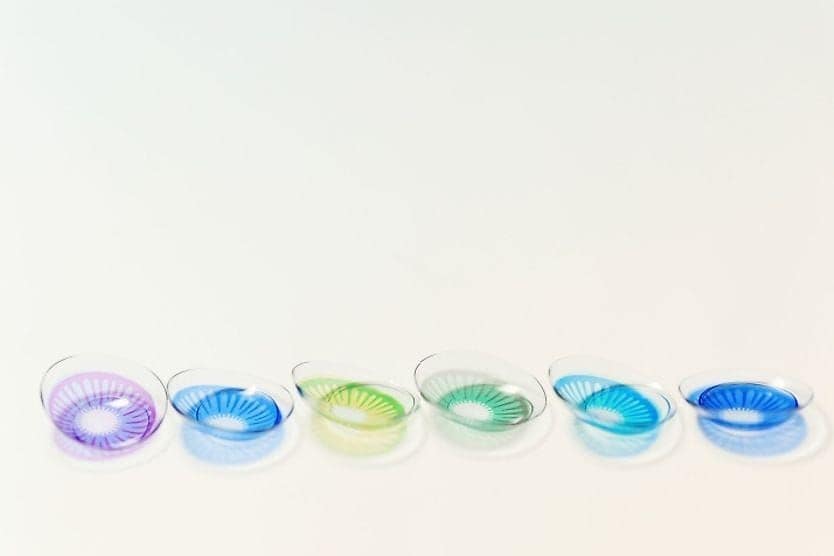
Your complete guide to buying contact lenses

On this page
Contact lens buying guide
Buying contacts online or in person
Contact lens prescription and fitting
Contact lens materials
Different types of soft contact lenses
Contact lens care and hygiene
Contact lens risks
Contact lens buying tips
On this page
Contact lens buying guide
Buying contacts online or in person
Contact lens prescription and fitting
Contact lens materials
Different types of soft contact lenses
Contact lens care and hygiene
Contact lens risks
Contact lens buying tips
Contact lens buying guide
Contact lenses provide a convenient, comfortable way to achieve clear vision. But it’s important to know the ins and outs of buying and wearing contacts — from a contact lens exam to selecting the right lenses for your eyes and lifestyle to properly caring for your new contacts.
Feeling overwhelmed by all the contact lens and contact buying options available? This contact lens buying guide is designed to help you navigate the process from beginning to end with confidence.
Buying contacts online or in person
There are so many options for where you can buy contact lenses — from your eye doctor’s office to a local optical shop to an online contact lens retailer.
When deciding where to buy contacts, you’ll want to consider some important criteria, including:
- Convenience
- Selection
- Cost
- Customer service
- Shipping
- Return and other policies
It’s always a good idea to browse a variety of online as well as brick-and-mortar retailers (including optical shops and eye doctors’ offices), read reviews, check consumer ratings and scour details on customer service, discounts, fulfillment, shipping, etc.
It’s also important to keep in mind that contact lenses are medical devices regulated by the U.S. Food and Drug Administration. That means it’s vital to choose a reputable seller and be ready to provide a current contact lens prescription from your eye doctor.
Contact lens prescription and fitting
Before you can buy contacts online, you’ll need an up-to-date contact lens prescription from an eye doctor. Once you have a prescription in hand, you can get it filled by any contact lens seller.
It’s recommended to get your eye exam and contact lens fitting from the same eye doctor. A contact lens eye exam typically includes:
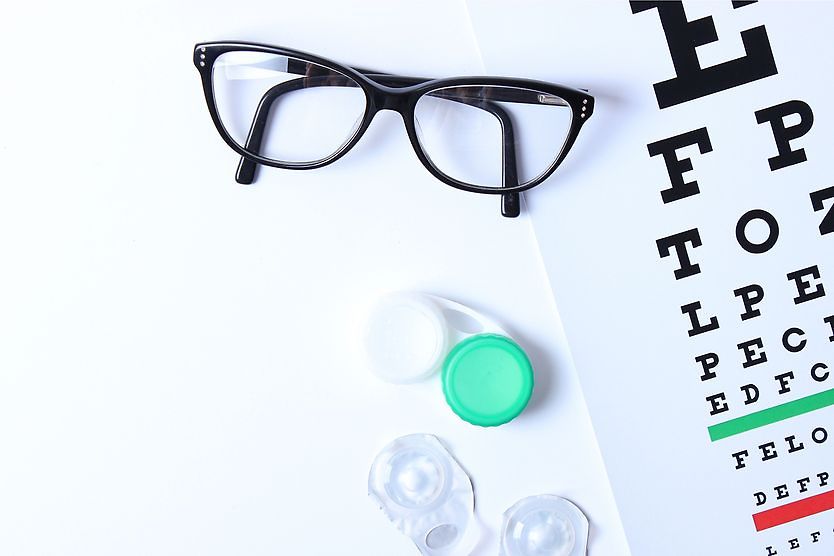
- Vision test – Your eye doctor will check your vision using an eye chart. This will help your doctor to see if you have refractive errors such as nearsightedness ( myopia) or farsightedness ( hyperopia).
- Eye health checks – Your provider will perform a variety of tests to make sure your eyes are healthy and that contact lenses are a good idea for you.
- Contact questions – Your provider will ask about your lifestyle and contact lens preferences to determine which type of contacts to prescribe.
- Eye measurements – The eye doctor will then measure your cornea, iris and pupil to fit you with contact lenses. They may also check to see if you have dry eyes that could be made worse by contacts or require specialty lenses for dry eyes.
- Eye surface and fit check – The eye doctor will give you a pair of trial lenses and will use a slit lamp (biomicroscope) to look at the surface of your eye and check the lens fit.
- Follow-up visits – Your eye doctor will need to see you again to make sure the contacts are comfortable, fit well and are not hurting your eyes. At this point, your eye doctor can write you a contact lens prescription.
You might need to try out a few brands and styles of contact lens before finding the right one for you. This is true especially if you have a more complex prescription — for example, if you need toric contacts for astigmatism.
Contact lens materials
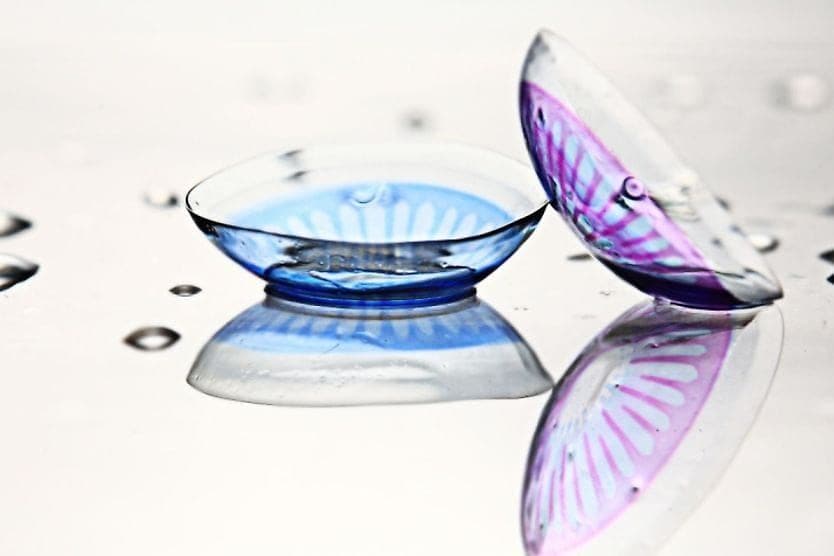
What are contacts made of? It all depends on the type of lens. There are three main types of contact lens: soft contacts, rigid gas permeable contacts (also called hard contacts) and hybrid contacts (a combination of the two).
What are the advantages of soft contacts vs. gas permeable or hybrid contacts? Soft contacts are generally much more comfortable and breathable, while gas permeable contacts may offer clearer, crisper vision. Hybrid contacts aim to offer the benefits of both. Neither gas permeable nor hybrid contacts are as readily available as soft contacts, and both tend to be a bit more expensive.
- Soft contact lens materials – Today most soft contact lenses are made from hydrogel, a soft, gel-like plastic, combined with silicone. Older soft contacts were made from hydrogel alone. The addition of silicone allows much more oxygen to reach the cornea, which helps to keep the eye healthy. Different brands of soft contacts may be thinner or thicker and have different levels of water content.
- Gas permeable lens materials – Gas permeable (GP) or rigid gas permeable (RGP) lenses are made of a hard polymer, fluoro-silicone acrylate. This material allows oxygen to reach the eye and helps to keep the surface of the contacts wet.
- Hybrid lens materials – Hybrid lenses are made using both of these two materials. They have a rigid gas permeable center surrounded by soft silicone hydrogel material. The goal is to provide the sharp vision of GP material plus the comfort of soft contacts.
The type of contact lenses your eye doctor prescribes will depend on your prescription, preferences, lifestyle and eye health needs.
Different types of soft contact lenses
Soft contact lenses are the most popular and most commonly prescribed.
Contact wearers with simple prescriptions for nearsightedness or farsightedness tend to have more contact lens options. However, many types of contacts are also available for patients with astigmatism (toric lenses) and presbyopia (bifocal or multifocal lenses, including progressive lenses). So even with a more complex prescription, you’ll still have plenty of choices.
Here are some common types of soft contact lenses:
Disposable contact lenses
Disposable contacts are typically categorized by how often they’re replaced and how long they can be worn without taking them out. This can create confusion, so it’s important to know the difference.
Disposable lenses fall into two categories: daily wear contacts that must be removed before you go to sleep and extended wear contacts that may be worn while you sleep.
Daily wear contacts
There are different types of daily wear contacts, grouped by the length of time a pair of lenses lasts:
- Dailies – Daily contacts tend to be more expensive and are meant to be thrown away after each wearing. This means you don’t need to clean or disinfect them, which may offer more convenience.
- Weeklies – Weekly contacts are worn for a week or two, cleaned and disinfected after each wearing, and then thrown away.
- Monthlies – Monthly contacts are worn for a month, cleaned and disinfected after each wearing, and thrown away.
Trying to decide between daily, weekly or monthly contacts? Read our guide to daily vs. monthly contacts and then talk to your eye doctor.
Extended wear contacts
Generally, extended wear (EW) contacts can be worn for up to a week before you have to take them out. There are extended wear contacts that can even be worn for up to a month.
You should know that just because a lens is approved for extended wear does not mean you will be able to wear it for the maximum amount of time. Your eye doctor can help you decide if you’re a candidate for extended wear lenses and how long you can safely wear them. If you can wear extended wear lenses, you will need to start slowly, gradually increasing the number of days/nights you wear the lenses.
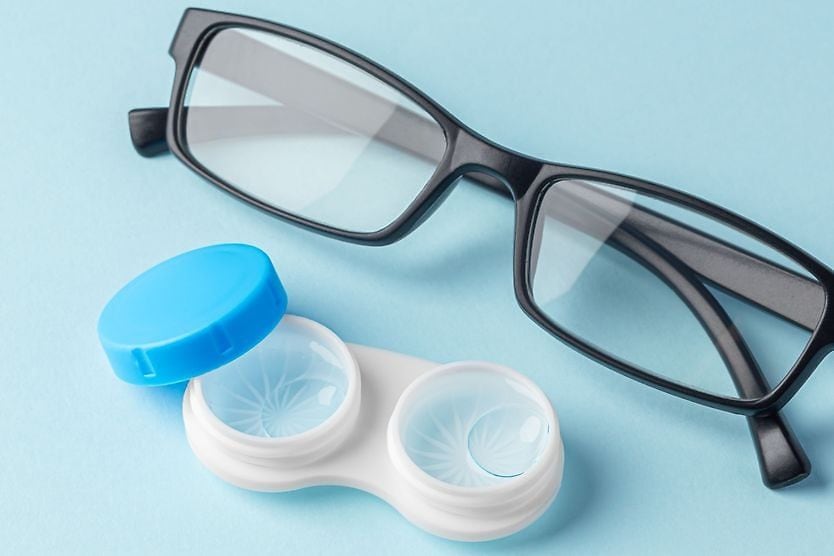
It’s also important to talk to your eye doctor about the risks of extended wear lenses and to give your eyes regular breaks without lenses. Like all contact lens wearers, you should make sure you have a pair of backup glasses to wear during breaks and if you experience eye irritation or get an infection.
Contact lens care and hygiene
If you wear contacts, it’s crucial to follow the lens care and cleaning instructions provided by your eye doctor and contact lens maker. Taking good care of your contacts will help to keep your eyes healthy.
Here are some general contact lens care tips from the American Academy of Ophthalmology:
- Use solution. Clean and disinfect your contacts with the products recommended by your eye doctor. And be sure to keep your lenses in fresh solution; never wear contact lenses that have been sitting in the same solution for more than 30 days. Never rinse or store your lenses in tap water, filtered water or homemade saline solution.
- Rub and rinse. Even if you use a “no rub” contact solution, rub and rinse your lenses after taking them out of your eyes each day. This will help to reduce deposits that can cause eye irritation and dryness.
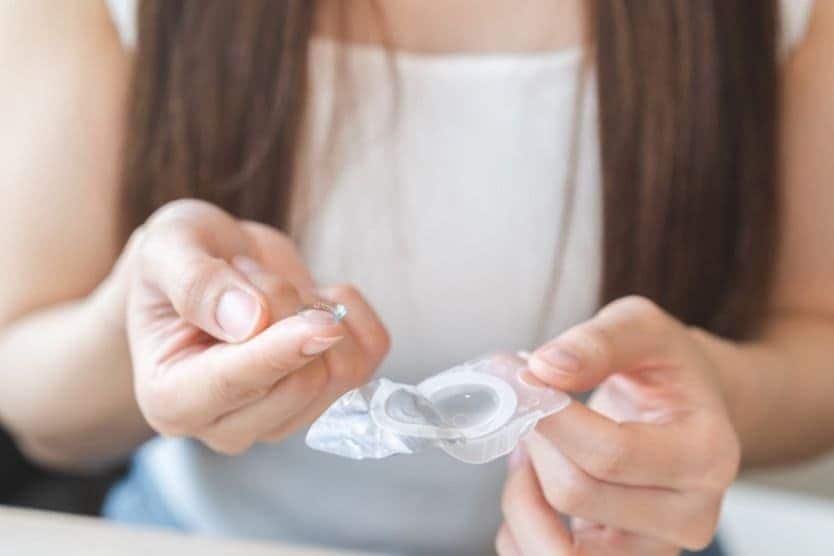
- Wash and dry your hands. Before handling your contacts, wash your hands with soap and water. Then dry them with a new, clean towel. This will help to prevent eye infections.
- Replace the case. It’s important to replace your contact lens case every three months, or sooner if it gets damaged. Between uses, rinse the case with a multipurpose solution and let it air dry.
- Never sleep in your lenses. Unless you have extended wear lenses and are following your eye doctor’s instructions, don’t even take a cat nap in your contacts. Sleeping in daily wear contacts even for a short time can deprive your eyes of oxygen and increase your risk of contact lens complications.
- Avoid getting water in your eyes. Don’t bathe, shower or take a dip or swim in a pool, hot tub, lake, ocean or river while wearing your contacts. Getting water in your eyes could cause a serious eye infection that can be very difficult to treat.
- Get regular eye exams. Keep up with a regular eye exam schedule, and see your eye doctor right away if you have discomfort or any other issues with your contacts.
Following this advice will help you to lower your risk of eye infections and other contact lens complications.
Contact lens risks
Wearing contacts carries risks even if you follow your eye doctor’s instructions and take good care of your lenses. The risk goes up if you don’t follow contact lens care instructions and make regular eye doctor visits.
Here are four possible contact lens complications:
- Eye irritation or dry eyes – Discomfort and irritation are common in contact lens wearers. Your eye doctor may give you eye drops and/or recommend breaks from wearing contacts.
- Eye infections – Contact lens wearers may be more likely to develop bacterial, fungal or viral eye infections. One of the most common eye infections is pink eye (conjunctivitis). Swimming with contacts in may put you at a higher risk of getting Acanthamoeba keratitis, a painful parasitic infection of the cornea that can lead to vision loss.
- Cornea problems – You can also get corneal scratches or a corneal ulcer, an “open sore” on the cornea typically caused by an eye infection.
- New blood vessels – A problem called “neovascularization” happens when new blood vessels grow into the cornea. This may be caused by wearing contacts too much, sleeping in contacts or wearing contacts that don’t allow enough oxygen to reach the corneas.
Some symptoms of contact lens problems include:
- Blurry vision
- Burning, itching or a gritty “sand in the eyes” feeling
- Eye pain
- Eye redness
- Excess tearing
- Sensitivity to light
- Swelling of one or both eyes
Contact lens complications can be serious. In a worst-case scenario, they could lead to permanent eye damage, some level of visual impairment and possibly blindness. That’s why it’s important to get prompt medical care for the problem.
If you experience any of the above symptoms, take out your contacts right away. Store them in a case to take with you to your eye doctor. Then contact your eye doctor’s office to ask for an emergency appointment.
Contact lens buying tips
If you have a contact lens prescription in hand and are ready to buy contacts, take a look at these contact lens buying tips to find the best prices, quality and customer service:
- Consider your eye doctor. It’s true that buying contacts online may offer convenience, speed and cost savings. But buying from your eye doctor is a reliable way to go, especially if you want to use your vision insurance.
- Check customer reviews.** Even some of the most reputable contact lens sellers get consumer complaints. Check reviews on trusted review websites to see what other customers are saying. Repeat complaints about the same issue may help you avoid surprises.
- Take a look at policies. It’s a good idea to glance over a contact lens seller’s return policy and other policies before you buy. Some sellers will allow you to return a partial supply of unused contacts if your prescription changes.
- Consider customer service. Some sellers offer 24/7 customer service via chat and phone while others offer more limited options. Take a minute to check out the customer service yourself by asking a question and seeing what kind of response you receive.
- Scout out contact lens deals. Many online contact lens stores offer ways to save. These may include: coupon codes, special discounts (for example, first responder, teacher or military discounts), price match guarantees and rebates. It may take some legwork to determine which site and/or discount to use. Look at each seller’s home page and FAQ to find discounts. And keep in mind that some sites may not allow you to use a coupon code if you go through your vision insurance.
- Beware of shady sellers. There are many reputable online contact lens sellers, but beware of questionable practices. For example, the FDA warns that some sellers may try to substitute a different brand or style of contacts for the one your eye doctor prescribed. You should always stick with the lenses prescribed during your contact lens eye exam.
And remember to stick with regular visits to your eye doctor to keep your contact lens prescription up to date and learn about new lenses and advances in lens technology that might make it worth switching contact lenses.
READ MORE: Contact lens basics: Types of contact lenses and more
On this page:
Contact lens buying guide
Buying contacts online or in person
Contact lens prescription and fitting
Contact lens materials
Different types of soft contact lenses
Contact lens care and hygiene
Contact lens risks
Contact lens buying tips
On this page:
Contact lens buying guide
Buying contacts online or in person
Contact lens prescription and fitting
Contact lens materials
Different types of soft contact lenses
Contact lens care and hygiene
Contact lens risks
Contact lens buying tips