Why your eyes feel so tired and how to get relief

On this page
What are tired eyes?
What symptoms can come with tired eyes?
What causes tired eyes?
How to get relief for tired eyes
How to prevent tired eyes before they start
When to talk to an eye doctor
On this page
What are tired eyes?
What symptoms can come with tired eyes?
What causes tired eyes?
How to get relief for tired eyes
How to prevent tired eyes before they start
When to talk to an eye doctor
What are tired eyes?
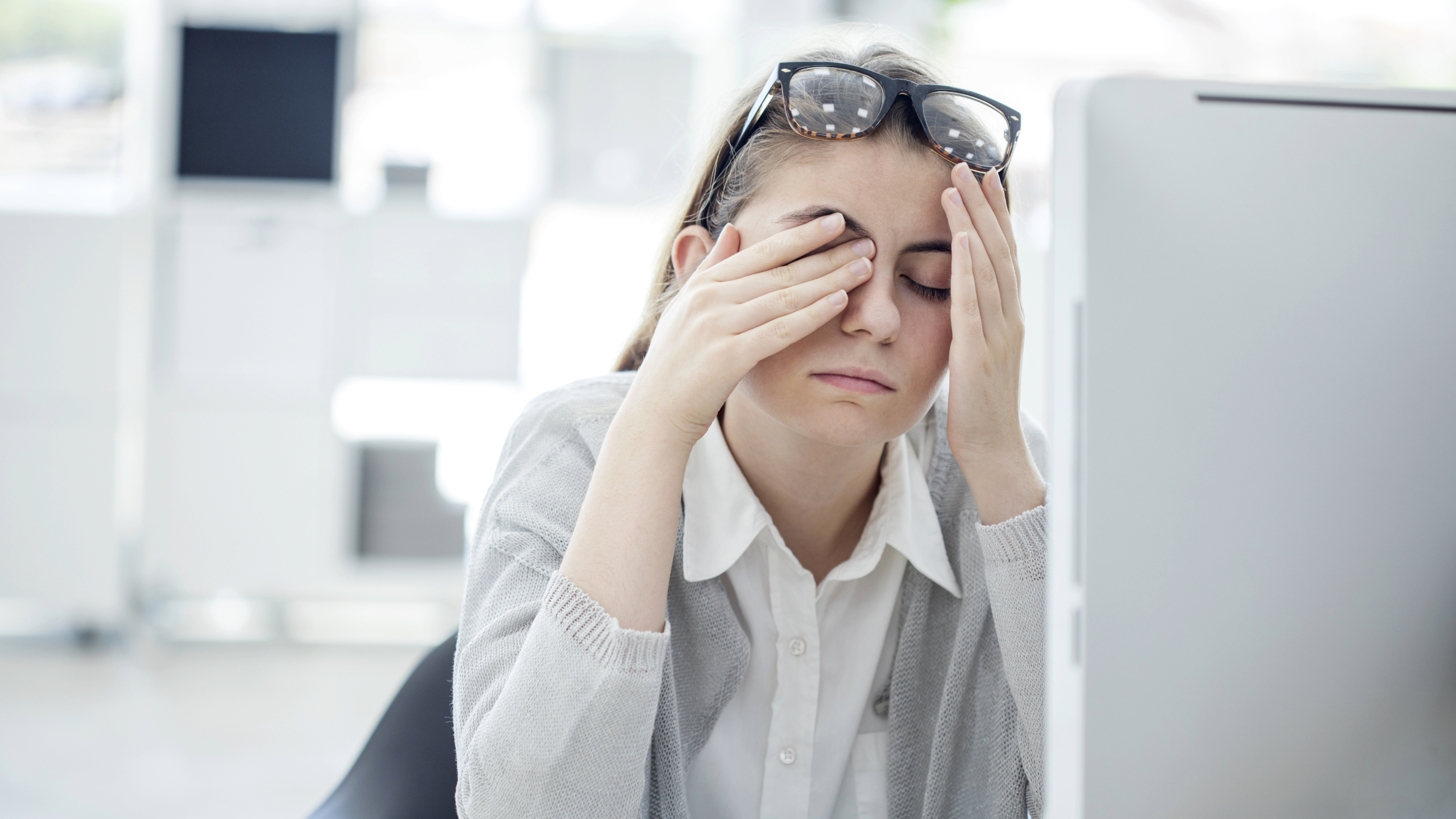
Tired eyes can feel dry, achy or strained, sometimes known as asthenopia — which can also describe eye strain in general — or digital eye strain. This is because a very common source of tired eyes is focusing on a visual task for a long time, especially when it’s on a digital screen.
Asthenopia and eye fatigue have become more common with modern technology, especially because digital devices are commonly used in the workplace and at home. But prolonged focus in general, not just on digital devices, can make your eyes tired over time, especially if you don’t have good lighting or you aren’t blinking enough.
What symptoms can come with tired eyes?
Tired eyes often happen alongside other symptoms. These symptoms may be in the eyes or other body parts, like the head and neck. They might also be worse if you have a preexisting condition, like dry eye disease or a refractive error that is not corrected (when the shape of your eye interferes with the way light hits the layer of tissue at the back of the eye called the retina).
Physical sensations
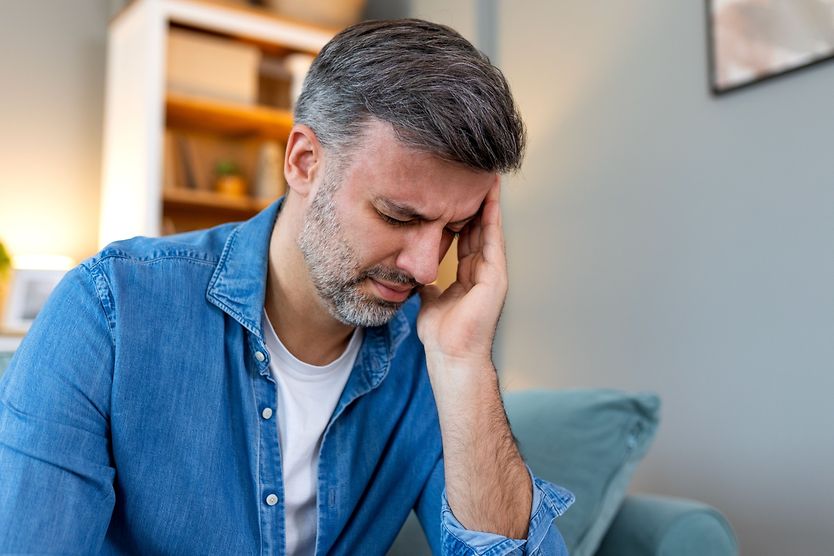
If your eyes feel tired, you may experience other feelings as well. These can include:
- Pain or ache in the eyes
- Headache
- Vertigo or nausea
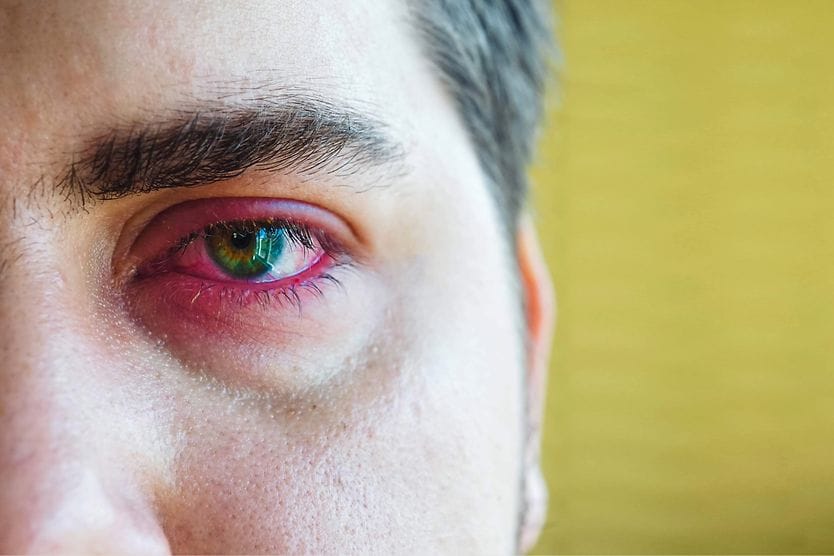
- Dry or watery eyes
- Burning or itching
There may also be pain or stiffness in the neck and shoulders, especially if you’re straining to see a screen.
SEE RELATED: Eye pain: Common causes and serious warning signs
Vision symptoms
Your vision may also be affected if your eyes are tired. These effects commonly include:
- Blurry vision
- Having a hard time focusing
- Sensitivity to light
- Fluctuating vision
What causes tired eyes?
Your environment may play a part in giving you tired eyes. Areas that are too dark — or not dark enough — can tire them out. And areas that are very dry or windy can make them dry, possibly leading to asthenopia and accompanying symptoms. Eye tiredness is also a common symptom of allergies.
Focusing on a task for a long time, especially a near task, like reading or working on a computer, can also give you heavy or exhausted eyes. The muscles inside your eye have to “flex” when they focus on something close up. When you use these muscles for a long time, they’ll tire out.
If you have a refractive error (that is not corrected with glasses or contacts), your eye might have to work harder to focus. One refractive error that can cause tired eyes is presbyopia, or difficulty seeing close objects as you age.
Focusing on something might also mean you aren’t blinking enough. Blinking keeps your eyes lubricated and healthy. Not doing it as much as you should can make your eyes feel both dry and tired.
Focusing on something in general can make your eyes feel tired, but fatigue is commonly caused by the prolonged use of digital devices and screens in particular.
What does it mean if your eyes feel tired and heavy all the time?
It’s common to experience temporary eye strain. But if your eyes feel heavy or tired often, it likely means they’re overworked. This is especially true for digital eye strain.
Digital eye strain, or computer vision syndrome, refers to eye and vision issues that happen after prolonged screen use. Reading non-electronic material can make your eyes tired if you do it long enough — but reading a screen makes your eyes work harder than when you’re reading a page. This could be because:
- Letters on a screen are not as defined as on a page
- Reduced contrast
- Glare and reflections
In general, symptoms like tired or dry eyes are worse after looking at a digital screen than paper. They’re also more likely to happen after time periods of about an hour. The type of digital device may also play a part. For instance, tablets can sometimes cause worse symptoms than a computer screen.
Constantly tired, heavy or itchy eyes may also mean your sleep quality isn’t what it should be. Poor-quality sleep, especially with sleep disorders like obstructive sleep apnea, may result in problems or symptoms like dry eyes, which may then affect quality of sleep.
Can tired eyes be caused by a serious problem?
Eye tiredness is generally not a serious condition, and computer vision syndrome won’t cause any permanent damage. However, if your symptoms are getting worse over time or you are developing new ones, it’s a good idea to see an eye doctor.
Tired eyes that don’t go away with treatment could be a symptom of an uncorrected refractive error, an underlying condition like dry eye disease or an imbalance in the muscles in your eye.
How to get relief for tired eyes
Tired eyes can be uncomfortable, but there are several things you can do to make them feel less strained.
Rest and take breaks often
Take breaks! The 20-20-20 rule can be helpful: about every 20 minutes, try looking at something that’s at least 20 feet away for roughly 20 seconds. This gives your eye muscles a chance to refocus and rest. Spending time outdoors can also help you focus on farther objects.
Make sure your lighting isn’t causing unnecessary glare — keep the lighting dimmer near your computer. Curtains and blinds can be closed to minimize glare, and lower-wattage bulbs may be used for desk lamps.
Ideally, it is recommended to limit the use of digital devices to less than four hours a day. At the very least, try to step away every couple of hours for about 15 minutes.
Moisturize your eyes
Remember to blink! Making an effort to blink more often keeps your eyes lubricated. For dry eyes, eye drops or artificial tears may be recommended. A humidifier can also help, especially if you’re right in front of a vent. A warm compress might also bring relief.
Make lifestyle adjustments
Having an ergonomic workstation can help avoid fatigue in your eyes or pain in your neck and back. Your screen should be just below eye level (somewhere around 4 to 5 inches).
You can also make adjustments to your screen to make it more comfortable to view. These could include:
- Reducing glare
- Adjusting contrast
- Zooming in to read small font (or making the font larger)
- Adjusting brightness
Digital screens can also make it harder to sleep. The blue light from screens is the same blue light from the sun. Being exposed to too much of it when it’s night can stop your body from producing melatonin, the hormone that helps you sleep. Limiting device use an hour or two before you go to bed, or setting the display to a dark mode, can help you get better sleep.
Consider other treatments when needed
Having the appropriate glasses is important to avoid tired eyes, especially for hyperopia (farsightedness, or difficulty seeing close objects). Blue light from screens doesn’t lead to eye disease or harm the eyes themselves, so blue-violet light filtering glasses may not be helpful. However, you can get special occupational glasses (sometimes called progressive lenses) that are meant for computer work.
It is recommended to take breaks to help your eyes refocus, but intentional exercises can help, too. Exercises that involve distance viewing and other motions, like gazing at the tip of your nose, may help relieve some symptoms of eye fatigue. And any exercises that involve blinking will keep your eyes lubricated, helping to avoid symptoms of dry eye.
READ MORE: How computer glasses can ease digital eye strain
How to prevent tired eyes before they start
There are several lifestyle adjustments you can make to help prevent eye fatigue. Many of the same adjustments that reduce tired eyes can also be used to prevent them, like:
- Blinking more
- Taking breaks
- Adjusting lighting and reducing glare
It’s also important to get regular comprehensive eye exams. This is to make sure symptoms of eye fatigue aren’t a sign of something more serious. Your eye doctor may also be able to give you tips to avoid eye fatigue.
When to talk to an eye doctor
Most fatigue in your eyes is temporary and will go away on its own. But you should always see an eye doctor if you have sudden pain or loss of vision. If you’ve had tired eyes for a long time with no relief, it’s best to talk to your doctor, especially if symptoms are stopping you from being able to perform your daily tasks.
READ NEXT: 5 treatments for tired eyes
On this page:
What are tired eyes?
What symptoms can come with tired eyes?
What causes tired eyes?
How to get relief for tired eyes
How to prevent tired eyes before they start
When to talk to an eye doctor
On this page:
What are tired eyes?
What symptoms can come with tired eyes?
What causes tired eyes?
How to get relief for tired eyes
How to prevent tired eyes before they start
When to talk to an eye doctor