Sjögren's syndrome

What is Sjögren's syndrome?
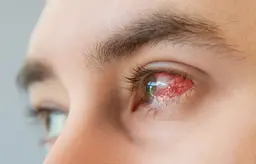
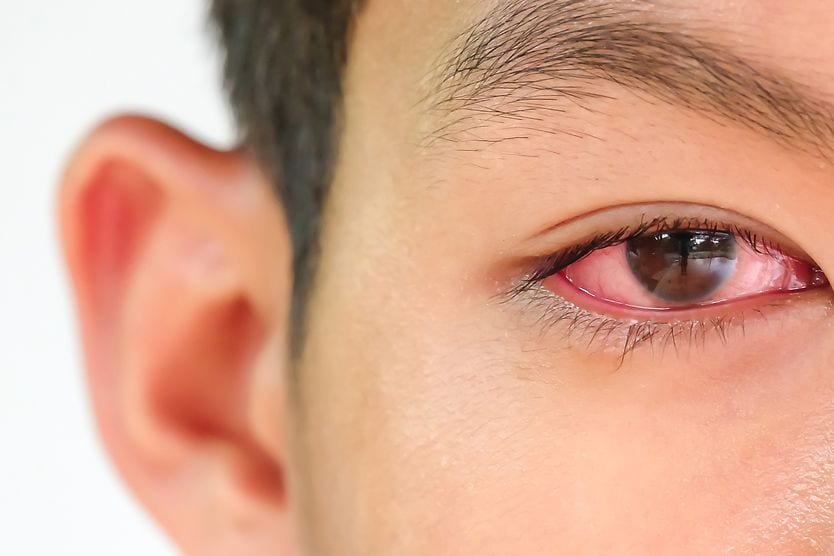
Sjögren's syndrome is a chronic autoimmune disease that can cause a variety of symptoms throughout the body. It attacks and damages the glands responsible for keeping the eyes, mouth and other parts of the body moist and lubricated. For this reason, dry eyes are a common symptom of Sjögren's syndrome.
Pronounced “SHOW-grins” syndrome, the condition is also referred to as Sjögren syndrome and Sjögren's disease.
People of any age or race can develop Sjögren's syndrome. But it’s most prevalent among women, who make up about 90% of those affected. Disease onset usually occurs between the ages of 45 and 55. Researchers estimate that around four million people worldwide have the disease.
It often takes around three years from the onset of the disease to get an accurate diagnosis. This is likely because its signs and symptoms can be mild and can vary widely between patients. Some cases may even be mistaken for other conditions.
Although dry eyes are a distinctive feature of Sjögren's syndrome, many cases go unreported since the symptom is so prevalent in general. It's estimated that around 10% of dry eye patients also have Sjögren's syndrome.
Causes of Sjögren's syndrome
Sjögren's syndrome is one of the more common autoimmune disorders. Ordinarily, the immune system recognizes the body’s own cells as "friendly" and targets only "foreign" substances or harmful organisms, like viruses, bacteria and other pathogens. With autoimmune diseases, white blood cells and antibodies mistakenly attack the body’s own tissues and organs, causing inflammation and damage.
Why this occurs is not clearly understood. However, researchers believe Sjögren's syndrome could result from one or more of the following factors:
- Genetics
- Hormonal changes (such as menopause)
- Environmental causes, such as prior viral or bacterial infections, stressful events or trauma, or exposure to solvents or other chemicals
Sjögren's syndrome is classified into two types:
- Primary Sjögren's – When the condition occurs on its own, in the absence of other diseases.
- Secondary Sjögren's – When the condition occurs alongside another autoimmune disease, such as rheumatoid arthritis or systemic lupus erythematosus.
How to know if you have Sjögren's syndrome
Sjögren's syndrome can affect each person differently. Recognizing common signs and symptoms can help you know when to see a doctor for an accurate diagnosis. Rheumatologists (specialists in autoimmune diseases) typically manage the condition. However, eye doctors, dentists and other health care providers may also be involved.
Signs and symptoms
Sjögren's syndrome can affect many systems in the body. As a result, people with the condition may experience a wide variety of symptoms. They can occur in cycles and range from mild to severe.
The classic signs and symptoms are:
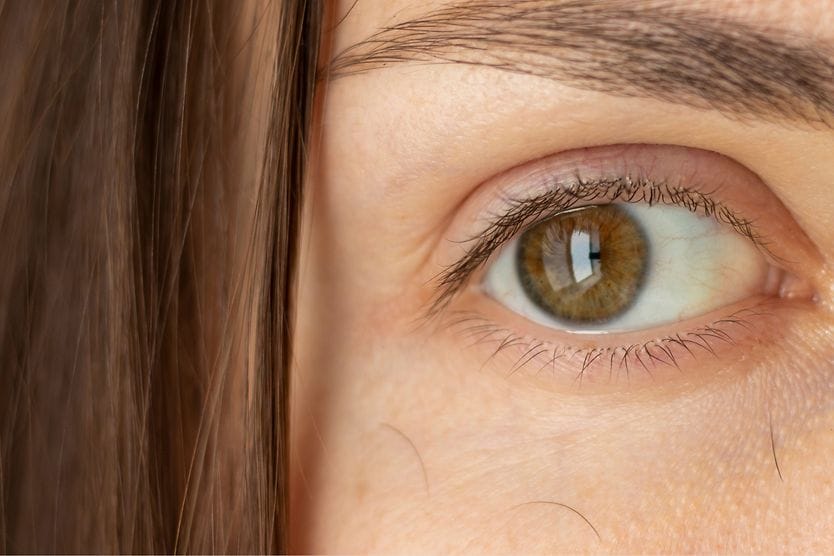
- Dry eyes (xerophthalmia)
- Dry mouth (xerostomia)
Other common signs and symptoms include:
- Dry skin
- Vaginal dryness
- Chronic fatigue
- Joint pain and inflammation
- Muscle pain
- Dry or peeling lips
- Sore mouth, tongue or throat
- Chronic dry cough
- Swollen salivary glands
- Dry nose
- Altered sense of taste or smell
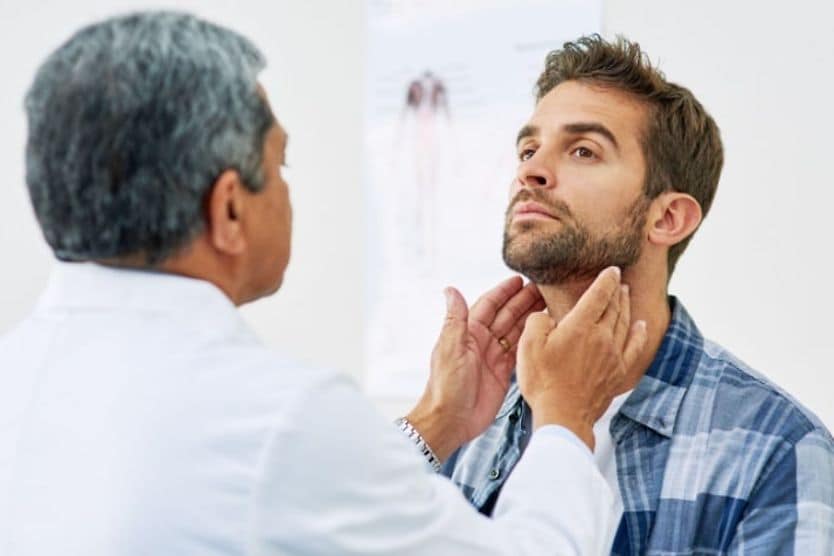
- Swollen lymph nodes
- Rashes on the hands or feet
In addition to dry eyes, other eye-related signs and symptoms can occur with Sjögren's syndrome, such as:
- Blurred vision
- A gritty sensation
- A burning or stinging sensation
- Light sensitivity (photophobia)
- Contact lens discomfort
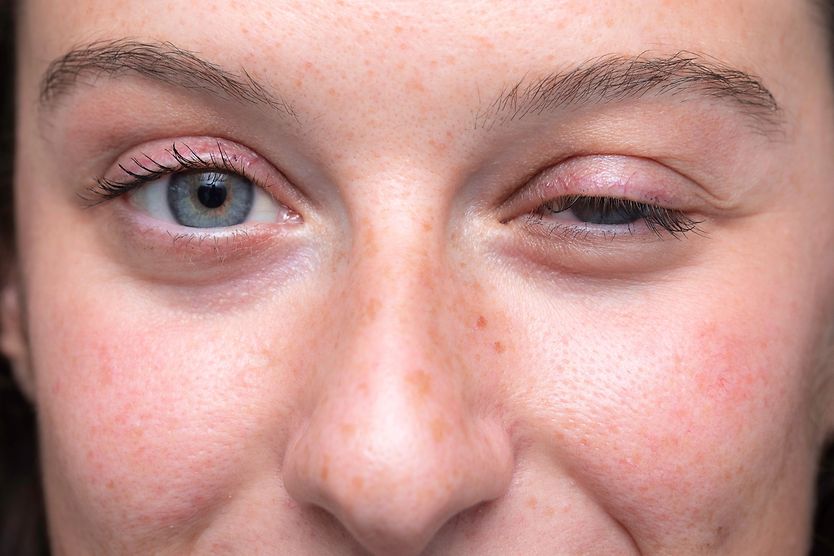
- Blepharitis (eyelid inflammation)
Diagnostic tests
If Sjögren's syndrome is suspected, your eye doctor will likely perform a comprehensive eye exam. This may include an evaluation of your eyelids and the skin around your eyes. They may also check for meibomian gland dysfunction (MGD), a leading cause of evaporative dry eye syndrome. With MGD, the glands in the eyelids that secrete oil (meibum) into the tear film become inflamed and obstructed. A decrease in the amount or quality of the meibum can cause tears to evaporate too quickly, contributing to dryness.
Eye-related tests performed during the exam may include:
- Slit-lamp exam – A special microscope is used to examine the front of your eye for signs of dryness and damage.
- Schirmer's test – The tip of a small strip of test paper is inserted inside your lower eyelid. This test measures the volume of tears your eyes produce over a certain period of time (usually five minutes).
- Dye test – A special dye is used to stain your tears. Your eye doctor will then examine your eyes with a microscope to see how quickly your tears evaporate. They will also determine whether any dryness-related damage has occurred to your cornea or other eye structures.
Your health care team may recommend other tests to confirm a Sjögren's diagnosis, such as:
- Saliva measurement – The amount and quality of saliva produced in your mouth may be measured. This can help determine if your saliva flow is normal or low.
- Imaging procedures – Imaging techniques, such as a salivary gland ultrasound, may be performed. This can help doctors determine if changes in the glands are caused by Sjögren's or other conditions.
- Tissue biopsy – A tissue sample may be taken from the salivary glands (usually in the lower lip) to assess disease severity.
- Blood tests – Your doctor may order blood tests to check for certain antibodies and other factors commonly associated with Sjögren's syndrome.
Complications of Sjögren's syndrome
Beyond the common signs and symptoms, Sjögren's can sometimes lead to other health complications that require monitoring and management. These include:
Eye problems
Chronic dry eye is generally a main symptom of Sjögren's syndrome. It’s essential to keep your eyes lubricated to avoid damage that could lead to scarring, infection and other issues.
Dental issues
Sjögren's syndrome affects the salivary glands, causing dry mouth. This can increase the risk of tooth decay and other oral health problems, which could lead to tooth loss without proper care. Decreased saliva flow can also make it more difficult to chew, swallow or speak.
Skin conditions
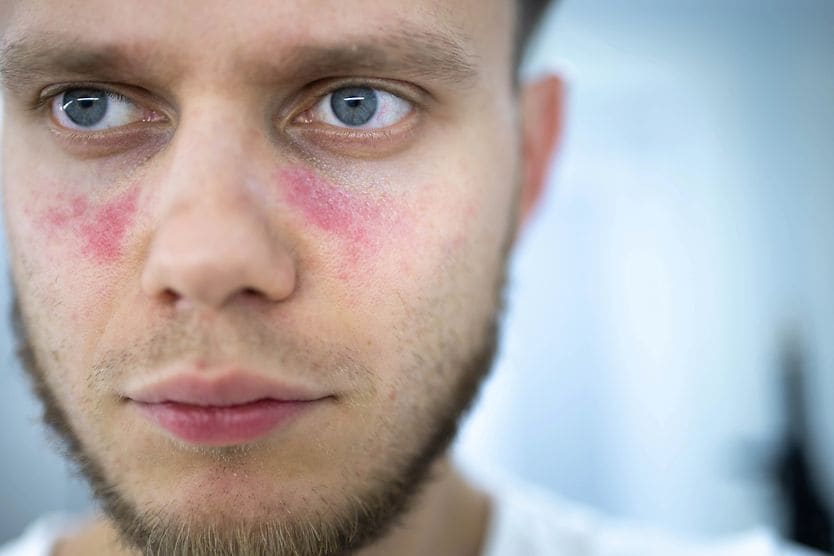
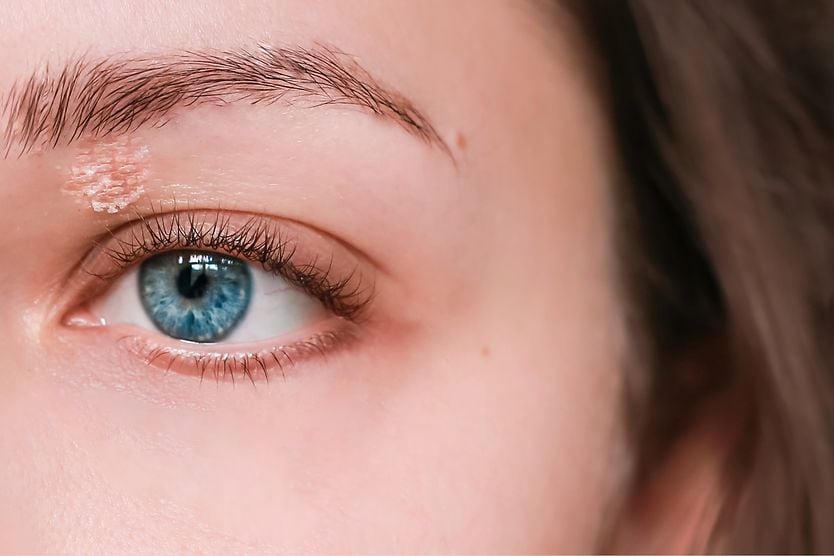
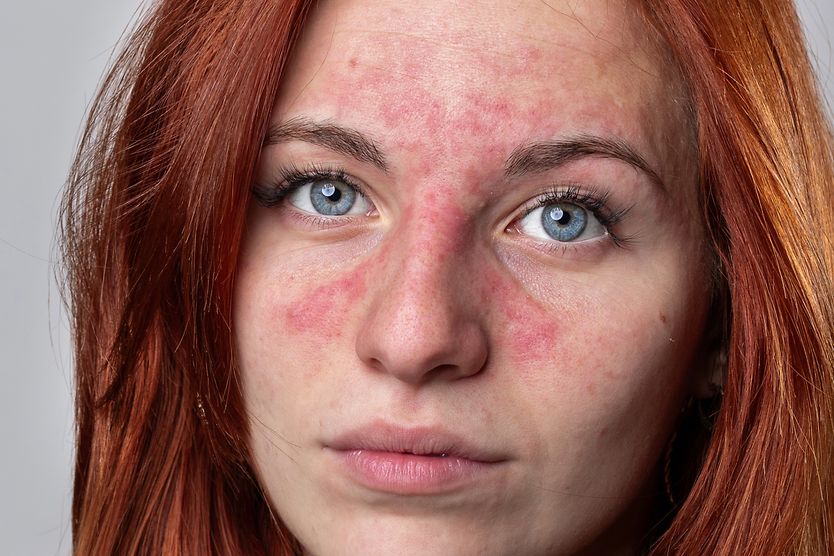
People with the condition can experience skin issues. The skin may become dry, red or cracked, or rashes may develop.
Respiratory problems
Sinus and lung problems are somewhat common with this condition. Dryness in the airways can lead to symptoms like coughing and shortness of breath. Some people may develop respiratory issues such as:
- Sinus infections
- Bronchitis
- Scarring of the lung tissues
Digestive issues
Sjogren’s can cause gastrointestinal (GI) problems, such as gastroesophageal reflux disease (GERD), indigestion and the slow movement of food through the digestive system.
Neurological concerns
The condition can impact parts of the nervous system. This can lead to issues such as:
- Brain fog
- Memory problems
- Numbness or tingling in the hands and feet
- Difficulty balancing
Pregnancy considerations
Pregnant women with Sjögren's syndrome have a higher risk of complications, including high blood pressure, blood clots, preterm delivery and other issues. Certain antibodies made by the mother can cross the placenta and, in rare cases, cause heart problems in the baby. Pregnant women with the condition should work closely with their doctors during pre- and post-natal care.
Increased lymphoma risk
People with Sjögren's syndrome are more likely to develop lymphoma. This is cancer of the lymphatic system, which contains white blood cells that play a major role in fighting disease.
Other complications
Sjögren's syndrome can also lead to additional health concerns, including:
- Vasculitis (inflammation of blood vessels) and other cardiovascular problems, including a risk for aortic dissection (a tear in the wall of the body’s main artery)
- Liver issues
- Pancreatic problems
- Kidney disorders
Treatment and management options
At this time, researchers have not identified a cure for Sjögren's syndrome. However, certain treatments can help manage the condition and ease its symptoms.
Medications
Medications may be recommended or prescribed based on individual symptoms and to treat specific issues, such as:
- Dry mouth – The use of over-the-counter (OTC) mouth lubricants (artificial saliva) may be needed to keep the mouth adequately moist and to assist in swallowing. Prescription medications that aid in saliva production may be prescribed in more severe cases.
- Pain or inflammation – OTC or prescription nonsteroidal anti-inflammatory drugs (NSAIDs) such as aspirin or ibuprofen can help relieve pain and inflammation caused by the condition. Corticosteroids may also be prescribed to control inflammation.
- Severe cases – If you have a severe case of Sjögren's syndrome, your doctor may recommend immunosuppressant medications. This might include disease-modifying antirheumatic drugs (DMARDS) such as hydroxychloroquine.
How dry eye from Sjögren's syndrome is treated
Treating dry eye from Sjögren's syndrome is important to maintain your eye health, vision and comfort. It may require ongoing care with eye drops or other treatments.
Eye drops
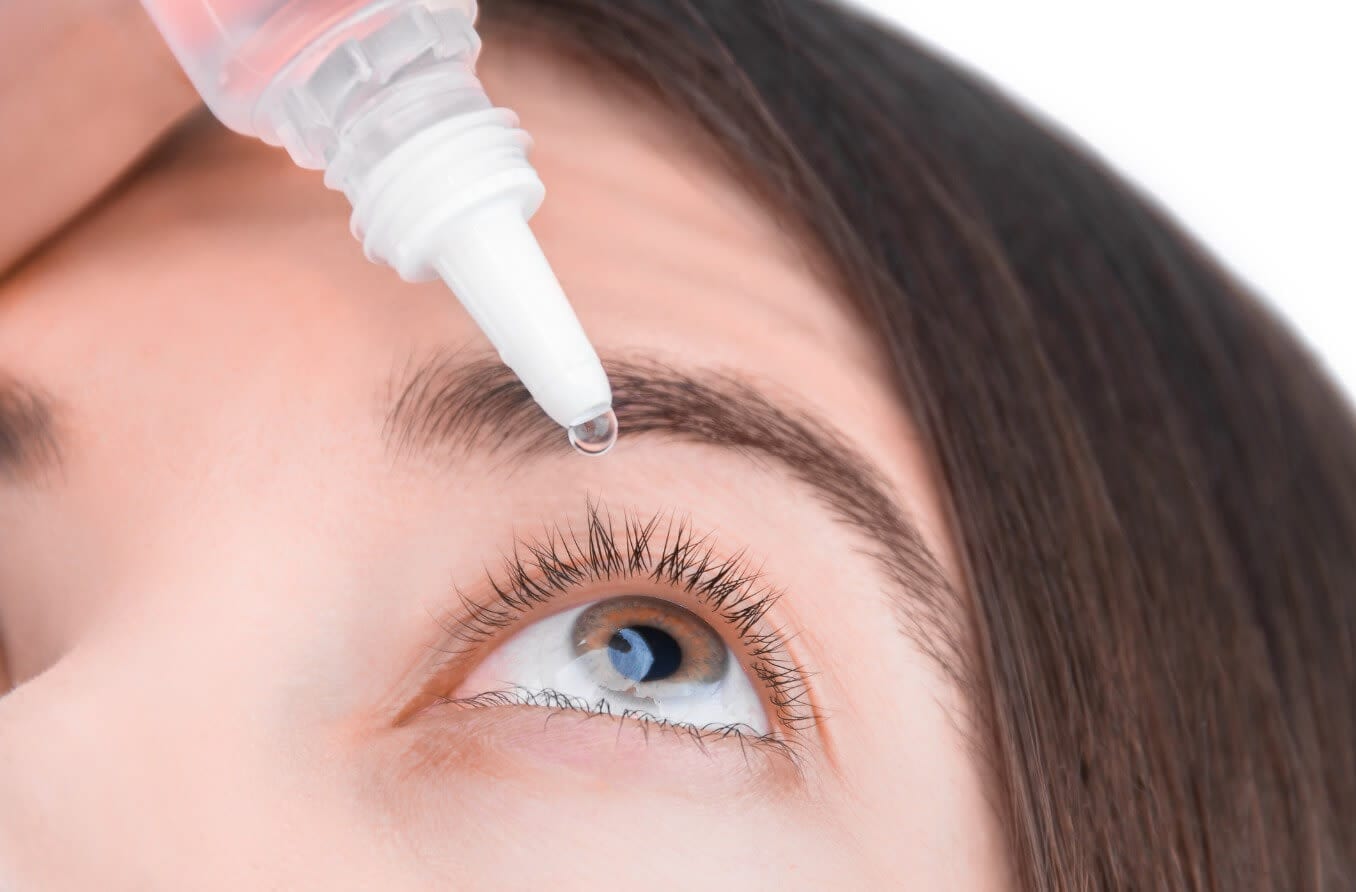
Various types of eye drops may be used to manage dry eye resulting from this condition, such as:
- Lubricating eye medications – Preservative-free artificial tears, ointments or gels can help protect the eye’s surface and relieve dryness. Oil- or lipid-based drops can be especially helpful for people whose tears evaporate too quickly.
- Topical anti-inflammatory drops and corticosteroids – These drops help reduce eye inflammation and relieve irritation.
- Cyclosporine A eye drops – This is an immunosuppressive medication that also reduces eye inflammation and helps increase tear production over time.
- Lifitegrast eye drops – This medication helps prevent the inflammatory process and improve dry eye symptoms. Other prescription eye drops used to treat dry eye include acoltremon and perfluorohexyloctane.
- Varenicline nasal spray – This nasal spray increases natural tear production by stimulating a nerve. It may also help slow evaporation and stabilize tears.
- Autologous serum eye drops – These drops are made from the patient’s own blood serum, which helps boost natural healing and tissue regeneration.
- Platelet-rich plasma eye drops – Also made from the patient’s blood, these drops contain properties that help heal and repair damaged eye tissues.
Sjögren's syndrome can increase a person’s risk for developing demodex blepharitis. If this occurs, an eye doctor may prescribe lotilaner ophthalmic solution as treatment.
Other treatments
Along with eye drops, additional treatments may be recommended to help relieve dry eye associated with Sjögren's syndrome, such as:
- Punctal occlusion – This treatment helps the eyes retain tears for longer by blocking the tear ducts with tiny inserts (such as punctal plugs or gel-based plugs) or by cauterizing the ducts to seal them off.
- Amniotic membranes – These are tissue grafts placed on the eye’s surface to repair damage and reduce inflammation.
- Systemic medications – Oral medications may be prescribed to help treat both eye-related and other effects of Sjögren's. These may include drugs like pilocarpine, glucocorticoids or immunosuppressants, among others.
Lifestyle adjustments
The following lifestyle changes can help manage Sjögren's symptoms, support your overall health and improve your comfort:
- Drink plenty of water to stay well-hydrated and eat an anti-inflammatory diet.
- Get plenty of sleep and exercise regularly.
- Brush your teeth with fluoridated toothpaste after each meal, and floss at least once a day.
- Use a humidifier to help reduce dry eyes, nose, mouth and skin.
- Don't smoke, and avoid environments where others are smoking.
- Limit caffeine and alcohol consumption.
- Break tasks into smaller steps and take regular breaks to help manage chronic fatigue.
How to prevent dry eye and other Sjögren's syndrome symptoms
Sjögren's syndrome cannot be prevented, but the following steps may help ease its symptoms:
- Avoid direct airflow from fans or vents.
- Wear goggles or wraparound sunglasses when outdoors.
- Use preservative-free artificial tears to keep your eyes moistened. (Your eye doctor can recommend the right brands for your needs.)
- Tell your doctors about any medications you are taking, as some (such as antihistamines for allergies) can cause dryness throughout the body.
- Chew sugarless gum or use sugarless hard candies to help moisten your mouth.
- Avoid using mouth rinses that contain alcohol, which can be drying to your oral tissues.
- Use vaginal lubricants if needed.
Living with Sjögren's syndrome
Sjögren's syndrome is typically a long-term condition that requires ongoing management to control its symptoms. It can impact your daily life, creating both physical and emotional challenges. The following tips can help you manage the condition and its effects:
- Maintain regular appointments with your rheumatologist, eye doctor, dentist and gynecologist.
- Inform your health care team if your symptoms worsen or you experience any new symptoms.
- Prioritize your mental health through counseling, support groups and stress-reduction techniques.
If you have Sjögren's syndrome or know someone who does, additional information is available through the Sjogren's Syndrome Foundation. You can find details on support groups, patient seminars, clinical trials and more.
When to visit a doctor
Sjögren's syndrome is a chronic autoimmune condition that damages the glands that help produce moisture throughout the body. The most common symptoms are dry eyes and dry mouth. However, it can affect the body in many ways and it impacts each person differently.
Early identification is key to keeping symptoms under control and preserving your health and comfort. While a rheumatologist typically oversees care, other health care specialists often play a role in treating different aspects of the disease.
If you experience symptoms of Sjögren's syndrome, visit your health care provider as soon as possible. There is no cure for the disease, but its effects can often be managed to help you maintain your quality of life. For eye-related symptoms or concerns, contact an eye doctor to schedule an eye exam.