Black eyes: Causes, treatment and prevention

What is a black eye?
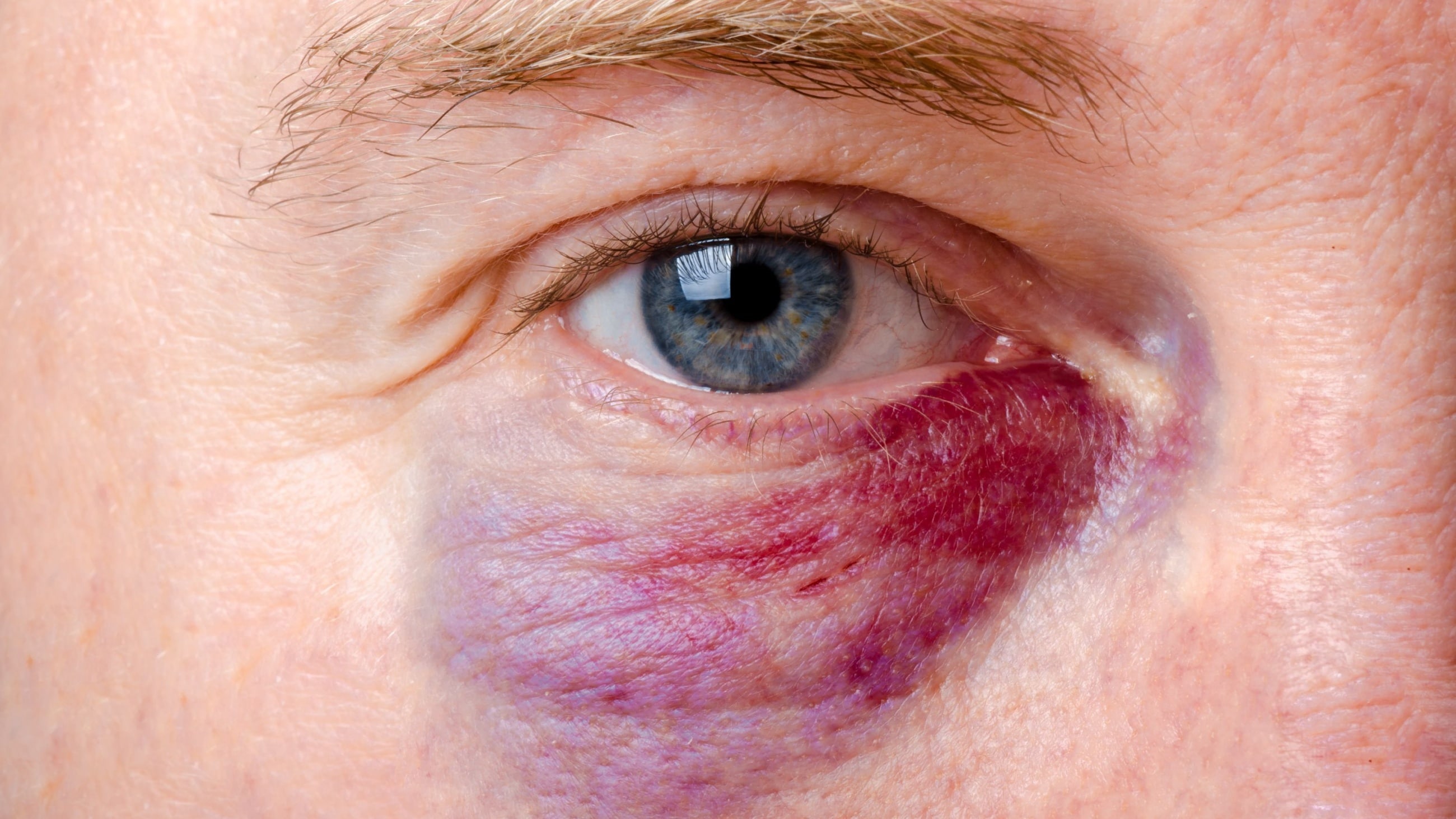
A black eye occurs when blood and other fluids collect in the tissues surrounding the eye, usually after an injury to the area. It is technically a bruise or discoloration caused by broken blood vessels under the surface of the skin.
Because the facial skin around the eye socket is relatively thin and transparent, even a slight pooling of blood can result in a very noticeable discoloration.
A black eye might casually be known as a "shiner," but its medical name is periorbital hematoma.
It's more difficult to pronounce, but the term more accurately describes the condition — a raised collection of blood (hematoma) located in the tissues around, not inside, the eye (periorbital).
Signs, symptoms and stages of a black eye
A black eye may only appear red at first, with swelling and bruising starting a couple of hours later.
The eye bruising can be a range of deep red, purple, and "black and blue," and it may become larger and darker over the first few days. This may only affect the area under the eye, or it could surround the eye completely.
Eye swelling may seem to get worse before it improves, too. Like the bruising, it might stay mostly localized, or it could spread out to other parts of the face.
During this time, some common symptoms may include:
- Pain or tenderness around the eye
- Difficulty opening the eye due to swelling
Discoloration around the eye will usually start to fade as the black eye heals. Just like other bruises, it may look brown, gray, green or yellow (or all of the above) during the healing process.
The degree of pain, swelling and bruising can depend on the severity of the injury that caused the black eye. A mild black eye may only have slight bruising with little to no swelling.
If you have a black eye, you may also have a subconjunctival hemorrhage or a hyphema. These aren't symptoms of a black eye but can often accompany one:
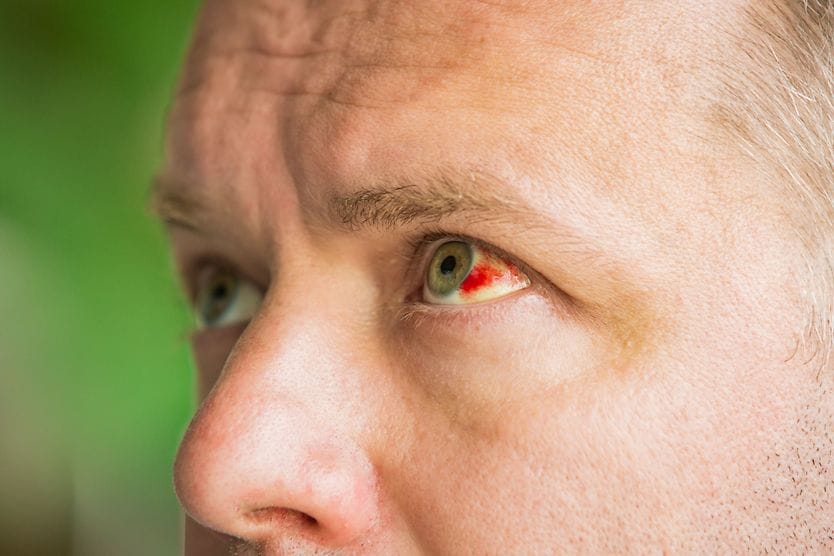
- A subconjunctival hemorrhage is a bright red splotch under the clear surface of the eye (conjunctiva) on top of the white part of the eye (the sclera). It's caused by broken blood vessels and isn't usually serious.
- A hyphema is bleeding inside the eye, in the area between the cornea and iris. It is a painful medical emergency that can lead to vision loss if not treated right away.
For a serious black eye with severe pain and swelling, see an eye doctor or emergency physician as soon as possible.
Causes of a black eye
Black eyes usually happen after a blunt injury, such as an object striking the eye area.
All sorts of events can lead to a black eye, from playing sports to accidentally walking into something. But eye trauma and injuries aren't the only things that can cause a bruised eye.
Other common causes could include:
- Cosmetic eye surgery
- Nasal surgery
- Dental work
A less common but very serious cause of black eyes is a skull fracture, which tends to result in two black eyes sometimes described as "raccoon eyes." These can take up to three days to appear and may not cause any other symptoms.
See an eye doctor or go to an emergency facility as soon as possible if you develop raccoon eyes. They require emergency medical attention, even if the original head injury seemed very minor or if you don't recall any injury at all.
Allergies and nasal congestion can make the tissue around your eyes look puffy and a little darker. But this is due to inflammation in the blood vessels, rather than actual bruises or black eyes.
When to seek medical attention
Usually, a black eye is like any other bruise and not much cause for concern. But it can also point to more serious conditions. Eye doctors typically recommend having an eye exam as soon as possible after any eye injury, even if it seems minor.
Damage inside the eye may not cause any pain or symptoms. However, it can eventually lead to increased eye pressure, glaucoma and vision loss if left untreated.
Other types of serious injury that can happen along with a black eye do have clear warnings. Seek immediate medical attention if you notice any of the following:
- Blood inside the eye
- Blood flowing from the ears or nose
- Dizziness, fainting or loss of consciousness
- Changes in vision, including blurry vision, double vision, vision loss or the appearance of flashes or floaters
- Vomiting
- Inability to move the eye
- Behavioral changes or lethargy
- Severe pain
- Bruising around both eyes
- Persistent headache
- Black eyes not attributable to an injury
- Any facial numbness
- Unequal pupil size or change in pupil shape
Diagnosing a black eye
It's important to have an eye doctor or emergency physician examine your black eye. Though the majority of black eyes are harmless, you may also have more serious injuries that you aren’t aware of.
An eye doctor or emergency physician can make sure your diagnosis is "just" a black eye with some standard tests. For example, they may:
- Check your vision.
- Ask you to follow their finger movement with your eyes.
- Check your pupil reactions.
- Look inside your eye with a light.
- Do a dilated eye exam to rule out damage inside the eye.
- Check your eye pressure.
- Check for signs of facial and orbital bone fractures.
- Do X-rays or a CT scan.
Treatment options for a black eye
A true black eye with no other injuries doesn't require any treatment. You can nurse it on your own with some simple home remedies while it heals up.
Medical treatment for black eyes
A black eye often won't need any medical treatment unless you have other injuries as well. Depending on those injuries, treatment needs can range from simple antibiotics to eye surgery.
Home remedies and pain relief
There's no magic cure to get rid of a black eye overnight, but a number of home remedies may help speed up the healing process.
Once you have the all-clear from your eye doctor or emergency physician, you may be able to use the following at-home treatments:
- Start with a cold compress – Apply an ice pack, a bag of frozen peas or other cold object (but never raw meat) to lower the temperature of the area around the eye as soon as possible after the injury. Apply for 15 to 20 minutes. Repeat this cold compression therapy as often as once an hour for the first 24 hours after injury.
- Switch to a warm compress – After a day or two of applying cold packs, try gently applying warm (not hot) compresses to your black eye. This may increase blood flow to the area and facilitate healing.
- Keep your head elevated – Make sure your head stays elevated while you’re resting and sleeping.
- Snack on pineapple – It contains bromelain, which studies suggest may reduce inflammation and help with pain relief.
- Load up on vitamin C – Though vitamin C may do more to strengthen blood vessels and reduce how easily you bruise, it may also help speed the healing of your black eye.
- Try OTC pain relievers – Over-the-counter drugs, such as acetaminophen, may help with minor pain. But avoid aspirin, which is a blood thinner and could make your black eye look worse.
SEE RELATED: More ways vitamin C can help your eyes
How long does a black eye last?
In many cases, you can see noticeable improvement in the appearance of your black eye within a week or so. It usually disappears completely within a few weeks.
During this healing period, it's important to protect your eye from further damage by avoiding any activities that could lead to additional injury.
Preventing a black eye
To decrease your risk of getting a black eye, remember to wear safety glasses, sports eyewear or protective headgear with a face shield when you're involved in potentially hazardous activities, including sports.
Wearing a seat belt in the car is essential and significantly reduces the risk of bruised eyes from auto accidents — even minor ones.
There are steps you can take around the house too. For example, don't leave objects on the stairs, since this can easily result in a fall and eye injury. Area rugs can also be a trip hazard, so make sure they lie flat and are wrinkle-free.
LEARN MORE about eye injury prevention
Healing and recovery
Having a black eye is rarely more serious than having any other bruise. However, when there are other eye or head injuries involved, a black eye can be a sign of something very serious.
An impact to the eye can cause internal eye damage and even bone fractures. See an optometrist or ophthalmologist as soon as you can after any injury to or around your eyes. It's important to be examined for possible unseen injuries and to receive any eye care you may need.
Once your eye doctor or emergency physician gives you a clean bill of health, make sure to be extra gentle and protective of your black eye as it heals.
Adam Debrowski also contributed to this article.