Winter dry eyes: Causes, symptoms and solutions


Understanding dry eyes in winter
Winter can be cold and dry in many parts of the world. Environmental factors, such as low humidity, wind and indoor heating, can affect your eyes and contribute to dryness and other symptoms. Winter conditions may also worsen these symptoms in people with dry eye disease (DED).
Winter air typically holds less moisture, and indoor heating can reduce relative humidity in homes, offices and other buildings. These factors can cause tears to evaporate more quickly and affect the stability of the tear film, which coats the front surface of the eye. As a result, your eyes may feel drier, which can lead to eye discomfort and other related symptoms.
Understanding the causes, symptoms and potential remedies for dry eyes in winter may help you manage symptoms and keep your eyes more comfortable this time of year.
Causes of dry eyes during winter
Various environmental and lifestyle factors can contribute to eye dryness, especially during colder months. These factors may disrupt the tear film, which consists of oil, water and mucus components that work together to keep the eye’s surface lubricated.
Environmental factors can include:
- Indoor heating
- Cold, dry outside air
- Low humidity
- Wind exposure
Certain lifestyle habits may also increase exposure to conditions that contribute to eye dryness during winter. These can include:
- Spending more time indoors
- Increased use of digital screens
- Sitting close to heating sources
Some eye- and health-related conditions and medications may also play a role in eye dryness. Your eye doctor can help determine whether your symptoms may be associated with an underlying condition.
Common signs and symptoms of winter dry eyes
Dry eyes can occur at any time of year. However, winter conditions can increase the risk of eye dryness or worsen existing symptoms. Eye dryness may also be accompanied by the following signs or symptoms:
- Eye redness
- Eye irritation
- Blurry vision
- Eye itching
- A stinging or burning sensation
- Grittiness
- A scratchy feeling
- Stringy mucus
- Epiphora (watery eyes)
- Photophobia (light sensitivity)
While cold air and wind can lead to eye dryness, they can also cause the eyes to water. These conditions may irritate the eye’s surface, causing the eyes to produce additional tears (reflex tear production).
Eye dryness may also make it more uncomfortable or challenging to wear contact lenses.
Preventive measures for winter dry eyes
While you can’t control the weather, certain preventive measures may help to reduce eye dryness and other related symptoms during the winter months.
The role of humidity
Using a humidifier can add moisture to indoor air, which may help prevent or alleviate mild dry eye symptoms. If you use one, remember to follow the manufacturer’s instructions for cleaning and maintenance.
Protective eyewear
Protecting your eyes from cold air and wind may be especially helpful during harsh winter conditions. In addition to eye dryness, these elements may also contribute to excessive tearing (watery eyes). While the eyes have natural mechanisms that help prevent them from freezing, extremely cold temperatures or prolonged exposure could potentially damage certain parts of the eye.
Wearing wraparound sunglasses or goggles outdoors may help shield your eyes from cold wind and other elements, such as ultraviolet (UV) radiation from the sun. Look for eyewear that provides 100% UVA-UVB lens protection. Close-fitting designs may also help increase relative humidity around the eyes, which could help reduce tear evaporation and associated dryness.
Note: Some US states may restrict certain types of wraparound eyewear while driving. Remember to review applicable state laws before wearing this type of eyewear behind the wheel.
Other considerations
Spending more time indoors may be associated with increased screen use. Limiting or taking regular breaks from digital devices may help reduce the risk of eye dryness and associated symptoms. Following the 20-20-20 rule may also be helpful: Every 20 minutes, look at something at least 20 feet away for a minimum of 20 seconds.
Hot or warm air blowing into your eyes indoors may contribute to eye dryness. When possible, avoid sitting directly in front of heating sources or exposing your eyes to airflow from them.
Staying hydrated may also help support normal tear function.
Potential remedies for winter dry eyes
The following options may help relieve dry eye symptoms caused by cold-weather conditions:
Choosing the proper eye drops
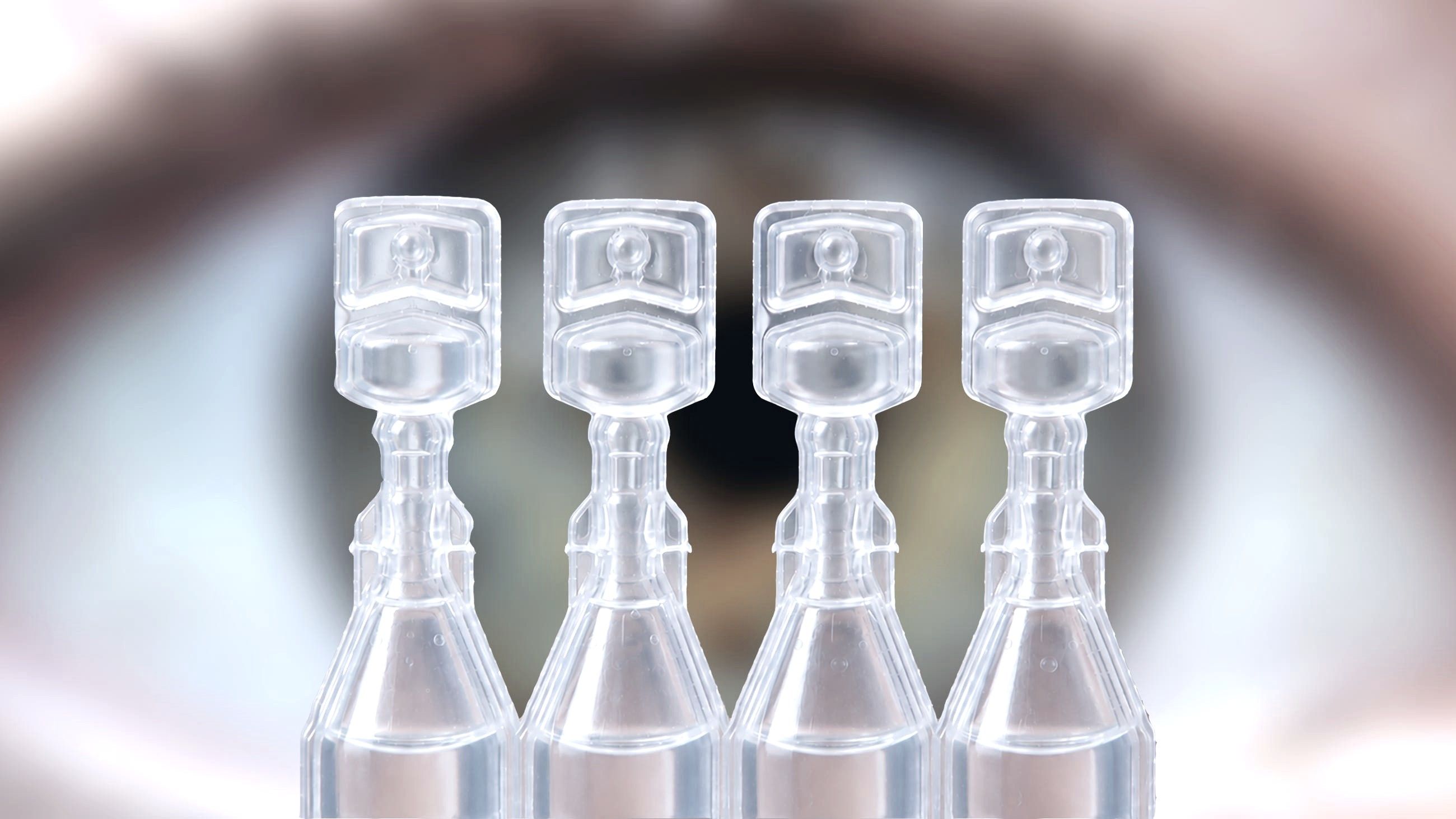
Over-the-counter (OTC) lubricating eye drops, such as artificial tears, may help alleviate eye dryness, eye watering and related symptoms. However, some OTC formulations contain preservatives, which can cause eye irritation with prolonged use. A preservative-free solution may be preferred when artificial tears are needed frequently.
Your eye doctor can help you determine which eye drop option may be more likely to address your needs. In some cases, prescription eye drops, ointments or gels might be recommended.
Home remedies for dry eyes
Additional ways to help relieve winter dry eye symptoms may include:
- Using warm compresses – Applying a warm compress to closed eyelids may help improve oil flow from eyelid glands. This can potentially decrease tear evaporation and alleviate dry eye symptoms.
- Following proper eyelid hygiene – Cleaning your eyelids regularly may also help provide relief. There are various OTC cleaning products available. Consult your eye doctor to determine the appropriate option for your specific needs.
- Increasing blinking frequency – Blinking your eyes more frequently, especially during tasks like reading and computer use, may help distribute tears across the eye’s surface and reduce dryness.
- Removing contact lenses – Contact lens wear may worsen dry eye symptoms, as tear film stability plays a role in contact lens comfort. If you wear contact lenses, removing them when your eyes feel dry (and wearing glasses instead) may provide some relief.
- Adopting dietary changes – Some studies suggest that certain dietary habits, such as the Mediterranean diet, may potentially help support eye health, which could prevent or improve dry eye symptoms.
- Taking certain dietary supplements – Some studies also suggest that specific dietary supplements, such as omega-3 fatty acids, may help improve eye dryness in certain people. However, further investigation is needed to understand their potential benefits.
Your eye doctor may provide additional recommendations for winter dry eye relief.
When to see an eye doctor
While having dry eyes could be a temporary, environment-related effect, it can also be a symptom of certain eye conditions. It can even be associated with other health-related factors, including some medications and systemic diseases. If eye dryness or other symptoms persist or worsen, it’s recommended to consult your eye doctor.
Seek urgent medical care if you experience sudden vision changes or other concerning symptoms, such as severe eye pain or light sensitivity.
Your eye doctor may perform a comprehensive eye exam to evaluate your vision and eye health and check for underlying factors.
Protect your eyes this winter
Eye dryness can be common during the winter months. It may also be accompanied by other symptoms, such as eye irritation and excessive tearing. Environmental factors, like cold air, wind and indoor heating, may contribute to these symptoms.
Taking preventive measures, such as using a humidifier, wearing protective eyewear outdoors and avoiding eye exposure to indoor heating sources, may help reduce eye dryness. Artificial tears and other home remedies may also help provide relief.
If dry eye symptoms persist or worsen, consult your eye doctor. They may recommend additional dry eye prevention tips and treatment options to help keep your eyes healthy and comfortable year-round.