Losing an eye and finding her way
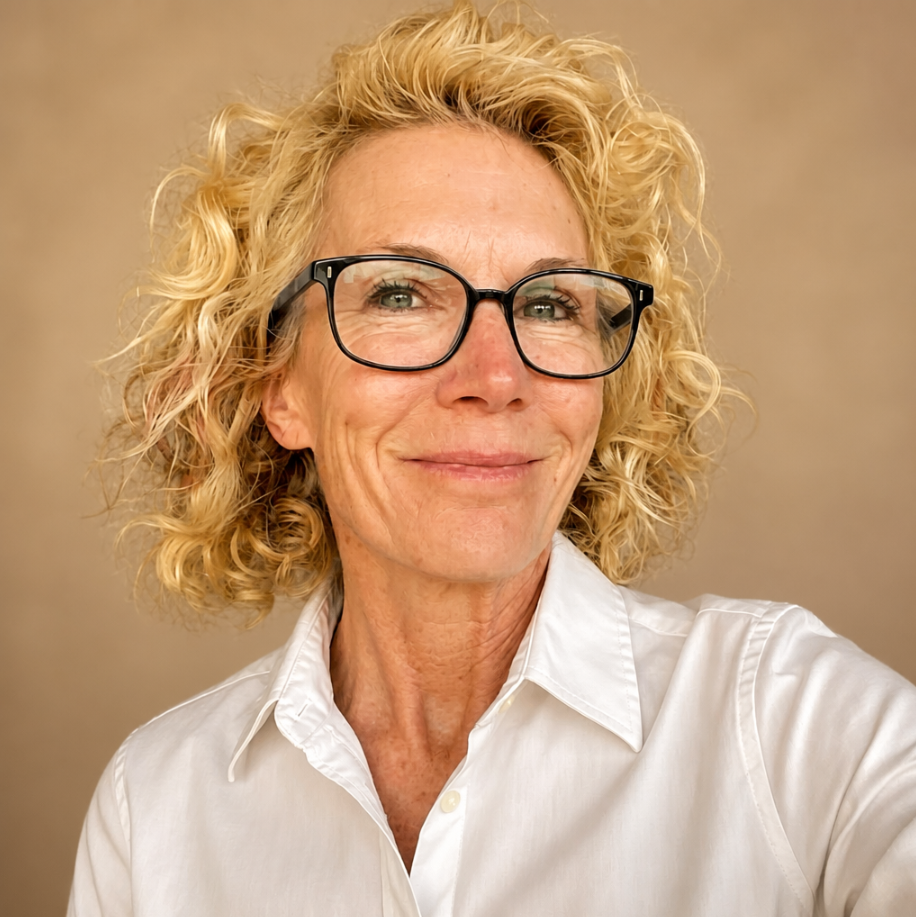
Skiers and snowboarders don’t say “last run” out loud, because that’s often when something bad happens. On February 28, 2021, Shelby Perry and two friends kept that superstition in mind during their final run of the day. It was the last afternoon of a ski trip to a resort outside Salt Lake City where she grew up. They’d flown up from Shelby’s new home in San Diego to catch some fresh powder. With their flight home just hours away, they spotted some untouched snow off the trail.
Shelby, 30 at the time, traversed toward it, caught an edge of her snowboard and was thrown into a tree. A branch knocked the magnetic lens clean off her goggles and gouged her right eye. “All I remember,” she recalled, “is blood, everything going dark and suddenly being very cold.”
Ski patrol got her off the mountain and into a waiting ambulance. Surgery and a week of recovery in Salt Lake City followed, then two months of appointments in San Diego while doctors waited to see if her eye would recover. It didn’t. A specialist told her the eye had to come out, and on April 29, 2021, it was removed — one day after Shelby marked a full year of sobriety, and 10 months after she’d moved to San Diego to rebuild her life.
“It felt like a new chapter was beginning,” she said. “And then I lost my eye.”
Shelby credits her sobriety community for carrying her through the emotional months that followed, with rides to appointments and grocery deliveries while she healed. She spent her recovery believing her eye loss had to have a purpose.
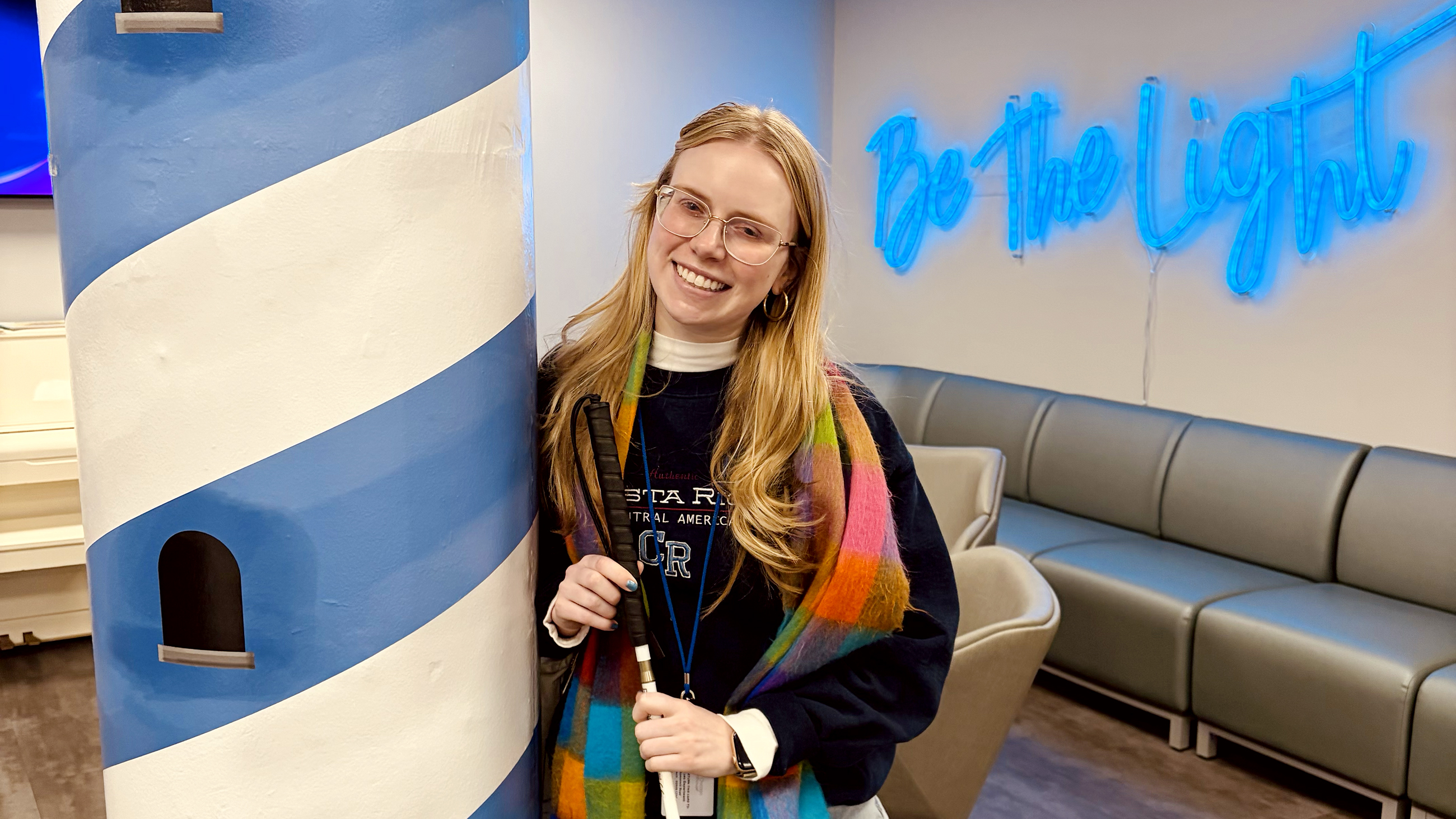
That purpose became Eyehesive, an online community movement for people with one eye that Shelby expanded into annual conferences and, this past February, a beach retreat in Tulum, Mexico. Along the way, the yoga-instructor-turned-one-eyed-entrepreneur designed a sleek no-strings-attached eye patch, and started wearing what she calls her “fun eyes,” decorative prosthetic eyes that helped her find her way back to the mirror.
All About Vision (AAV) sat down with Shelby, now 35, to hear more about how her eye-loss journey took her from the mountain to making positive change for people living life with one eye.
Losing her eye
AAV: What was your reaction when you got the news that your eye had to come out? What was going through your mind?
Shelby: It was a mix of emotions. Up to that point, the doctors had still been painting this hopeful picture that miracles do happen, that kind of thing. And I’d been holding onto that, even though there was zero light sensitivity in that eye by then. I’d also been feeling more and more like myself after being so lethargic and tired, and I was ready to move forward with something. So when a new specialist didn’t hesitate and told me it had to come out, it actually felt like relief. I’d been in limbo for weeks, going appointment to appointment with no real answers, being told to wait for the blood and swelling to go down. Finally I had a plan. It became: Okay, let’s move forward. Now I’ve got the job of figuring out what my life looks like on the other side of this.
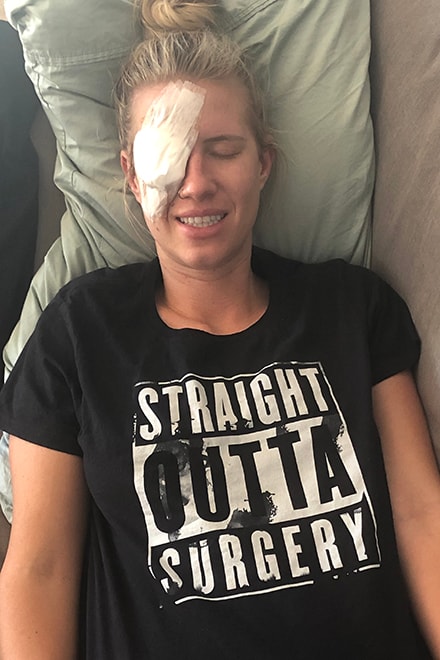
AAV: The eye came out the day after you hit your one-year sobriety anniversary. Did that timing make things harder?
Shelby: It could have. I think something like this can knock even a strong person back into old habits. But I’d spent those 10 months building a real foundation — a program, a community, people I actually trusted. When the injury and eye loss happened, that same group showed up for me every single day. I don’t think I’d have gotten through it without that already in place.
AAV: Did you go through a grieving process about losing your eye?
Shelby: I did, and it wasn’t quick or tidy. I’d just turned my whole life around for the better, and there was a real, “why is this happening to me?” stretch in there, and some anger, too. I felt broken, alone and was searching for a way forward. I think everyone hits a moment of feeling like a victim in it. The goal is not staying there. It took time to look in the mirror and actually accept this as my life now.
Finding herself again
AAV: You’ve said losing the eye wasn’t the hardest identity moment. It was getting your first prosthetic eye. Why?
Shelby: My first one was natural-looking, made to match my other eye. I figured it would feel like relief and getting back to normal. Instead, I left that appointment and cried in the car. It didn’t sit right. It would rotate out of place if I rubbed my eye, and the symmetry was just slightly off in a way only I could see. I actually gave up on it for a while and wore a clear conformer (a plastic curved shell that maintains the eye socket’s shape, protects tissue, allows the eyelid to blink normally and supports drainage) and an eye patch instead. It took a new ocularist (a specialist who makes prosthetic eyes), and a lot of patience before I found something that finally felt like me.
AAV: Now you often wear what you call your decorative “fun eyes.” What changed?
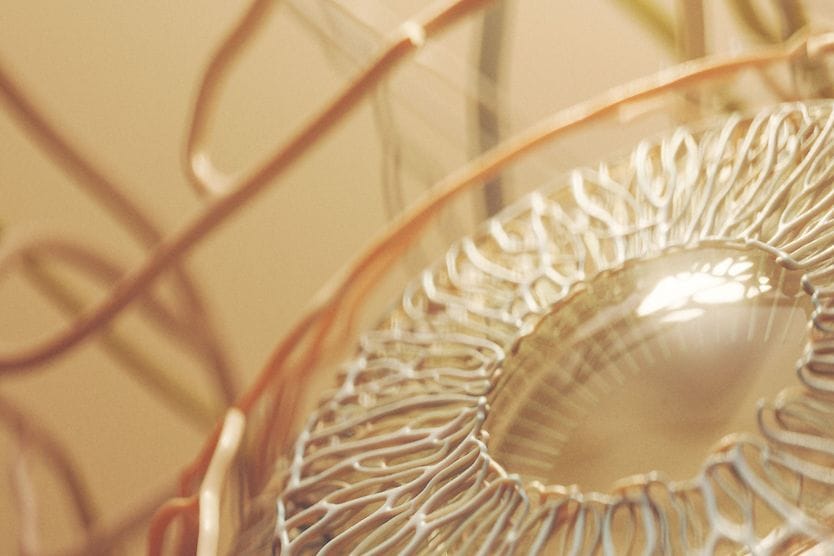
Shelby: Once I found a prosthetic that actually fit, I didn’t want to hide behind something trying to pass as perfectly real anymore. My ocularist, a friend from our Eyehesive community, paints prosthetics in cool, different designs. I’ve got close to a dozen fun eyes now. My favorite is inspired by kintsugi, the Japanese art of repairing broken pottery with gold, that represents healing, resilience and the beauty of imperfection. The idea is that something broken becomes more valuable once it’s put back together. That’s exactly how it feels when I wear it. I also have one with a fake diamond in the iris that sparkles, a purple marbleized eye that glows in the dark, and one with an apple painted as the iris representing “the apple of my eye.”
Building a one-eyed community with Eyehesive
AAV: When did you decide to pursue growing something positive out of your eye-loss journey, beyond your own healing?
Shelby: It was gradual. Those first two months, I could barely stay awake more than a couple of hours at a stretch. Lying there, I kept thinking: this is so hard. I can’t imagine doing it without support, so what about the people doing it completely alone? A friend told me early on, “something good is going to come from this,” and honestly, at the time, it annoyed me. But it stuck. I started asking myself who I wanted to be on the other side of it.
AAV: What was missing when you went looking for that kind of support yourself?
Shelby: I found some genuinely inspiring content creators living full lives with one eye and that helped. But there wasn’t a real community space — nowhere to actually connect with someone else going through it. So that August, I started what became Eyehesive with a personal blog. I told my own story, then started sharing other people’s after posting a call-out. They came pouring in and we’ve published more than 100 since.
AAV: How did that grow into the one-eye conferences and retreats you run today as part of Eyehesive?
Shelby: People started asking for more, and honestly, I wanted more too. We launched the One Eye Connect online virtual global conference first. We still run it every year. A day of speakers and breakout rooms where people get to share experiences and get to know each other. Then this past February (2026), we ran our first in-person retreat in Tulum, Mexico. Ten people came. We did yoga and meditation together every morning on the beach, then spent the afternoons on excursions and experiences. We went to the Mayan ruins and the cenotes (natural sinkholes formed when limestone bedrock collapses, exposing underground water), did a sweat lodge, and ate every meal together. The next one is already filling up for March 2027.
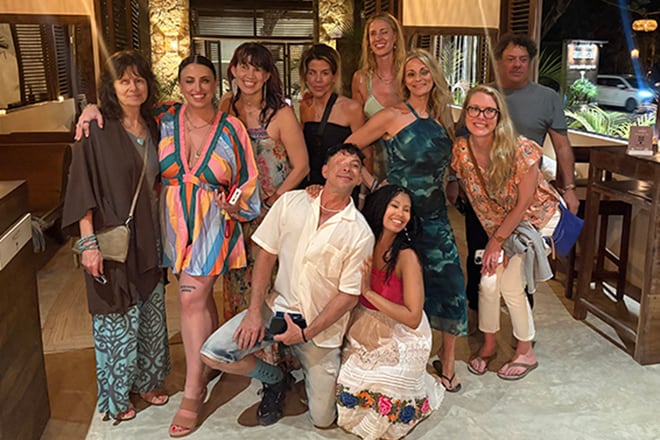
AAV: Share with us what it’s like inside the one-eyed community.
Shelby: Everyone’s story is completely different: different ages, backgrounds and causes of losing an eye. I’ve met people who’ve lost an eye to cancer or to an eye disease, or a facial deformity, head injury or accident. And there’s still this instant bond. People tell me constantly, “I didn’t know I needed this.” We received responses from retreat attendees, from “I finally shed some tears I needed to … and did it in a bikini” to “I’m a different person after just five days.” You don’t realize how much you’ve normalized doing it alone until you meet someone who just gets it.
Her eye-patch experience, and what’s next
AAV: Tell us about your eye patches. What was missing from patches already out there?
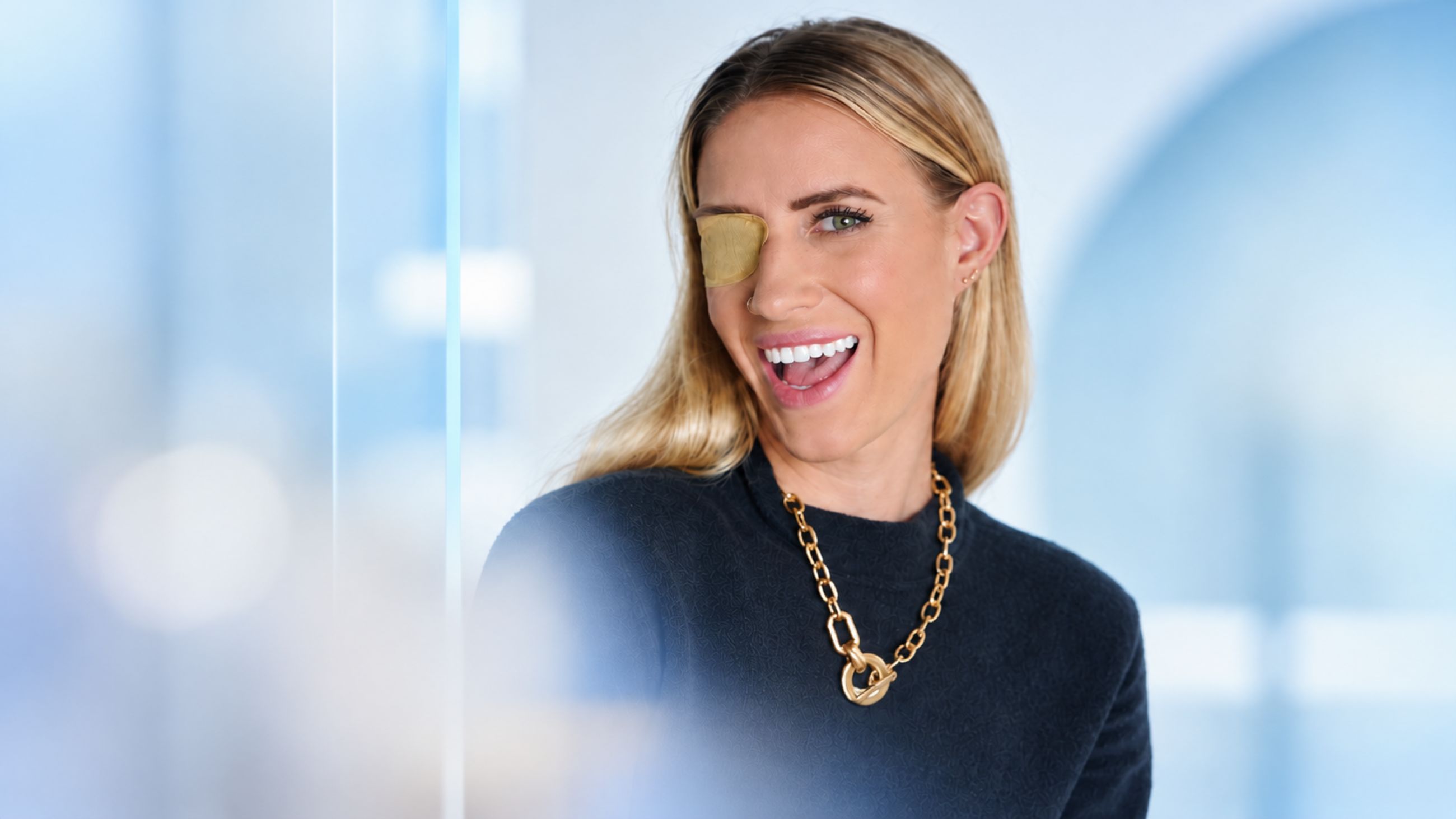
Shelby: Everything on the market five years ago was either a bulky pirate patch that covered half your eyebrow with a band around your head and messed up your hair, or for kids covered in unicorns and rainbows. I couldn’t find a sleek, adult, adhesive patch — something you could wear into work meetings. So I designed an adhesive one that sits under the eyebrow instead of over it, and doesn’t take over your face. It took four years from start to finish and launched in June 2025.
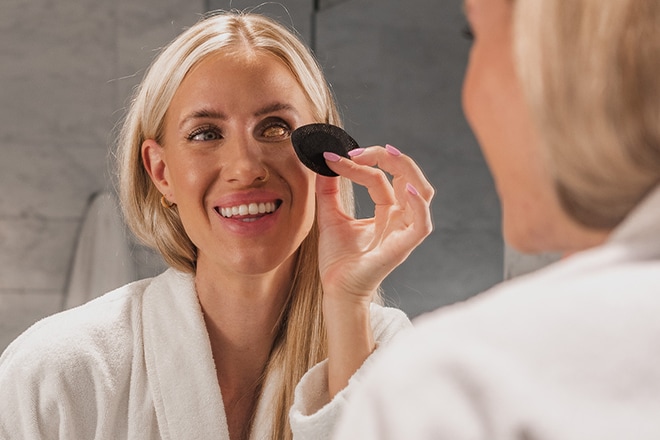
AAV: Where are you and Eyehesive headed next?
Shelby: I want to go deeper, not wider, with fewer focused events that mean something. We’re adding new colors to the patch line and a holiday collection. And I’m launching an eye-health supplement. Because the message I keep coming back to is bigger than one eye. It’s about protecting your vision, both the literal kind and the one you have for your own life.
AAV: You’re very honest and open, and clearly have tenacity using your injury to pivot your life to purposefully helping others. What would you tell someone who just lost an eye?
Shelby: Rest. Really rest, longer than you think you need to. And ask for help. Let people help you. We’re all so used to being independent that we don’t want to slow down or let anyone in. But you’ll be so grateful on the other side that you gave yourself that time.
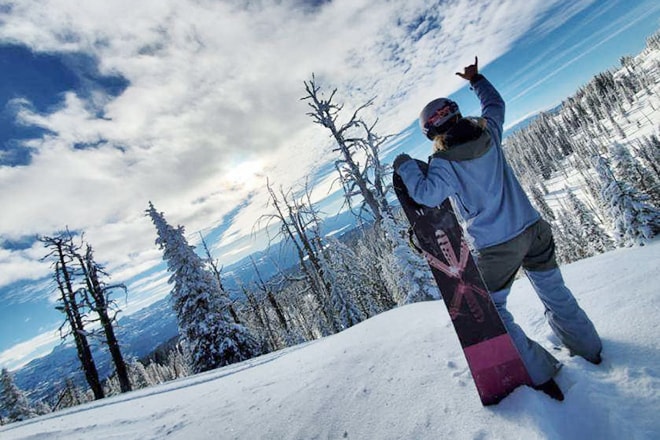
AAV: You were a yoga instructor, a snowboarder and very active before your injury, and returned to the slopes the following year. What was that like for you?
Shelby: I went with my friends to Big Bear, the nearest ski resort to San Diego, as a kind of celebration. We went in spring so we could have enjoyable, sunny, bluebird days snowboarding and just made a point that there was no pressure. If I did one run and was done, that would be okay. It took me a minute to get used to my blind spot, but honestly it was mostly a mental thing and getting past the fear that you don’t want to fall and have a wreck. But I got back in the groove quickly and snowboarded all day. No traversing though!
AAV: Thank you for sharing your vision journey with us, Shelby. Stay safe on the mountain.