Quick guide to cataract surgery recovery


Understanding cataract surgery recovery
Cataract surgery recovery is an important aspect of the cataract treatment process. While this surgery is one of the safest and most commonly performed procedures in the world, following the proper steps during recovery can help ensure a successful outcome for your vision.
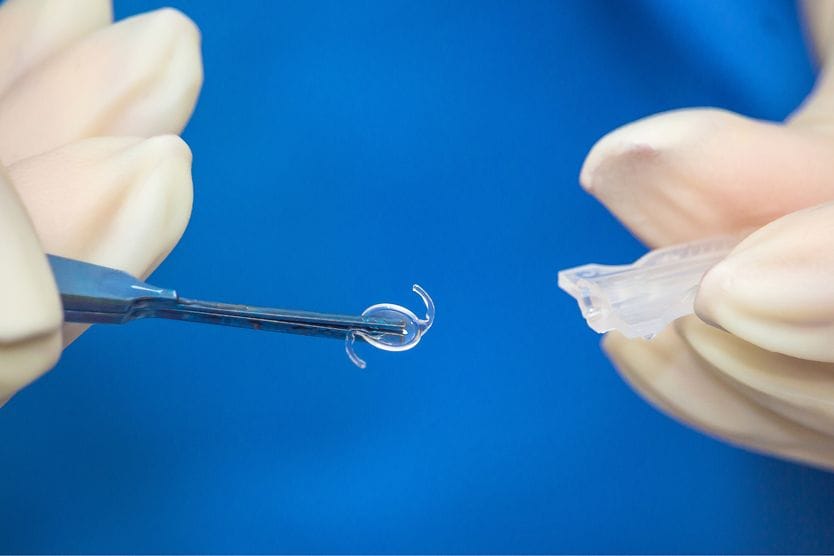
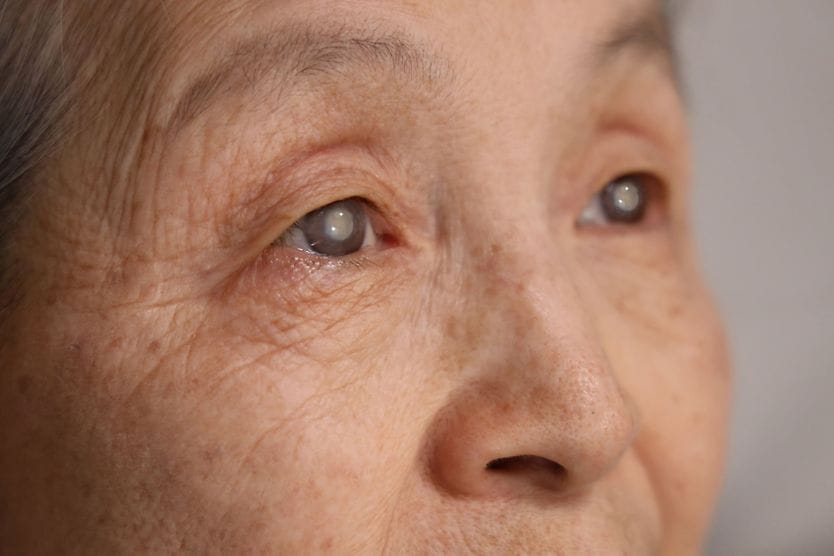
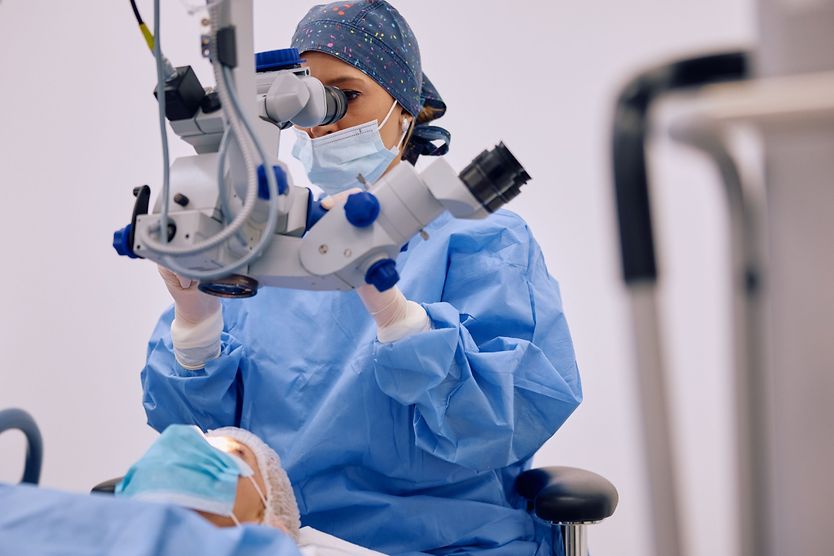
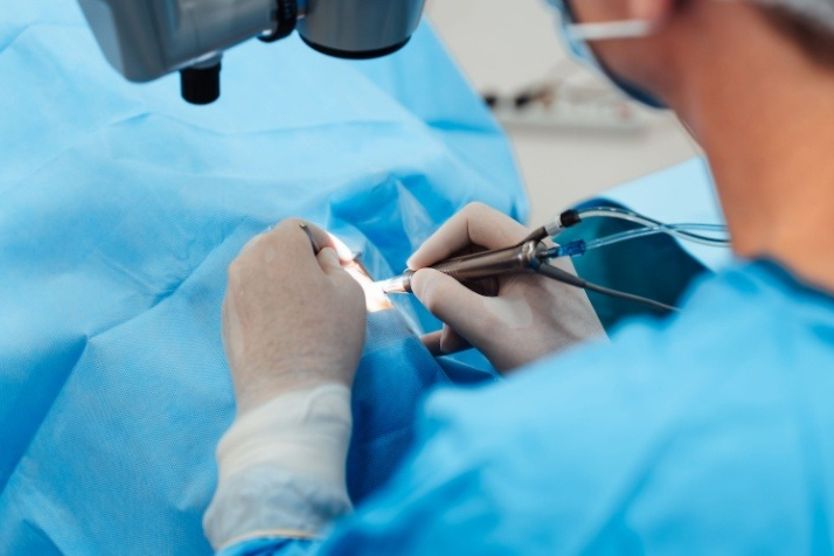
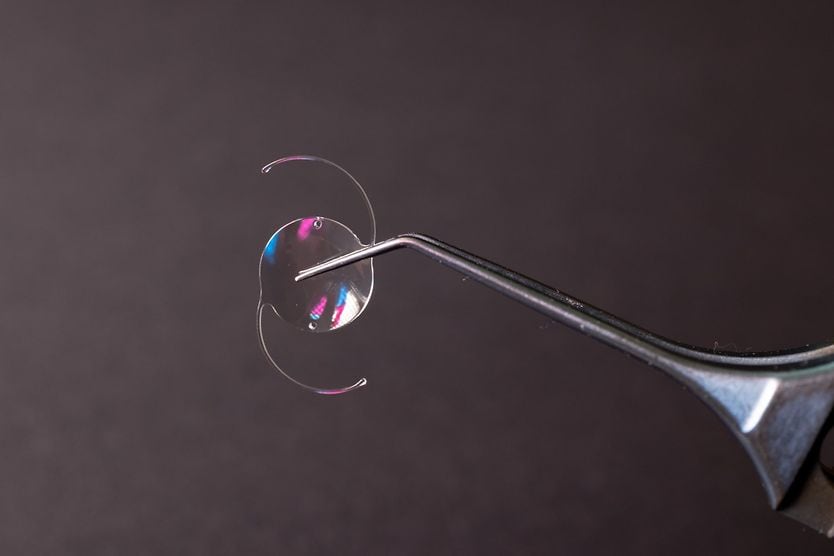
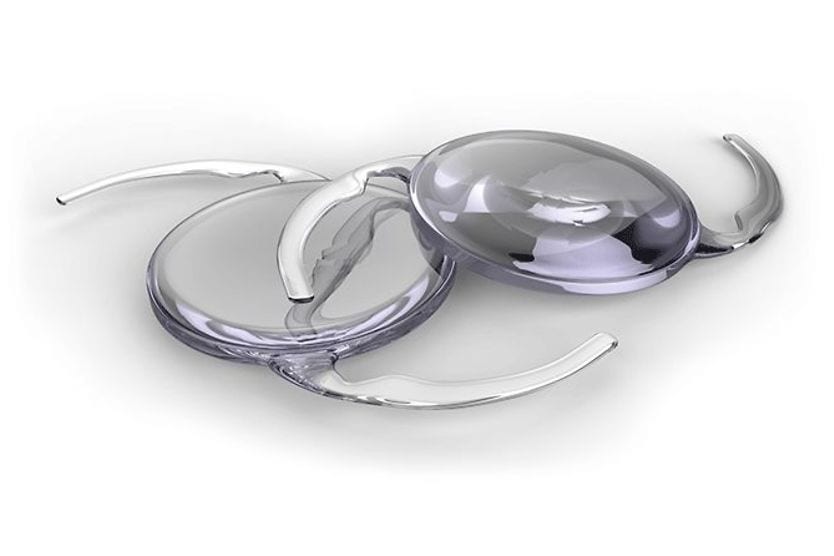
Cataract surgery is performed when your eye’s natural crystalline lens becomes clouded and impairs your vision. During the procedure, an ophthalmologist removes the clouded lens and replaces it with a clear, artificial intraocular lens (IOL).
Most people experience vision improvements in the days and weeks following cataract surgery with few or no post-operative complications. It’s essential to follow your eye surgeon’s recommendations to reduce the risk of complications and support proper healing.
When both eyes need cataract surgery, it’s typically performed on one eye at a time with the second surgery usually scheduled one to four weeks later. The exact timing may vary based on your individual needs and recovery. In many cases, only one eye requires surgery, and the other eye may not be ready until years later.
Follow-up visits after cataract surgery
Your ophthalmologist may schedule several follow-up visits after your surgery to monitor your healing, eye health and vision. These appointments usually occur:
- The day after surgery
- One week later
- One month later
- Two months later
- Six months later
Most surgeons don’t require a two- or six-month post-op visit, so these appointments may be needed under certain circumstances only.
Timeline for recovery
While cataract surgery recovery may differ slightly for each person, there are a few general things to expect in the days, weeks and months following the procedure.
Immediate post-surgery care
Cataract surgery is performed on an outpatient basis, meaning you can go home the same day. However, you’ll need to have a friend or relative drive you home since your vision will be blurry and you may feel groggy if you received sedation for the procedure.
Before you leave the surgery center, you may be given instructions for using prescription eye drops. This usually includes an antibiotic drop to reduce the risk of infection and an anti-inflammatory drop to help minimize swelling. Some cataract surgeons use a “dropless” cataract surgery approach, in which these medications are placed inside the eye during the procedure. In these cases, post-surgery eye drops may not be needed.
Be sure to use any medications exactly as prescribed and follow all of your eye surgeon’s recommendations.
First 24 to 72 hours: What to expect
Within the first 24 hours after cataract surgery, the initial incisions made in the eye’s surface begin to heal. But it may take the deeper tissue layers within the eye a few weeks to heal completely. Your vision may be blurry or foggy during this time due to post-surgical swelling. However, your vision should gradually improve over the coming days and weeks.
You may also notice other signs and symptoms, such as:
- Eye redness
- A gritty or scratchy sensation
- Watery eyes
- Eye dryness
- Light sensitivity
- Nausea (if intravenous sedation was used)
These signs and symptoms should decrease as your eye begins to heal.
Caring for your eye during recovery
During the first few days after your procedure, you’ll need to rest and take it easy. While you can generally watch TV, use digital devices or read, you should avoid exercising and other strenuous physical activities until cleared by your doctor.
You’ll likely be sent home with a protective shield taped over your eye. Generally, this should be worn for a week at night while you sleep or per your doctor’s instructions. Wearing the shield while sleeping helps prevent you from accidentally rubbing or bumping your eye.
You should also wear the eye shield or a pair of wraparound sunglasses when outdoors to prevent dust, dirt, pollen and other debris from getting into your eye.
Resuming normal activities
Your doctor will let you know when it’s safe to resume normal activities, including returning to work. For many people, this is around three days following the procedure. However, the exact timing will depend on factors like the type of work you do and how well you’re recovering. It may also be impacted by whether or not you’ll need new glasses after cataract removal.
You should also wait until the day after your cataract surgery to take a shower. However, it’s important to prevent the water from hitting your eye. When showering, don’t let water, soap or shampoo run into your eyes. Follow your doctor’s instructions on how to wash your eyelids, eyelashes and the skin around your eyes during cataract surgery recovery.
Long-term recovery expectations
The goal of cataract surgery is to replace a clouded lens with a clear, artificial IOL to improve your eyesight. While it’s possible to notice some vision improvements shortly after surgery, it can take several days, weeks or months to reach your sharpest vision.
The speed of your recovery depends on factors like the severity of the cataract and the complexity of its removal. Many people notice gradual improvements in their vision as their eye heals and adjusts to the new IOL, which can take about four to six weeks.
If you wear prescription lenses, you may need new glasses or contacts once your eye is healed and your vision is stabilized. Ask your eye doctor for tips on how to manage your vision needs in the meantime.
Attending follow-up visits is essential to monitor your recovery long-term and ensure the best possible outcome for your vision. Regular eye exams and ongoing care, as recommended by your eye doctor, can help maintain your eye health and vision over time.
Tips for a smooth recovery
Following your eye surgeon’s instructions is key to experiencing successful cataract surgery recovery. Incorporating a few lifestyle adjustments and care routines can also help ensure the healing process is as smooth and quick as possible.
Managing pain and discomfort
It’s normal for your eye to feel sore or uncomfortable the first few days following cataract surgery. Your eye doctor may recommend over-the-counter pain relievers to manage this discomfort.
If your eyes feel dry, ask your doctor about using preservative-free artificial tears. They can also advise you on the proper timing of these drops when using them alongside other eye medications you’ve been prescribed.
Dry eyes may also increase the risk of light sensitivity. Wearing sunglasses with 100% ultraviolet (UV) protection when outdoors can help manage this symptom.
Activities to avoid
Your doctor will let you know when you can resume normal, everyday tasks. To help prevent complications or eye injury, it’s best to avoid the following activities during cataract surgery recovery:
- Avoid touching or rubbing your eyes until your eye is healed. However, if you need to touch your eyelashes or the skin around your eyes, be sure to wash your hands thoroughly with soap and water first.
- Do not drive after cataract surgery until your eye doctor tells you it’s safe to do so. It may take some time for your vision to become stabilized enough for you to see clearly.
- Avoid bending over, and do not lower your head below your waist. This may increase your eye pressure, which could affect the healing process.
- As much as possible, try to avoid forceful coughing or sneezing. This may also increase pressure within your eye or reopen the incision.
- Avoid strenuous activities, such as heavy lifting, exercising and housework. This is typically recommended for at least two weeks.
- Avoid swimming, and do not use hot tubs and saunas. This is generally advised for four to six weeks to reduce the risk of bacterial infection.
- Do not wear a contact lens in the treated eye until your eye has healed. Your vision will usually need time to stabilize, which can take two to three weeks.
- Avoid wearing makeup around your eyes. Since these products can cause irritation and infection if they get into your eye, it’s best to wait about four weeks before using them.
Consult your eye surgeon before resuming any of these activities.
Recognizing complications
Complications following cataract surgery can happen from time to time. Knowing what to look for can help ensure you get prompt care when you need it. Contact your eye surgeon immediately if you experience any signs or symptoms of the following complications.
Common complications
Eye-related problems that occur more frequently after cataract surgery include:
Posterior capsular opacity (PCO)
The most common complication associated with cataract surgery is posterior capsular opacification, also referred to as a secondary cataract. PCO develops when the lens capsule — a bag-like structure that holds the IOL in place — becomes clouded, which can affect your vision. This can occur weeks, months or years following cataract removal and may cause symptoms, such as:
- Blurry or decreased vision
- Glare or halos around lights
- Sensitivity to light
- Difficulty seeing text when reading
PCO is typically treated with a procedure called a YAG laser capsulotomy.
Eyelid ptosis (droopy eyelid)
Drooping of the eyelid following cataract surgery is also relatively common. It may result from swelling and inflammation following surgery or when your eyelids are stretched from the device used to hold them open during the procedure. Most cases do not require treatment, and the eyelid often returns to normal within about six months.
Bleeding
A small amount of bleeding is common after cataract surgery. But if it doesn’t stop or is severe, let your eye surgeon know right away.
Visual disturbances
Glare, halos, arcs of light or other visual disturbances (referred to as “dyphotopsia”) may occur, especially in low-light conditions. These usually take a few months to resolve but typically go away on their own.
When to contact your doctor
Even if a potential complication occurs after cataract surgery, it can often be treated effectively. Be sure to let your doctor know if your symptoms don’t improve or if you develop new symptoms during the recovery period.
Certain signs or symptoms can indicate a more serious complication that may require prompt care. Contact your eye surgeon or seek medical attention immediately if you experience:
- Eye pain
- A sudden increase in floaters or flashes of light
- A dark curtain or shadow in your field of view
- Nausea
- Vomiting
- Persistent coughing
- Eye redness along with eye pain, light sensitivity or vision changes
- Vision loss
Ensuring a successful recovery
Cataract surgery is a safe, highly effective eye surgery that has improved vision for millions of people with cataract-related visual impairment. While you may experience signs and symptoms, like blurry vision, eye redness and dry eyes, they usually resolve as your eye begins to heal. Notify your ophthalmologist promptly if your symptoms worsen, persist or if new symptoms appear.
To help facilitate a successful cataract surgery recovery, follow all of your eye doctor’s instructions carefully. This includes attending follow-up visits, using your prescription eye medications and taking it easy until cleared to resume your normal activities.