YAG laser capsulotomy: Procedure, cost and risks


What is YAG laser capsulotomy?
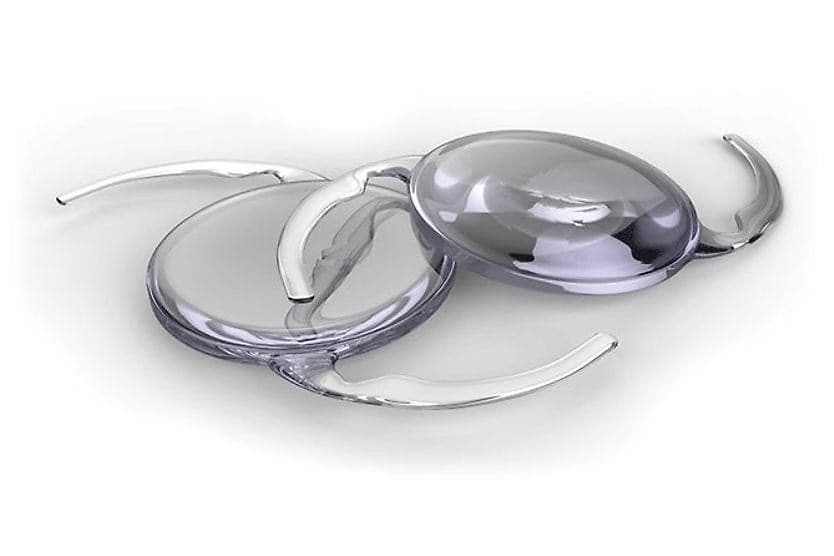
Posterior capsulotomy — often called YAG capsulotomy due to the type of laser used — is a procedure done to treat complications that may occur after cataract surgery. During a posterior capsulotomy, a laser is used to create an opening in the thin membrane called the posterior capsule behind the intraocular lens (IOL) implant. This membrane, which is part of the original lens capsule left in place during cataract surgery, can become cloudy over time — a common condition sometimes called a "secondary cataract." The procedure allows light to once again pass clearly through to the retina, restoring the vision improvement gained from cataract surgery.
What is posterior capsular opacification?
To get a better grasp on the benefits of a YAG laser capsulotomy, it’s important to learn about the issue it’s aimed to correct.
When cataract surgery is performed, your eye’s natural lens, which has become clouded, is replaced with an artificial intraocular lens (IOL). The IOL is securely placed in what’s known as the posterior capsule.
While there are usually no problems with IOLs once they’re implanted, approximately 20% of people who’ve had cataract surgery experience posterior capsular opacification (also called PCO) within three years.
Scar tissue may start developing as soon as a few weeks after cataract surgery, or it may take many years to form. This might cause hazy or blurry vision, as well as glare or halos around lights.
YAG capsulotomy for posterior capsular opacification
YAG capsulotomy is a common laser surgery that treats the effects of PCO. The term YAG — which stands for yttrium, aluminum and garnet — describes the laser used during the procedure and the crystals used to generate it.
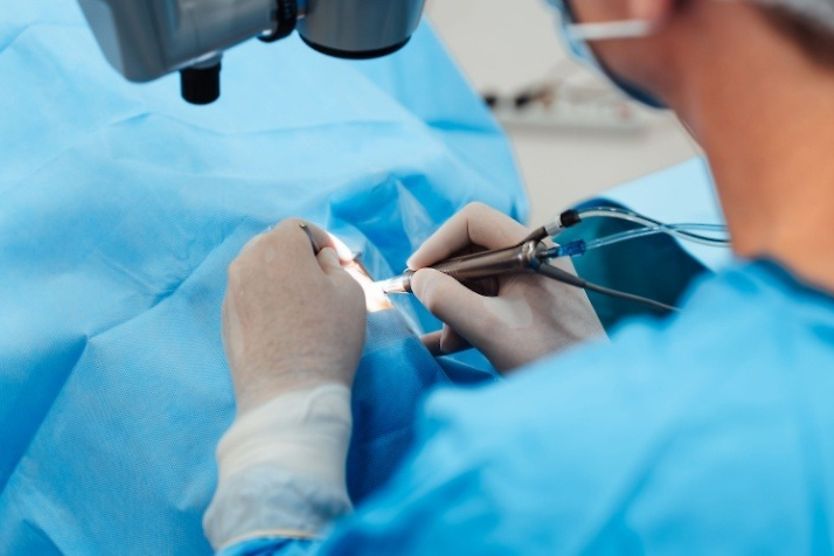
A posterior capsulotomy is a quick and safe surgery that can be performed as an outpatient procedure in a few simple steps:
- To begin, an ophthalmologist will put anesthetic (numbing) eye drops in the eye being operated on.
- The surgeon will then use the YAG laser to create an opening in the lens capsule lining. This will make it possible for light rays to clearly focus toward the back of the eye, where the retina is located.
- The YAG capsulotomy usually only takes a few minutes to perform, though you may have to spend an hour or two in the surgical center afterward to have your intraocular pressure (the pressure within the eye) monitored.
In most cases, you should be able to go on with your day as normal following a posterior capsulotomy. In fact, many patients are able to drive themselves home after the procedure. However, your eye doctor will advise you of any activities that should be avoided.
Antibiotic eye drops are typically prescribed for a week following the surgery, depending on your condition.
As long as no complications arise, you should notice an improvement in your vision within 24 hours post-op.
YAG laser capsulotomy cost
The cost of a posterior capsulotomy can vary greatly depending on several factors, including where the procedure is done and what health insurance you have. Luckily, YAG laser surgery is typically deemed medically necessary and therefore is covered under insurance.
For people who have Medicare, the out-of-pocket cost ranges from approximately $115 to $167 after the deductible is met. It’s recommended that you discuss cost with your preferred eye doctor during your consultation.
YAG laser capsulotomy side effects
While a posterior capsulotomy is a safe procedure with a success rate of over 95%, there is a small risk of developing side effects following surgery. Potential risks could include:
- Increased pressure within the eye (ocular hypertension)
- Retinal detachment
- Macular edema (swelling of the macula, the center portion of the retina)
- Bleeding in the front of the eye (subconjunctival hemorrhage)
- Corneal edema (swelling of the cornea, the clear film that covers the eye)
- Displacement of the IOL, which may result in the IOL slipping through the lens capsule opening
Is YAG surgery right for you?
If you believe you’ve developed posterior capsular opacification following cataract surgery and may be in need of a YAG laser capsulotomy, schedule an appointment with an eye doctor to get a proper assessment and determine an appropriate treatment plan.
It’s wise to educate yourself about any medical procedure you plan to have, regardless of how invasive it is. Ask your eye doctor for details about the procedure, along with its cost, benefits and risks, so you can make a well-informed decision about your health.
READ MORE: Retinal detachment surgery