Is marijuana helpful when used for cataracts? What about CBD?

Understanding marijuana’s effect on cataracts
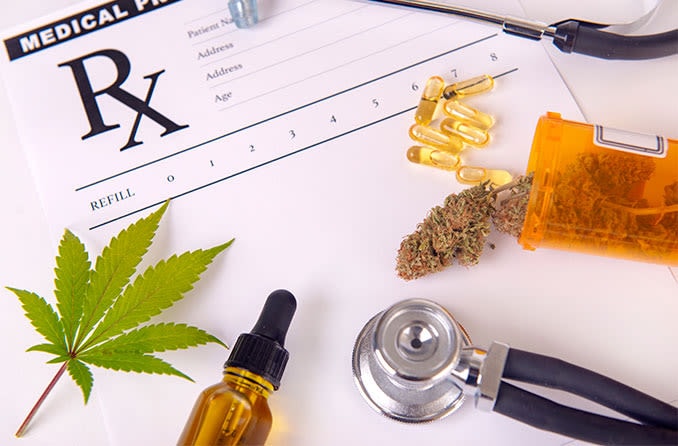
If you have been diagnosed with cataracts, you may have come across claims that marijuana or CBD could help. It is important to separate those claims from what current research actually shows.
Your last visit to the eye doctor found the culprit for your foggy vision — cataracts. Your doctor said cataract surgery is the only appropriate treatment option, but you’d like to know your choices before undergoing the procedure.
Some people associate marijuana with eye conditions. This is because it has been shown to temporarily lower eye pressure in glaucoma. But it is not a recommended treatment for this condition. Additionally, that effect does not apply to cataracts.
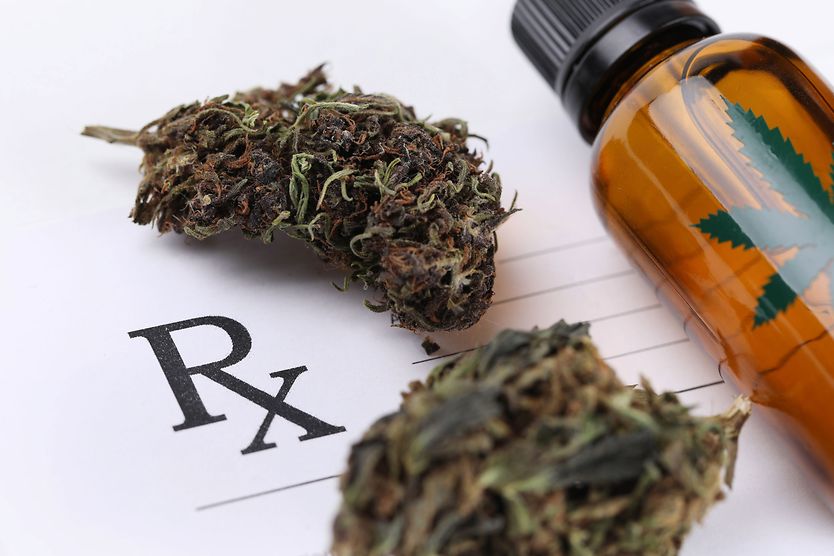
There is no credible evidence that marijuana use is beneficial for the short- or long-term treatment of cataracts. In fact, cannabis smoke contains numerous toxic and cancer-causing compounds, much like cigarette smoke. Smoking is a well-known risk factor for cataracts.
Currently, surgery is the only effective treatment for removing cataracts.
SEE RELATED: Vaping, like smoking, may harm your eyes
Cataracts vs. glaucoma: How they’re different
Cataracts form in the eye’s lens, a transparent structure in the eye that works much like a camera lens.
In the majority of cases, age-related lens changes often begin in midlife. They can be seen by eye doctors during a comprehensive eye examination. However, noticeable vision symptoms typically develop after age 60.
A cataract occurs as crystalline proteins in the lens start to break down. The proteins form tiny clumps, which cloud the lens and affect its clarity. This cloudiness produces foggy vision that gets worse over time, especially after age 60 or older. Cataract surgery removes the natural lens and inserts an intraocular lens (IOL) in its place. While most cataracts are age-related, they can also be present at birth (congenital) or develop after eye injury or long-term steroid use — and these types are likewise treated surgically, not with supplements.
Glaucoma, by contrast, damages the optic nerve. While glaucoma can exist without high intraocular pressure (IOP), glaucoma often happens when the IOP is higher than what the optic nerve can tolerate. This can cause long-term damage and lead to visual impairment, such as blind spots.
In the 1970s, researchers discovered that smoking marijuana could lower eye pressure, which sparked interest in it as a glaucoma treatment. However, those effects are short-lived. THC, the main active ingredient in marijuana, could temporarily reduce intraocular pressure. This can help ease glaucoma symptoms but only for a few hours. Modern glaucoma medications, when taken as directed, can help control intraocular pressure around the clock.
LEARN MORE: Understanding glaucoma: A guide to protecting your eyesight
What about CBD as a home remedy for cataracts?
Marijuana and THC have no proven impact on cataracts. Is the same true for CBD?
Pretty much. CBD stands for cannabidiol. It’s a compound from the hemp plant. Recently, it has gained popularity since it doesn’t cause intoxication.
Cannabidiol marketers claim it can reduce anxiety, pain and inflammation. These claims have not been verified by the U.S. Food and Drug Administration (FDA). Only one CBD-based medication has FDA approval for seizures associated with two rare forms of childhood epilepsy and tuberous sclerosis complex.
But what about cataracts?
Researchers found cannabinoid receptors in the eye. These are part of the endocannabinoid system, which helps support normal vision. Because CBD can interact with these receptors, scientists have studied whether it could help treat certain eye conditions. Some studies say that CBD may reduce inflammation and provide antioxidants. However, research results are mixed and uncertain. There is no clinical evidence to support CBD for cataracts.
Note: Some research suggests CBD may raise eye pressure. For people who have glaucoma or are at risk for developing the disease, it is recommended to talk with your eye doctor before using CBD products.
Is there any link between CBD and common cataract risk factors?
To answer that question, let’s consider the most common risk factors that contribute to cataracts:
- Aging
- Smoking
- Diabetes
- Long-term use of corticosteroid medications
- Ultraviolet light exposure
- Dietary deficiencies
- Obesity
- High blood pressure
- Excessive alcohol drinking
None of these factors align particularly well with CBD’s suggested benefits. But what if we go to the root cause of cataracts? A possible cause of age-related cataracts is oxidation. This process releases free radicals that harm the eye’s lens. Antioxidants are compounds that fight free radicals. They help lessen oxidation’s effects in the body.
CBD is said to have antioxidant properties. Though not well studied, in principle, that could be helpful with cataracts. In reality, research finds that a healthy diet rich in fruits, berries, vegetables and seafood is the best source of antioxidants for fighting cataracts. CBD is an over-the-counter supplement that is mostly unregulated, so it’s difficult to be sure of a consistent dosage.
It’s also been suggested that CBD might help with anxiety, inflammation or pain after cataract surgery. Research on these uses is still limited and inconclusive. Of course, you would have to talk that over with your surgeon, who would most likely prescribe FDA-approved medications for postoperative symptoms.
Get professional advice on marijuana, CBD and cataracts
A big industry has grown around CBD and legal marijuana. However, many products are sold with weak medical proof for their eye health claims.
If you use marijuana or CBD, talk openly with your eye doctor and your primary care physician. They can help you understand possible side effects, such as dry or bloodshot eyes, impaired driving ability and other systemic risks. CBD can also change how your body processes certain prescription medications, including blood thinners and seizure medicines. This is especially important to discuss before any surgery, including cataract surgery. It is also wise to check the laws and restrictions on marijuana and CBD use in your state.
At this time, there are no FDA-approved marijuana or CBD treatments for cataracts. Researchers continue to study whether eye drops could one day slow or reverse lens clouding, but none has been proven effective or approved. No drop, cannabis-derived or otherwise, can currently treat cataracts.
Cataract surgery is the only way to remove cataracts. Untreated cataracts can make night driving and reading increasingly difficult. Cataract surgery typically restores these functions and is one of the most commonly performed and successful procedures in medicine. While surgery is a personal decision that depends on your symptoms, overall health and access to care, it is widely used and often improves vision for people with cataracts.
Cataracts need not fog up your view of the world — as long as you’re clear on the best strategies for treating them. Until more reliable research emerges, don’t expect marijuana or CBD to be among those strategies.