What are some common natural remedies for glaucoma?


Glaucoma is a serious eye disease that can cause permanent vision loss. The disease often has no warning signs, and if left undetected and untreated, it can lead to blindness.
In most cases, glaucoma is caused by too much pressure inside the eye (intraocular pressure, or IOP), which damages the optic nerve and causes vision loss.
As soon as glaucoma is found, patients should follow their eye doctor’s glaucoma treatment recommendations to slow or prevent vision loss.
Natural remedies for glaucoma
Although there is currently no known cure for glaucoma, some people choose to adopt natural health and wellness habits alongside their prescribed treatment. These approaches have not been clinically proven to treat or cure glaucoma and should not replace your eye doctor's recommended care.
Be aware of “fast fixes” and so-called miracle remedies for glaucoma you may find online. Speak to your eye care specialist before beginning a new regimen that could affect your condition or your health, or interact with your current treatment.
From incorporating certain foods and nutrients into your diet to ending unhealthy habits, there are several ways to implement drug-free, natural “remedies” to complement your glaucoma treatment.
How a healthy diet impacts glaucoma risk
Good nutrition has been shown to play a role in eye health and some studies show that a healthy diet could help reduce the risk of glaucoma.
Recent studies suggest that certain vitamins and nutrients may have an impact on IOP and the incidence and progression of glaucoma. In particular, fruits and vegetables that are higher in vitamins A and C, as well as carotenoids, appear to be helpful.
For this reason, some beneficial vegetables to incorporate into your diet include leafy greens like spinach, collard greens, kale and Brussels sprouts.
Antioxidants also may help prevent further damage to the optic nerve. You can find antioxidants in foods like cranberries, black and green teas, flax seeds, pomegranates, and acai berries.
Other foods like peaches, carrots, beets, green beans, and radishes are also worth adding to your fruit and vegetable intake. For people who may be genetically prone to higher eye pressure, regularly consuming large amounts of caffeine may be associated with a higher risk of glaucoma, according to one international study
SEE RELATED: Boost your diet to protect aging eyes
How regular exercise may support healthy eye pressure
Moderate exercise can help you maintain healthy IOP levels. This is because exercise improves blood flow to your eyes and throughout the rest of your body. Certain high-intensity activities, particularly those that involve straining or bearing down, may temporarily increase eye pressure, so it is a good idea to talk with your eye doctor about which types of exercise are appropriate for you.
Some yoga positions can also contribute to a higher IOP, which is not good for glaucoma patients. If you have glaucoma and practice yoga, be sure to avoid poses such as headstands and prolonged downward-facing dog, legs up the wall, plow and standing forward bends.
Natural supplements that may help support eye health
If you have a vitamin or mineral deficiency, natural and over-the-counter supplements can be taken to restore it, including:
- Zinc
- Calcium
- Magnesium
- Vitamins A, B-complex, C and E
All are particularly important for those with glaucoma. If you feel that your nutrition intake is inadequate, taking a daily multivitamin can help.
However, it’s important to remember that vitamin supplements are not clinically proven to prevent or cure glaucoma. Check with your doctor before taking any kind of medication or supplements to treat your glaucoma, even if you are considering natural products.
Herbs that have been researched for eye health
Certain herbs have been investigated for potential eye health benefits, including glaucoma.
Herbal remedies that have been studied such as:
- Ginkgo (ginkgo biloba): In some scientific models, this herb has shown an increase in ocular blood flow.
- Bilberry (vaccinium myrtillus): Bilberry is popular thanks to its strong antioxidant nature. One study showed that bilberry decreased retinal ganglion cell damage in mice, but there have been no studies showing such an effect in humans.
- Forskolin (coleus forskohlii): Researchers have investigated whether this herb may lower IOP when applied topically by reducing the rate of aqueous fluid within the eye.
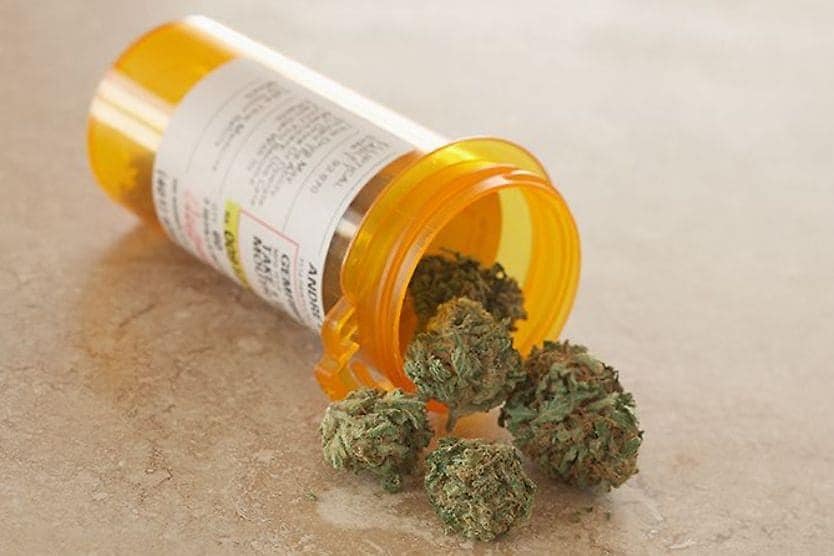
- Medical marijuana (cannabis): A limited number of studies have explored whether marijuana may temporarily lower IOP in some people. However, any potential effect appears to be short-lived, and some research suggests that maintaining this effect may require frequent use, which can lead to potentially dangerous side effects.
Herbal supplements carry a higher risk of serious side effects than vitamins or minerals, including potential effects on the liver and kidneys, as well as interactions with prescription medications. It is recommended to let your eye doctor and primary care doctor know about any herbal supplements you are taking or considering in order to manage glaucoma. And remember, do not replace doctor-prescribed treatments with herbal remedies.
SEE RELATED: Glaucoma and marijuana: Treatment risks and benefits
Lifestyle habits that may help reduce your risk of glaucoma
If you are at risk for glaucoma, there may be certain everyday habits that you can start or stop to lower your risk of a diagnosis. In addition to maintaining a healthy diet and exercising moderately, consider incorporating the following into your lifestyle:
- Maintain a healthy weight. Both high and low body mass indexes (BMIs) can increase the risk of glaucoma.
- Avoid smoking.
- Consider meditation. Stress appears to increase a person's risk of high IOP. Some research has shown meditation can help reduce eye pressure if practiced regularly.
- Practice good dental hygiene and see a dentist on a regular basis. Some research has shown that periodontal (gum) disease is associated with an increased risk of primary open-angle glaucoma (POAG).
- Get screened for glaucoma. This is especially important if you have a family history of the disease.
SEE RELATED: Glaucoma FAQ
Consult your eye doctor
Vision loss from glaucoma cannot be reversed, so it’s critical that the disease is detected early and managed properly. Dietary supplements and healthy lifestyle changes may be useful to complement conventional glaucoma treatments — but natural glaucoma “remedies” should not be used as an alternative to glaucoma treatment prescribed by your eye doctor.
Be sure to discuss any natural remedies for glaucoma with your eye doctor before you consider taking them. Some might actually interact with your medications, which could be harmful.
REGULAR EYE EXAMS ARE VITAL FOR EVERYONE, particularly for those who have been diagnosed with or are at higher risk of getting glaucoma, so don’t wait to schedule routine exams with an eye doctor near you.