Glaucoma and marijuana: Treatment risks and benefits
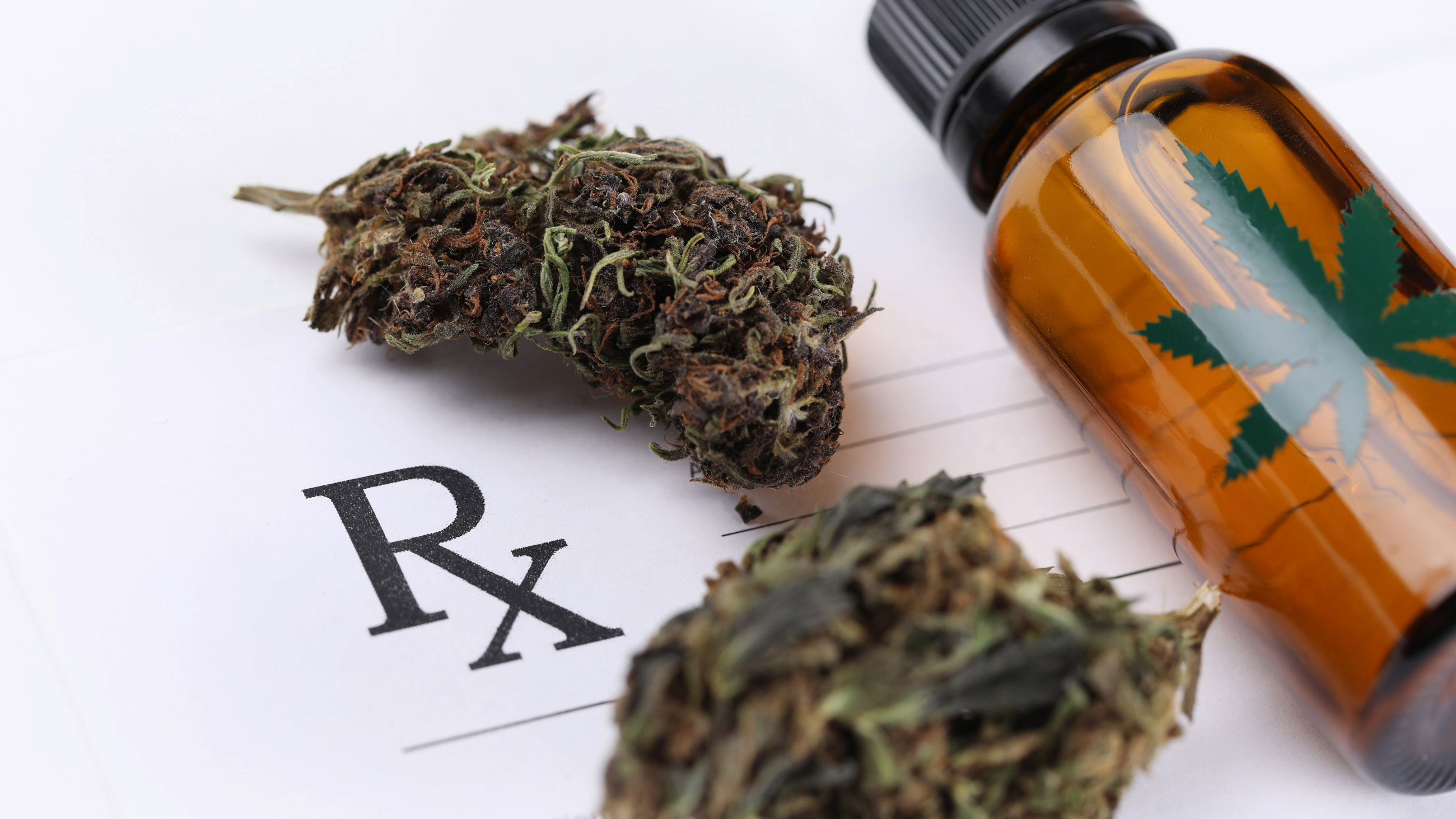

While there can be some temporary benefits of marijuana for glaucoma sufferers, the risks far outweigh the rewards.
Here’s the deal: The scientists who have studied the links between marijuana, cannabis and glaucoma have figured out that getting high on weed could help with glaucoma for a few hours. But you’d have to stay that way around the clock to fully enjoy the benefits, likely making the side effects worse than the treatment.
The benefits of using weed for glaucoma are mostly a myth. Let’s check out why.
The basics of glaucoma and marijuana
Glaucoma is a disease most often associated with excess pressure on the optic nerve inside the eye. Over time, this pressure can damage the optic nerve, cause peripheral vision loss and possibly lead to blindness.
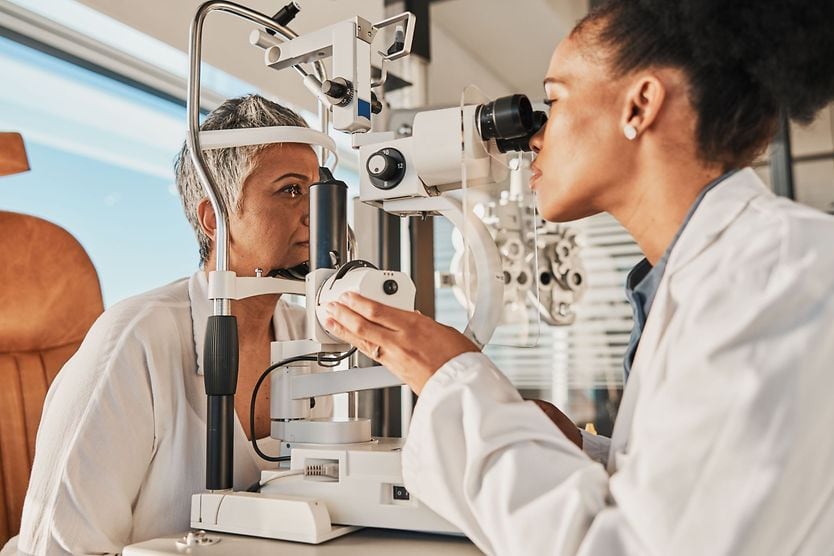
One way eye doctors detect glaucoma is by measuring your intraocular pressure (IOP). The higher the IOP, the greater a person’s risk for developing glaucoma can be.
Generally, glaucoma is considered a silent disease because it often progresses without pain or symptoms until noticeable, irreversible vision loss has occurred. However, in some cases, symptoms can include:
- Seeing halos around lights
- Eye pain and redness
- Nausea and vomiting
- Blurry vision
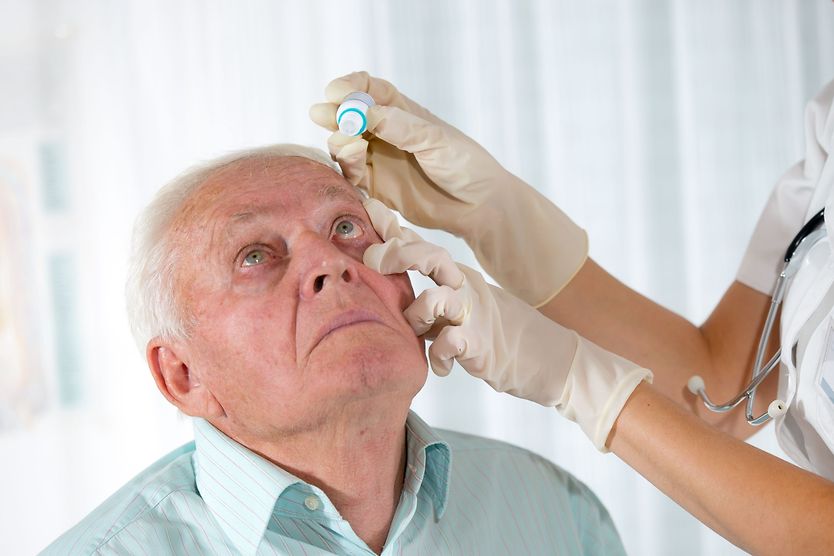
By measuring IOP during a routine eye exam, eye doctors can find early warning signs of glaucoma, including issues with the level of fluid in the eyes, and start treatment as early as possible. Accepted current glaucoma treatments include pressure-reducing eye drops and surgery if medications do not help.
Scientists who looked into reports confirmed that smoking marijuana can reduce high IOP and the symptoms it causes. It typically only helps for three to four hours at a time, and glaucoma keeps pressure on the optic nerve all the time.
To prevent irreversible loss of eyesight, glaucoma treatments must reduce this pressure constantly — not just for a few hours.
Treating glaucoma with marijuana
Think about the consequences of smoking enough marijuana every day to help with your glaucoma:
- Buying all that weed would break your bank.
- Testing positive for marijuana could get you fired or prevent you from getting hired, depending on your employer’s drug-testing guidelines.
- Driving or operating machinery is out of the question.
- Staying “stoned” makes it hard to concentrate on work, relationships and everyday responsibilities.
- Smoking any substance in any quantity is bad for your health, especially your lungs.
It might be worth enduring all these side effects if there were no other treatment options on the table, but that’s not the case. Longer-lasting medical and surgical treatments are available to relieve glaucoma symptoms with the goal to protect your eyesight. Talk to your eye doctor to find out your treatment options.
Treating glaucoma with CBD
THC, or tetrahydrocannabinol, is a compound in marijuana plants that causes weed’s well-known high. A similar compound is cannabidiol (CBD), which can be extracted from either a hemp plant or a marijuana plant (which is hemp with a higher concentration of THC).
While CBD has no psychoactive effects, it does seem to have some health benefits: Researchers believe CBD can help with epilepsy, pain, anxiety and other serious health issues. Marijuana is also thought to help with these conditions, but the buzz may be a deal-breaker for many people.
So, If CBD can help people without the psychoactive effects of THC, shouldn’t it produce the same benefits for glaucoma without the downsides?
Not exactly. Remember that eye drops are one of the main treatments for glaucoma, and, unfortunately, CBD and water don’t mix. Eye drops using CBD oil have been tested on rats and found to actually increase eye pressure by up to 18%.
The ideal way to address glaucoma risk
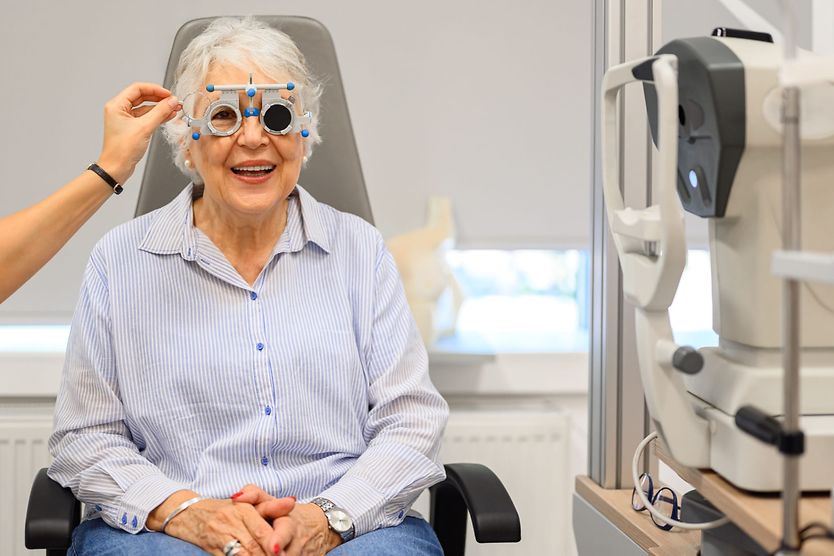
The trouble with glaucoma is that it can slowly damage your optic nerves for years before you realize anything is wrong. If you wait too long, the damage can be permanent. That’s just one reason routine comprehensive eye exams are important.
Most exams typically include a basic eye pressure check to screen for signs of glaucoma. If any concerning results come back, more in-depth and conclusive testing can take place.
An eye doctor can help you make treatment decisions after a glaucoma diagnosis. That may mean eye drops or possibly glaucoma surgery.