


Is marijuana helpful when used for cataracts? What about CBD?
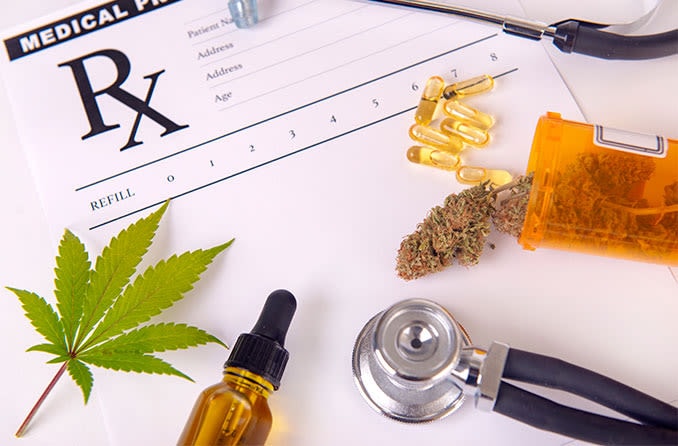

Your last visit to the eye doctor found the culprit for your foggy vision — cataracts. Your doctor said cataract surgery is the only proven cure, but you’d like to know your options before undergoing the procedure.
Perhaps you’ve heard that marijuana can help with glaucoma. Or maybe you’re using a form of CBD, marijuana’s hemp-derived cousin, for its anti-inflammatory and antioxidant benefits. What are your options?
Either way, the answer is the same: There’s no scientific proof that either marijuana or CBD help with cataracts. Though marijuana can ease glaucoma symptoms and CBD may relieve inflammation, they don’t have any proven benefits for people with cataracts. You’ll see why when you understand the causes of cataracts and glaucoma.
Note: CBD may have a negative impact on those at risk for glaucoma by increasing intraocular pressure (IOP).
See related: Vaping, like smoking, may harm your eyes
Cataracts vs. glaucoma: How they’re different
Cataracts form in the eye's lens, a transparent structure in the eye that works much like a camera lens. Humans typically develop cataracts after age 40 because crystallin proteins within the lens begin to break down into tiny clumps that cloud the lens’s natural transparency. This cloudiness produces foggy vision that gets worse over time, especially after age 70. Cataract surgery removes the natural lens and inserts an intraocular lens (IOL) in its place.
Glaucoma, by contrast, afflicts the optic nerve. It happens primarily because intraocular pressure squeezes the optic nerve, creating long-term damage that can gradually generate blind spots. Decades ago, as marijuana use became more popular, people with glaucoma started noticing that smoking marijuana took the edge off their symptoms.
It turns out that THC, the primary active ingredient in marijuana, can relax intraocular pressure, easing the symptoms of glaucoma — but only for a few hours. Modern glaucoma medicines can treat intraocular pressure around the clock.
Though marijuana has a proven impact on glaucoma, there’s no scientific evidence of any influence on cataracts.
Find out more: Glaucoma FAQs
What about CBD as a home remedy for cataracts?
So, marijuana and THC have no proven impact on cataracts. Is the same true for CBD?
Pretty much. CBD is short for cannabidiol, a chemical from the hemp plant that has become increasingly popular in recent years because it has little to no intoxicating effects, depending on the level of purity.
Cannabidiol marketers claim it can reduce anxiety, pain and inflammation. These claims have not been verified by the U.S. Food and Drug Administration. Only one CBD-based medication for rare, severe seizure disorders (Dravet syndrome, Lennox-Gastaut syndrome, or tuberous sclerosis complex) in patients 1 year or older, has been FDA-approved.
But what about cataracts?
As of 2025, there’s no scientific evidence that CBD helps with cataracts. However, according to a 2019 policy study, there is a growing body of research into possible natural or homeopathic remedies for cataracts. Again, these remedies do not have broad scientific backing so far, but they do suggest the possibility of eventually developing medications that can treat cataracts. Whether any of those medications would include CBD remains to be seen.
Is there any link between CBD and common cataract risk factors?
To answer that question, let’s consider the most common risk factors that contribute to cataracts:
- Smoking
- Diabetes
- Long-term use of corticosteroid medications
- Ultraviolet light exposure
- Dietary deficiencies
- Obesity
- High blood pressure
- Excessive alcohol drinking
None of these factors align particularly well with CBD’s suggested benefits. But what if we go to the root cause of cataracts? One potential cause of age-related cataracts is oxidation, which releases free radicals that damage the eye's lens. Antioxidants are compounds that target free radicals and reduce the impact of oxidation throughout the body.
CBD is said to have antioxidant properties. In principle, that could be helpful with cataracts. In reality, however, research finds that a healthy diet rich in fruits, berries, vegetables and seafood is the best source of antioxidants for fighting cataracts. CBD is an over-the-counter supplement that is by and large unregulated — so it’s difficult to be sure of a consistent dosage.
It’s also been suggested that CBD might help with anxiety, inflammation or pain after cataract surgery. Of course, you would have to talk that over with your surgeon, who would most likely prescribe FDA-approved medications for postoperative symptoms.
Get professional advice on marijuana, CBD and cataracts
A huge industry has sprouted around CBD and legalized marijuana. Remember, it’s best to ask your eye doctor and primary care physician about the impacts of marijuana and CBD.
Learn more about cataracts in these related articles:

