Do photochromic lenses have UV protection?
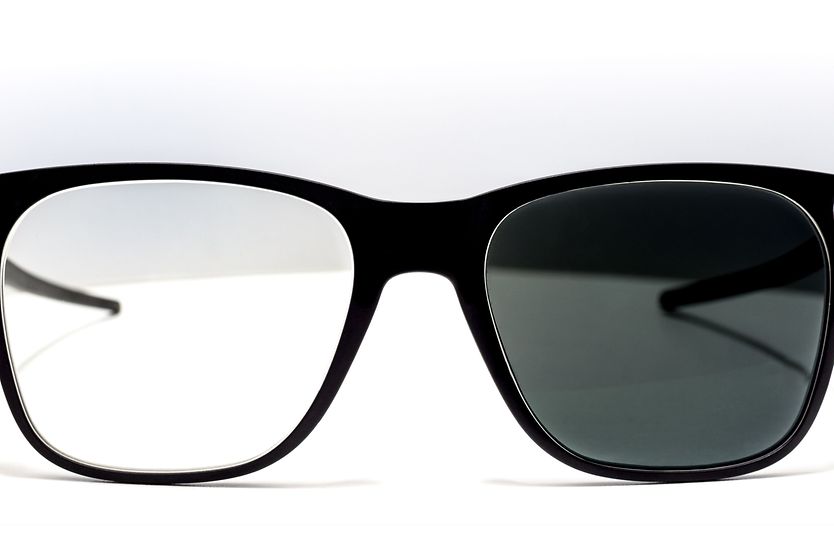
Photochromic lenses, known for their unique ability to darken in sunlight, should shield your eyes from the sun's harmful ultraviolet (UV) rays, as long as you see "UV400" or "100% UV protection" on the lens or other product documentation.
When in doubt, double check with the manufacturer or an eye doctor.
Why is blocking UV rays important?
The sun’s UV radiation is the same thing that causes sunburns on your skin. UV rays also can cause a sort of sunburn on your eyes, called photokeratitis, which can lead to temporary eye redness, blurry vision, light sensitivity and excessive tearing.
The bigger concern, though, is long-term damage from the sun's UV rays.
Too much UV exposure to your eyes over the years can cause or worsen cataracts and macular degeneration, the leading cause of blindness in the United States.
Damage to your eyes caused by UV radiation can be prevented with the proper protection.
SEE RELATED: What are photochromic sunglasses?
How do photochromic lenses provide UV protection?
The science behind light-to-dark lenses also explains how photochromic lenses block UV rays.
A special light-sensitive photochromic coating is applied to eyeglasses and sunglasses lenses, which are often made of polycarbonate.
Once the coating is applied to the lens, it’s heated, and the chemical enters through microscopic openings in the lens that get bigger with heat. Once the lens cools, the openings shrink back down and the chemical settles, becoming one with the lens.
The chemical solution involved is transparent, so it can be applied to clear eyeglasses and dark sunglasses. When UV radiation comes into contact with a lens treated with this chemical, it can’t pass through.
As a result, most photochromic lenses block virtually all UV rays from reaching the eyes.
It’s important to note that just because a lens is darker, that doesn’t necessarily mean it blocks more UV.
Extremely dark lenses that don’t block ultraviolet light put your eyes at much greater risk than clear, UV-protected eyeglasses. Darkened lenses cause the eyes’ pupils to open wider, meaning the lack of UV protection allows more radiation to enter the vulnerable eyes.
But with proper UV protection — almost always included with photochromic lenses — you can step into the sun and relax, knowing your eyes are well protected.
READ NEXT: Do photochromic lenses filter blue light from your computer?