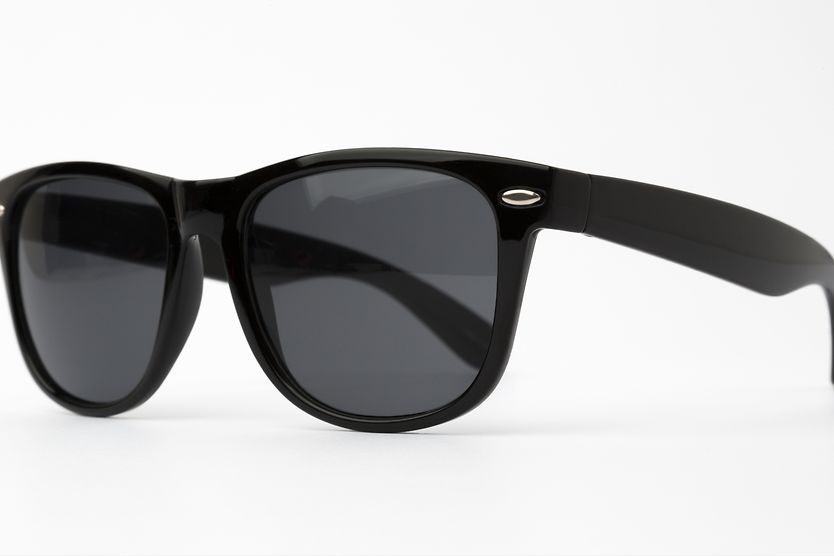
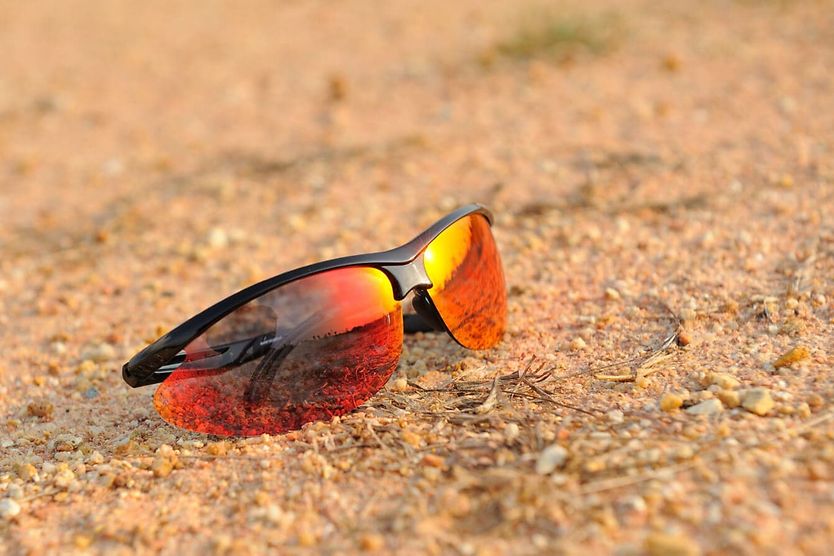
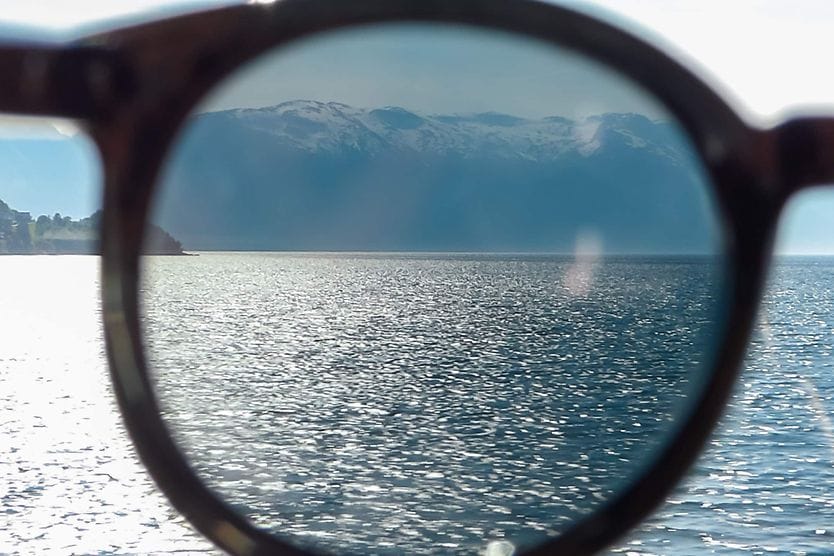
Why different lens colors in sunglasses?
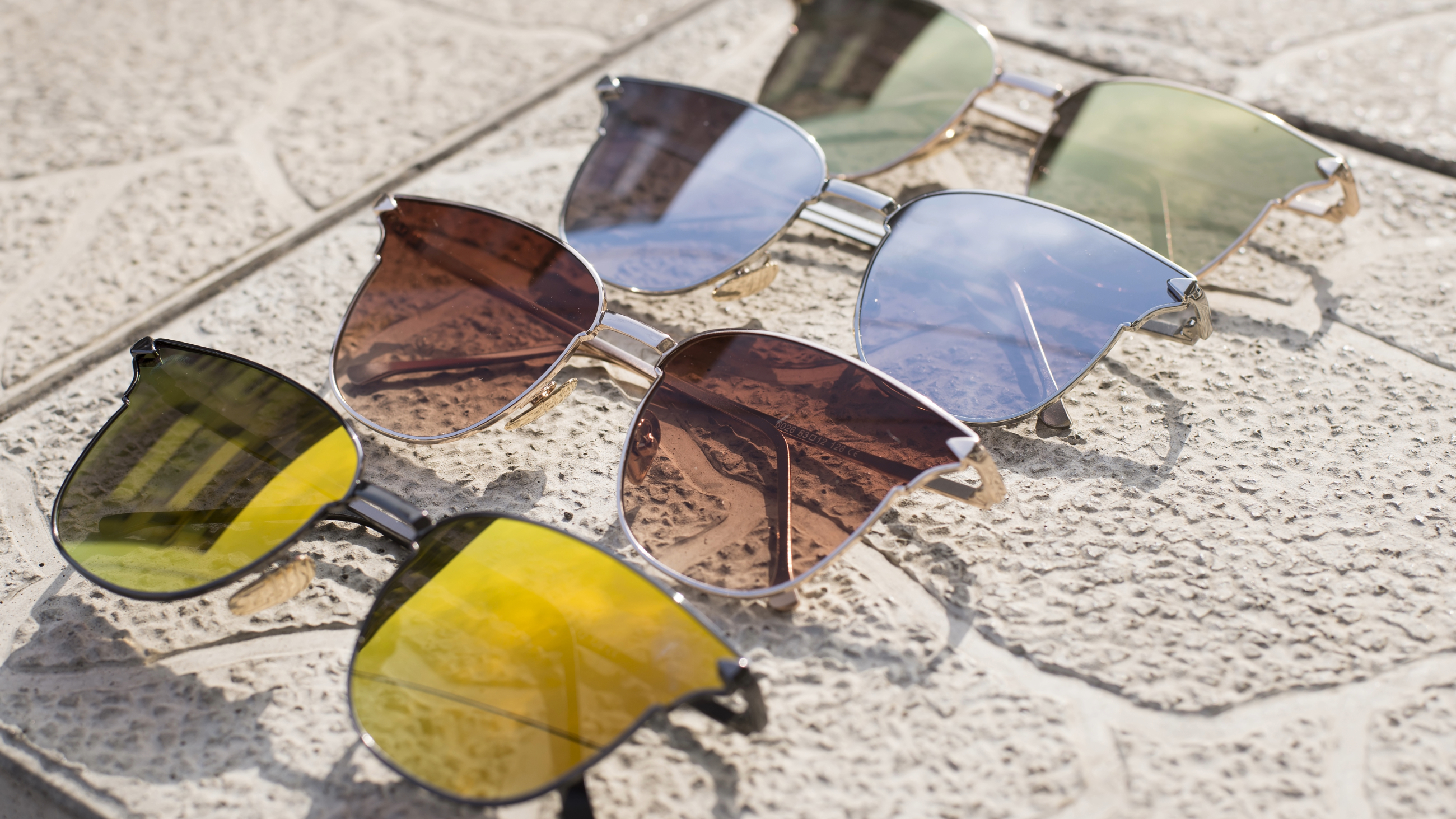
Benefits of various color lenses in sunglasses
Colored sunglasses lenses don’t exist only to make a fashion statement; they can help filter light away from your eyes. But, depending on the lens color, they may do so in different ways.
Some sunglasses tints enhance colors you see, making them appear more vivid. Other tint colors distort colors, reduce glare, block light and may boost visual function. That said, not all colored lenses are right for all occasions.
The reality is, each colored lens can provide different benefits. The appropriate lens tint may ultimately enhance your depth perception and reduce eye fatigue without hindering your ability to see clearly.
UV protection matters more than lens color
First and foremost, the color of your sunglasses lenses is not an indicator of how much UV-blocking protection your sunglasses will provide. That’s because lenses that provide adequate protection are treated with a colorless UV-absorbing coating.
In other words, it’s not the color that matters when it comes to shielding your eyes from harmful ultraviolet rays; it’s what’s on the UV label that counts. And the label on any quality pair of sunglasses should read 100% UV protection, whatever color the lenses.
The color of your lenses does matter, however, when you are looking to filter high-energy visible light (HEV), or blue-violet light. There is a spectrum of blue light, and different tints are able to filter different wavelengths and amounts. Knowing your colored lens options and associated benefits is key.
SEE RELATED: Your guide to sport sunglass lens tints
Differences among color lenses in sunglasses
When choosing colored lenses, be sure to consider your lifestyle, such as daily work and recreational activities, and how you plan to use your sunglasses. Each color is specifically suited to potentially both enhance and improve vision in certain settings and activities.
At the same time, some colors can disrupt vision when worn in the wrong setting. Understanding the purpose and benefits of each color will help you make the appropriate selection when it’s time to make your next purchase.
Green
A greenish colored lens may help provide contrast by filtering out some blue light. This can also reduce glare and eye strain in brighter sunlight. This tint works well in sunglasses used to play golf or tennis and for everyday wear.
Gray
This neutral color can reduce glare, especially when on the water, which is especially helpful for fishing sunglasses, and it’s an ideal color to shield bright light. Gray-tinted lenses work well on both cloudy and sunny days, providing anti-fatigue benefits, which make them optimal for all-purpose use, such as driving.
Blue or purple
Blue- or purple-tinted sunglass lenses provide enhanced color perception. They may help you see contours around objects more clearly while offering visual protection from reflective surfaces, especially snow. Sunglasses with blue lenses also tend to work well in foggy and misty weather.
Red or rose
Red- and rose-colored sunglasses filter some blue light, so they may help improve driving visibility while enhancing eye comfort. They may also increase your depth of field and boost detail, which is why sunglasses with red- or rose-colored lenses are ideal to wear during many sports activities, such as skiing.
Yellow, orange or gold
Sunglasses with light-colored lenses such as yellow, orange and gold excel in moderate- to low-level light conditions. They provide depth perception and can work well for both outdoor and indoor sports sunglasses. They also may improve the visibility of objects, make surroundings appear brighter and filter blue light. However, yellow, orange or gold sunglass lenses could distort color.
Amber or brown
This glare-reducing tint helps make cloudy days a bit brighter. These performance sunglasses also include red hues that filter blue light while helping improve depth perception. So, think of wearing these during activities like golf or baseball, where you might need to make out small objects at a distance. Amber lenses may provide to eyes in sunny conditions and heighten contrast against green landscapes and blue skies.
Before purchasing sunglasses with colored lenses, try to evaluate the different lens colors in lighting conditions similar to what you typically experience. Some sportier sunglasses frames even include interchangeable lenses so you can customize the tint for various activities and conditions.