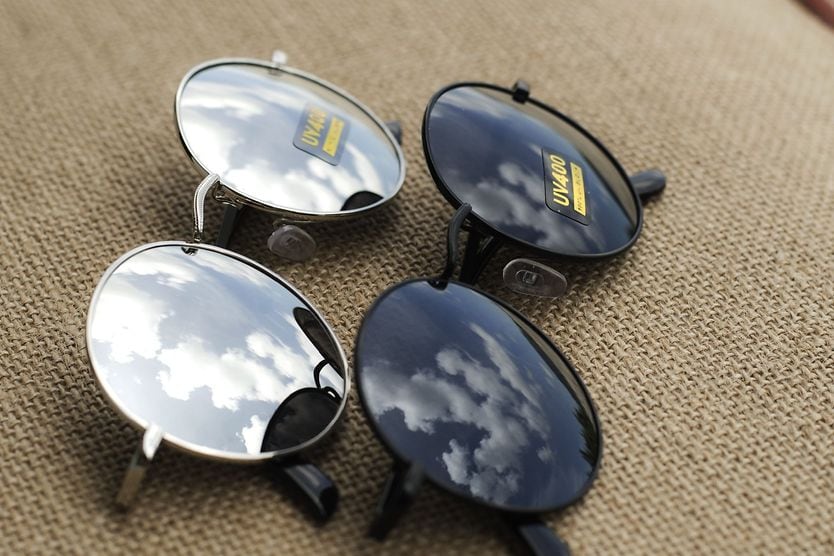
The benefits of investing in high-quality sunglasses for driving

What makes driving sunglasses effective?
Sunglasses for driving should help to reduce or eliminate glare. Polarized sunglasses offer glare reduction from light reflecting off the roadway and other flat surfaces — such as the hood of the driver’s vehicle, plus the windshields and other reflective surfaces of other vehicles.
Other beneficial features for driving sunglasses include a large, wraparound style that provides a wide, unobstructed field of view. An anti-reflective coating on the backside of the lenses helps eliminate glare from sunlight reflecting off the inner surface of the lenses when the sun is behind you while driving.
Finally, a brown, copper or amber tint for your driving glasses could enhance contrast on both sunny and overcast days.
Visibility and clear, comfortable vision are important for safe driving. When you’re making quick decisions at high speeds, the last thing you want is to be blinded by the sun. Wearing a quality pair of sunglasses for driving is a common first line of defense.
And it won’t hurt if they look great too.
Sunglasses for daytime driving
Polarized lenses are a popular choice for daytime drivers, especially during bright conditions. The lenses include a special coating designed to reduce the intense glare caused when sunlight reflects off asphalt, buildings and other cars around you.
Polarization also helps eliminate glare during hazardous driving conditions, including wet pavement, snow and blinding sun. Opt for non-polarized lenses during icy conditions, though. This is one situation where you want to see the reflections coming off otherwise hard-to-see icy patches.
Polarized sunglasses not only protect your eyes from harmful UV rays, they show you the world in better color contrast, clarity and detail.
Non-polarized sunglasses can be helpful for daytime driving too — just make sure they enhance and protect your vision as a driver. Look for high-quality lenses that increase contrast and frames with enough surface area to protect your peripheral vision and help reduce eye fatigue as the miles roll by.
Glasses for driving at sunrise, sunset or at night
Driving when the sun is low in the sky and directly in your line of vision can be temporarily blinding. When there’s a curve in the road, the sun can pop up at unexpected spots, rendering a visor almost useless.
Once the sun goes down, you’re dealing with a different problem: reduced visibility and glare from oncoming headlights. While they do block glare, at night, polarized lenses block too much light to be a safe option.
This is where a different lens coating on your regular glasses helps: anti-reflective (AR) coating, also known as “anti-glare” coating.
Anti-reflective coating reduces the distracting reflections that bounce around your eyeglass lenses, including those caused by bright headlights and streetlights.
AR coating can come in particularly handy as you get older, when it gets harder for your eyes to see in the dark and adjust to the stark contrast between the darkness around you and oncoming bright headlights.
The coating only helps if you already wear prescription glasses at night. If you don’t wear glasses normally (or just for night driving), you don’t need to get a pair of non-prescription glasses for their anti-glare coating alone.
You might see products marketed as "night driving glasses" with yellow- or orange-tinted lenses.
There is little evidence they actually help. Some research has shown that wearing them can actually make night driving more difficult.
Instead, opt for upgrading your daily eyeglass lenses with an AR or anti-glare coating.
SEE RELATED: How safe are older drivers at night?
What to look for in a pair of driving sunglasses
For your next pair of driving sunglasses, take these factors into consideration:
- 100% UV protection – Not much ultraviolet (UV) radiation makes it past a car windshield, but it’s still important to be completely protected against the harmful rays. Look for lenses that offer 100% UVA and UVB protection.
- Polarized lenses – A special coating that reduces distracting glare during daytime driving hours.
- The right lens coverage – You can’t always control the sun’s position when you’re driving, so wider and taller lenses with a bit of curve protect a larger field of view.
- Durability – High quality sunglasses for driving can handle long road trips and being put on, taken off and tossed around your car without breaking or losing their effectiveness.
- Comfort – Sunglasses packed with features won’t do much good if they aren’t comfortable to wear.
- Style that fits your face shape – If you know which frames fit each face shape beforehand, you can have a head start on your sunglasses shopping.
The importance of vision on the road
Clear, unobscured vision can help you navigate your own driving and react quickly to the moves of other drivers. So protect those eyes and drive safe!
READ MORE: The complete guide to road-ready vision