Are cheap sunglasses bad for your eyes?
High-quality sunglasses can be expensive. So why not buy cheap sunglasses that look almost the same? Or are cheap sunglasses bad for your eyes?
Key factors when buying sunglasses include:
UV protection
It's important that your sunglasses provide 100 percent UV protection. This will shield your eyes from the sun's harmful UV rays that can cause long-term eye damage and even permanent vision loss.
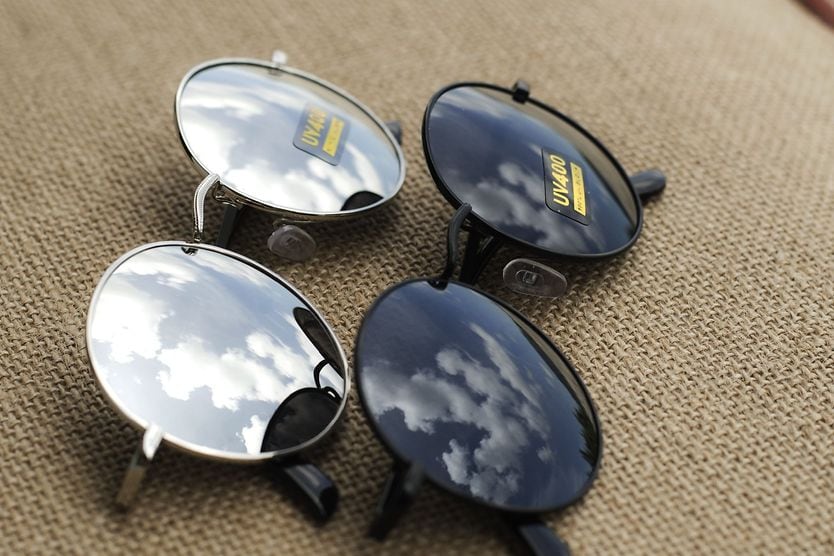
Don't assume less expensive sunglasses provide this level of protection, even if a sticker on the lenses says, "blocks UV." It is recommended to look for sunglasses that indicate 100% UVA/UVB protection or UV400, which means lenses block 99–100% of harmful UV light up to 400 nanometers.
Optical quality
Cheap sunglasses might seem to provide clear vision when you first try them on, but after a period of time you might experience eye strain if the optical quality of the lenses is less than it should be.
It’s possible this is due to the inexpensive type of lens material used to make the lenses.
Impact resistance
Sometimes, lenses in cheap sunglasses may not provide the level of impact resistance that meets U.S. standards called American National Standards Institute (ANSI).
For the ideal impact resistance, consider lightweight polycarbonate or specialized polyurethane-based lenses.
The most important reasons to wear sunglasses are to shield your eyes from damaging rays from the sun, to enable you to see clearly and comfortably in conditions ranging from bright sunlight to overcast haze, and to protect your eyes from injury or irritation.
When considering cheaper sunglasses, it is recommended to verify the lenses provide the UV protection, optical quality and durability typically found in more expensive sunglasses.
READ RELATED: Are expensive sunglasses actually better than cheap ones?
A skilled optician can help you determine the quality of your current sunglasses and help you select sunglasses that provide the clarity, comfort and eye protection you need.