How do I choose contact lenses?


Choosing contact lenses is a decision you should make with your eye doctor. The optimal choice depends on many factors, including your refractive error, how much contact lens wear your eyes can tolerate, your expectations and how willing you are to properly care for your lenses.
Here are some things to consider prior to your eye exam for contacts:
How often will you wear contacts?
Are you planning to wear contact lenses every day, or just on weekends or for special occasions?
Most people wear soft contact lenses, which usually can be worn comfortably either full-time or part-time. On the other hand, rigid gas permeable contacts (also called RGP or GP lenses) must be worn on a consistent daily basis for them to be comfortable.
How selective are you about the sharpness of your vision?
GP lenses may take some getting used to at first, but many people find that they provide sharper vision than soft contact lenses, especially if you they have astigmatism.
If you try soft contacts and aren't satisfied with the clarity of your eyesight, ask your eye doctor if they recommend switching to GP lenses.
Are you willing to care for your contacts properly?
To avoid serious contact lens-related problems, including fungal eye infections and corneal ulcers, it is essential that you use the contact lens solutions your eye doctor recommends.
Though disposable contacts have reduced the risk of some eye infections, daily lens care is still essential to keep your eyes healthy when wearing contact lenses.
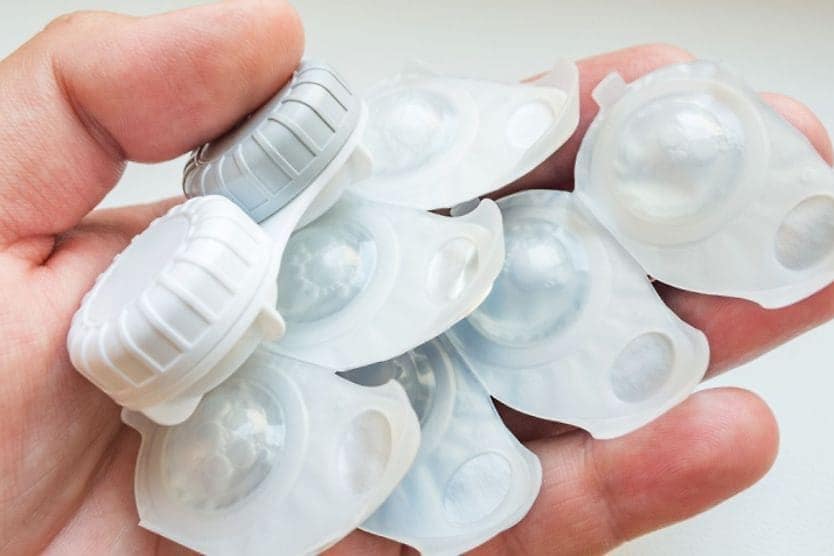
If you prefer to avoid the task of cleaning and disinfecting your lenses each day, you may consider daily disposable lenses. With these "one-day" soft lenses, you simply discard the lenses after a single use and put on a new pair the next day.
Is overnight wear important to you?
Do you like the idea of wearing contact lenses continually, including overnight? Some contact lenses allow high amounts of oxygen to pass through them and have been FDA approved for overnight wear.
But continuous contact lens wear is not safe for everyone. If you are interested in extended wear contacts, your eye doctor will evaluate how well your eyes tolerate overnight wear to determine if it is safe for you.
Do you want to change your eye color?
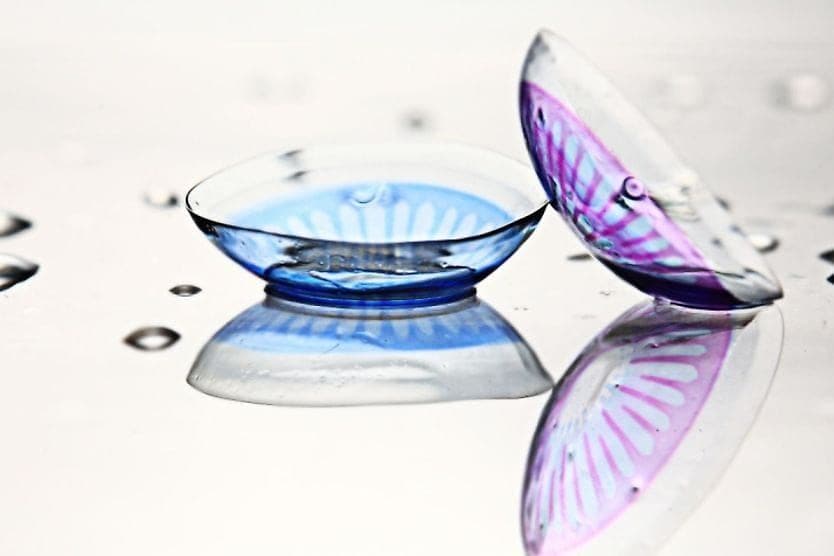
Color contact lenses are specialty soft contact lenses that can enhance your current eye color or change it altogether, even if you have dark eyes.
Special-effect contact lenses (also called theatrical contact lenses or costume contacts) can dramatically change the appearance of your eyes.
Theatrical contact lenses are especially popular at Halloween and also are available without corrective power if you don't need vision correction.
But all contact lenses, even non-corrective (or "plano") special-effect contacts, are considered medical devices and cannot be purchased in the United States without a professional fitting and a contact lens prescription written by a licensed eye doctor.
SEE RELATED: Halloween contacts
Do you wear bifocals, trifocals or progressives?
If you need reading glasses or glasses with bifocal, trifocal or progressive lenses, then multifocal contact lenses may help reduce how often you need to wear your glasses.
Some people also consider monovision, where one contact lens is prescribed to give you good distance vision and the contact lens for the other eye is prescribed for good near vision. It may seem odd, but this combination often helps people with presbyopia achieve clear, comfortable and natural-feeling vision.
What about contact lens costs?
Contact lenses don't eliminate your need for eyeglasses, so it can help to consider the cost of contact lenses and how this affects your budget. When considering contact lens costs, don't forget to add the cost of contact lens solutions, rewetting drops, and any other products you might need.
Do you have allergies or dry eyes?
Eye allergies or dry eye may affect the comfort of your contacts or limit your ability to wear contact lenses. If you have either of these conditions, discuss them with your eye doctor.
Daily disposable contacts may help some people reduce contact lens-related allergy symptoms. There are also specific brands of contact lenses for dry eyes that may help you wear contacts more comfortably.
Seek professional advice
After considering all the above, the next step is to visit your optometrist or ophthalmologist for a comprehensive eye exam and contact lens consultation.
Your eye doctor can help you decide if you are a good candidate for contact lens wear and help you choose contact lenses that suit your individual needs.