The importance of healthy vision for road safety


How vision affects driving
Clear vision is crucial for safe driving. It allows drivers to spot hazards, read signs and react to changing conditions in time to prevent accidents. Without it, even routine trips can become dangerous.
Good eyesight helps drivers manage the constant flow of information on the road. From checking mirrors and monitoring speed to noticing pedestrians or vehicles entering an intersection, vision guides nearly every action behind the wheel. When vision is impaired, reaction times can slow, and the likelihood of missing critical details increases.
Understanding how age, eye conditions such as cataracts and dry eye, or environmental factors affect vision is essential for road safety. Regular comprehensive eye exams and corrective measures, such as glasses or contact lenses, can help ensure that drivers stay alert and prepared behind the wheel.
Road safety and vision: By the numbers
Before you get behind the wheel, consider these statistics from around the world:
- 90% – Up to 90% of the information needed to make safe decisions while driving comes through your eyes.
- 84% – Drivers with vision loss affecting both eyes were found to have an 84% higher chance of being involved in a car accident.
- 50% – Approximately 50% of fatalities from car accidents happen at nighttime.
- 3,260 – Road accidents take an average of 3,260 lives every single day.
How your eyesight plays a role in road safety
Each time you drive, multiple elements of your vision work together to keep you safe. Together, they give you the awareness needed to make confident decisions on the road.
Clarity
Visual acuity, or visual clarity, is a key part of staying safe behind the wheel. It measures how sharp your eyesight is and is usually tested with the use of an eye chart. A score of 20/20 is considered normal, meaning you can see objects at the expected size and distance. By comparison, someone with 20/40 vision means objects must be closer to be recognized clearly.
Because vision rules for drivers are not the same in every U.S. state, it is important to know the specific requirements where you live. Corrective lenses may be needed to help you stay within those standards and keep you safe on the road.
Binocular vision and depth perception
Binocular vision is when both eyes work together to form one clear image. If this process does not work correctly, it can be harder to understand what you see. Certain conditions, such as eye misalignment (commonly referred to as crossed eyes with the medical term strabismus), lazy eye (amblyopia) or other vision and brain issues, can interfere with binocular vision.
When binocular vision is reduced, drivers may:
- Experience blurry vision
- Eye strain or fatigue
- Dizziness or motion sensitivity
- Have trouble seeing at night (nyctalopia)
- Double vision (diplopia)
- Find it harder to see objects that are far away
Depth perception, which also depends on both eyes working together, is just as important. It helps you:
- See things in 3D
- Understand how far away an object is
- Know where people or objects are around you, whether on the road or on a sidewalk
Beyond driving, depth perception is useful every day. When this skill is affected, it can reduce safety both on the road and in daily life.
Night vision
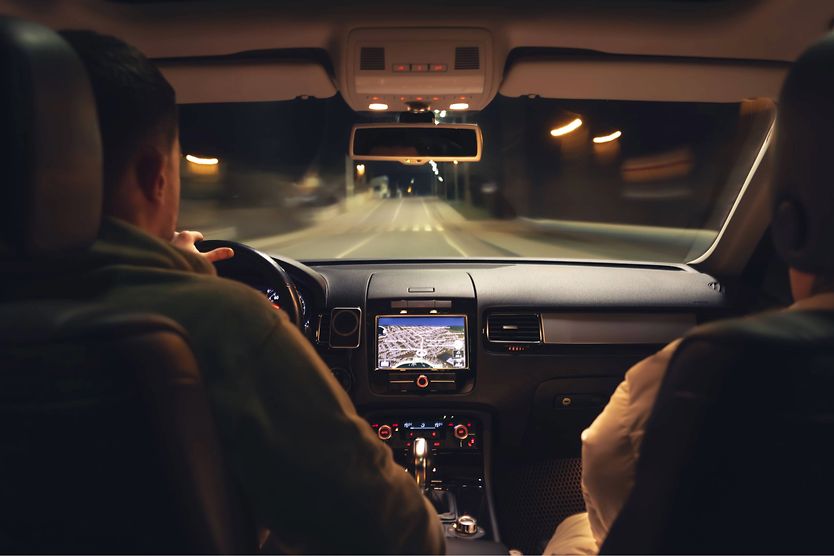
Driving at night is riskier than driving during the day. Even with fewer cars on the road, nearly half of deadly crashes happen after dark, often during evening hours and on weekends.
Vision also changes in low light. At night, many drivers struggle with:
- Blurry vision
- Trouble seeing far ahead
- Reduced color discrimination at night
- Glare from headlights
Night driving can get harder with age as vision changes like these become more common.
Visual field
Your visual field describes how much you can notice around you without moving your eyes. A wide visual range lets drivers notice activity around their vehicle while keeping focus on the road ahead.
Eye care professionals check this ability with visual field tests that map what you can and cannot see. One common method uses an automated device that flashes lights in different areas while you respond to what you notice.
Other parts of vision are also important for safe driving:
- Color vision – Lets you tell the difference between red brake lights from amber turn signals.
- Contrast sensitivity – Allows you to see people, signs and objects in the dark.
Glare
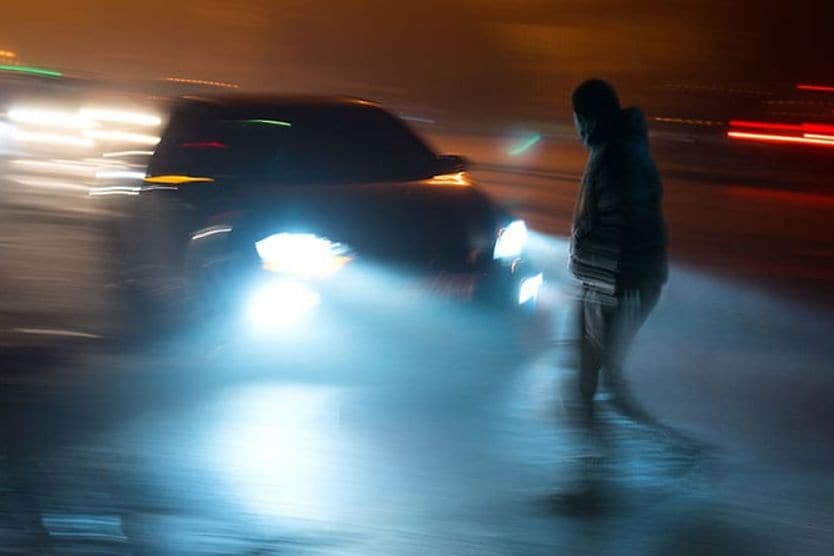
Glare can make it difficult for drivers to see clearly and respond in time. Bright headlights often cause glare, which distracts drivers. This issue is even more noticeable for people with cataracts, dry eyes or other vision conditions.
Glare is not only caused by oncoming headlights at night. The sun can be just as blinding, especially during sunrise and sunset when it sits low on the horizon. Sun glare can:
- Make traffic signals or pedestrians harder to see
- Delay reaction time to sudden changes on the road
- Cause sharp reflections off buildings, windows or windshields
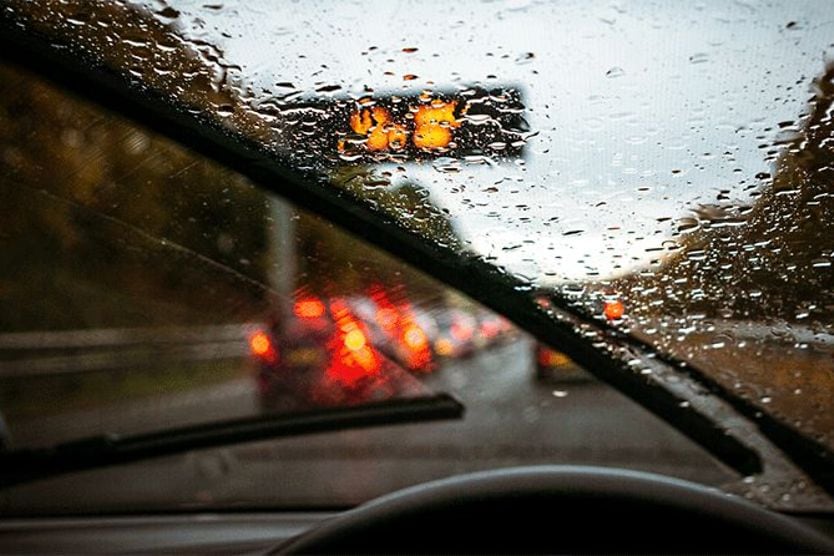
Keeping your windshield clean and in good condition can reduce the effects of glare and help you stay safer on the road.
LEARN MORE: Tips for driving safely in the rain
How to maximize road safety with simple vision precautions
Taking care of your eyes and vision can make a big difference in driving safety. A few simple habits can help you see more clearly while on the road.
Get regular eye exams
Getting older often brings normal eye changes that may affect both clarity of vision and driving safety. Having your eyes checked regularly helps effectively catch these subtle vision changes early on.
Find the right pair of glasses
Talk to your eye doctor about glasses or sunglasses designed for driving, such as those with anti-reflective coatings. Some people may also benefit from prescription driving glasses for nighttime to improve clarity and reduce strain. Tinted or polarized “night driving glasses” are not recommended, as research has shown they can reduce visibility in low-light conditions.
The proper type of eyewear can make hazards and signs easier to see in all conditions.
Keep your windshield and glasses spotless
A clean windshield and clear lenses reduce glare and increase visibility. Additionally, keep your headlights clean. This ensures that they remain bright, allowing you to see clearly.
If you've noticed changes in your vision — new difficulty with night driving, increased glare sensitivity, double vision, trouble judging distances or any other changes that affect how you drive — talk to an eye doctor. Many of these symptoms are caused by conditions that can be treated or corrected, and an updated prescription or comprehensive eye exam is often the most effective step you can take to stay safe behind the wheel.
READ NEXT: Photochromic lenses and driving