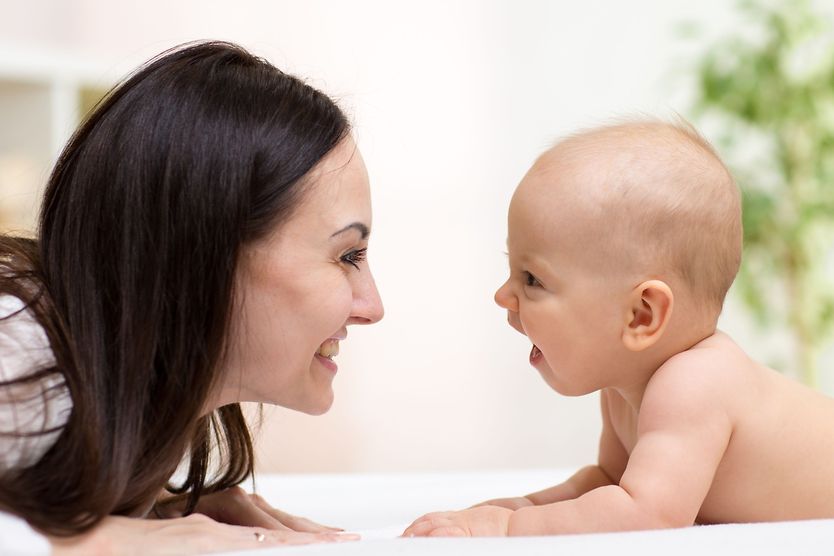
Is it true all babies are born with blue eyes?
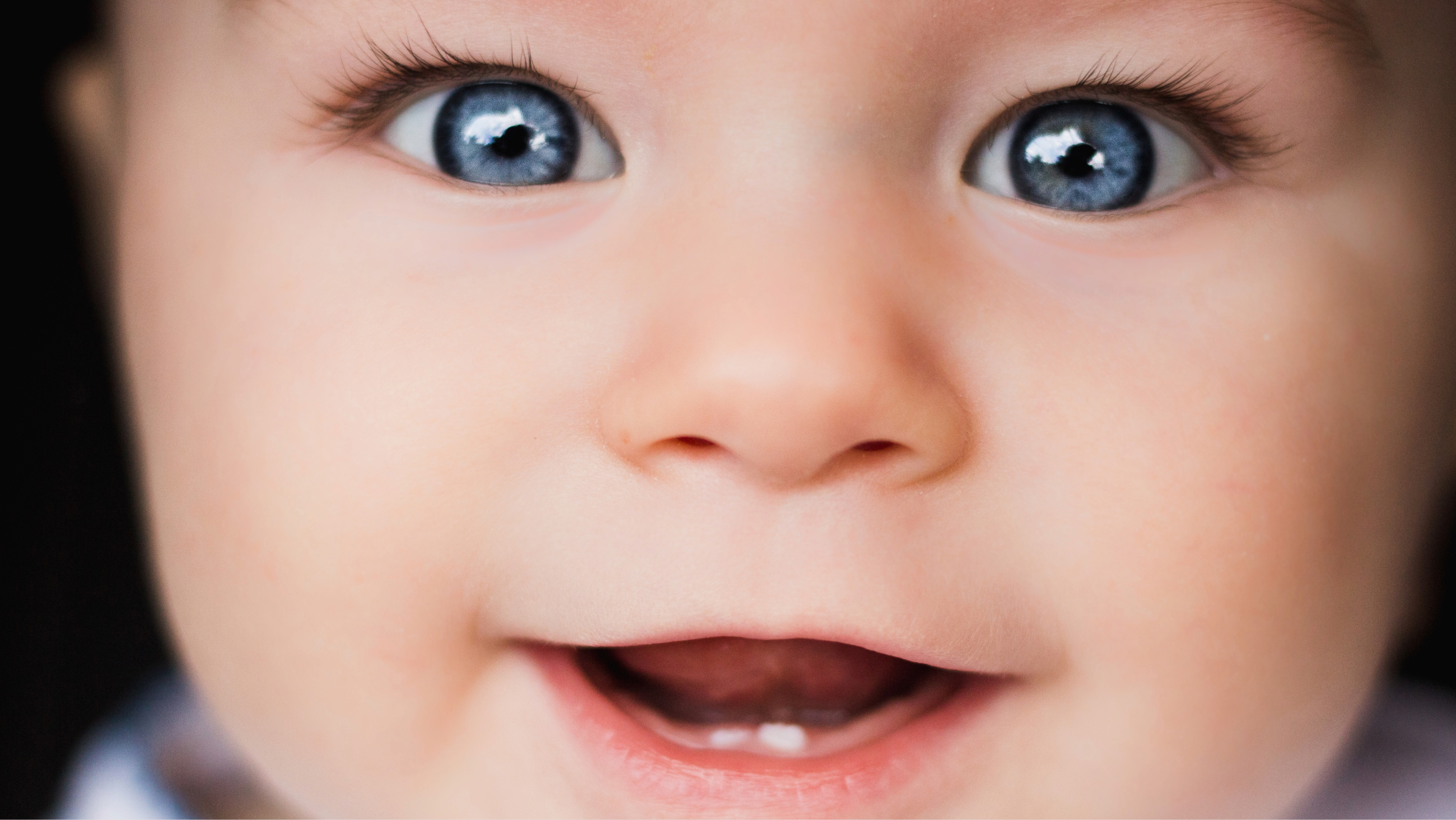
Is newborn eye color always blue?
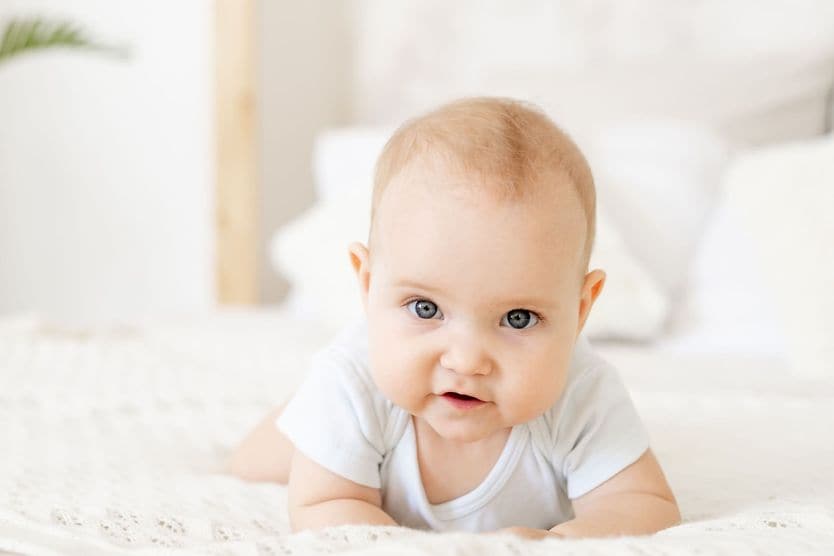
We’re all familiar with the custom of referring to beautiful blue eyes as “baby blues.” Is this because all babies are born with blue eyes?
This phrase may have originated from the understanding that all infants are born with bright blue eyes, but this isn’t actually true. In fact, studies have shown that it’s more common for babies to be born with brown eyes.
Let’s review the biological factors that determine eye color and how to tell whether or not your baby’s piercing blue eyes will stick around.
Why are babies born with blue eyes?
Many babies will have light-colored eyes at first, but newborn eye color continues to develop for months after birth. Some babies may be born with blue eyes, but others are born with brown or hazel eyes.
In fact, blue eyes may be a little less common than you think. A 2016 study involving 192 newborns revealed that almost two-thirds of them were born with brown eyes. Only about one in five had blue eyes.
Eye color, just like skin and hair color, is determined by melanin. These natural pigments are produced by cells called melanocytes. Melanocytes help provide protection from sun damage and increase their production in response to sun exposure.
When a baby is born, their eyes may be light or even blue, but they will likely change color as the melanocytes respond to light.
Race is also a factor, as researchers note that the majority of babies born with blue eyes are Caucasian. Other ethnic groups, including those of African and Asian ancestry, are more often born with brown eyes.
What determines babies’ eye color?
A baby’s eye color depends on their melanin levels, which are governed by genetics.
Generally speaking, Caucasian babies (especially those with blue eyes) have less melanin, so their iris, hair and skin color are more likely to vary and develop with age and environmental factors, such as sun exposure. Conversely, babies with brown eyes have the most melanin, and their eyes are much less likely to change color.
While eye color is predominantly determined by these natural pigments, there are also other genetic factors at work that will influence the color of a newborn’s irises.
Two brown-eyed parents are more likely to produce a brown-eyed baby, but parental influence on eye color is not a solid guarantee. If a grandparent, for instance, has blue eyes, it’s not unheard of for the baby to inherit their blue eyes.
The same can be said for parents with lighter colored eyes. It is absolutely possible for two blue-eyed parents to have a baby with brown eyes even if it is more likely they’ll go home with a blue-eyed babe.
LEARN MORE about eye color genetics
How can I tell if my baby’s eyes will stay blue?
There’s always a chance that your baby’s blue eyes will be permanent, but it’s more likely they’ll become hazel, green or brown before they even take their first steps.
The eye color change timeline varies for each baby. Typically, eye color change will often taper off around six months, but some babies’ eyes keep changing hues for a year or even up to three. Until then, there’s no way to know for certain what color your baby’s eyes will ultimately be.
And while it isn’t entirely foolproof, a pretty good indicator of whether or not your child’s eye color will change is to inspect their eyes from the side. If their eyes are clear and bright blue, they may stay that way. If their eyes are a darker blue and there are flecks of gold throughout, they may change to hazel, green or brown.
Gradual eye color changes during infancy are typically a normal part of development. However, some changes in the appearance of the eyes may need to be evaluated by an eye doctor.
For example, cloudiness or a blue tint to the eye can occur with congenital glaucoma, especially when accompanied by excessive tearing or sensitivity to light. A white or grayish appearance in the pupil also needs medical attention, as it can be a sign of an underlying eye condition.
Schedule your baby’s first eye exam
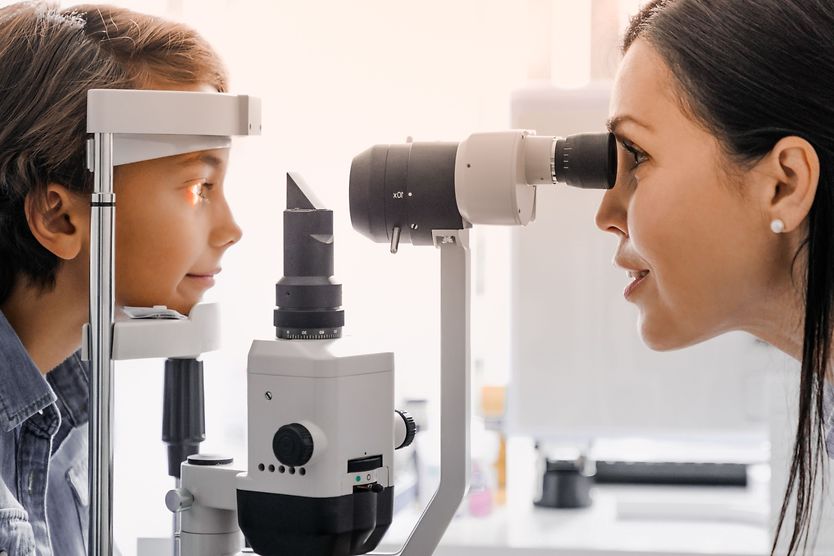
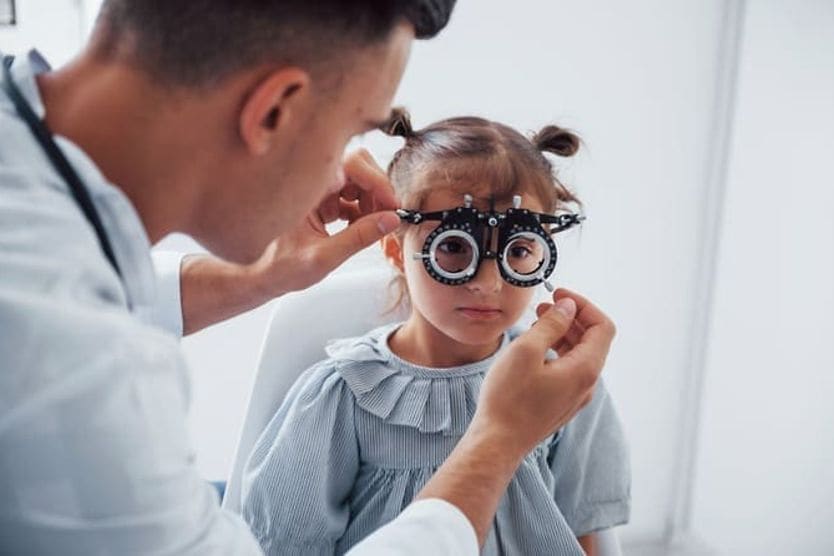
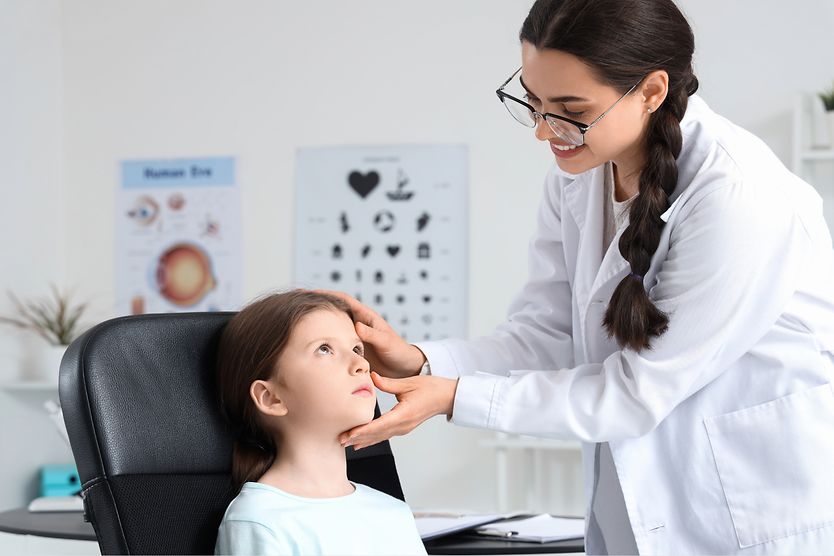
While it’s fun to dwell on your baby’s eye color, during their first several months of development, your infant and their eyes will undergo a number of changes aside from just the color of their irises. Because of this, it is important to have your infant’s eyes examined by a pediatric vision specialist sometime within their first six months.
Your baby won’t be able to communicate any potential eye problems, but a pediatric eye doctor will be able to assess their visual acuity and detect or rule out more serious immediate issues with vision or eye health.
This enables your baby’s doctor to catch anything early on that could potentially affect their ongoing vision development.
READ NEXT: What nursery colors are best for a baby’s vision?