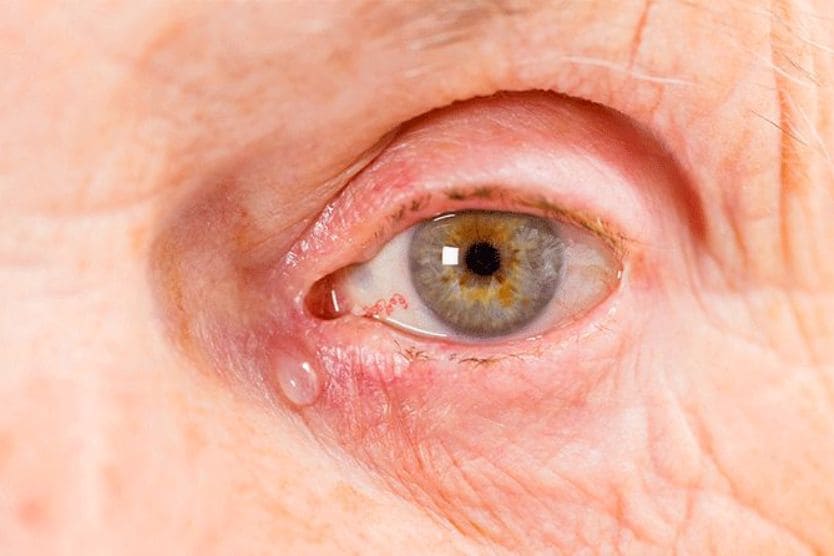
What is an orbital bone, and what happens when an orbital bone breaks?
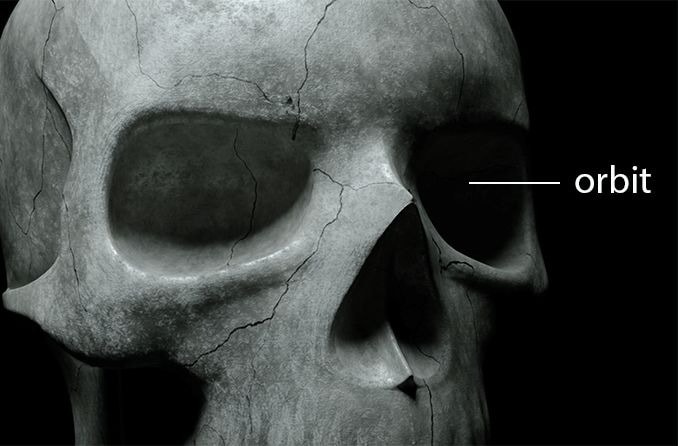

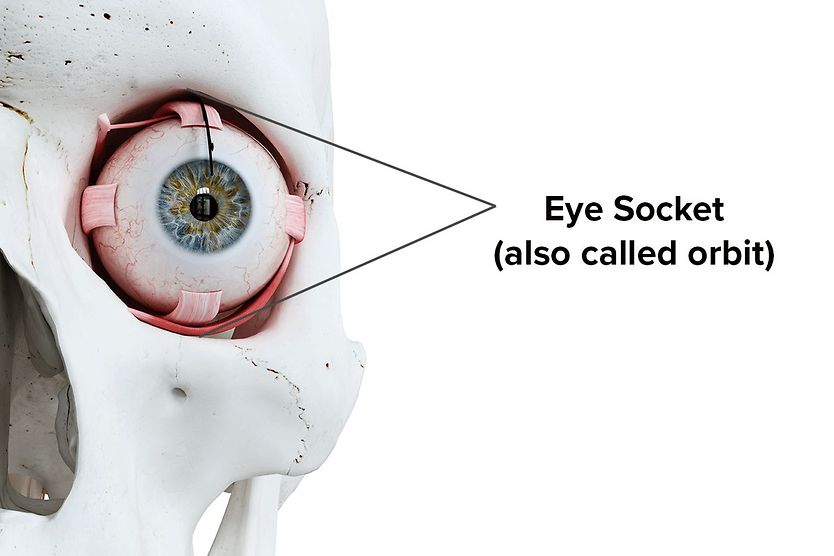
The “orbit” or “socket” of the eye encases the eye and helps protect its place in the skull. The structure of the orbit is made up of several orbital bones that provide a base for the eye so that it can perform its functions.
You might hear it called the "orbital bone" or "eye socket bone," but there are actually seven orbital bones that make up the orbit (eye socket). They are the frontal, sphenoid, ethmoid, lacrimal, palatine, maxilla and zygomatic bones. Each of these plays a role in keeping the eyeball protected.
Though small, the orbital bones are quite strong, helping to protect the eye inside the head.
What is the function of the orbit?
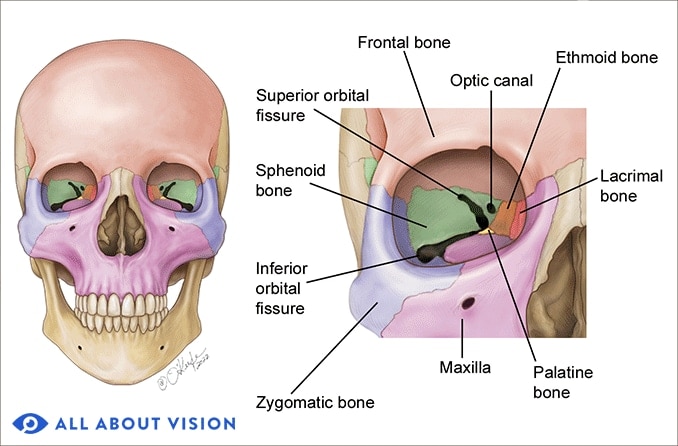
The main function of the orbit and orbital bones is to keep the eye protected and positioned properly within the skull. With the support of the orbital structure, the eye is able to move and function.
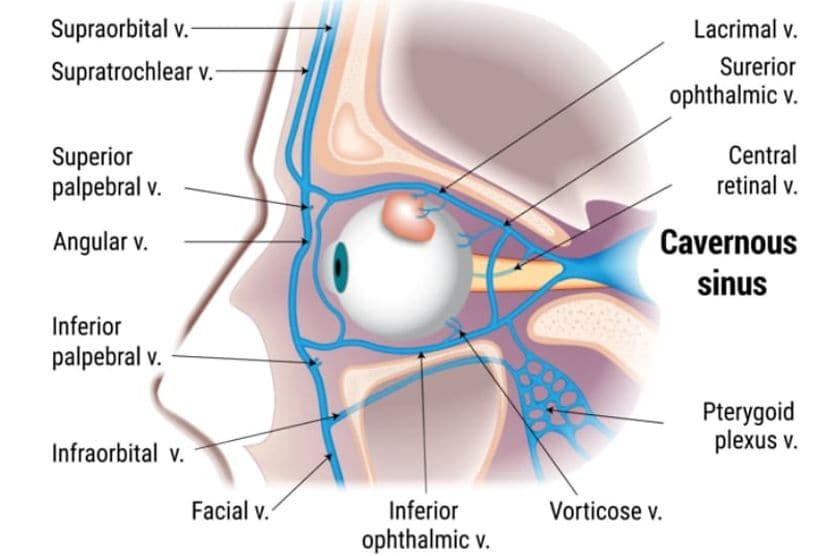
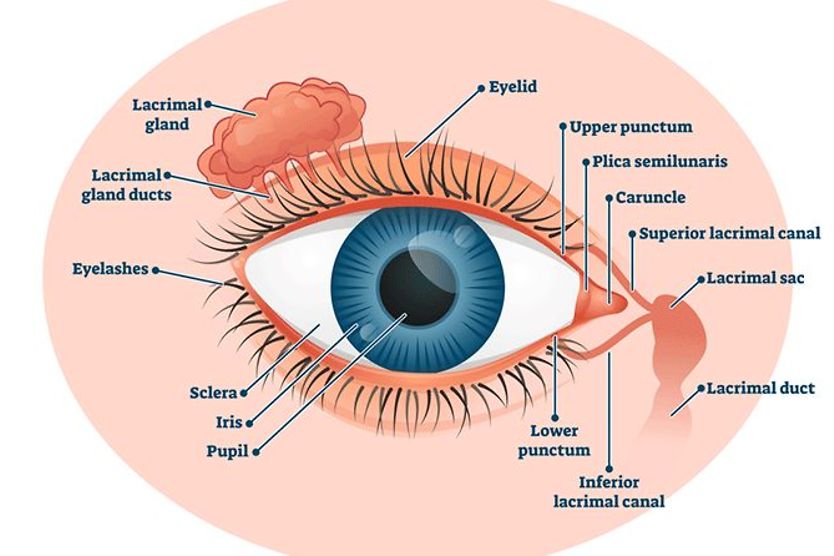
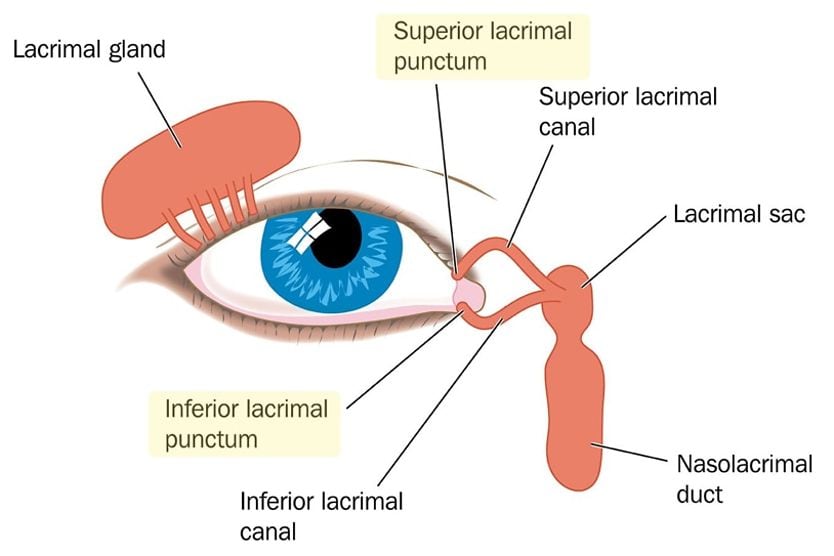
The structure of the orbit also connects the eye to the optic nerve and to critical veins and arteries, as well as to the tear duct, through several pathways.
READ NEXT: What is hypertelorism?
What is an orbital bone fracture?
An orbital bone fracture or break is what it sounds like: a broken orbital bone (or multiple bones). This is frequently the result of blunt force trauma. It may come in the form of an accident, such as a car wreck or being hit hard by a flying object (for example, a baseball during a ballgame). Broken orbital bones can also happen if you are struck in the face.
There are three main types of orbital fractures — blowout, orbital floor and orbital rim — in which any or all of the bones can be affected.
Blowout fracture
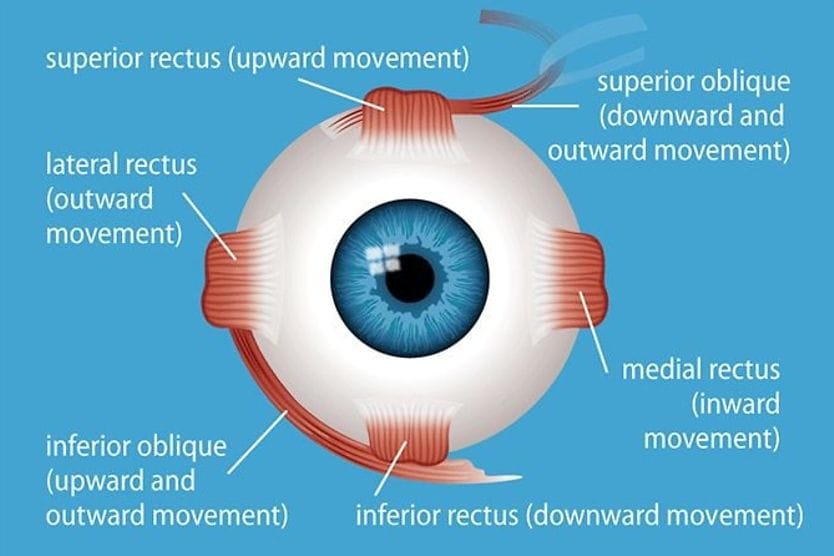
A blowout fracture can be the result of being hit in the eye with a baseball or a fist. This type of fracture affects the orbit’s inner wall and can impact the extraocular muscles that support the movement of the eye — which can make it difficult to move your eye properly.
Orbital floor fracture
Significant eye trauma can cause the orbital bone and surrounding structures to cave downward into the socket. Such trauma can also affect the surrounding eye muscles, which can make eye movement harder and possibly painful.
Orbital rim fracture
Orbital rim fractures typically result from car accidents and similar traumatic events. This type of fracture affects the outer part of the orbital bone and is usually caused by a great deal of force or impact. Depending on the manner of trauma, orbital rim fractures may be associated with other facial injuries.
SEE RELATED: Safety glasses and protective eyewear
How does an orbital bone fracture affect vision?
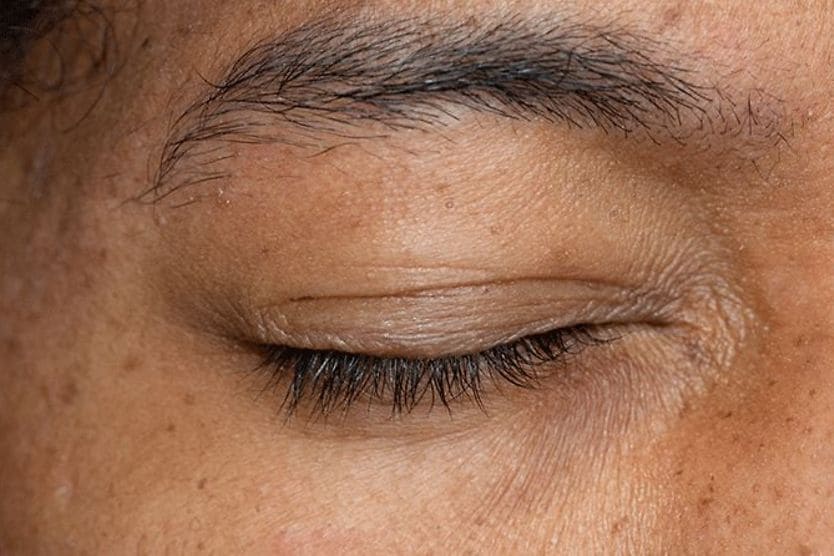
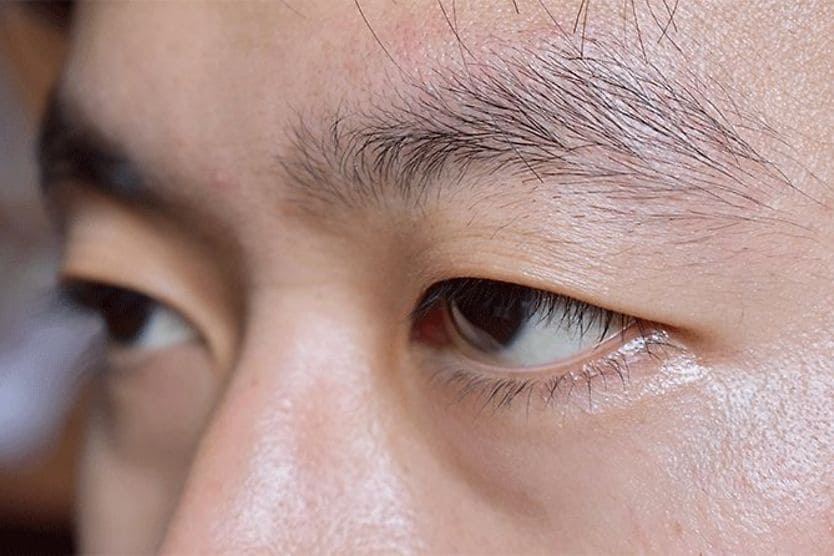
Depending on the severity, vision can be affected by an orbital bone injury or fracture. In general, orbital bone injuries can cause blurry vision and difficulty moving the eye. A broken eye socket may look like a black eye due to bruising around the eye.
More serious eye socket fractures can cause other symptoms, such as:
- Double vision
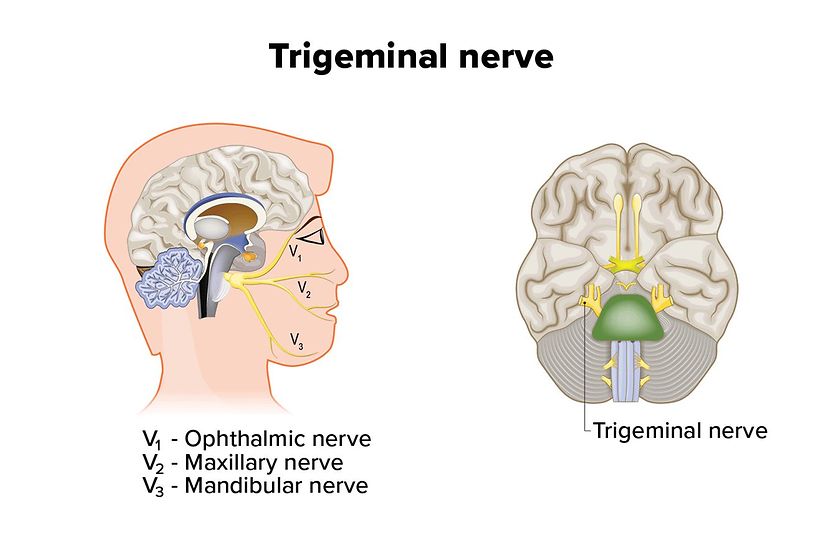
- Numbness
- Blood in the eye (subconjunctival hemorrhage)
- Swelling in and around the eye
- Eyeballs that are sunken or bulging
SEE RELATED: 7 common eye injuries and how to treat them
How is an orbital bone injury treated?
If an orbital bone or the area around it is injured, it should be checked by a doctor as soon as possible for signs of a fracture or break. Evaluating injuries to the orbital bones typically involves tests such as a CT scan, X-rays and other imaging.
While many cases may not require surgery for treatment, a doctor will determine a recovery plan based on how and where your orbital bone is broken. They may recommend antibiotics, decongestants, rest, and ice packs or other pain management before deciding on the next steps in your care. These can help reduce discomfort, swelling and the risk of infection.
If there are severe orbital bone fractures that impact the movement of the eye (or that cause the eye to be repositioned), a doctor will potentially make the decision to perform reconstructive surgery.
The bruising and swelling caused by an orbital fracture usually heals within seven to 10 days, while the fracture itself takes longer to heal completely — the exact time frame for recovery depends on the level of impact and severity of the injury.
Orbital bones: Crucial to supporting eye health
Orbital bones provide a “socket” within the skull for the eye to rest, allowing the eye to move and function properly. This structure is designed to provide protection for your eyes in the event of head trauma or injury, though sometimes the bones themselves can sustain a fracture.
A fractured eye socket can be a serious injury. While some mild fractures heal on their own with an eye doctor's guidance, other fractures need to be treated quickly.
If you have had a traumatic injury involving the orbital bones around your eye, it is important to seek immediate care from an emergency facility and your eye doctor.
When the eye is properly supported by the orbital structure, it can typically function on its own, connect to critical veins and arteries, and promote healthy overall vision.