What is the rarest eye color?

Exploring the rarest eye colors
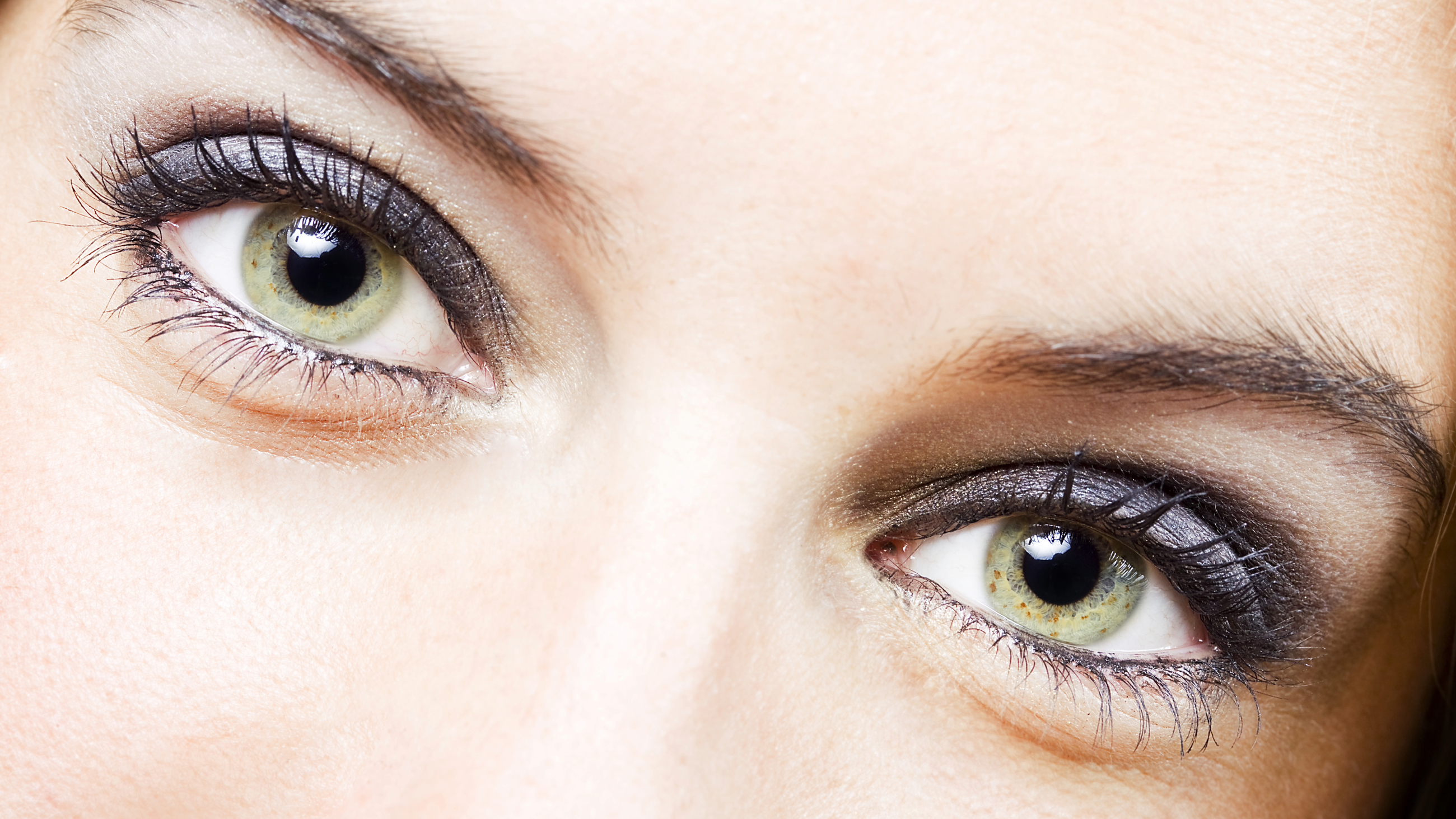
Green is the rarest eye color among the more common colors. Outside of a few exceptions, nearly everyone has eyes that are brown, blue, green or somewhere in between. Other colors, like gray, are less common than green, blue and brown.
Once upon a time, every human in existence had brown eyes. That certainly isn’t the case any longer.
The color of our eyes tends to play a big part in our self-image and, in some cases, can be a genetic throwback to our family tree. It can be hard to even imagine what you’d look like with a different eye color.
What causes your eye color?
Eye color is largely influenced by melanin levels and genetic inheritance. These factors work together to determine how the iris (the colored part of the eye) looks.
Melanin is the pigment that gives color to the eyes, skin and hair. The amount of melanin in the front layer of the iris has the biggest impact on eye color. Higher levels usually lead to darker eyes, such as brown, while lower levels allow lighter colors, like blue or gray, to appear.
Because several genes are involved, eye color is not always easy to predict. In fact, the largest genetic study of eye color to date identified 61 distinct regions of the genome linked to iris color. A child’s eye color does not come from a simple blend of their parents’ colors, and unexpected combinations can occur.
For most people, eye color becomes stable during early childhood. However, small changes can sometimes happen over time due to aging and certain health conditions.
SEE RELATED: How eye color develops and why it changes
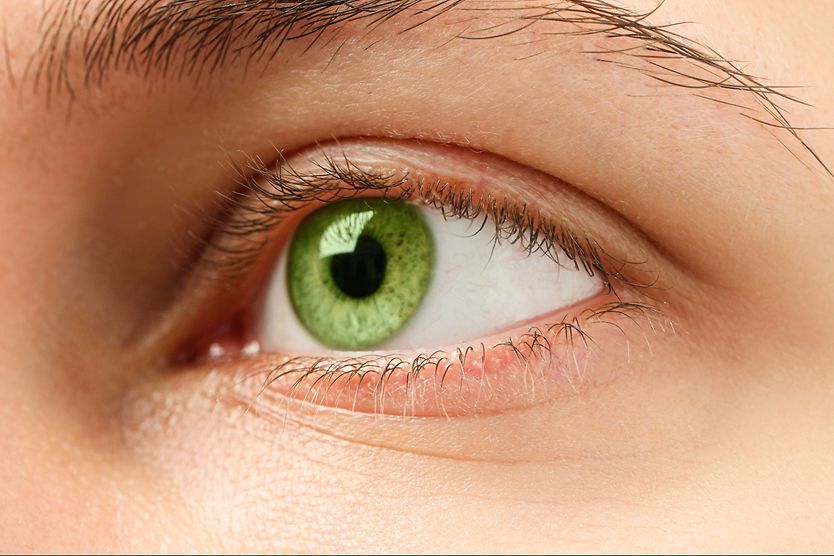
Green eyes
If you have green eyes, you’re in luck. They are one of the rarest eye colors among Americans. Fewer than one out of every 10 Americans (9%) has them.
And while 9% is indeed rare, green eyes have an even lower eye color percentage across the globe. Only 2% of the world’s population has green eyes.
Green eyes are most frequently seen in people with roots in Northern Europe. Ireland and Scotland have some of the highest rates of this eye color, along with other light-eye traits like blue.
Hazel eyes
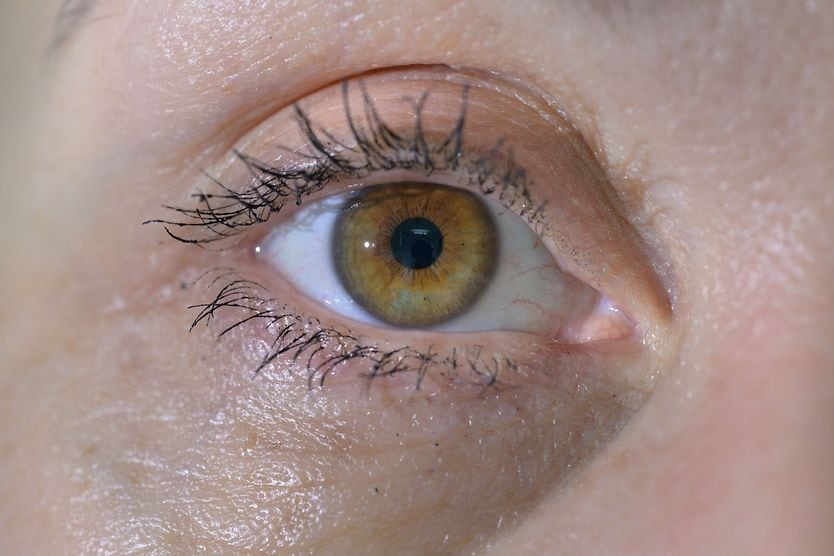
A blend of brown and green, hazel eyes represent around 10.3% of the American population. Hazel eyes are not an equal blend of colors, but they often include brown, gold or green in different amounts.
But like green eyes, hazel eyes tend to be much rarer elsewhere in the world. As a whole, only about 5% of the global population has hazel-colored eyes.
If you or someone you know has hazel eyes, you may have noticed the eye color “changing” from time to time. This is because the hazel pigment level has a unique ability to reflect light in strange ways, giving off the perception of a shifting iris color.
Blue eyes
If you have blue eyes, you’re related (sort of) to every other person who has blue eyes. About 14,000 years ago, someone in what is modern-day Europe was born with a genetic mutation, causing permanently blue eyes. Every blue-eyed person today is a distant descendant of this one, ancient human.
About 23.7% of Americans have blue eyes. Worldwide, however, blue eyes are much rarer. Only 8% to 10% of the global population has blue eyes.
Blue eyes are most frequently found in the Scandinavian region, where percentages are much higher than in many other areas. Some European countries also have pockets of populations with a greater share of blue-eyed residents. In countries like Iceland, blue eyes are the predominant eye color, found in nearly three-quarters of the population.
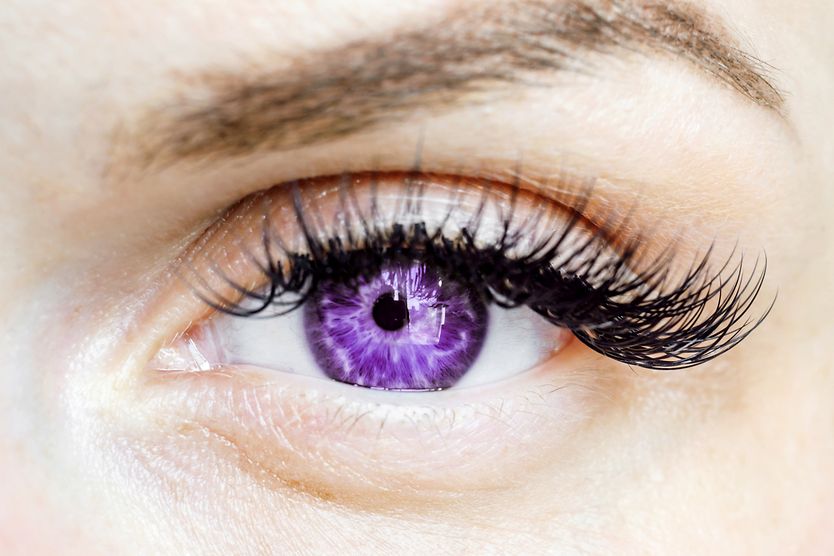
Violet eyes are even rarer, but they’re a bit misleading; someone with “violet” irises is usually sporting a special shade of blue. Light bounces off their surroundings and turns their eyes into a deceiving, yet breathtaking rendition of purple.
SEE RELATED: Is there a disease that causes purple eyes?
Brown eyes
If you have brown eyes, you have the most common eye color found in humans.
They may not be rare, but you can take pride in knowing you’re sporting the “original” eye color — the same one early humans in modern-day Africa had, hundreds of thousands of years ago.
To this day, brown eyes are overwhelmingly dominant in Africa and Asia.
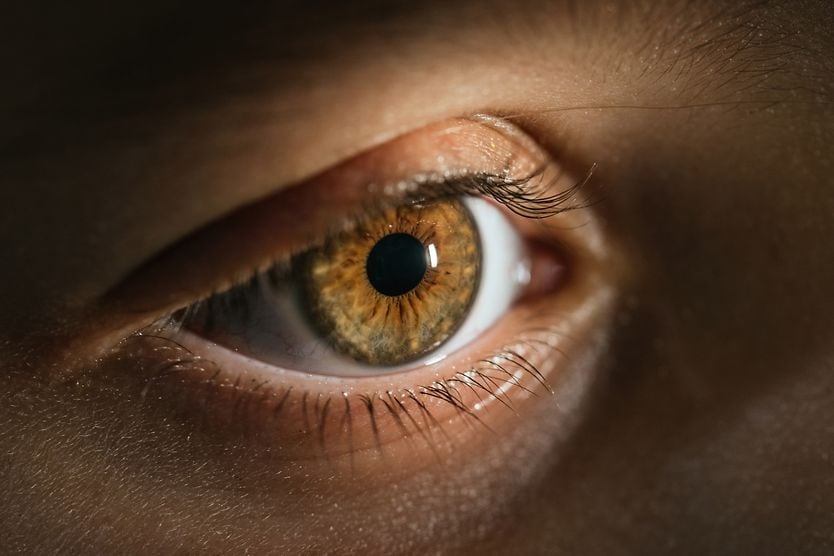
Over half of all Americans, and as many as 70% to 80% of people worldwide, have some variation of brown eyes. Colors can range from lighter, almost amber eyes to darker hues that almost seem to blend in with the pupil.
While some people may appear to have irises that are black, they don’t technically exist. People with black-colored eyes instead have very dark brown eyes that are almost indistinguishable from the pupil.
In fact, brown eyes are even the most common eye color in newborn babies. A common misconception is that most or all babies are born with blue eyes when, in reality, “blue” should be substituted with “brown.”
The Newborn Eye Screening Test (NEST) study found that 63% of babies were born with brown eyes, while only about 21% were born with blue eyes. Approximately 6% had hazel or green eyes, while just under 10% couldn’t be determined at the time of birth.
Gray eyes
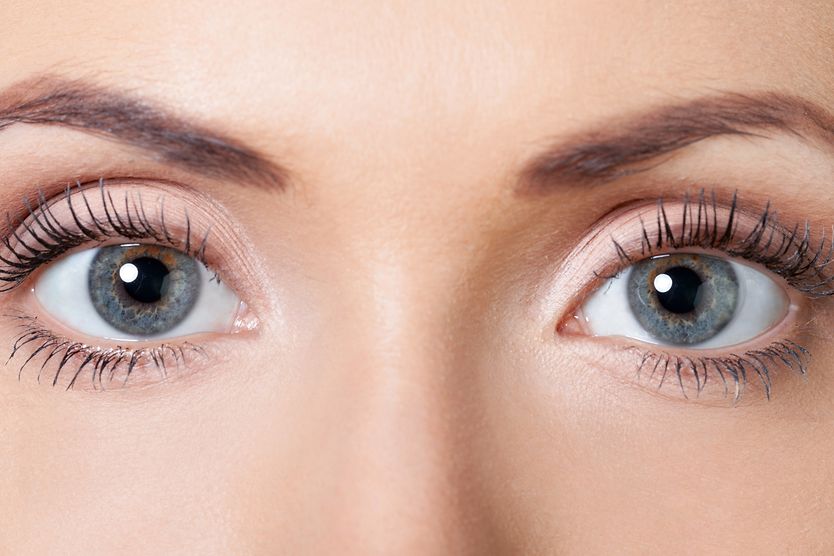
Gray eyes are one of the least common eye colors worldwide. In the United States, the number is even lower at roughly 0.7%. Their rarity makes them stand out compared to more common shades, like brown or blue.
This eye color is linked to very low amounts of melanin in the iris. People with gray eyes also tend to have higher levels of collagen in the stroma, which is a layer of tissue in the eye. Light scattering off this tissue creates the gray appearance.
Red eyes
People who have albinism lack most or all melanin, giving their skin, hair and eyes a very light appearance. This often results in light blue eyes but can rarely show as pink or pale red-colored eyes when a complete absence of melanin causes tiny blood vessels to become visible.
Only one in every 18,000-20,000 people has a form of albinism, and even fewer have red-tinted eyes.
What can affect your eye color?
Eye color usually stays the same after around six months of age, but certain factors can change how it looks over time. Some changes are not cause for concern, while others may be linked to cosmetics or health conditions.
Common factors that can affect eye color include:
- Heterochromia – When a person has two different eye colors or variations within the same iris. This can be present from birth or develop later.
- Arcus senilis – A gray or bluish ring that forms around the outer edge of the cornea, which can happen with age.
- Medications – A few prescription eye drops, such as those used for glaucoma, can darken the iris with long-term use.
- Colored contact lenses – Cosmetic lenses can temporarily change eye color, even for people who do not need vision correction.
Does your eye color affect your eye health?
Beyond appearance, iris color has a few practical implications worth knowing. Lighter eyes (blue, green and gray) can let more light into the eye and are linked with greater light sensitivity. It is recommended that people with lighter irises may benefit from UV-blocking sunglasses outdoors.
Research has also found that people with lighter iris colors have a higher relative risk of uveal (ocular) melanoma, a rare but serious eye cancer, compared with people who have brown eyes. This doesn’t mean lighter-eyed individuals will develop melanoma. It’s one of several known risk factors, but it’s a good reason for anyone with light-colored eyes to keep up with annual comprehensive eye exams.