Eye discharge: White vs. yellow vs. green

What is eye discharge, and why can it be different colors?
Eye discharge (also called eye boogers, goop, gunk and sleep) can be a normal part of eye health. But while it’s common to wake up to a bit of eye mucus in the corners of your eyes, discharge of a certain color, consistency or amount could indicate an eye infection or other condition.
Eye mucus can be clear or occur in various colors, ranging from white and yellow to green and other hues. However, color alone cannot diagnose the cause of eye discharge. Any changes in normal eye discharge should be checked by your eye doctor, especially if it’s accompanied by eye pain, redness or vision changes.
Clear or watery eye discharge
A small amount of clear or watery eye discharge is normal, especially upon waking. This is the product of your tear film clearing dust and other cellular debris from the surface of your eyes. Some of this discharge may be the oil from the meibomian glands in your eyelids and mucus from the conjunctiva that remains after the watery component of your tears evaporates. The conjunctiva is the clear layer covering the white of your eye and inner eyelids.
Excessive watery discharge is the overproduction of the watery component of tears, which is produced by the lacrimal glands. Tearing is a normal defense mechanism used to clear the eyes of irritants or allergens or reduce dryness. However, excessively watery eyes should be temporary and not occur frequently.
Abnormal watery discharge is often associated with eye redness, itching, burning or light sensitivity. This type of discharge can be caused by eye infections from viruses, like viral conjunctivitis (pink eye), and eye allergies, among other conditions.
White eye discharge

A whitish discharge from the eye upon waking is often part of tear-film debris and can also be normal. However, a thicker, sticky or persistent white discharge — which some people refer to as “constant white eye boogers” — can be a sign of an eye problem. It’s especially concerning when accompanied by eye redness, pain or blurred vision.
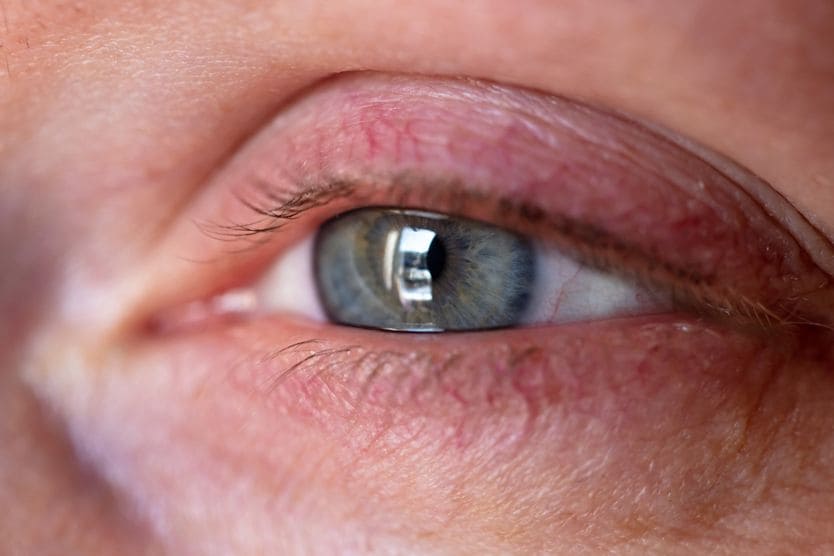
White eye discharge can be caused by conditions, such as conjunctivitis or blepharitis (inflammation of the eyelids). Dry eye syndrome may also cause stringy white discharge along with watery eyes and other issues.
Any of these signs and symptoms should be evaluated by an eye doctor.
Yellow eye discharge

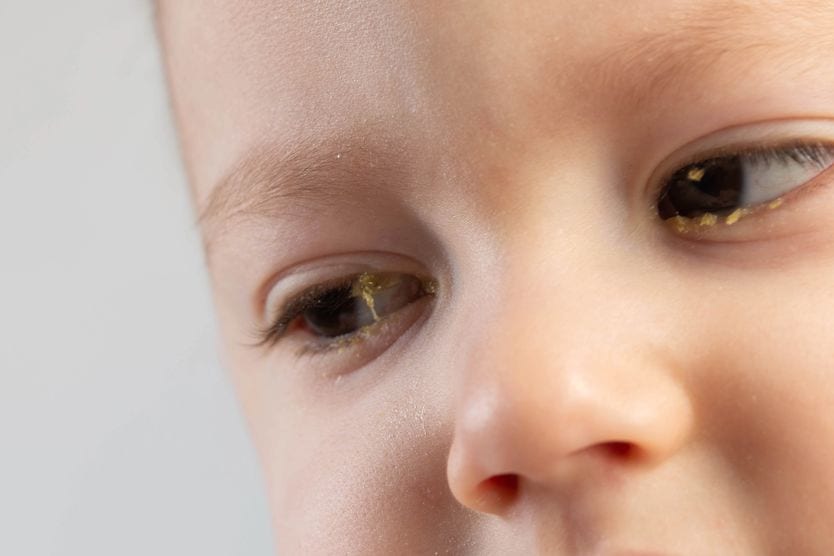
Yellow discharge from the eye, which some people refer to as “yellow tears,” is usually a result of bacterial causes. This type of discharge may be thick or sticky and often indicates an underlying infection or tear-drainage issue.
Thick yellow discharge may be caused by bacterial conjunctivitis, which is often very contagious. This discharge is often sticky and may also appear white or green.
Crusty yellow debris or flakes along the base of the eyelashes may be a symptom of blepharitis caused by bacteria, eyelash mites, eyelid gland problems or skin conditions.
The appearance of yellow eye mucus may also be a sign of a stye. This is a painful red bump that develops on or under the eyelid when the eyelash follicles or oil glands become clogged and infected. The yellow spot in the center of the stye — which sometimes looks like a pimple — can contain yellow pus. But don’t try to pop it! The majority of styes tend to resolve on their own.
Yellow eye discharge can be a sign of dacryocystitis, an infection of the tear duct that affects the tear drainage system. It may also appear with a red, painful bump near the duct. This is a medical condition that requires prompt medical attention.
Green eye discharge
Green or yellowish-green discharge is also typically the result of bacterial eye infections, such as bacterial keratitis. This is an infection of the cornea, the clear, dome-shaped surface at the front of the eye. It may also be related to other underlying causes, including corneal conditions and contact lens wear.
Other common causes of green eye discharge include:
- Conjunctivitis
- Blepharitis
- Dacryocystitis
- Infected styes
Green eye discharge usually appears thick and pus-like. This type of discharge should be evaluated promptly and warrants same-day eye care from your eye doctor.
Other unusual colors
Blood-tinged, brown, gray or foul-smelling discharge is a warning sign that may indicate more serious problems, such as:
- Significant inflammation
- A foreign body in the eye
- Eye injury
- Severe eye infection
Seek urgent eye care or emergency medical care if you experience eye discharge with any of these characteristics.
What to do if you notice unusual eye discharge
If you notice colored or white goop in your eye, or other changes in your normal eye discharge, it’s important to have it checked promptly. This could be a sign of an eye infection or other problem that requires immediate care.
In the meantime, the following tips may help reduce the risk of further issues:
- Wash your hands thoroughly and frequently.
- Clean your eyelids and eyelashes carefully using a clean washcloth moistened with warm water for each eye. For crusted or stickier discharge, allow the cloth to sit in place for a few minutes.
- Stop wearing your contact lenses until your eye doctor says it’s safe to do so.
- Never wear your contacts for longer than prescribed.
- Clean and care for your contact lenses and case exactly as recommended by your eye care provider.
- Avoid wearing makeup around your eyes until the condition is resolved and your eye doctor says it’s safe to resume.
- Wash pillowcases, bedding and towels in hot water on a regular basis.
- Refrain from sharing towels, pillowcases, makeup and other personal items with others.
It’s also recommended to avoid self-treating suspected eye infections or conditions with leftover eye drops or other medications, as they could be expired or contaminated with bacteria or other microbes. Do not delay or avoid seeking care, especially if your symptoms are severe, persist or worsen.
When to call an eye doctor
While having some eye discharge may be normal, it could also indicate a condition that needs prompt medical attention. Contact your eye doctor immediately if you experience:
- Thick yellow or green discharge.
- Blood-tinged, brown, gray or foul-smelling discharge.
- Discharge that develops after a recent eye surgery or injury.
- Abnormal discharge that does not improve in a day or two.
- Discharge that occurs along with acute eye pain, swelling, light sensitivity or sudden vision changes.
Your eye doctor can perform an eye exam to determine the cause of the discharge and whether treatment is needed.