Goopy eyes: Causes and treatment

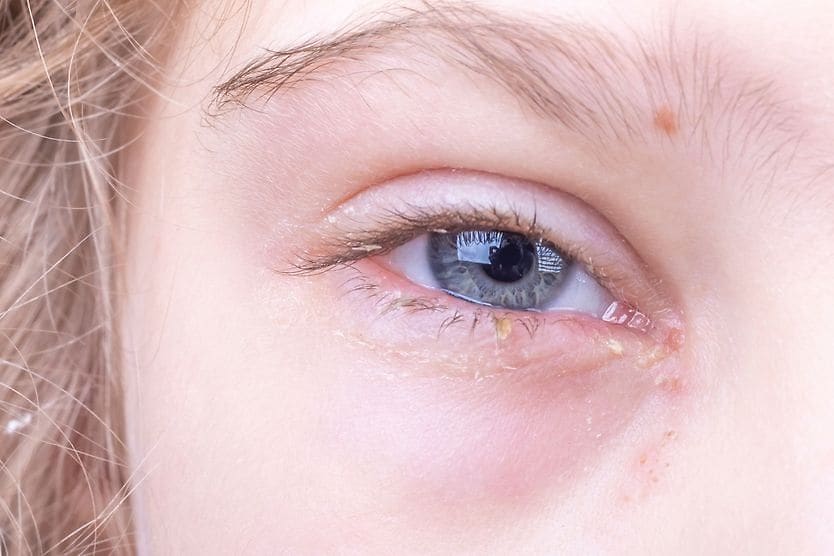
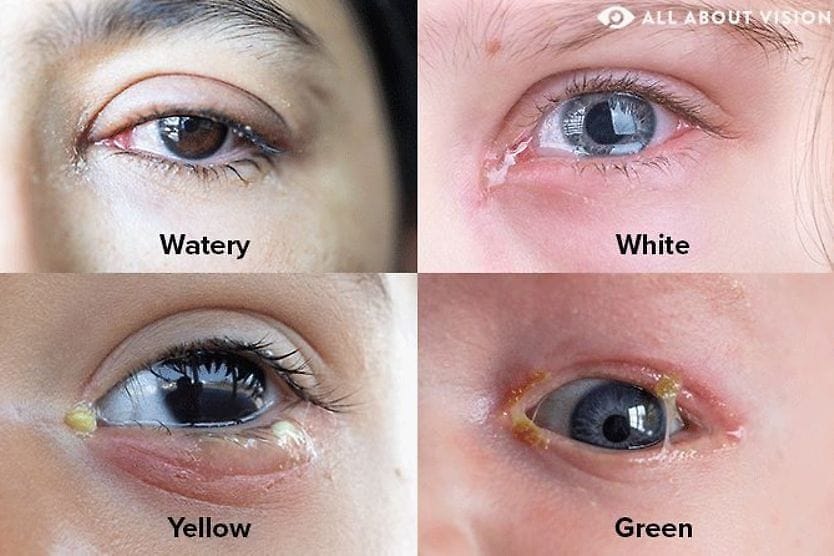
Goopy eyes can occur for many reasons, including allergies, eye injuries and dry eyes. While it is normal to wake up with “sleep” or crustiness in your eyes, a significant amount of eye discharge at any time of the day could be a sign of an infection. This discharge can be clear, white, yellow or green, depending on the particular cause.
If you experience goopy eyes for more than a few days, or if goopy eyes are accompanied by other symptoms such as redness or discomfort, it is recommended to consult an eye doctor for assessment and treatment. It is important to treat eye infections as soon as possible, as many are highly contagious and can lead to further problems.
What causes goopy eyes?
Eye discharge can develop for a number of reasons, such as infection, allergies, injury or in reaction to some kind of irritant. Some common causes of goopy eyes may include:
Stye
A stye is a raised, pimple-like bump located on the base of the eyelid and is typically caused by an infected eyelash follicle or oil gland. Styes often may be accompanied by redness, swelling and discharge, specifically yellow pus that may appear upon blinking.
Pink eye
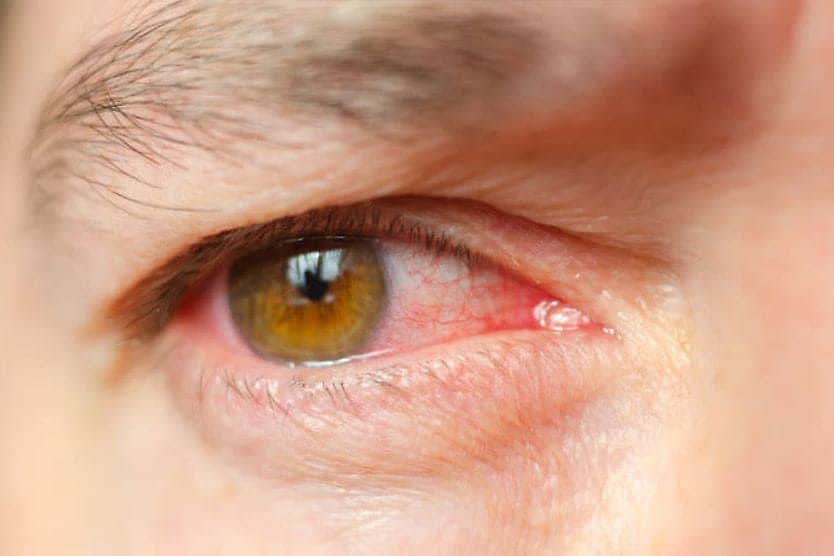
Goopy eye discharge is a common symptom of bacterial and viral pink eye (conjunctivitis). This type of discharge is often yellow or green and may be produced more during sleep. Both bacterial and viral conjunctivitis are very contagious, making it even more important to boost your efforts to prevent the spread of pink eye to others. While bacterial conjunctivitis is typically treated with antibiotics, viral pink eye is often left to resolve on its own.
Allergic conjunctivitis — caused by allergens and irritants such as smoke, pollen, chemicals or pet dander — is not contagious, but goopy eyes may still occur during a flare-up. Many cases of allergic conjunctivitis can be treated with various home remedies such as avoiding the allergen or taking over-the-counter allergy medications or eye drops, but if symptoms persist, it is recommended to see an eye doctor.
Allergic reaction
In addition to environmental and seasonal allergens that can lead to allergic conjunctivitis, an allergic reaction can cause goopy eye discharge. Some eye allergy triggers can include:
- Cosmetics
- Facial cleansers
- Contact lenses and contact solutions
If you suspect you’re having an allergic reaction, it is recommended to stop using (and discard) any suspected triggers and monitor your symptoms in case an infection starts to develop.
Dry eyes
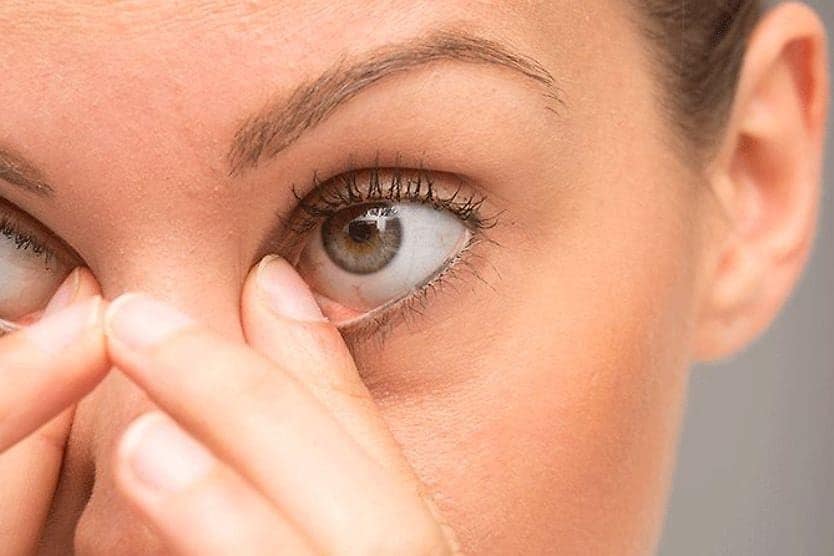
Dry eye and insufficient tear production can result in dry eye syndrome, which can cause inflammation and irritation, along with watery discharge or goopy eyes.
Blocked tear ducts
A blocked tear duct can cause tears to drain improperly, leading to inflammation or infection of the tear (lacrimal) sac (also called dacryocystitis). Sticky eye discharge and other symptoms may result.
Blepharitis
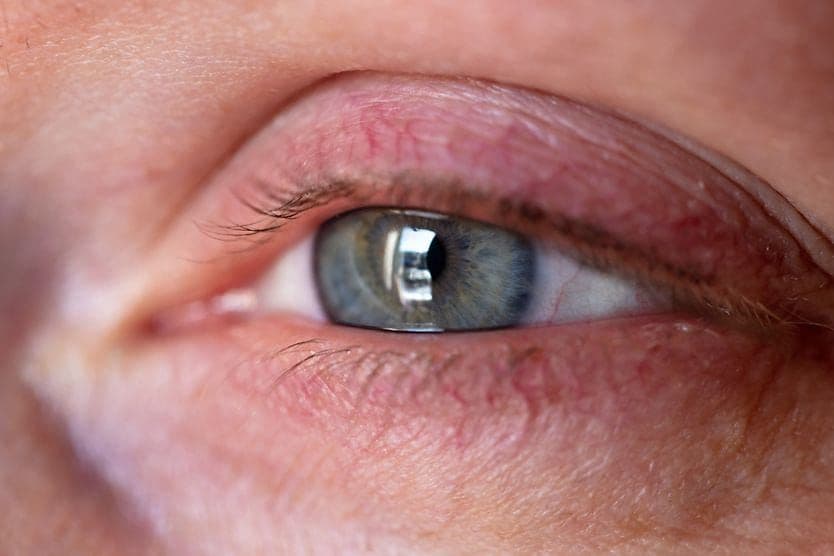
Blepharitis is inflammation of the eyelids that may lead to eye redness, itchiness and crusty discharge. Blepharitis is often caused by a skin condition such as rosacea or dandruff, but it can also be caused by bacteria.
Some cases of blepharitis — and a related condition called meibomian gland dysfunction (MGD) — can also cause a foamy green or yellow discharge in the eyes.
Eye injury
An eye injury caused by a foreign object, debris, chemical, dust or dirt can cause the eye to secrete discharge as part of the body’s natural defense system.
It is important to contact an eye doctor immediately in the event of any eye injury — especially if you experience bleeding (subconjunctival hemorrhage) in addition to pus in or around the eyes.
Corneal ulcers
A corneal ulcer can occur when the cornea becomes infected, typically due to an injury or untreated eye infection. In addition to eye pain, redness and swelling, a thick eye discharge may be present.
Note: Corneal ulcers can lead to permanent vision loss or damage if left untreated, so it’s always important to see an eye doctor as soon as possible if you notice any pain in your eyes or dramatic changes in your vision.
How to treat goopy eyes
Some mild cases of goopy eyes can be cared for at home. However, it is recommended that severe eye discharge, eye discharge with additional symptoms or eye discharge should be evaluated by an eye doctor for treatment.
Caring for goopy eyes at home
- Over-the-counter antihistamines or decongestants for allergy-related problems
- Over-the-counter artificial tears (preferably preservative-free)
- Warm compresses
Prescribed treatment for goopy eyes
Your eye doctor might recommend:
- Antibiotic or antiviral eye drops
- Antibiotic or antiviral eye ointments
- Alternative treatment depending on the underlying cause
General care for goopy eyes
Whether or not treatment for your condition requires doctor-prescribed medication, there are some general recommendations that may help when caring for goopy eyes:
- Keeping your eyes and the surrounding area clean
- Refraining from touching or rubbing your eyes
- Washing your hands frequently
- Taking a break from wearing contact lenses
- Using your own towels and linens (avoiding sharing with anyone else)
- Taking a break from makeup and discarding any contaminated cosmetics
- If allergies are to blame, steering clear of irritants
Goopy eyes in infants
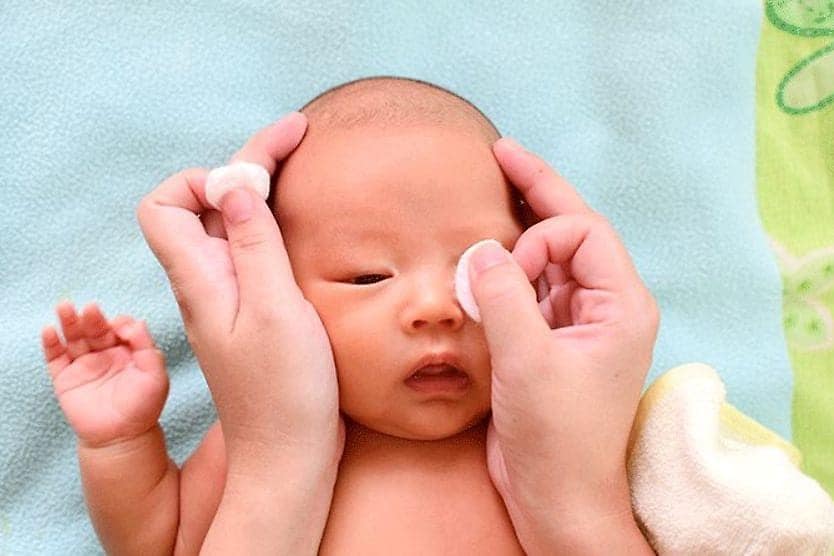
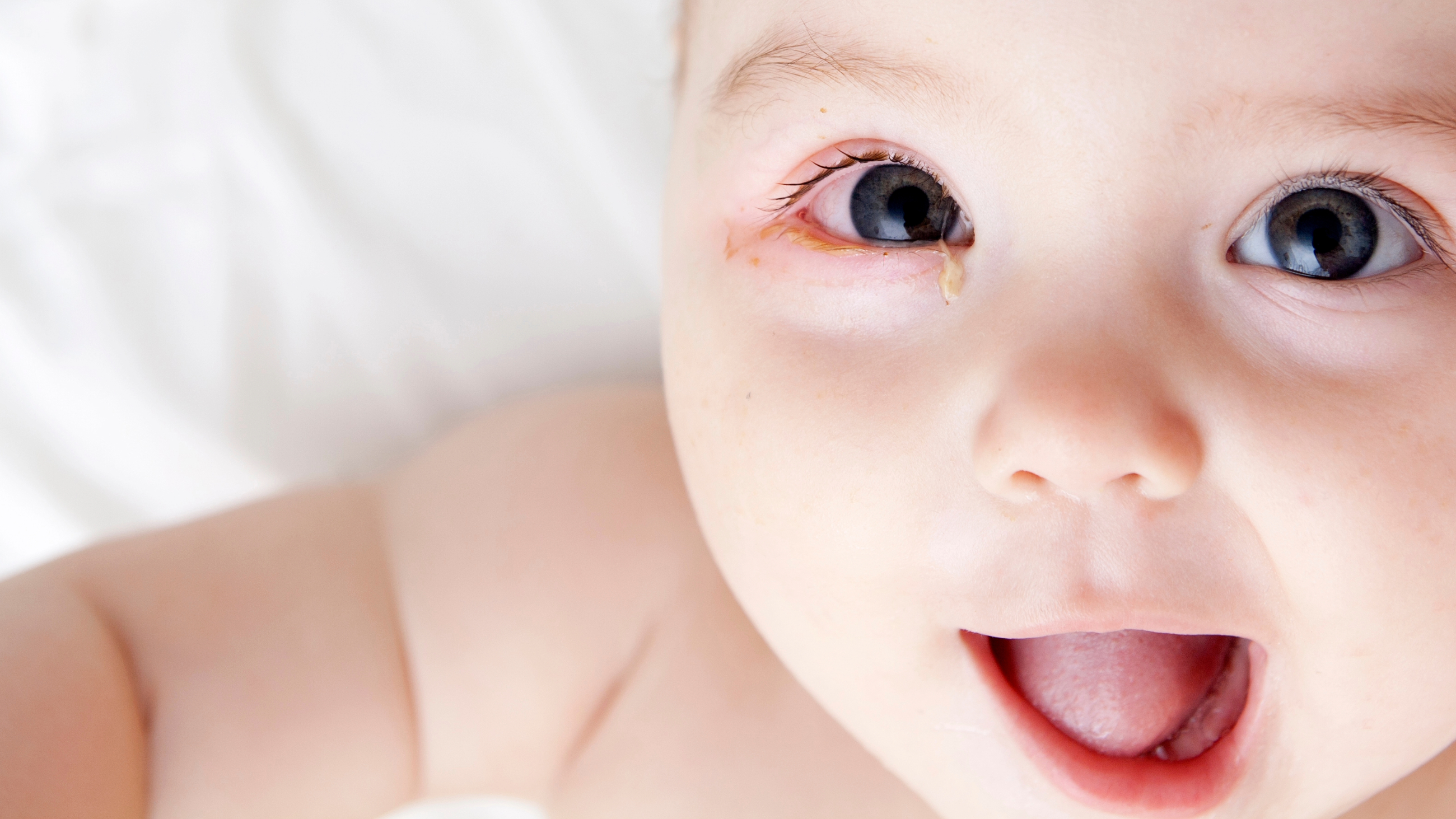
Many babies are born with blocked tear ducts, which can cause tears to drain improperly and lead to watery eyes or mild eye discharge in toddlers and babies. This discharge may be relieved by keeping the area clear with a clean, damp washcloth. Gently massaging the area may also help unclog your baby’s tear ducts.
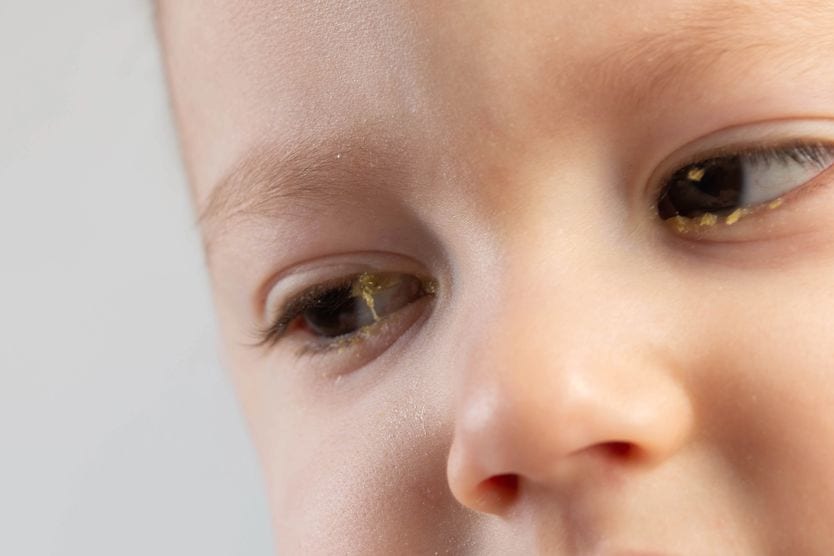
However, discharge that appears gooey and green or yellow could be a sign that your baby has an eye infection called congenital dacryocystitis. In this case, it is recommended that your baby be evaluated by an eye doctor as soon as possible. It may be helpful to take note of other symptoms that may occur, such as swelling and redness, and report this to your child’s eye doctor as well.