Red light therapy: Damaging or helpful for eyes?

On this page
How does red light therapy affect eyesight?
What is red light therapy?
Red light therapy for eye health
Red light therapy for retina health
Red light therapy for glaucoma
Is red light therapy safe for my eyes?
On this page
How does red light therapy affect eyesight?
What is red light therapy?
Red light therapy for eye health
Red light therapy for retina health
Red light therapy for glaucoma
Is red light therapy safe for my eyes?
How does red light therapy affect eyesight?
Red light therapy is popularly used to improve the feeling and appearance of the skin. It promises to treat acne, wrinkles, scarring and even signs of aging on the face — but can it protect aging eyes? Some studies say yes, but researchers are still trying to understand the benefits.
What is red light therapy?
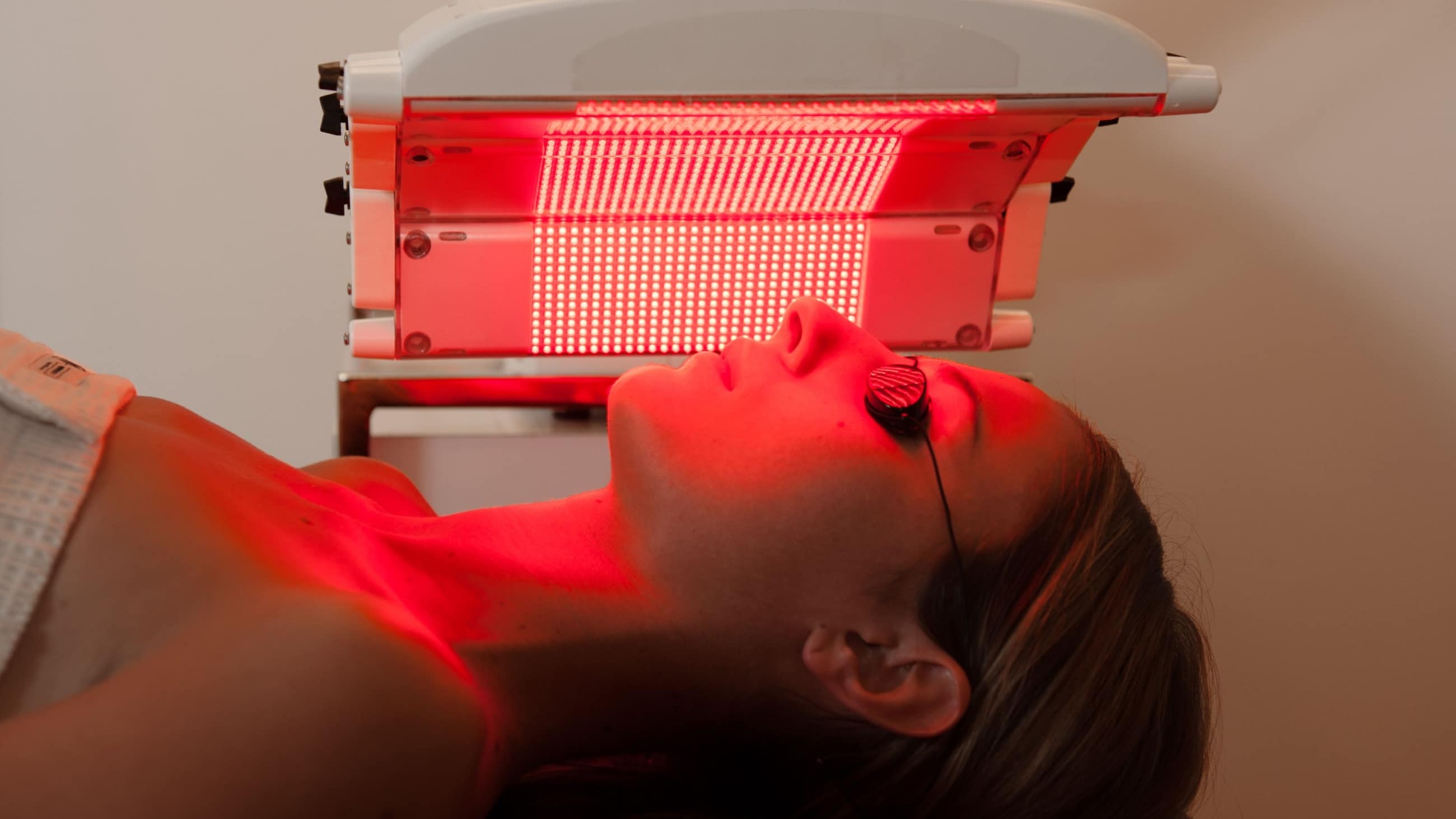
Red light therapy involves exposing the skin to red light-emitting diode (LED) light to target unwanted skin features such as acne, wrinkles and age spots. This is done using devices such as LED masks (also called light therapy masks). However, at least one LED mask model has been recalled due to concerns over eye safety.
Research has found that different types of light hit the skin at different depths. For example, red LED light triggers special skin cells called fibroblasts, which produce collagen — the protein that aids in the recovery of damaged skin.
While red light therapy is most commonly used for repairing blemished skin, other studies have suggested that it may also improve eye health. While FDA-authorized light therapy systems exist for certain eye conditions, such as dry age-related macular degeneration (AMD), these clinical devices can only be used under medical supervision.
Red light therapy for eye health
A quick online search on “how to use red light therapy for eyes” may present several procedures and reasons for using them. You may come across things such as red light therapy for dry eyes or red light therapy for retina health.
Here’s what the latest research shows:
Red light therapy for dry eyes
Those who struggle with dry eyes due to meibomian gland dysfunction (MGD) may benefit from red light therapy, according to some studies. In one clinical trial, researchers looked at whether low-level light therapy (also called photobiomodulation or PBM) could help people with dry eye disease. Adults with dry eye received a series of LED light treatments around the eyes over several weeks, while another group received a placebo treatment.
After four weeks, people who had the light therapy showed improvements in symptoms, tear production, and certain signs of eye surface health. The study found these benefits occurred without serious side effects, suggesting that low-level light therapy might be a safe and helpful option for improving dry eye symptoms.
Another trial found that low-level light therapy treatment improved symptoms of dry eye. While these are promising results, additional studies are still needed to understand the potential benefits and risks.
Red light therapy for retina health
Located at the back of the eye, the retina and its photoreceptors (the rods and cones that sense light and color) are especially susceptible to the effects of aging. So, can red light eye therapy protect your vision long-term?
Research suggests that light therapy may help by improving how retinal cells produce energy and by reducing harmful changes in the eye. In clinical studies, people with early-to-intermediate dry age-related macular degeneration who received light therapy showed promising results:
- Less progression toward severe vision loss
- Fewer drusen (the waste deposits that build up in AMD)
- Improved vision on eye charts (in some cases)
This approach is FDA-authorized for patients with early-to-intermediate dry AMD, but it's not a cure and it’s currently performed only under the supervision of an eye care professional. It has not been studied or cleared for wet AMD.
Light therapy for AMD is non-invasive and usually painless, taking only a few minutes per eye in a medical setting. Researchers are still learning more about which patients benefit most and how often treatment should be repeated.
Red light therapy for glaucoma
Recent studies have explored the effects of red light therapy for glaucoma, such as photobiomodulation therapy, but it is not yet a standard glaucoma therapy. Research in this area is ongoing. Scientists are still working to better understand who may benefit most and how these treatments should be used in the future.
SEE RELATED: What is color vision?
Is red light therapy safe for my eyes?
Despite positive findings, ophthalmology experts say there's not enough research to prove that using red light therapy around the eyes is 100% safe and effective for everyone. Since things are uncertain, it’s important to take precautions before beginning any red light treatments, whether at home or in a doctor’s office.
Until more research is done, consider that there may be risks in red light exposure. And always talk to your eye doctor before beginning any kind of treatment on your eyes.
For the time being, be sure to protect your eyes from known harmful light sources such as ultraviolet (UV) rays, and don’t forget to schedule your yearly comprehensive eye exam.
On this page:
How does red light therapy affect eyesight?
What is red light therapy?
Red light therapy for eye health
Red light therapy for retina health
Red light therapy for glaucoma
Is red light therapy safe for my eyes?
On this page:
How does red light therapy affect eyesight?
What is red light therapy?
Red light therapy for eye health
Red light therapy for retina health
Red light therapy for glaucoma
Is red light therapy safe for my eyes?