Retinal tear surgery
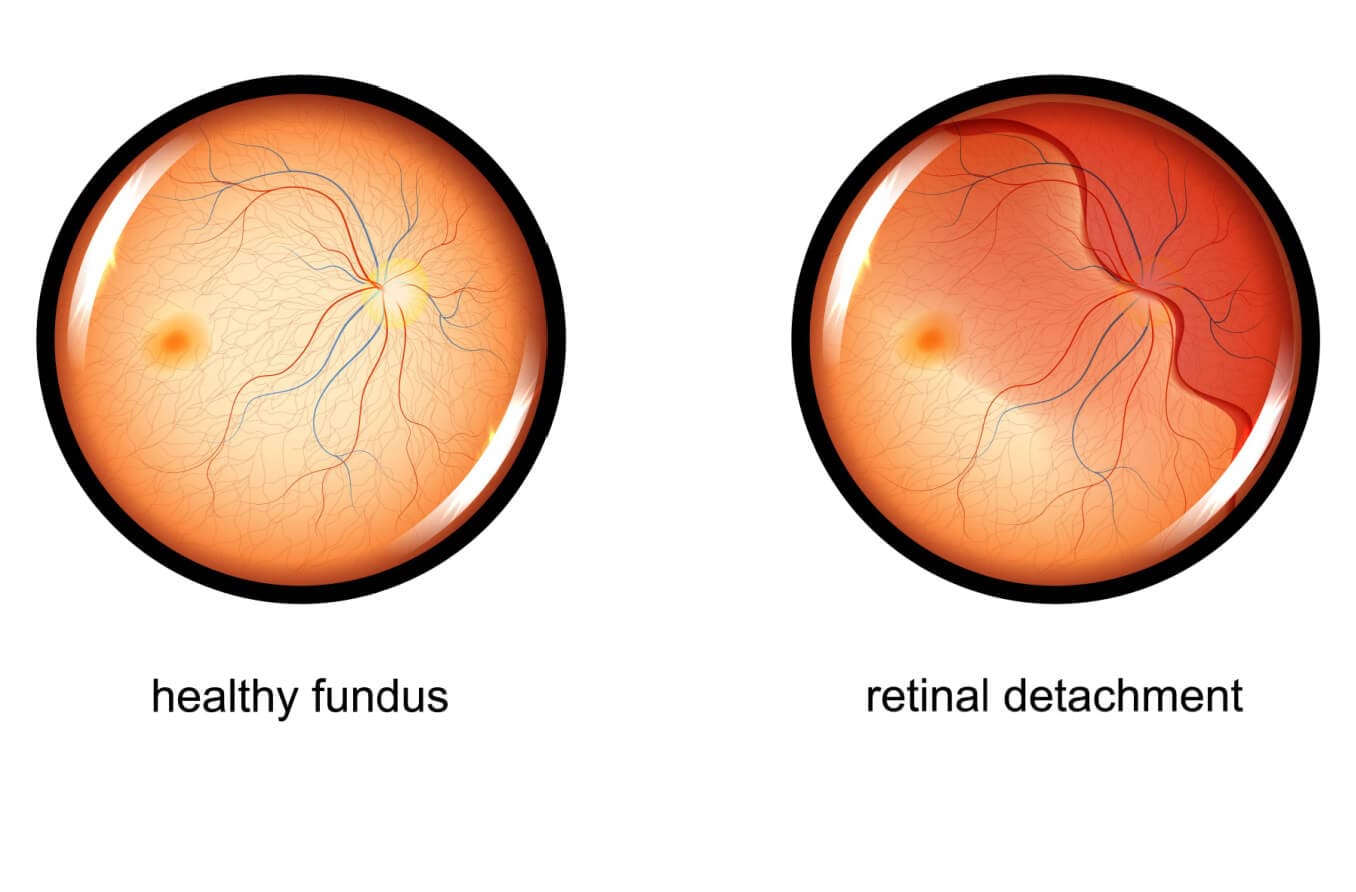
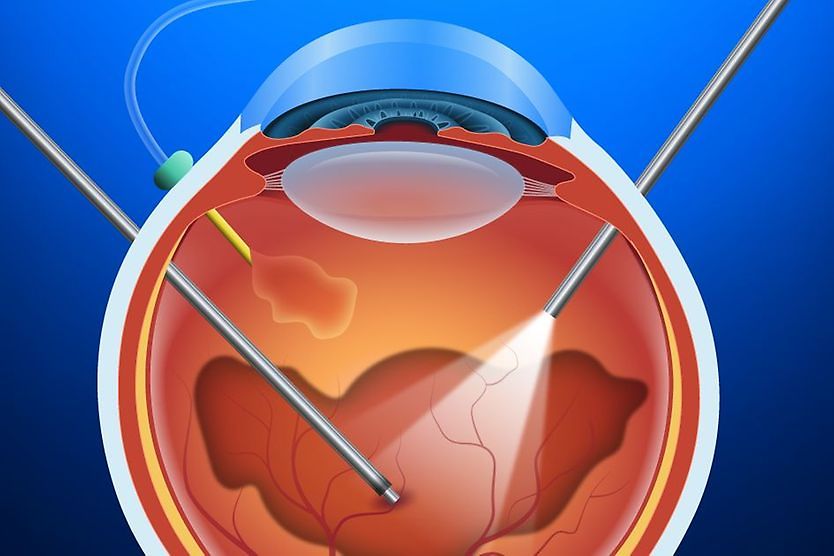
When a portion of the retina is ripped or torn, retinal tear surgery may be needed.
A retinal tear happens when a small part of the retina comes loose from the back of the eye. Retinal tears usually happen when the gel-like fluid (vitreous) that fills the back of the eye pulls on the retina. This is called posterior vitreous detachment.
Retinal tears can sometimes heal on their own, but still need to be closely monitored. If surgery is recommended but a tear is left without treatment, it can lead to retinal detachment and potential vision loss.
When retinal tears are diagnosed and treated early, the outlook is usually very good.
SEE RELATED: Symptoms of a retinal tear
Retinal surgery is typically done in an ophthalmologist’s office or at a surgical center. It’s performed under local anesthesia to help prevent discomfort, and you may be given medication before the procedure to help you relax.
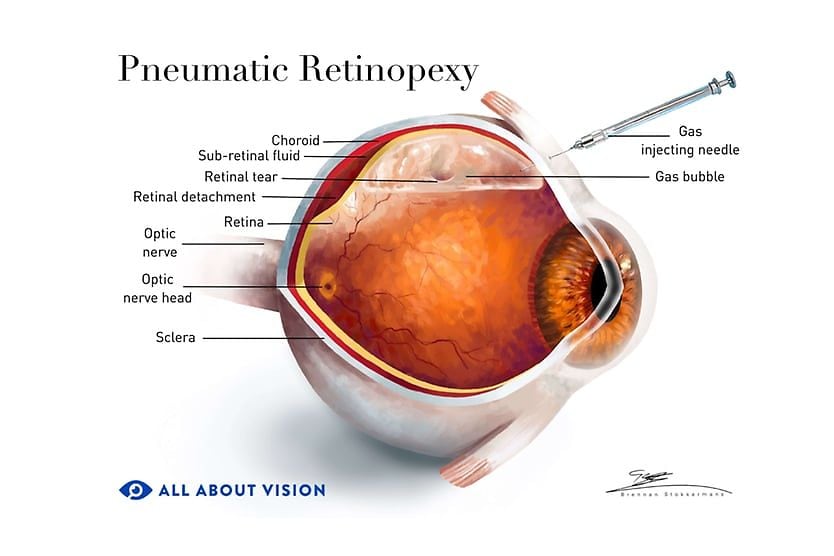
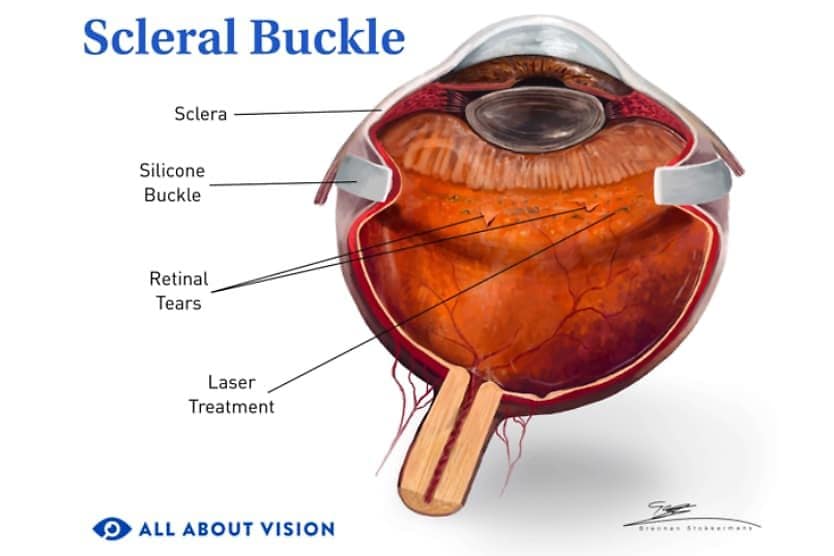
When a retinal tear needs to be treated, a retina specialist will usually use one or both of the following procedures:
Laser photocoagulation
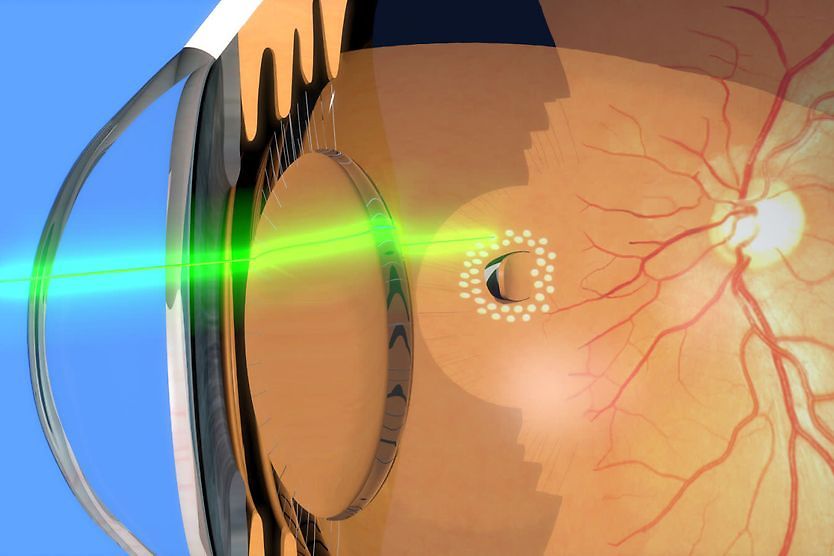
Laser surgery for a retinal tear involves using a high-beam laser to create scar tissue around the edges of the tear. Your eye will be numbed beforehand.
The new scar will help the area of torn retina reattach to the back of the eye and heal over the coming days. This operation can reduce the risk of a future retinal detachment by helping to prevent vitreous fluid from getting under the tear.
After surgery, you will need to have someone drive you home. You will probably be asked to limit your movement for a period of days or weeks, depending on your condition.
After-effects of laser surgery are usually mild and go away within a week. They often include slightly blurry vision and some discomfort. Your eye doctor may prescribe oral medication or eye drops to help.
SEE RELATED: Retinal laser photocoagulation
Cryotherapy
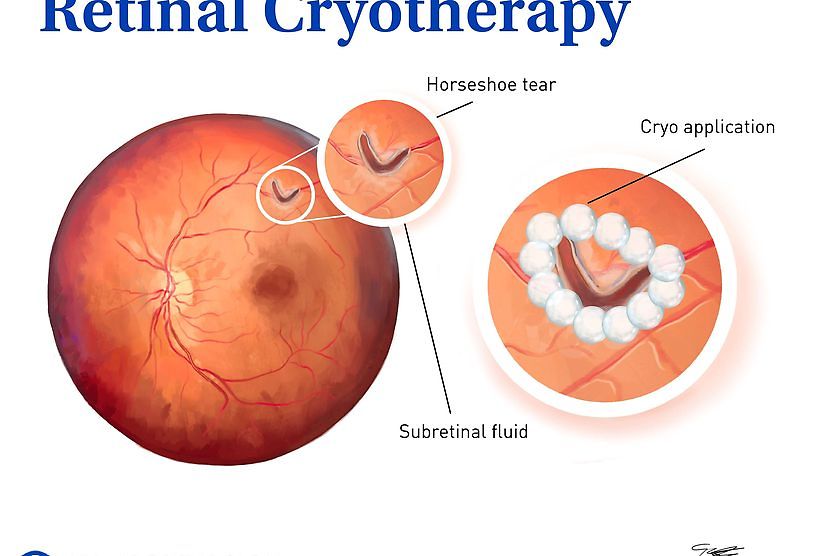
As with laser surgery, the goal of cryotherapy (cryopexy) is to create a scar around the retinal tear.
Instead of a laser, this procedure uses an extremely cold medical instrument to freeze the tissue. The freezing creates a scar that seals the tear, helping to prevent fluid from getting behind the tear and detaching the retina.
Also like laser surgery, you will need to have someone drive you home after a cryotherapy procedure. Your doctor will likely suggest a short period of bed rest followed by several days of reduced activity.
Recovery
It generally takes about two weeks to heal after retinal tear surgery, but you can usually resume normal activities within a few days. Heavy lifting and other more strenuous activities should be avoided while your eye heals. Overall recovery times may vary slightly from person to person.
Your doctor may prescribe medications to help with discomfort and reduce any inflammation.
People who have had a retinal tear have a higher chance of developing another tear in the future. Therefore, it’s important to schedule comprehensive eye exams and report any future symptoms you experience to your eye doctor.
SEE RELATED: What is a retinal hole?
A torn retina is a medical emergency
If you think you may be suffering from a retinal tear, schedule an appointment with an eye doctor as soon as possible. A retinal tear can lead to retinal detachment (with or without warning), a condition that can result in blindness.
The early symptoms of a retinal tear can go unnoticed. If you experience a sudden onset of eye floaters or flashes or any other vision changes, contact an eye doctor immediately.